10+ years of tutoring
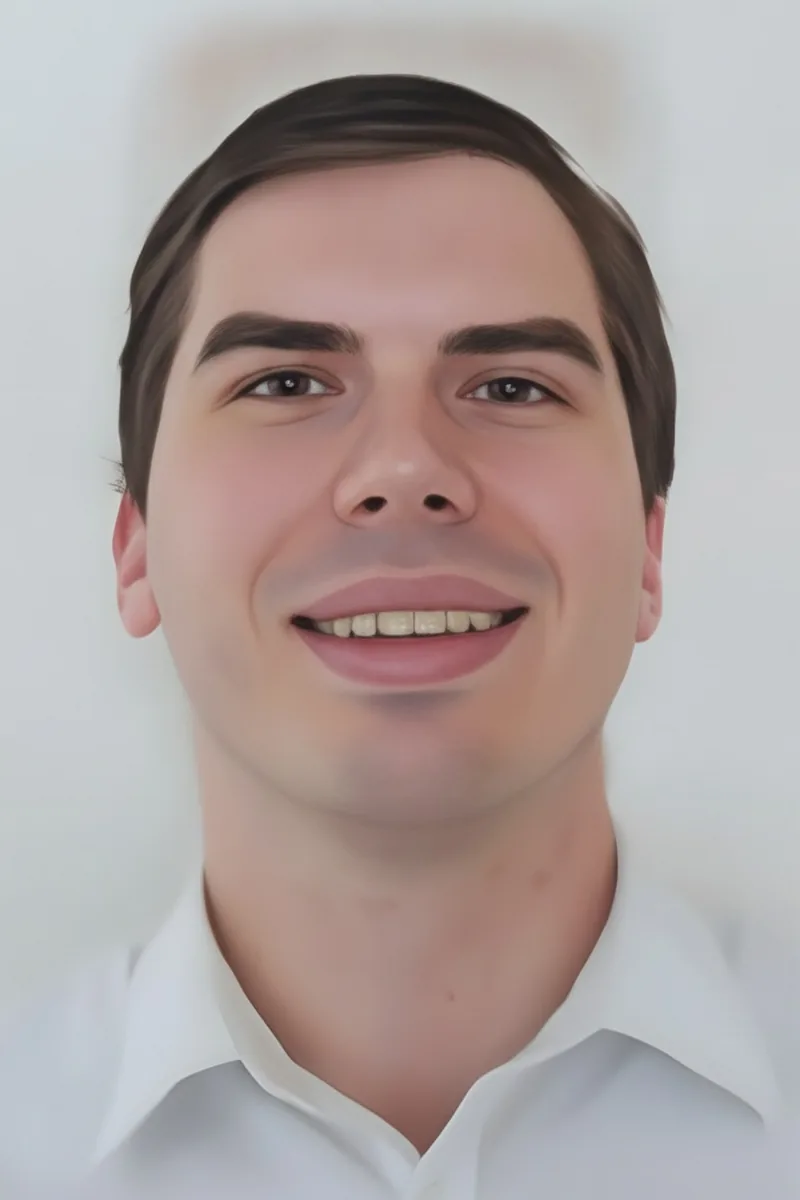
Nicholas
- I began tutoring as a volunteer assignment in high school, later being promoted to an advisory block teacher my senior year.
- While a student at the University of Illinois at Urbana-Champaign, I continued to tutor other students, mainly in physics and mathematics.
Test Scores
About Me
Eventually, this lead me to a position as a TA and lab technician in Phys 406: Physics of Music Lab. In total, I have tutored for about 8 years. My favorite facet of tutoring is exploring the different ways in which students learn a topic. An explanation that resonates with 90% of students, may not clarify things for the other 10%. Part of being a good tutor requires me to identify many alternate routes to explanation, should the more common ones not work well. This interests me greatly, as it broadens my own understanding of the topics in math and physics I find so interesting. An added bonus is being able to help someone meet their classroom goals. I recently earned a B. S. in Physics with Distinction in the Curriculum from U of I at Urbana-Champaign with a Minor in Mathematics. I also took enough math courses out of my own interest that I was a mere 12 hours away from completing a double degree in Mathematics. Students preparing for AP examinations may want to know I received a 4 in AP Physics B, a 5 in AP Calculus BC (5 in the AB subscore), and a 5 in AP Chemistry.
Hobbies & Interests
Piano, Bass Guitar, Scuba Diving, Coding, Carpentry
Education
Q&A with Nicholas
Who needs tutoring?
No obligation. Takes ~1 minute.
Tutors with Similar Experience
Nina
Reid
Liz
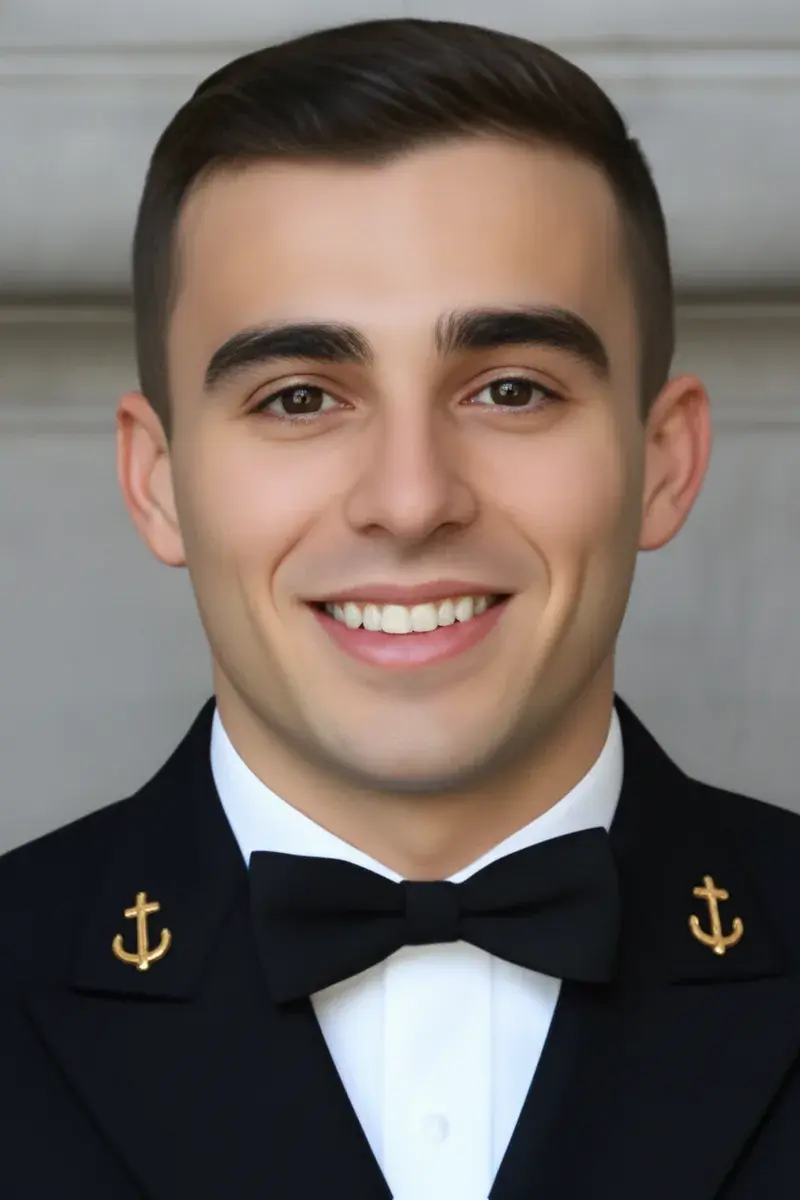
Charles
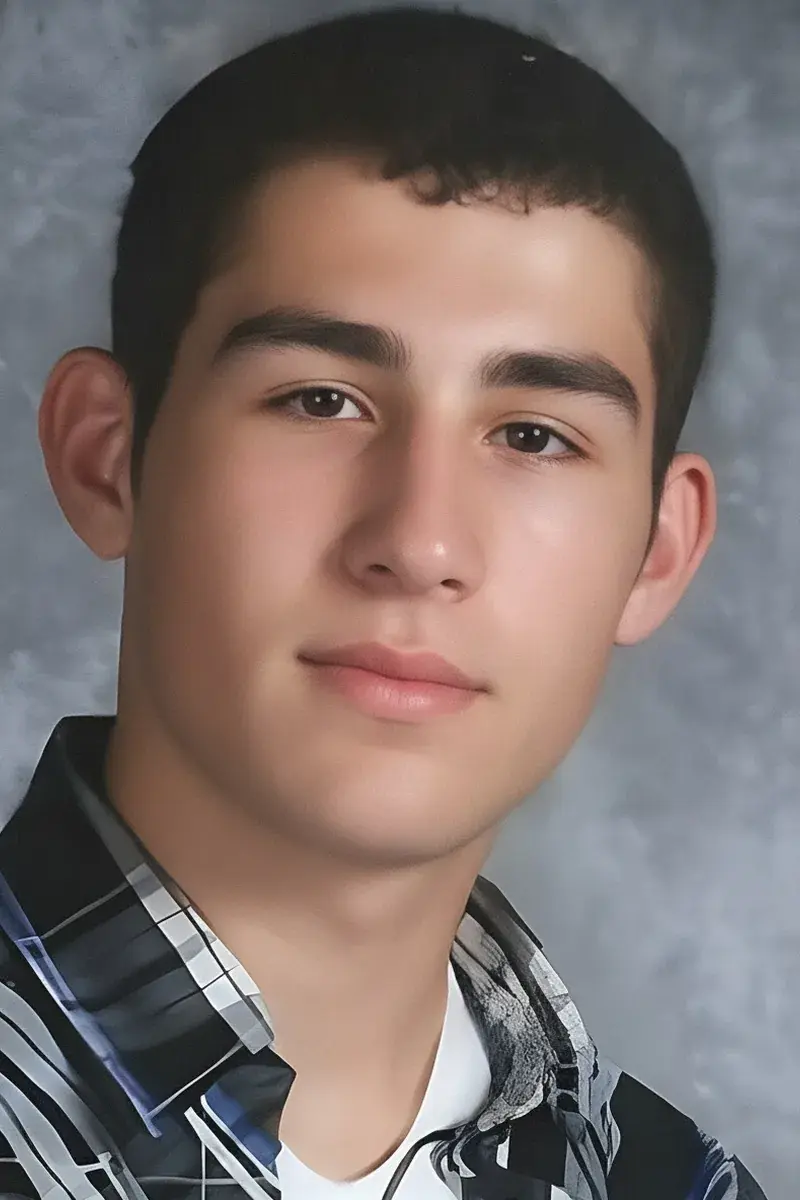
Christopher
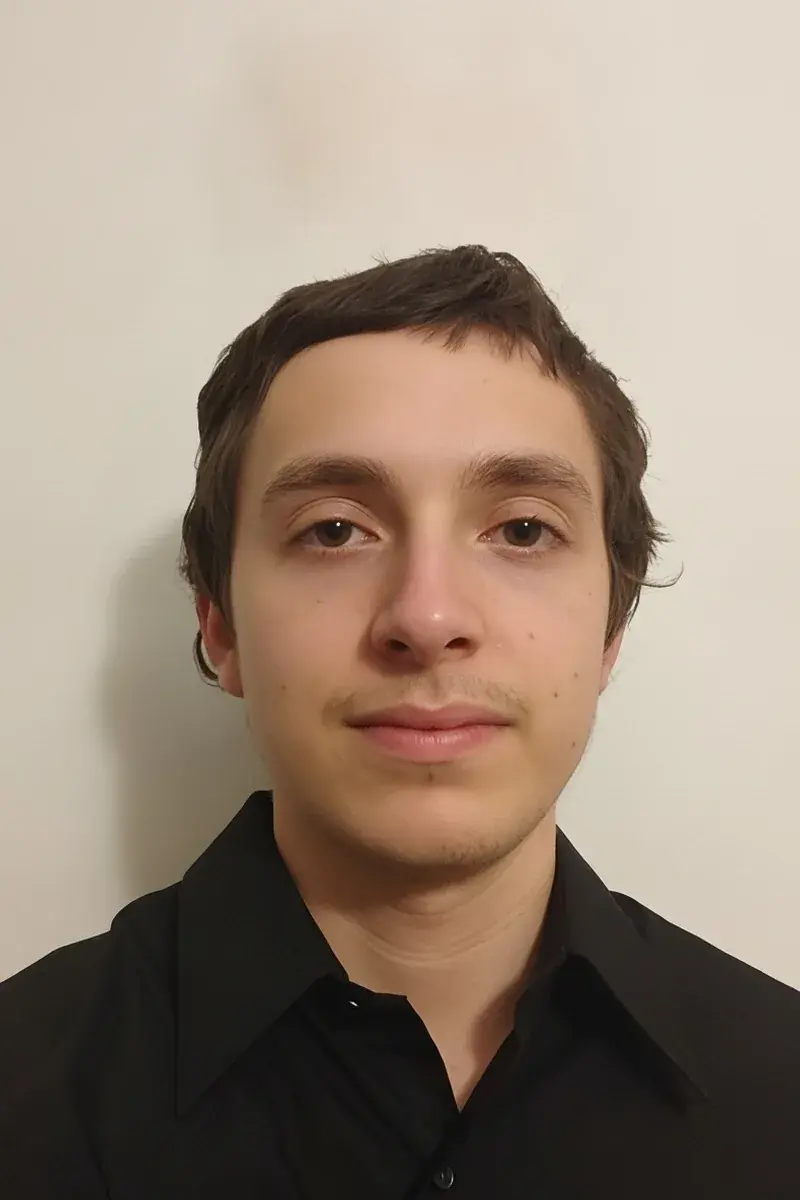
Justin
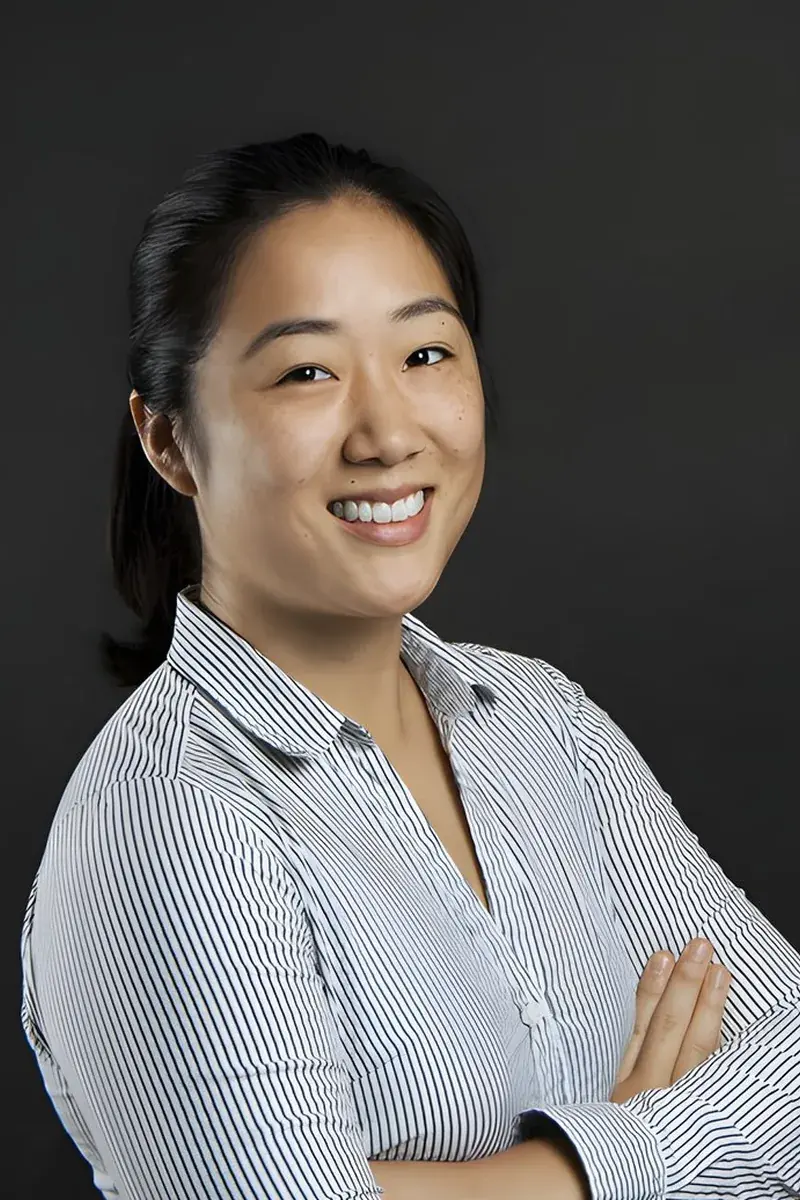
Let’s find your perfect tutor
Answer a few quick questions. We’ll recommend the right plan and match you with a top 5% tutor.