Award-Winning College Essays Tutors
serving Augusta, GA
College Essays
Tutors in Augusta
Private 1-on-1 tutoring, weekly live classes for academic support, test prep & enrichment, practice tests and diagnostics, and more to elevate grades and test scores.
Based on 3.4M Learner Ratings
UniversitiesSchools & Universities
DeliveredHours Delivered
ProficiencyGrowth in Proficiency
Who needs tutoring?
No obligation. Takes ~1 minute.
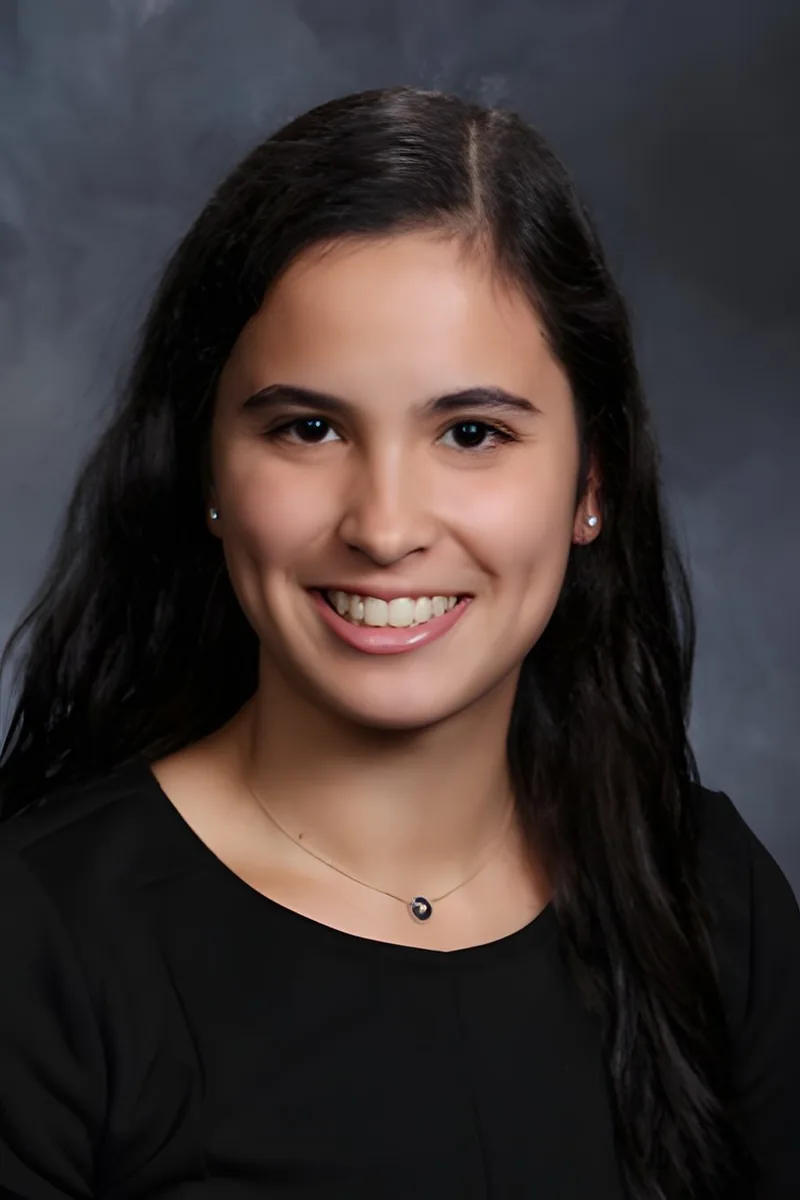
Having gone through the admissions process at MIT and now Georgia Tech's PhD program, Isabella knows what makes a personal statement land with a committee — specificity, structure, and a voice that sounds like the person writing it. She walks students through brainstorming, drafting, and revising so the final essay reveals something a transcript can't.
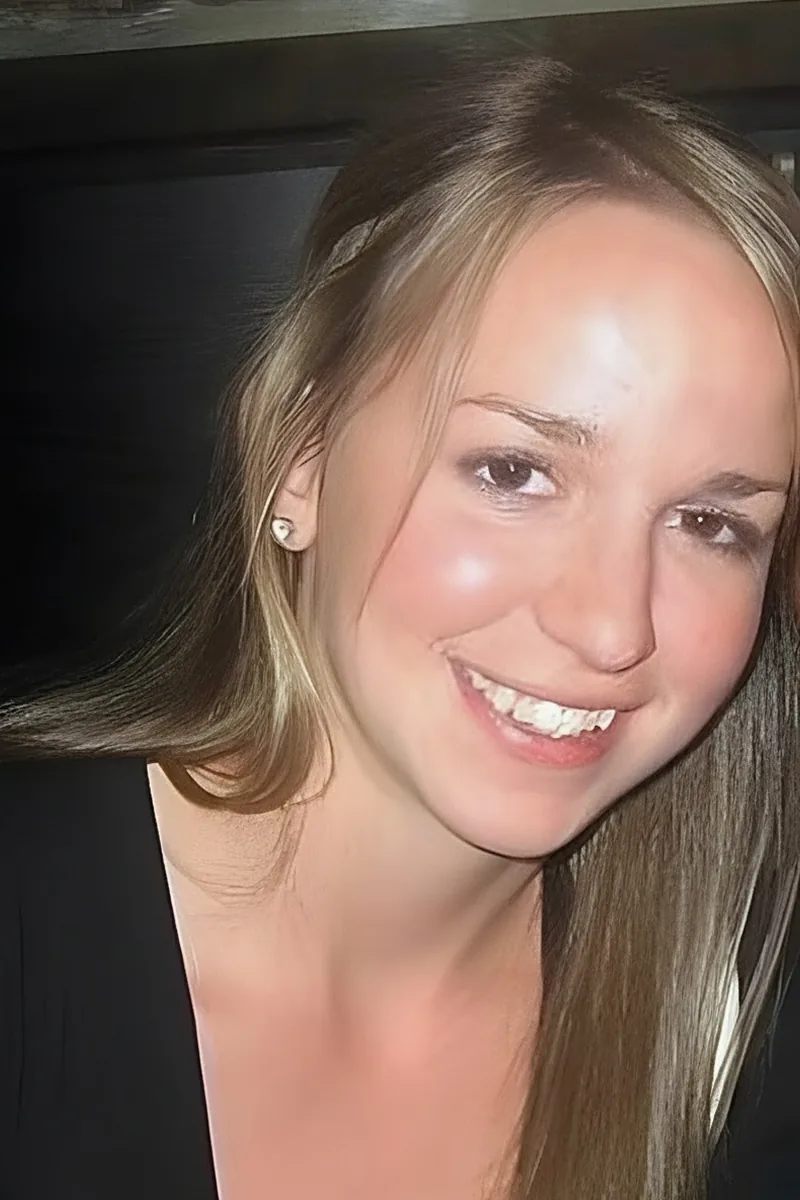
Every admissions officer reads thousands of essays that open with "I've always been passionate about..." — Jean makes sure her students don't write one of them. Having gone through competitive admissions herself at Duke and UNC Law, she knows what makes a personal statement land: a specific story, an authentic voice, and a structure that doesn't waste a single sentence. She digs into brainstorming and multiple drafts until the essay sounds like the student, not like a template.
A strong college essay doesn't summarize a résumé — it reveals how a student thinks. Paula's Communication Studies background means she understands narrative structure and audience awareness at a level that transforms vague personal statements into vivid, specific stories. She walks students through brainstorming, drafting, and revision with an emphasis on finding the one detail or moment that makes an admissions reader stop skimming.
After working as a college prep administrator, Marion has read hundreds of application essays and knows exactly what admissions readers skim past versus what makes them pause. She doesn't hand students a formula — she digs into brainstorming sessions to find the specific story or insight that only that student could write, then shapes it into a draft with a clear narrative arc. The result is an essay that sounds like a real person, not a college brochure.
The hardest part of a college essay isn't the writing — it's figuring out which story actually reveals something about you. Erica's background in language and communication gives her a sharp ear for voice, and she's skilled at pulling out the specific details and narrative arc that admissions readers remember. Rated 4.8 by students.
As a Brown sophomore who recently survived the college application process, Alice remembers what works and what doesn't in a personal statement. She treats each essay as a storytelling problem — identifying the one specific moment or idea that reveals something genuine, then shaping the draft around it. Her cognitive science perspective also gives her a sharp eye for how admissions readers actually process a 650-word essay.
The hardest part of a college essay isn't the writing — it's figuring out which story to tell and why it matters. Rebecca, who studied anthropology and its emphasis on understanding people through their own narratives, digs into brainstorming sessions that uncover the specific details and turning points admissions officers remember. She then shapes those raw ideas into polished drafts with a clear, authentic voice.
Applying to a research university as a neuroscience major gave Ethan firsthand experience crafting essays that turn academic interests into compelling personal narratives. He teaches students how to find the specific story only they can tell — then structure it so admissions readers remember it after hundreds of other applications.
Robert is a Stanford graduate and full-time writer, which means he's lived on both sides of the college essay — he wrote one that got him in, and now he spends his days crafting narratives professionally. He digs into what makes a personal statement memorable: a specific moment, an honest voice, and a structure that doesn't waste a single sentence. Rated 5.0 by students.
Admissions officers read thousands of essays that open with "I've always been passionate about..." — Saniya's job is to make sure a student's doesn't. She draws on her English minor to teach narrative techniques like scene-setting, specific detail, and tonal control that turn a generic personal statement into something memorable. She also knows the science-applicant angle well, having written her own essays as a neuroscience major applying to post-graduate programs.
A Georgia Tech engineer who also loves writing might sound unusual, but that combination is exactly what makes college essays click — admissions officers want authentic voices, not formulaic five-paragraph structures. Ilesh walks students through brainstorming, drafting, and revising personal statements that reveal character without overreaching. His own full-ride scholarship journey gives him firsthand insight into what resonates with admissions committees.
A strong college essay doesn't summarize a résumé — it reveals how a student thinks. Bona went through the admissions process at Northwestern and understands how to help applicants identify a specific, genuine story and shape it into a narrative that admissions readers remember. She's especially sharp at cutting filler and tightening essays that feel too broad.
As a PhD student who has navigated admissions writing in a second language, Wei understands what makes a personal statement land — specificity, authentic voice, and a clear narrative arc. She teaches students to move past generic topic choices and dig into the details that admissions committees actually remember. Rated 5.0 by students.
Getting into a competitive business program meant Vignesh had to write essays that turned a finance-focused applicant into a compelling person — not just a résumé in paragraph form. He teaches students to identify the one story that only they can tell, then structure it with a clear narrative arc and a hook that admissions officers actually remember. Rated 5.0 by students.
Having worked in Northwestern's writing center, Juliana spent years reading drafts from students trying to stand out in a sea of similar applications. She knows what admissions readers respond to — specificity, authentic voice, and a narrative arc that doesn't try to cover everything. Her editing process starts with finding the one story only that student can tell, then structuring every paragraph around it.
A compelling college essay doesn't summarize a résumé — it reveals how a student thinks. Studying English literature at Washington University in St. Louis, Morgan knows how to pull a specific, honest narrative out of a brainstorming session and shape it into a piece with voice, structure, and a clear throughline that admissions readers remember.
A strong college essay isn't about listing accomplishments — it's about finding one genuine story and shaping it into a voice admissions readers remember. Tigist's Master's in Urban Education and Leadership, combined with her history background, makes her especially effective at drawing out authentic narratives from students who feel like they don't have a "dramatic" story to tell.
A strong college essay doesn't summarize a résumé — it reveals how a student thinks, and that distinction is where most drafts go wrong. Sydney digs into brainstorming with students to find the specific moment or perspective that only they could write about, then shapes the narrative so every sentence earns its place. Her background in literature and over a decade of writing instruction give her a sharp editorial eye for voice and structure.
As Managing Editor of Columbia University's Journal of International Affairs, Denise spent a year evaluating how writers frame arguments, structure narratives, and make every sentence earn its place. She applies that editorial eye to college essays, teaching students to identify the one specific story or insight that admissions officers will remember. Rated 5.0 by students.
A college essay that tries to sound impressive almost always backfires — admissions readers want a specific voice telling a specific story. Emily has edited application essays across dozens of drafts and knows how to pull out the one authentic detail that makes a 650-word personal statement memorable. She's just as rigorous about structure and grammar as she is about narrative arc.
The hardest part of a college essay isn't the writing — it's figuring out which story to tell and why it matters. Jenna, who navigated the admissions process through undergrad and Emory Law, unpacks what admissions readers actually look for and coaches students to shape authentic personal narratives that stand apart from the pile. Rated 5.0 by her students.
As a first-generation college student, Ominira navigated the admissions essay process without a built-in roadmap — and that experience now shapes how she teaches others to find and tell their own stories. She digs into brainstorming, structure, and voice, making sure each draft sounds like the student who wrote it rather than a template pulled from the internet.
A compelling college essay doesn't summarize a résumé — it reveals how a student thinks. As a sophomore at Washington University who also coaches young women through interview prep for the Distinguished Young Women program, Abigail understands how to draw out an authentic personal narrative and shape it into a polished, memorable piece. She walks students through brainstorming, drafting, and revising until the essay sounds unmistakably like them.
As a Cornell Engineering student who successfully navigated the admissions process, Chris understands what makes a personal statement land — a specific story, a clear voice, and a structure that doesn't meander. He walks students through brainstorming, drafting, and revising so the final essay sounds like them at their sharpest, not like a thesaurus exploded on the page.
An MFA in Theater Arts means Merav has spent years learning how to build a character arc that holds an audience — and a college essay is really a 650-word character arc where the applicant is the protagonist. She knows how to help a writer find the one honest, specific detail that makes a draft feel lived-in rather than performed, drawing on her psychology minor to push past surface-level self-presentation. Rated 5.0 by students.
College admissions essays live or die on specificity — generic "overcoming adversity" narratives blur together after the hundredth read. Hailey earned a full-tuition Zell Miller Scholarship, a National Merit Scholarship, and a Woodruff Scholarship, so she's been through the process successfully and knows how to help a student find the one concrete story that makes an essay memorable.
A strong college essay doesn't summarize a résumé — it reveals how a student thinks, and that distinction trips up even talented writers. John, a UGA English graduate and avid writer himself, digs into brainstorming and drafting with students to find the specific story or perspective that admissions officers haven't read a hundred times already. He then tightens structure and voice across multiple revisions.
Engineering PhD students don't just run experiments — they write grants, craft research narratives, and learn to make technical ideas compelling to non-specialists. Bettina brings that storytelling discipline to college essays, teaching applicants how to structure a personal narrative with a clear arc and authentic voice. She's especially useful for STEM-oriented students who have strong accomplishments but struggle to translate them into engaging prose.
The hardest part of a college essay isn't the writing — it's figuring out which story to tell and why it matters. Christopher went through this process for both Rice and Baylor's medical school, crafting personal statements that had to convey scientific passion alongside personality. He teaches students to identify one specific moment or insight and build outward from there, producing essays that sound genuinely like them.
Having recently navigated the college admissions process herself — landing at Rice University for biochemistry — Maddie knows what admissions officers look for in a personal statement. She tackles the hardest part first: finding an authentic angle that makes a student's voice stand out, then structuring the essay so every paragraph earns its place.
Between tutoring Korean at Georgia Tech and crunching quantitative models at Scheller College of Business, Brian has written for wildly different audiences — and that range is exactly what makes him effective at the college essay, where a student needs to sound like a real person, not a résumé. He's especially good at helping applicants who lean analytical find the one personal story buried under their list of accomplishments and shape it into a draft with genuine voice. Rated 5.0 by students.
Writing a college essay that actually sounds like you — not like a thesaurus exploded on a personal statement template — is harder than it looks. Matthew is currently navigating university life at UGA and recently went through the admissions process himself, so he knows how to shape a genuine story around a clear narrative arc that admissions readers remember.
A strong college essay doesn't summarize a résumé — it reveals how a student thinks, and admissions officers can spot the difference in a paragraph. David brings an analytical mindset from his math and actuarial background to essay structure, helping students find a single compelling thread in their experience and develop it with specificity and voice.
A strong college essay doesn't summarize a résumé — it reveals how a student thinks. Yasheen went through the admissions process at Yale and knows how to pull a compelling narrative thread from a student's experiences, then shape it into a piece with a clear voice and tight structure. She tackles everything from brainstorming and outlining to final-draft polish.
A strong college essay does something counterintuitive: it makes the admissions reader feel like they know you in 650 words. Luci brings both a journalist's instinct for storytelling and an attorney's precision with argument to the drafting process, helping students find the specific personal detail that anchors their narrative. She's particularly sharp at cutting the filler that buries a student's real voice.
A Bachelor of Fine Arts in Creative Writing gives Alexandra something most STEM tutors lack: real training in voice, narrative structure, and revision. She applies that craft to college essays, teaching students to find the one specific story that reveals character — then edit ruthlessly until every sentence earns its place. Her science background also means she's especially effective with applicants writing about research or technical interests.
Having navigated admissions at both Northwestern and Notre Dame Law School — where he graduated magna cum laude — James knows what compelling personal writing looks like from both sides of the process. He digs into the specific prompt, the applicant's story, and the audience, then builds an essay that sounds like a real person rather than a template.
A strong college essay needs a clear narrative arc and a voice that sounds like an actual person — two things Alison knows how to draw out. Her master's-level research in history required constructing persuasive arguments from personal analysis, and she applies that same editorial instinct to helping students shape their stories into compelling admissions essays.
The hardest part of a college essay isn't the writing — it's figuring out which story to tell and why it matters to a specific school. Max went through this process himself at UGA and has since coached other applicants on narrowing their narrative, cutting filler, and making the personal statement feel genuinely personal. He's especially sharp on supplemental essays that require tying your interests to a program's strengths.
The hardest part of a college essay isn't the writing — it's figuring out which story to tell and why it matters to an admissions reader. Sean, an avid writer and reader himself, walks students through brainstorming, drafting, and revising personal statements that sound like them rather than like a template. His 1480 SAT score also speaks to the kind of precise, purposeful language he brings to the editing process.
Testimonials
Because the right College Essays tutor makes all the difference.
Average Session Rating – Based on 3.4M Learner Ratings
Nearby College Essays Tutors
Other Augusta Tutors
Related English Tutors in Augusta
Frequently Asked Questions
Varsity Tutors matches Augusta students with expert College Essays tutors for 1-on-1 instruction. We pair each student with a tutor based on their specific needs, learning style, and goals.
Whether you need homework help, exam prep, or want to get ahead, our College Essays tutors are ready to help.
Common challenges include gaps from earlier material, difficulty with specific concepts, and trouble applying learning to new problems. These issues can snowball quickly in College Essays.
A tutor identifies where you're stuck, fills in gaps, and provides targeted practice. The 1-on-1 format means you get help exactly where you need it.
Tutors work with your student's actual coursework—homework assignments, class notes, and upcoming tests. This keeps tutoring directly relevant to what's happening in the classroom.
When you share information about your student's school and curriculum, we can match you with a tutor who has relevant experience.
All tutors complete background checks, credential verification, and teaching evaluation. Many of our College Essays tutors hold advanced degrees or have years of teaching experience.
You can review tutor profiles to find someone with the right background for your student's level and needs.
Many students see improved grades within a few weeks, along with better understanding of College Essays concepts and more confidence tackling challenging material.
Tutors track progress and adjust their approach to ensure continued improvement.
Most students benefit from 1-2 sessions per week. More frequent sessions help if your student is significantly behind or has an important exam coming up.
Your tutor can recommend a schedule based on your student's specific situation and goals.
Tutoring is purchased in packages of hours, with rates varying by tutor experience. Varsity Tutors offers several options to fit different budgets and needs.
You can discuss pricing during your consultation to find what works best.
Your tutor will assess where your student is, discuss goals, and start working on priority areas. Most students bring current homework or upcoming test material to focus on.
By the end, you'll have a clear sense of how the tutor can help and a plan for moving forward.
Let’s find your perfect tutor
Answer a few quick questions. We’ll recommend the right plan and match you with a top 5% tutor.