Award-Winning AP World History Tutors
serving Fort Collins, CO
AP World History
Tutors in Fort Collins
Private 1-on-1 tutoring, weekly live classes for academic support, test prep & enrichment, practice tests and diagnostics, and more to elevate grades and test scores.
Based on 3.4M Learner Ratings
UniversitiesSchools & Universities
DeliveredHours Delivered
ProficiencyGrowth in Proficiency
Who needs tutoring?
No obligation. Takes ~1 minute.
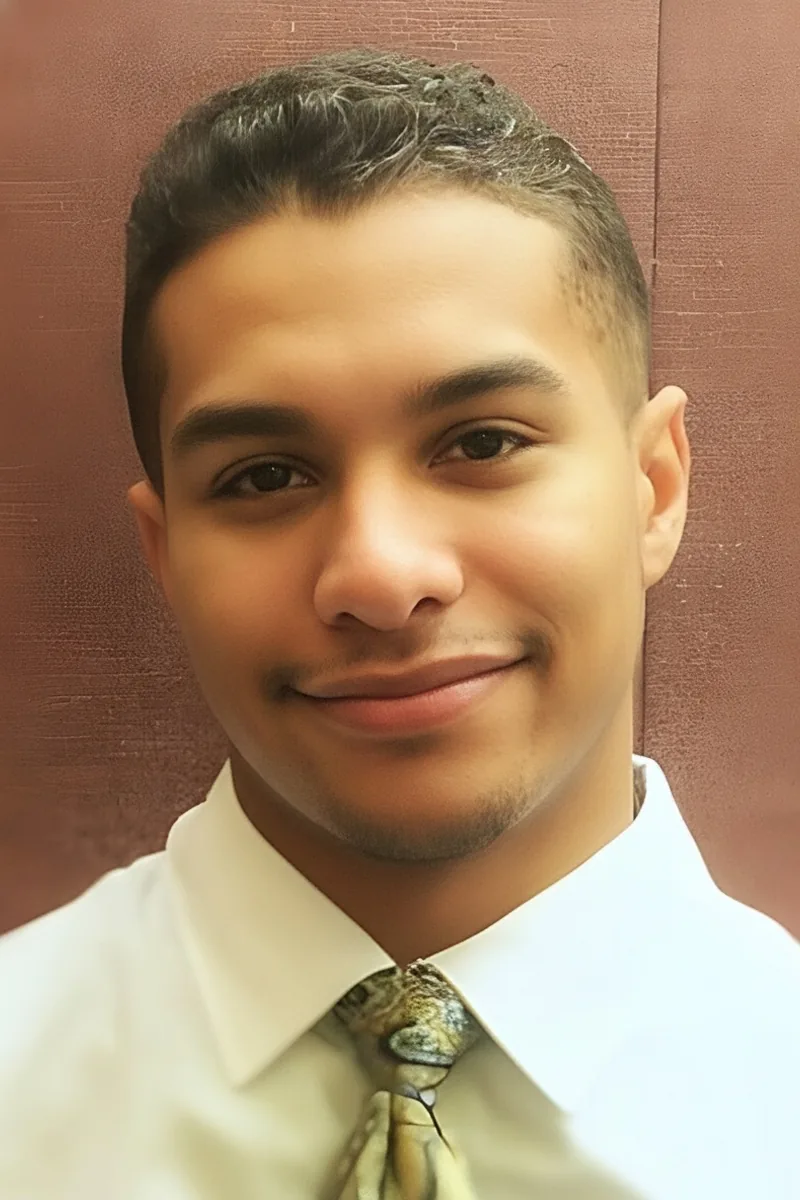
Covering thousands of years across every continent, AP World History can feel overwhelming until a student learns to spot the recurring themes — trade networks, empire building, cultural diffusion, shifts in labor systems. Marcus's Political Sciences background gives him a framework for analyzing how power structures rise and fall, which is exactly the kind of comparative thinking the AP exam demands. He breaks the curriculum into thematic threads that make the sheer volume of content manageable.
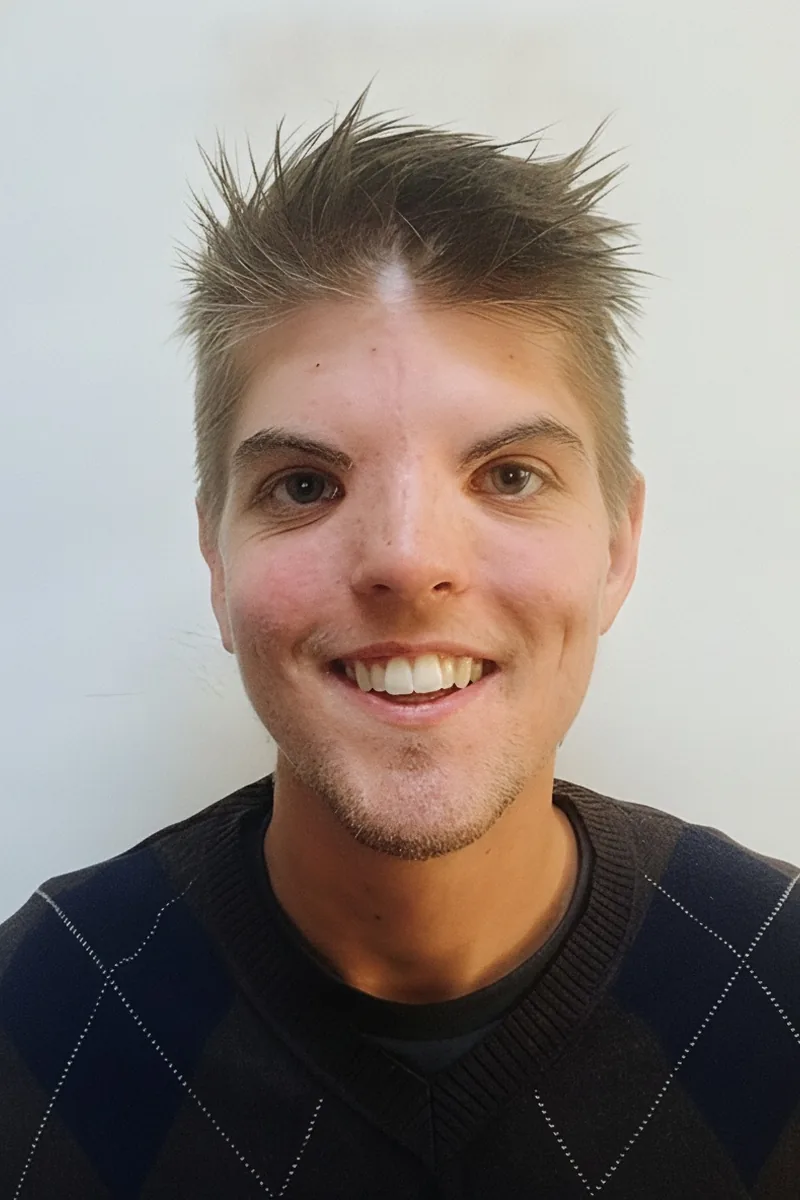
Carson's English degree built the close-reading and argument-construction skills that AP World History's document-based questions actually test — pulling a defensible thesis out of unfamiliar primary sources under time pressure. He approaches the exam's nine periods through the lens of narrative and rhetoric, teaching students to read historical documents the way a literary analyst would: asking who wrote it, for whom, and what it's trying to do. That skill set is especially useful on the continuity-and-change essays where students need to build a story arc across centuries, not just list events.
Marketing is fundamentally about understanding how ideas, goods, and influence spread through populations — which turns out to be the same analytical muscle AP World History flexes when asking about the Silk Roads, the spread of Islam, or the Columbian Exchange. Lilian's business degree with a marketing focus gives her a practical framework for teaching students how exchange networks and cultural diffusion actually work, not just what happened but why it spread. Rated 4.7 by students, she's particularly effective at helping with the continuity-and-change essays where tracing cause and effect across regions is everything.
Covering millennia of global history in one year means AP World History students need frameworks — ways to compare empires, trace trade networks, and connect developments across regions without drowning in isolated facts. Alastair approaches the course through those thematic lenses, drawing on his Columbia History major to show how continuity-and-change or causation questions actually want students to think. He also unpacks the comparison and CCOT essay formats so students know exactly what the rubric rewards.
Connecting civilizations across time periods is the core challenge of AP World History, whether it's tracing trade networks from the Silk Roads to the Indian Ocean or comparing empire-building strategies across continents. Stephanie's graduate studies at Penn and her Cornell history training give her a deep command of the comparative and continuity-and-change frameworks the exam demands. She also teaches the document analysis skills that turn a 3 essay into a 5.
Patrick's PhD work in Modern European History at Rutgers — plus an exchange year at the École Normale Supérieure in Paris — gives him primary-source fluency across the post-1450 periods where European expansion, revolution, and industrialization intersect with global developments. His experience developing test content for the SAT and pre-AP exams at ETS means he understands how exam writers construct document-based questions and what kind of thesis earns full credit. That insider perspective sharpens his approach to both the DBQ and the LEQ, where knowing how prompts are built is half the battle.
Studying anthropology and linguistics at the University of Chicago means Araxie spends her coursework doing exactly what AP World History's toughest prompts ask — analyzing how cultures interact, absorb, and transform each other across time and space. That training sharpens her approach to the cultural diffusion and comparison questions where students need to explain not just what spread along trade routes or through empires, but how contact reshaped societies on both sides. Rated 4.8 by students.
A year researching climate change at the University of Helsinki gave Marika something most AP World History tutors lack — direct experience living inside the kind of cross-regional, systems-level analysis the exam rewards, particularly on causation essays about how environmental shifts like the Little Ice Age or the Columbian Exchange reshaped entire civilizations. Her physics training reinforces that same cause-and-effect rigor when students need to trace how one development cascades across continents and centuries. Rated 5.0 by students, she holds a 1590 SAT.
Covering ten thousand years of global history means students need a framework, not just a timeline. Jean's Latin American History specialization at Duke gave her deep practice in cross-cultural comparison — exactly the skill AP World History's essay prompts demand. She teaches students to identify patterns like empire-building, trade network expansion, and cultural diffusion, then deploy those patterns in timed writing.
Covering ten thousand years of human history means AP World History can feel impossibly broad — until a student learns to think in patterns. Iris's anthropology training at the University of Chicago is built around exactly that: tracing how trade networks, belief systems, and state structures evolve and interact across cultures. She teaches students to spot those cross-cultural comparisons and continuity-and-change themes that the AP exam tests hardest.
Economics PhD work at Yale trains Anthony to think about how societies allocate resources, build institutions, and respond to incentives — which is precisely the analytical framework behind AP World History's toughest essay prompts on state-building, economic systems, and cross-cultural trade networks. His dual background in physics and math adds a quantitative rigor to interpreting demographic data and economic trends that show up in DBQ documents. Rated 5.0 by students, he's especially sharp on the post-1750 periods where industrialization and global capitalism reshape every theme the exam tests.
Covering ten thousand years of human history means students need frameworks, not just facts. Kyle's master's in global management and his undergraduate work in international studies gave him exactly that kind of cross-regional perspective — he can explain why the Columbian Exchange reshaped economies worldwide or how gunpowder empires differed in their administrative strategies.
Sociology trains you to ask how societies organize, stratify, and transform — which is essentially what every AP World History essay prompt is getting at when it asks why empires rise, trade networks reshape cultures, or revolutions spread across borders. Caio brings that sociological lens from his studies at Rice to the exam's comparative and causation questions, teaching students to analyze documents through the structures of power, class, and cultural exchange rather than just chronology. Rated 5.0 by students.
Studying Asian American Studies on a pre-med track at UCLA gave Jon an unusual lens for AP World History — he's comfortable moving between scientific and humanistic thinking, which is exactly what the exam's cross-cultural analysis requires. His strength is in the regions and interactions that often get shortchanged in standard curricula, particularly South and East Asian developments and their ripple effects across trade routes and empires. Now at Yale's School of Public Health, he brings a social-systems perspective to topics like disease exchange, migration, and demographic shifts that show up repeatedly on the exam.
Testimonials
Because the right AP World History tutor makes all the difference.
Average Session Rating – Based on 3.4M Learner Ratings
Practice AP World History
Free practice tests, flashcards, and AI tutoring for AP World History
Nearby AP World History Tutors
Other Fort Collins Tutors
Related Social Studies Tutors in Fort Collins
Frequently Asked Questions
Varsity Tutors matches Fort Collins students with expert AP World History tutors for 1-on-1 instruction. We pair each student with a tutor based on their specific needs, learning style, and goals.
Whether you need homework help, exam prep, or want to get ahead, our AP World History tutors are ready to help.
Common challenges include gaps from earlier material, difficulty with specific concepts, and trouble applying learning to new problems. These issues can snowball quickly in AP World History.
A tutor identifies where you're stuck, fills in gaps, and provides targeted practice. The 1-on-1 format means you get help exactly where you need it.
Tutors work with your student's actual coursework—homework assignments, class notes, and upcoming tests. This keeps tutoring directly relevant to what's happening in the classroom.
When you share information about your student's school and curriculum, we can match you with a tutor who has relevant experience.
All tutors complete background checks, credential verification, and teaching evaluation. Many of our AP World History tutors hold advanced degrees or have years of teaching experience.
You can review tutor profiles to find someone with the right background for your student's level and needs.
Many students see improved grades within a few weeks, along with better understanding of AP World History concepts and more confidence tackling challenging material.
Tutors track progress and adjust their approach to ensure continued improvement.
Most students benefit from 1-2 sessions per week. More frequent sessions help if your student is significantly behind or has an important exam coming up.
Your tutor can recommend a schedule based on your student's specific situation and goals.
Tutoring is purchased in packages of hours, with rates varying by tutor experience. Varsity Tutors offers several options to fit different budgets and needs.
You can discuss pricing during your consultation to find what works best.
Your tutor will assess where your student is, discuss goals, and start working on priority areas. Most students bring current homework or upcoming test material to focus on.
By the end, you'll have a clear sense of how the tutor can help and a plan for moving forward.
Let’s find your perfect tutor
Answer a few quick questions. We’ll recommend the right plan and match you with a top 5% tutor.