Award-Winning AP Chinese Language and Culture Tutors
serving San Diego, CA
AP Chinese Language and Culture
Tutors in San Diego
Private 1-on-1 tutoring, weekly live classes for academic support, test prep & enrichment, practice tests and diagnostics, and more to elevate grades and test scores.
Based on 3.4M Learner Ratings
UniversitiesSchools & Universities
DeliveredHours Delivered
ProficiencyGrowth in Proficiency
Who needs tutoring?
No obligation. Takes ~1 minute.
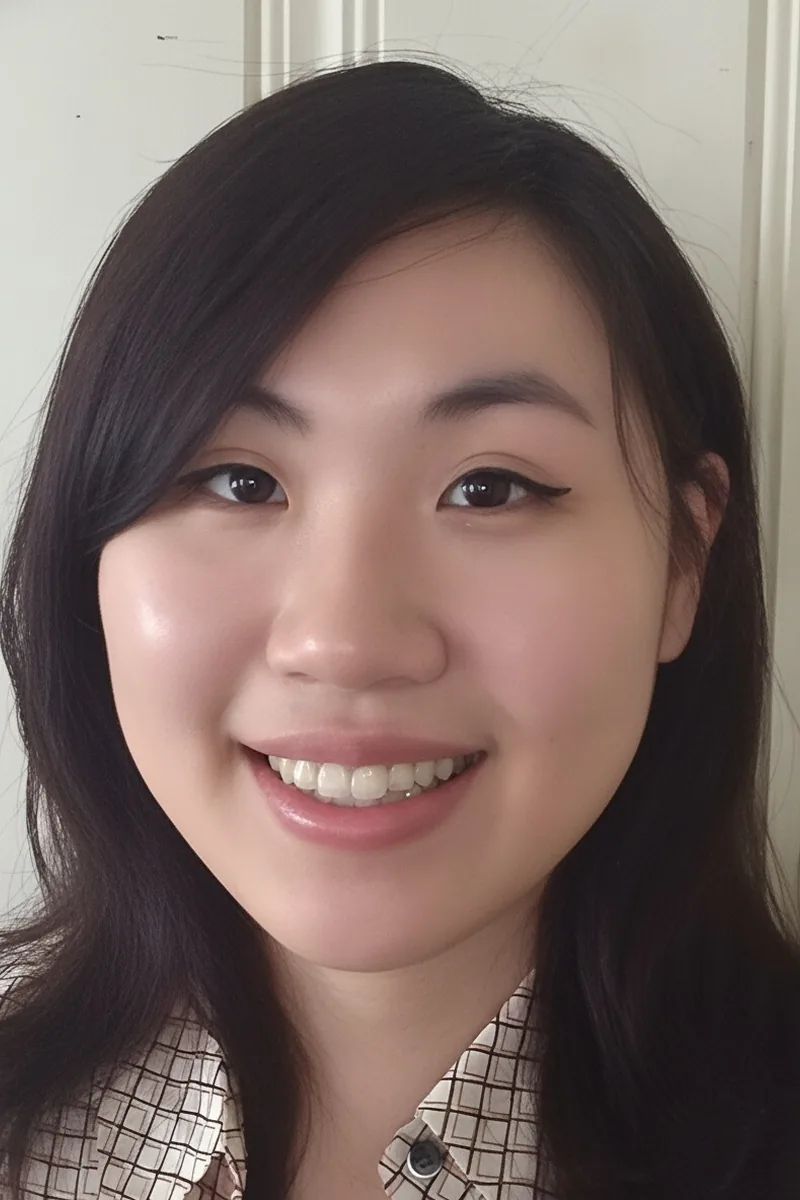
A molecular biology degree from UC Berkeley might seem unrelated to AP Chinese, but Caroline's background teaching Mandarin across four levels — plus her fluency in the language — means she knows how to bridge the gap between conversational Mandarin and the formal, academic register the exam's interpretive reading and listening sections demand. She's particularly effective at coaching students through the exam's interpersonal tasks, where her experience mentoring K-12 students in Oakland translates into patient, structured practice that builds confidence under timed conditions. Rated 5.0 by students.
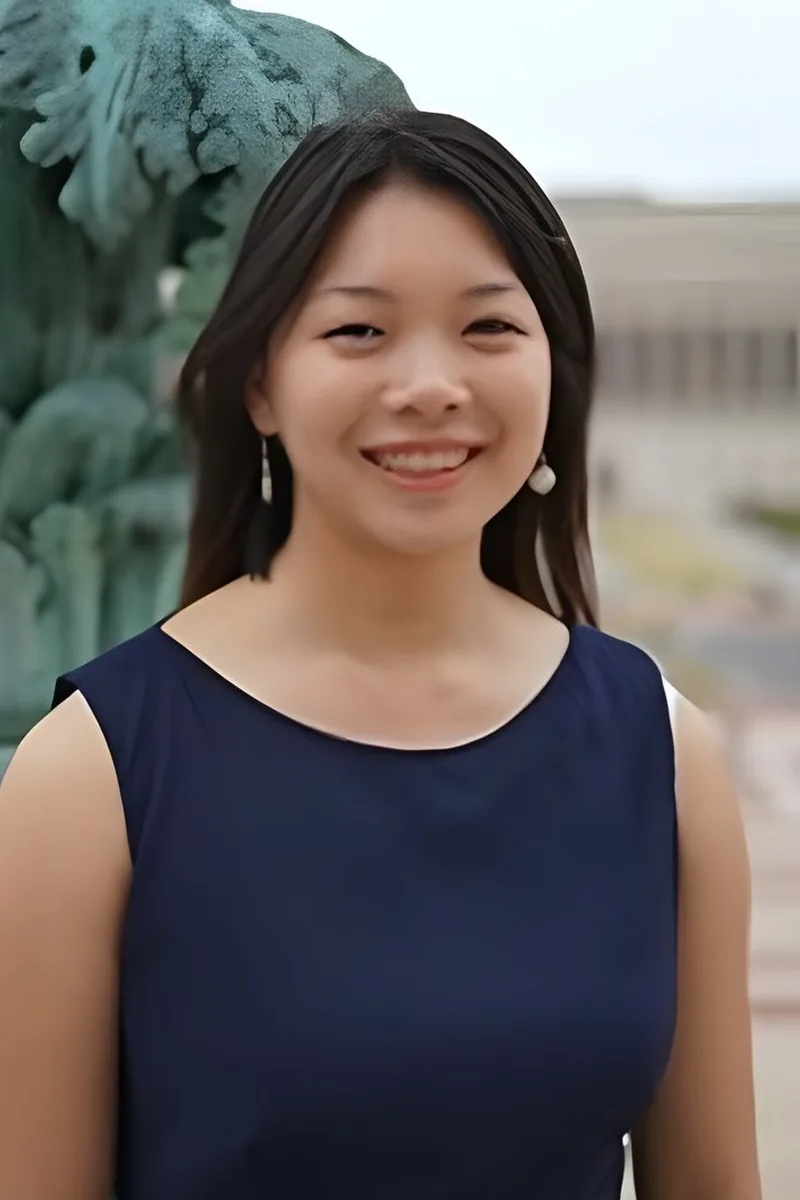
A literature degree paired with fluency in both Mandarin and Cantonese gives Bronwen an unusual edge on the AP Chinese exam's interpretive reading section, where students encounter texts that demand literary analysis skills — not just language ability. She teaches across all four Mandarin levels and scored 1530 on the SAT, reflecting the kind of close-reading discipline she brings to coaching students through the exam's densest written passages. Rated 5.0 by students.
Fifteen years growing up in Taiwan gave James native-level Mandarin and the kind of deep cultural intuition that's hard to teach from a textbook — especially useful for the AP exam's interpersonal speaking prompts, where natural tone, register, and cultural awareness separate top scores. He also tutors across five levels of Mandarin, so he can quickly pinpoint whether a student's struggle is grammatical, vocabulary-based, or rooted in unfamiliarity with formal written Chinese. Rated 5.0 by students.
Most AP Chinese prep zeroes in on language mechanics, but the exam's interpersonal speaking prompts also reward the kind of natural conversational flow that comes from genuine cultural immersion — something Yuyi brings as a native Mandarin speaker who also studied English and psychology at the university level. That dual-language academic background makes her especially effective at coaching students through the interpretive reading section, where parsing formal written Mandarin requires more than character recognition.
The culture component of AP Chinese Language and Culture is where many students lose points — understanding idioms, social registers, and cultural practices well enough to respond authentically under timed conditions. Jiahao's graduate training in interpretation at Beijing Foreign Studies University was built around exactly this kind of cross-cultural fluency, and he brings that depth to every practice prompt and free-response drill.
After a decade teaching middle schoolers in a Chinese immersion school in California, Ruth knows exactly where students' spoken Mandarin starts to buckle under the pressure of timed AP tasks — especially the presentational speaking prompts that demand formal structure and clear tonal precision on the fly. She also taught History and Theater entirely in Chinese, which means her students get exposure to the kind of cross-disciplinary cultural vocabulary that the exam's reading and listening passages actually test. Rated 5.0 by students.
With an economics degree and fluency across four levels of Mandarin Chinese, Alexander brings a practical, content-rich angle to AP Chinese prep — particularly the interpretive listening passages, where students need to process real-world topics like trade, policy, and social trends discussed in rapid, formal Mandarin. He also tackles the exam's cultural comparison essays by drawing on his cross-cultural academic background to teach students how to move beyond surface-level observations and anchor their responses in specific, substantive examples.
As a native Mandarin speaker who moved to the U.S. at nine and later studied at Cornell, Jennifer bridges Chinese and American culture in a way that's hard to find in a tutor. She covers all four AP skill areas — interpretive reading, listening, presentational writing, and spoken interpersonal communication — while weaving in the cultural knowledge that the exam's free-response questions specifically test. Rated 5.0 by students.
The cultural component of AP Chinese Language and Culture trips up students who only study vocabulary lists — the exam expects nuanced comparisons between Chinese and American cultural practices, from family structures to educational values. Li connects language instruction to these cultural contexts, drawing on her own bicultural academic experience across speech science and medicine.
The cultural presentation component of AP Chinese Language and Culture catches many students off guard because it requires genuine knowledge of Chinese traditions, geography, and social customs — not just language proficiency. Christine grew up in Shanghai and brings firsthand cultural context to topics like festival traditions, family structures, and regional differences that students need for both the exam and the interpersonal tasks. Her native fluency means she can coach pronunciation and tonal accuracy in real time.
I am an experienced tutor specializing in english, essay writing, communications and business. After completing the IB program at an international high school, I recently graduated from Northwestern University with a Bachelor of Science in Communication Studies, Business, and Integrated Marketing Communications. I grew up in a Korean household in China, so I am fluent in Korean and Chinese as well. Feel free to reach out for general inquiries on any classes or essay/writing help you need!
Patricia's favorite subjects to tutor include beginner's and intermediate Chinese, and she brings that same enthusiasm to AP-level prep — particularly the listening comprehension and reading sections where students need to parse formal written Mandarin beyond everyday conversation. She also teaches across multiple Mandarin levels, so she can quickly identify which foundational gaps in grammar or vocabulary are holding a student back on timed exam tasks.
Melody teaches Mandarin Chinese and is currently studying at Columbia, where her coursework in AP Chinese Language and Culture aligns closely with the exam's cultural comparison prompts — the section where students need to articulate specific, nuanced differences between Chinese and American practices rather than recite generalities. Her 4.9 rating from students speaks to her ability to break down both the interpretive listening tasks and the presentational speaking prompts, where tonal clarity and organized delivery under timed pressure make the difference.
Testimonials
Because the right AP Chinese Language and Culture tutor makes all the difference.
Average Session Rating – Based on 3.4M Learner Ratings
Nearby AP Chinese Language and Culture Tutors
Other San Diego Tutors
Related Languages Tutors in San Diego
Frequently Asked Questions
The AP Chinese Language and Culture exam tests proficiency across five key skills: listening, reading, writing, speaking, and cultural knowledge. The exam includes multiple-choice sections for listening and reading comprehension, a free-response section with email writing and presentational speaking tasks, and interpersonal speaking components. Success requires not just language skills but also deep familiarity with Chinese-speaking cultures, current events, and social practices.
Most students benefit from 6-12 months of focused preparation, though this varies based on your starting proficiency level and prior Chinese study. The AP Chinese exam requires approximately 150 hours of classroom instruction according to College Board guidelines, but personalized tutoring can help you use study time more efficiently by targeting your specific weak areas. Many San Diego students find that combining regular tutoring sessions with consistent daily practice yields the strongest results.
The speaking and writing sections challenge most students, as they require spontaneous, accurate production rather than recognition of language. Many students also struggle with the cultural component—understanding contemporary Chinese society, idioms, and cultural references requires exposure beyond textbook material. Additionally, the exam's fast-paced listening section demands strong comprehension skills and test-taking stamina, which benefits greatly from targeted practice and strategy coaching.
AP Chinese scores range from 1-5, with a 3 considered passing and a 5 representing mastery. Score improvement is very realistic with focused preparation—students often gain 1-2 points by identifying weak sections and drilling those skills systematically. Personalized tutoring helps you pinpoint whether you need more listening practice, writing refinement, speaking fluency, or cultural knowledge, allowing you to concentrate effort where it matters most.
Your first session typically includes an assessment of your current proficiency level across all five skill areas—listening, reading, writing, speaking, and cultural knowledge. A tutor will identify your strongest areas and pinpoint specific gaps, then work with you to create a customized study plan aligned with the AP exam format. This foundation helps ensure every future session builds directly toward your score goals.
Practice tests are essential for AP Chinese success—they familiarize you with the exam's pacing, question formats, and cultural content while revealing which sections need the most work. Rather than taking full-length tests randomly, space them out strategically: take a diagnostic early to identify weak areas, then use section-specific practice tests to drill those skills, and save full-length tests for final review. A tutor can help you analyze your practice test results and adjust your study strategy accordingly.
Speaking and writing improve through repeated, scaffolded practice with immediate feedback—exactly what personalized tutoring provides. For speaking, you'll benefit from practicing the interpersonal conversation and presentational speaking tasks with someone who can correct pronunciation, grammar, and fluency in real-time. For writing, working through email and essay prompts with a tutor who provides detailed feedback on organization, grammar, and cultural appropriateness accelerates improvement far more than solo practice.
AP Chinese emphasizes contemporary culture, so you need exposure to current events, social media trends, and everyday life in Chinese-speaking regions—not just historical or classical content. A tutor can guide you to authentic resources like Chinese news outlets, podcasts, and social media, help you understand cultural nuances in exam passages, and explain idioms and references that appear in test questions. This targeted cultural preparation ensures you're not just translating words but truly comprehending the context behind them.
Let’s find your perfect tutor
Answer a few quick questions. We’ll recommend the right plan and match you with a top 5% tutor.