Award-Winning AP Chinese Language and Culture Tutors
serving Riverside, CA
AP Chinese Language and Culture
Tutors in Riverside
Private 1-on-1 tutoring, weekly live classes for academic support, test prep & enrichment, practice tests and diagnostics, and more to elevate grades and test scores.
Based on 3.4M Learner Ratings
UniversitiesSchools & Universities
DeliveredHours Delivered
ProficiencyGrowth in Proficiency
Who needs tutoring?
No obligation. Takes ~1 minute.
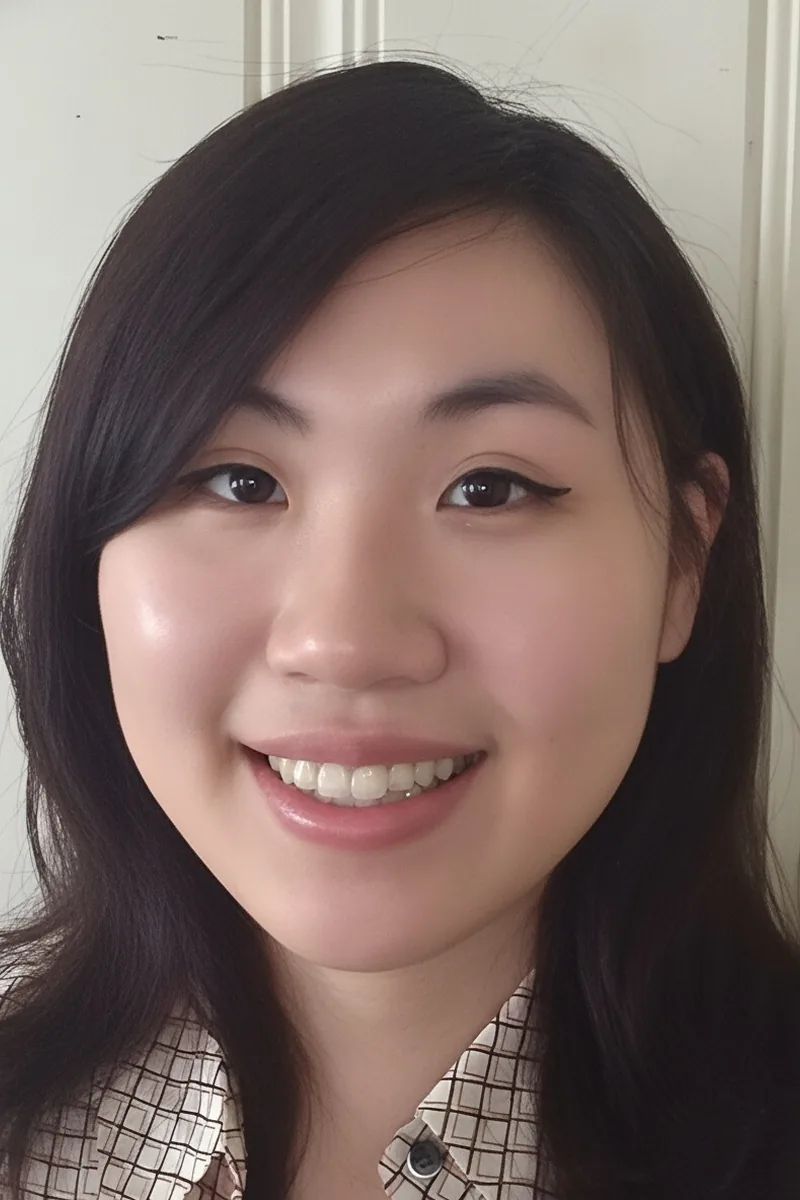
A molecular biology degree from UC Berkeley might seem unrelated to AP Chinese, but Caroline's background teaching Mandarin across four levels — plus her fluency in the language — means she knows how to bridge the gap between conversational Mandarin and the formal, academic register the exam's interpretive reading and listening sections demand. She's particularly effective at coaching students through the exam's interpersonal tasks, where her experience mentoring K-12 students in Oakland translates into patient, structured practice that builds confidence under timed conditions. Rated 5.0 by students.
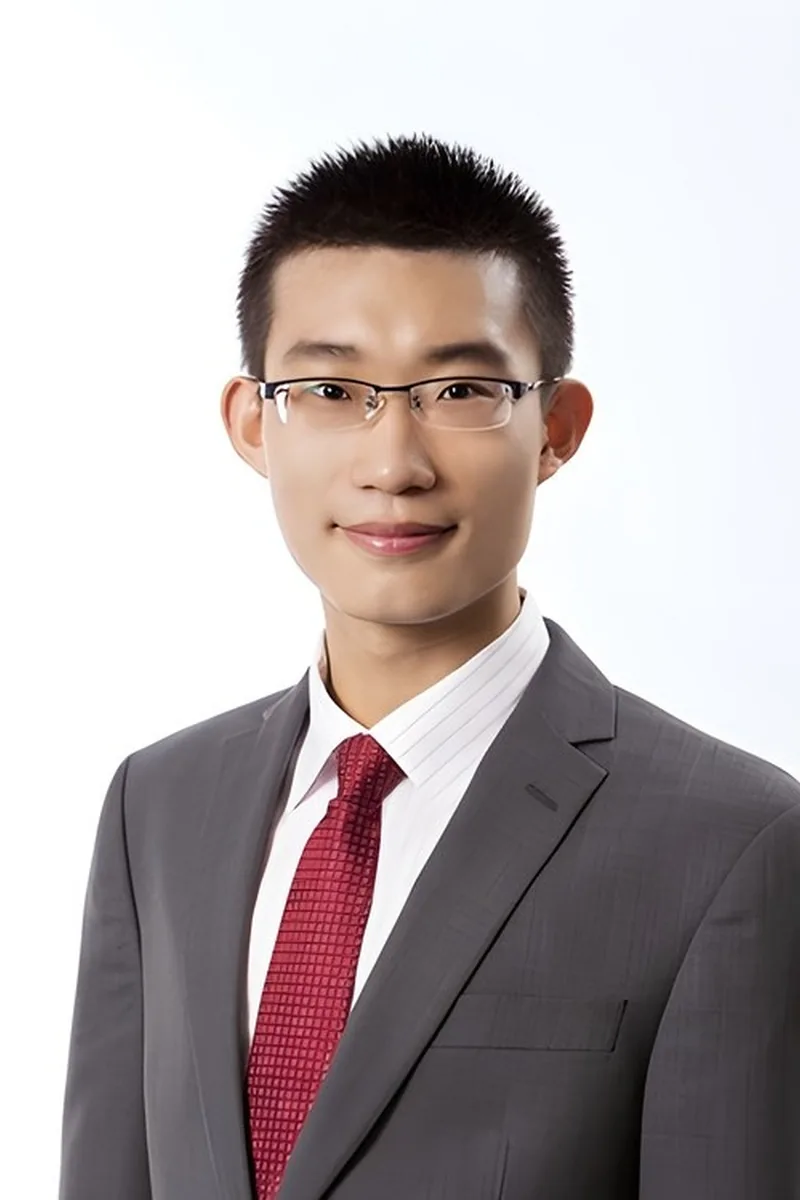
A native Mandarin speaker with undergraduate roots at Wuhan University — one of China's top ten — Albert brings an insider's grasp of the idiomatic phrasing, formal registers, and cultural references that the AP Chinese exam's interpersonal speaking and listening sections demand. His dual MBA training at UCLA and London Business School also means he can coach the presentational writing tasks with the kind of structured argumentation that earns top rubric scores.
The culture component of AP Chinese Language and Culture is where many students lose points — understanding idioms, social registers, and cultural practices well enough to respond authentically under timed conditions. Jiahao's graduate training in interpretation at Beijing Foreign Studies University was built around exactly this kind of cross-cultural fluency, and he brings that depth to every practice prompt and free-response drill.
Ten years teaching Mandarin in public schools — from absolute beginners through AP — means Paulkey has watched hundreds of students hit the same walls on the AP Chinese exam, especially the interpersonal response tasks where students freeze up trying to produce spontaneous, culturally appropriate Mandarin in real time. He pairs that classroom experience with a computer science background that makes his prep unusually structured: timed drills, systematic vocabulary review, and targeted practice on the listening comprehension passages that reward quick processing over perfect translation.
A literature degree paired with fluency in both Mandarin and Cantonese gives Bronwen an unusual edge on the AP Chinese exam's interpretive reading section, where students encounter texts that demand literary analysis skills — not just language ability. She teaches across all four Mandarin levels and scored 1530 on the SAT, reflecting the kind of close-reading discipline she brings to coaching students through the exam's densest written passages. Rated 5.0 by students.
After a decade teaching middle schoolers in a Chinese immersion school in California, Ruth knows exactly where students' spoken Mandarin starts to buckle under the pressure of timed AP tasks — especially the presentational speaking prompts that demand formal structure and clear tonal precision on the fly. She also taught History and Theater entirely in Chinese, which means her students get exposure to the kind of cross-disciplinary cultural vocabulary that the exam's reading and listening passages actually test. Rated 5.0 by students.
Scoring well on the AP Chinese exam means toggling between reading comprehension, cultural knowledge, and spontaneous speaking — all in one test. Nicole is fluent in both Mandarin and Cantonese and teaches students to navigate the interpersonal and presentational communication tasks the exam demands. She puts particular emphasis on the cultural comparison essay, where strong structure makes all the difference.
The AP Chinese Language and Culture exam tests far more than vocabulary — it demands cultural literacy and the ability to switch between interpersonal, interpretive, and presentational communication modes. As a fluent Mandarin speaker with a science-trained discipline for systematic preparation, Jing tackles each section's unique format so students know exactly what the exam expects.
Beyond typical classroom exposure, Cynthia pursued Chinese seriously enough to earn a university minor in the language, which means she's comfortable with the reading comprehension, listening, and cultural knowledge components the AP exam tests. She walks students through strategies for the interpersonal and presentational speaking tasks, where scoring well depends on fluid responses and appropriate use of idiomatic expressions.
I'm Jay! I'm currently going to college at the University of Texas at Austin. I am majoring in fine arts and I am also in the pre-medical program. Even though I'm not done with college, I have already published papers in the field of epigenetics since my freshmen year of college. Even though I consider myself to have an expertise in languages, I decided to teach areas in the field of natural sciences because those are the subjects that I am most passionate about.
Having tutored the SAT Subject Test in Chinese with Listening and spent time working in Hong Kong, Asta understands both the linguistic and cultural dimensions the AP Chinese exam tests. She digs into the presentational writing and interpersonal speaking tasks that trip up even heritage speakers, breaking down how to structure responses that earn top marks on the rubric.
Few AP Chinese tutors can match Chang's combination: he's a native-level Mandarin speaker who has taught the language professionally to Pentagon and State Department employees, university professors, and traditional students alike. He drills the presentational and interpersonal communication tasks the exam requires — story narration, cultural comparison essays, and conversation responses — with attention to the tonal precision and idiomatic phrasing that separate a 4 from a 5. His deep knowledge of Chinese culture also strengthens students' performance on the cultural awareness components.
Because Karen teaches both traditional and simplified characters — and has tutored business Chinese alongside academic prep — her AP Chinese students get comfortable with the full range of written forms and registers the exam throws at them, from formal presentational writing to the interpretive reading passages that mix literary and contemporary styles. As a native Mandarin speaker with direct experience preparing students for the AP level, she zeroes in on the tonal precision and grammatical control that separate a 4 from a 5.
Testimonials
Because the right AP Chinese Language and Culture tutor makes all the difference.
Average Session Rating – Based on 3.4M Learner Ratings
Nearby AP Chinese Language and Culture Tutors
Other Riverside Tutors
Related Languages Tutors in Riverside
Frequently Asked Questions
The AP Chinese Language and Culture exam tests proficiency across five key areas: listening, reading, writing, speaking, and cultural knowledge. The exam includes multiple-choice sections for listening and reading comprehension, a free-response writing section, and a speaking portion where you'll record responses to prompts. You'll be expected to demonstrate intermediate-high to advanced proficiency in Mandarin Chinese, with questions drawing from authentic materials like news articles, advertisements, emails, and cultural texts.
AP scores range from 1-5, with a 3 considered passing and qualifying for college credit at most institutions. A score of 4 or 5 demonstrates strong proficiency and typically earns more college credit. Your target score depends on your college goals and current Chinese proficiency level—many students improve by 1-2 score points with focused preparation and consistent practice on all five skill areas.
Many students struggle with the speaking section, where you must respond naturally to prompts in real-time without preparation time. The reading comprehension section is challenging because authentic materials use complex vocabulary and cultural references that go beyond textbook Chinese. Time management is another common issue—balancing all five skill areas while maintaining fluency requires strategic study. Additionally, students often find the cultural component difficult because it requires knowledge beyond language mechanics, including contemporary Chinese society and traditions.
Most students benefit from 3-6 months of focused preparation, though this depends on your current proficiency level and how much Chinese you've studied. If you're starting from an intermediate level, beginning preparation in January or February for a May exam gives you solid time to strengthen weak areas and practice test-taking strategies. Consistent weekly practice—including listening to authentic materials, writing essays, and recording speaking responses—is more effective than cramming, as language skills develop gradually through repeated exposure and practice.
The speaking section intimidates many students because it feels high-stakes and unforgiving, but regular practice with authentic prompts significantly reduces anxiety. Recording yourself speaking and listening back helps you identify pronunciation issues and awkward phrasing in a low-pressure environment. Working with a tutor who can provide immediate feedback on your speaking, model natural responses, and help you develop strategies for thinking on your feet builds both confidence and actual proficiency. The more you practice responding to varied prompts, the more comfortable you'll feel during the actual exam.
A tutor can provide personalized 1-on-1 instruction tailored to your specific weak areas—whether that's listening comprehension, writing essays in Chinese, or speaking fluently. Tutors can conduct mock speaking exams, review your writing with detailed feedback, and teach you test-taking strategies specific to AP Chinese, like how to approach reading passages with unfamiliar vocabulary or how to structure your free-response essays. They can also help you understand cultural nuances that appear on the exam and create a study schedule that balances all five skill areas so you're not cramming any one section.
The College Board provides official AP Chinese practice exams and sample questions on their website—these are essential because they show the exact format and difficulty level you'll face. Beyond that, authentic materials like Chinese news websites (CCTV, Xinhua), podcasts, and social media accounts help you encounter real-world language and cultural content. Your tutor can recommend targeted resources for your specific weak areas and help you use practice materials strategically rather than just working through them passively. Regular practice tests under timed conditions help you develop pacing skills and identify which sections need the most attention.
Varsity Tutors connects you with expert Chinese tutors who understand the AP exam format and can tailor instruction to your proficiency level and goals. During your first session, your tutor will assess your current skills across all five areas, discuss your target score, and create a personalized study plan. From there, you'll work through targeted practice, receive feedback on speaking and writing, and build the confidence and skills needed to excel on test day.
Let’s find your perfect tutor
Answer a few quick questions. We’ll recommend the right plan and match you with a top 5% tutor.