Award-Winning AP Chinese Language and Culture Tutors
serving Mission Viejo, CA
AP Chinese Language and Culture
Tutors in Mission Viejo
Private 1-on-1 tutoring, weekly live classes for academic support, test prep & enrichment, practice tests and diagnostics, and more to elevate grades and test scores.
Based on 3.4M Learner Ratings
UniversitiesSchools & Universities
DeliveredHours Delivered
ProficiencyGrowth in Proficiency
Who needs tutoring?
No obligation. Takes ~1 minute.
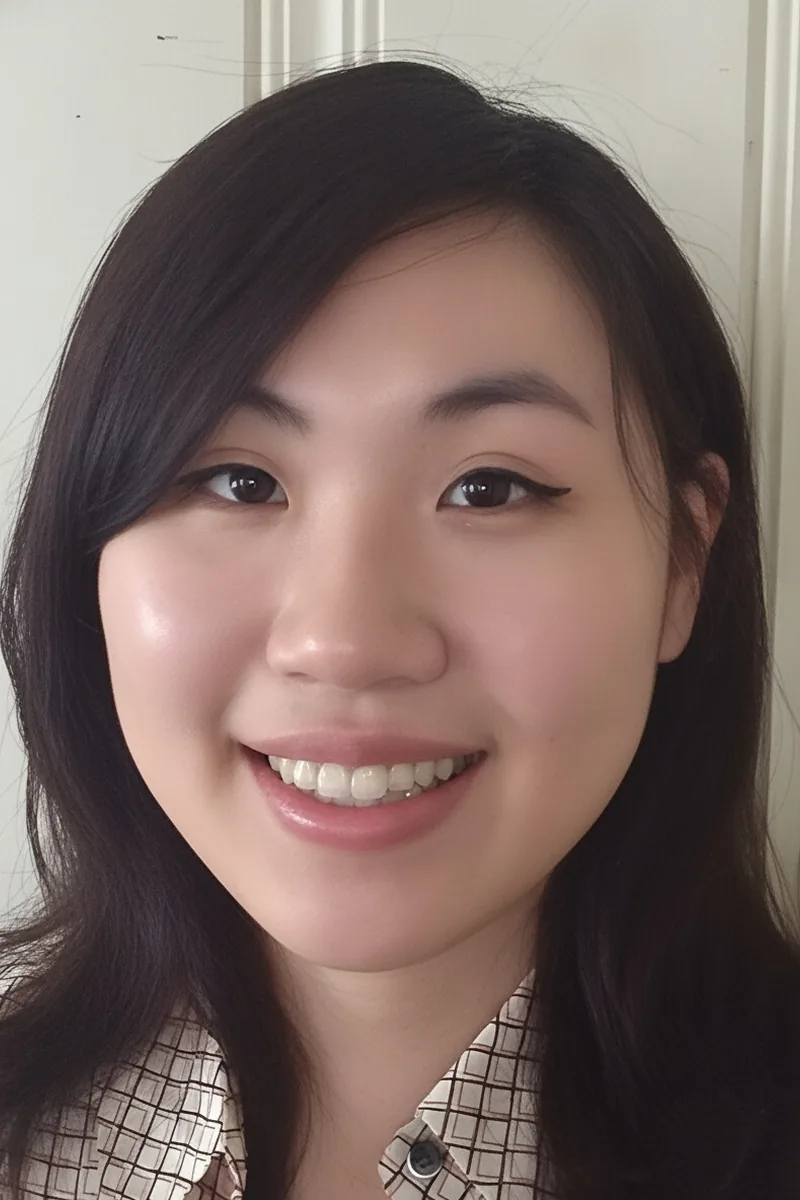
A molecular biology degree from UC Berkeley might seem unrelated to AP Chinese, but Caroline's background teaching Mandarin across four levels — plus her fluency in the language — means she knows how to bridge the gap between conversational Mandarin and the formal, academic register the exam's interpretive reading and listening sections demand. She's particularly effective at coaching students through the exam's interpersonal tasks, where her experience mentoring K-12 students in Oakland translates into patient, structured practice that builds confidence under timed conditions. Rated 5.0 by students.
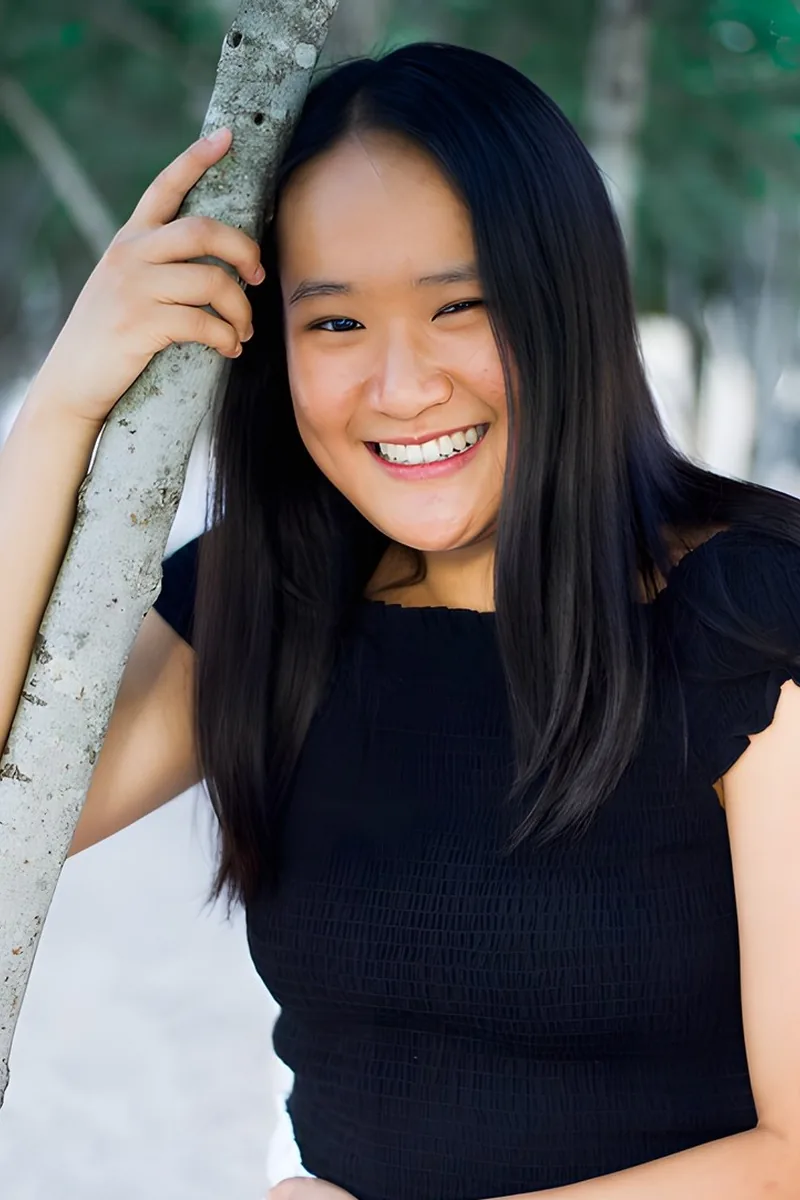
Eileen scored well enough on the SAT Subject Test in Chinese with Listening to understand both the language mechanics and the test strategy behind AP Chinese. She tackles the interpersonal and presentational communication tasks by drilling real conversational patterns and teaching students how to structure spoken and written responses under timed conditions.
The AP Chinese Language and Culture exam tests more than vocabulary — it requires students to compare cultural practices, narrate stories in real time, and write structured responses under pressure. Yiyu, educated in Beijing before earning her M.S. in Education, unpacks the cultural knowledge embedded in each task type and drills the specific speaking and writing patterns that earn top scores.
Because Karen teaches both traditional and simplified characters — and has tutored business Chinese alongside academic prep — her AP Chinese students get comfortable with the full range of written forms and registers the exam throws at them, from formal presentational writing to the interpretive reading passages that mix literary and contemporary styles. As a native Mandarin speaker with direct experience preparing students for the AP level, she zeroes in on the tonal precision and grammatical control that separate a 4 from a 5.
The AP Chinese exam tests far more than vocabulary recall — it demands cultural knowledge, formal register in writing, and the ability to compare Chinese and American perspectives in presentational speaking. Daniel, who has studied Mandarin through advanced levels, breaks down each exam section so students know exactly what the graders are looking for in their responses.
Having studied French through level 4 and Mandarin Chinese across multiple levels, Noah approaches AP Chinese prep as someone who understands the mechanics of learning tonal languages from the inside — particularly the listening comprehension sections where untrained ears miss contextual shifts in rapid spoken Mandarin. His actuarial science training also lends an unusually methodical structure to exam prep, breaking the cultural comparison essays into scoreable components so students know exactly what earns points.
The cultural component of AP Chinese Language and Culture trips up students who only study vocabulary lists — the exam expects nuanced comparisons between Chinese and American cultural practices, from family structures to educational values. Li connects language instruction to these cultural contexts, drawing on her own bicultural academic experience across speech science and medicine.
Fifteen years growing up in Taiwan gave James native-level Mandarin and the kind of deep cultural intuition that's hard to teach from a textbook — especially useful for the AP exam's interpersonal speaking prompts, where natural tone, register, and cultural awareness separate top scores. He also tutors across five levels of Mandarin, so he can quickly pinpoint whether a student's struggle is grammatical, vocabulary-based, or rooted in unfamiliarity with formal written Chinese. Rated 5.0 by students.
Xiansheng's cellular and molecular biology degree might seem like an odd fit here, but he teaches across five levels of Mandarin Chinese and scored 1450 on the SAT — the analytical rigor carries over directly to coaching the AP exam's interpretive reading section, where students must parse dense, formal Mandarin and extract meaning under strict time limits. He's especially useful for students whose conversational Mandarin is solid but who stumble on the written exam components that demand precise character recognition and grammatical accuracy. Rated 4.7 by students.
With an economics degree and fluency across four levels of Mandarin Chinese, Alexander brings a practical, content-rich angle to AP Chinese prep — particularly the interpretive listening passages, where students need to process real-world topics like trade, policy, and social trends discussed in rapid, formal Mandarin. He also tackles the exam's cultural comparison essays by drawing on his cross-cultural academic background to teach students how to move beyond surface-level observations and anchor their responses in specific, substantive examples.
Charles speaks both Cantonese and Mandarin and teaches across all four Mandarin Chinese levels, which means he can pinpoint exactly where a student's tonal accuracy or grammatical structure needs tightening before exam day. His strongest contribution to AP Chinese prep is the interpersonal response tasks — he runs rapid-fire conversational drills that build the kind of spontaneous, register-appropriate Mandarin the exam scores highest.
Jess studies public policy and peace, war, and defense at UNC Chapel Hill — a program steeped in the kind of geopolitical and diplomatic context that gives AP Chinese cultural comparison essays real substance instead of generic observations. She speaks Mandarin conversationally and teaches it across multiple levels, so she can coach students on bridging the gap between everyday spoken Chinese and the formal presentational writing register the exam actually scores.
Melody teaches Mandarin Chinese and is currently studying at Columbia, where her coursework in AP Chinese Language and Culture aligns closely with the exam's cultural comparison prompts — the section where students need to articulate specific, nuanced differences between Chinese and American practices rather than recite generalities. Her 4.9 rating from students speaks to her ability to break down both the interpretive listening tasks and the presentational speaking prompts, where tonal clarity and organized delivery under timed pressure make the difference.
Testimonials
Because the right AP Chinese Language and Culture tutor makes all the difference.
Average Session Rating – Based on 3.4M Learner Ratings
Nearby AP Chinese Language and Culture Tutors
Other Mission Viejo Tutors
Related Languages Tutors in Mission Viejo
Frequently Asked Questions
The AP Chinese Language and Culture exam tests proficiency across three modes of communication: interpersonal (conversations and discussions), interpretive (reading and listening comprehension), and presentational (speaking and writing). The exam includes multiple-choice sections for listening and reading comprehension, as well as free-response sections where you'll record spoken responses and write essays. Success requires strong command of Mandarin Chinese vocabulary, grammar, cultural knowledge, and the ability to communicate fluently across different contexts.
Most students benefit from 6-12 months of focused preparation, though this varies based on your starting proficiency level and prior Chinese study. If you're already taking AP Chinese as a course in one of Mission Viejo's schools, you'll have classroom instruction to build on, but personalized tutoring can accelerate your progress by targeting your specific weak areas—whether that's tonal accuracy, reading speed, or cultural essay writing. Consistent practice with native speakers and exposure to authentic materials significantly improves fluency and test performance.
Many students struggle with the listening comprehension section, where audio plays at natural native-speaker speed with no repetition—this requires extensive exposure to authentic Chinese media and conversation practice. The presentational speaking section also challenges students who haven't practiced recording themselves under timed conditions. Additionally, the cultural knowledge component requires familiarity with contemporary Chinese society, history, and traditions beyond just language mechanics, which many students underestimate.
Personalized 1-on-1 instruction allows tutors to identify your specific gaps—whether you need help with tonal pronunciation, reading comprehension speed, essay structure, or cultural context—and design a study plan around those areas. Tutors can conduct mock conversations at natural speed, provide real-time feedback on your speaking and writing, and help you understand question formats and timing strategies specific to the AP exam. This targeted approach is far more efficient than general classroom instruction, especially for students juggling multiple AP courses.
For listening comprehension, immerse yourself in authentic Chinese content—podcasts, news broadcasts, and films—and practice listening without transcripts before reviewing answers. For reading, work through released AP exam passages under timed conditions to build speed and accuracy. For speaking, record yourself responding to prompt questions and compare your pronunciation and fluency to native speaker models. For writing, practice essay formats regularly with feedback on grammar, tone, and cultural appropriateness. A tutor can guide you through each section's unique demands and help you develop a realistic practice schedule that balances all four skills.
Score improvement depends on your starting point and commitment level, but students who work with tutors typically see gains of 1-3 points on the AP 5-point scale within 3-6 months of consistent preparation. Students who begin tutoring earlier in their Chinese studies and practice actively between sessions see the most significant improvements. The key is identifying weak areas early—whether that's listening speed, writing accuracy, or cultural knowledge—and addressing them systematically rather than trying to improve everything at once.
Varsity Tutors connects you with expert tutors for students in Mission Viejo who specialize in AP Chinese Language and Culture and understand the specific demands of the exam. You can specify your goals—whether you're aiming for a 4 or 5, need help with a particular section, or want to build conversational fluency—and get matched with a tutor whose expertise aligns with your needs. Many tutors are native or near-native Chinese speakers with experience preparing students for the AP exam.
Cultural knowledge is essential and accounts for a significant portion of the exam, particularly in the reading and writing sections where questions ask you to analyze Chinese cultural practices, historical events, and contemporary issues. The exam expects you to understand not just the language, but the context in which it's used—from traditional customs to modern Chinese society. Tutors can help you build this knowledge systematically by discussing authentic cultural materials, current events in Chinese-speaking regions, and historical references that frequently appear on the exam.
Let’s find your perfect tutor
Answer a few quick questions. We’ll recommend the right plan and match you with a top 5% tutor.