Award-Winning Microbiology Tutors
serving Moreno Valley, CA
Microbiology
Tutors in Moreno Valley
Private 1-on-1 tutoring, weekly live classes for academic support, test prep & enrichment, practice tests and diagnostics, and more to elevate grades and test scores.
Based on 3.4M Learner Ratings
UniversitiesSchools & Universities
DeliveredHours Delivered
ProficiencyGrowth in Proficiency
Who needs tutoring?
No obligation. Takes ~1 minute.
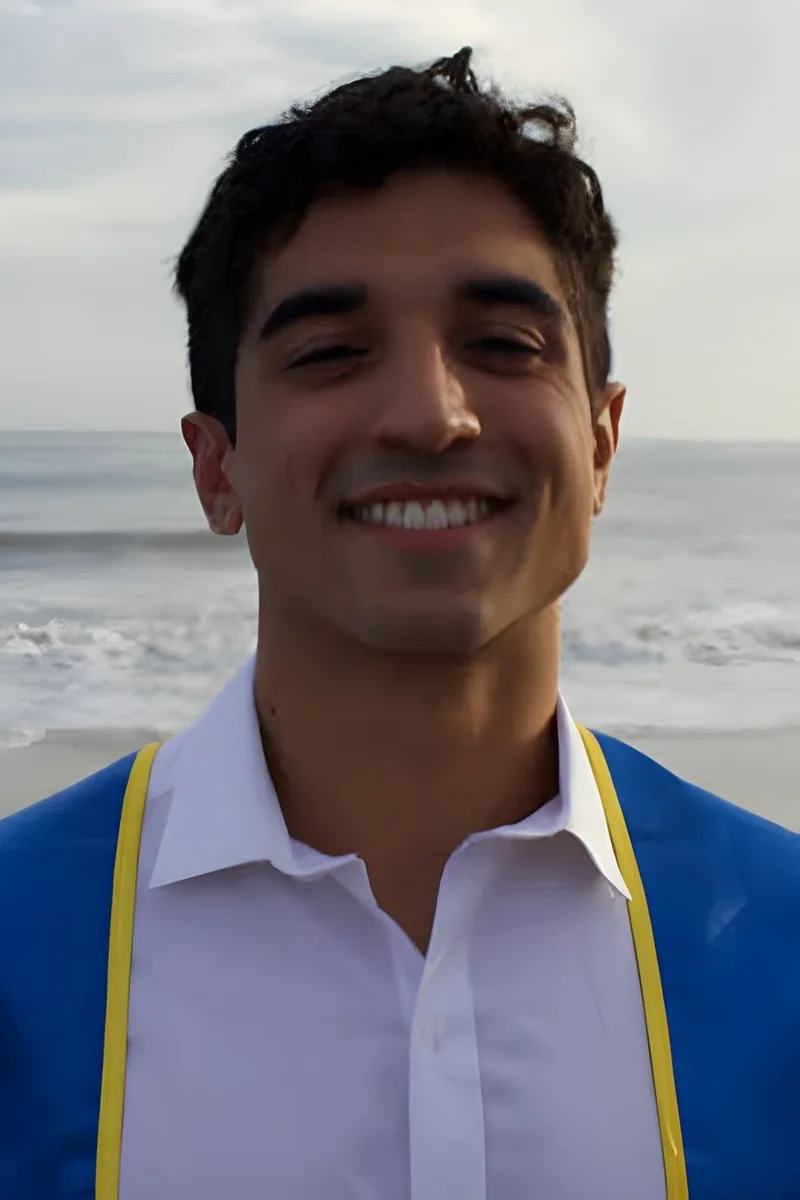
Kevin's honors biology degree from UC Santa Barbara included deep work with microbial systems — bacterial cell structure, metabolic pathways, and the mechanisms behind antibiotic resistance. He unpacks dense topics like gram staining protocols, viral replication cycles, and microbial genetics by connecting each process to its clinical or environmental significance. For pre-med students especially, he knows exactly which concepts carry forward into pathology and pharmacology.
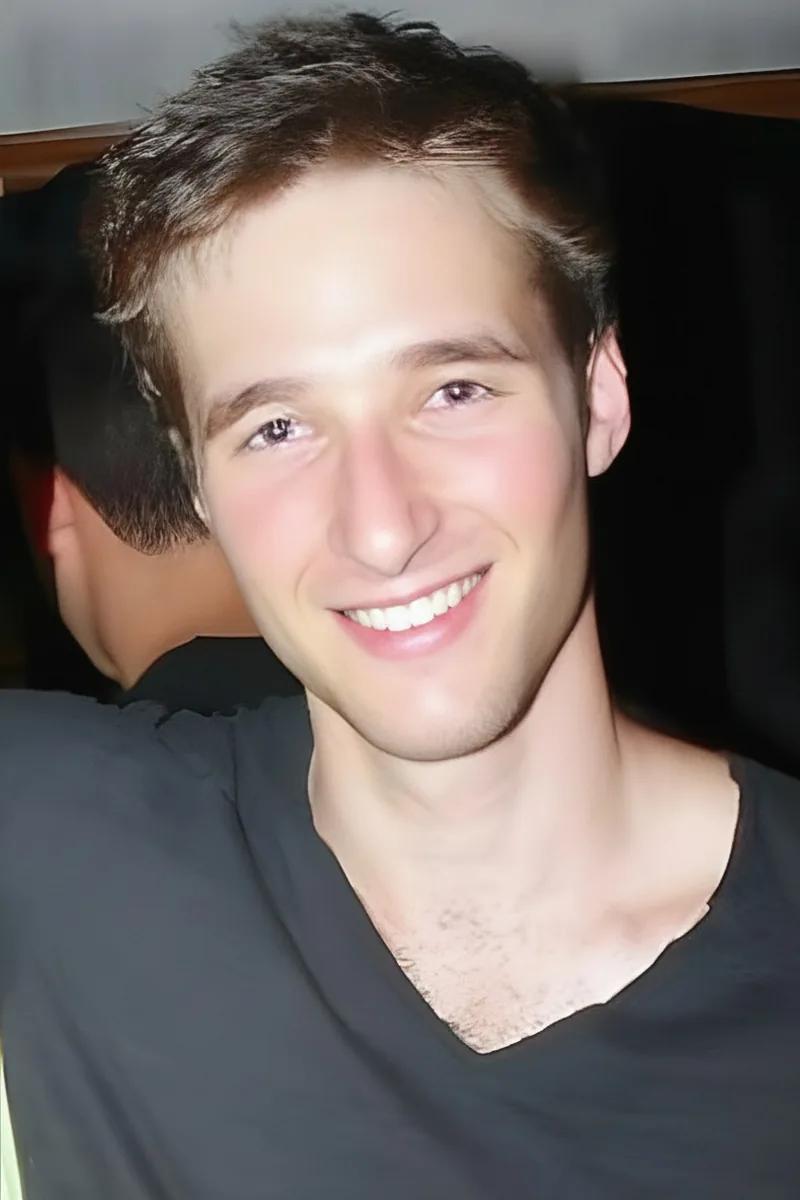
The trick with microbiology is that it sits at the intersection of biology, chemistry, and physics — and Nicholas actually teaches all three, which means he can trace a concept like bacterial membrane transport from the biological function down to the thermodynamics and chemical gradients driving it. His biology degree gave him the core training in cell structure and microbial physiology, while his physical chemistry and organic chemistry background lets him explain mechanisms like cell wall synthesis or metabolic pathways at the molecular level where they actually make sense.
Having completed his biology degree at UCLA with coursework in cell biology and physiology, Nathan can trace microbial processes — like how opportunistic pathogens exploit immune gaps or how metabolic differences between aerobic and anaerobic bacteria shape infection outcomes — back to the underlying biology. He also teaches anatomy, physiology, and nutrition, so he naturally frames microorganisms in terms of the body systems they colonize and disrupt.
Pre-med preparation means Fady has spent real time with the microbial world — learning how pathogens cause disease, how the immune system responds, and how microbial physiology ties into the bigger picture of human health. His biology degree and parallel coursework in anatomy, physiology, and chemistry let him trace concepts like bacterial structure and infection mechanisms back to the underlying science rather than treating them as disconnected vocabulary lists.
Monika's doctoral thesis was in microbiology, so she teaches bacterial physiology, metabolic pathways, and host-pathogen interactions from firsthand research experience. She unpacks dense topics like quorum sensing and biofilm formation by connecting them to the experimental techniques she actually used at the bench.
Between his biochemistry degree from Rice and his medical school training, Sanjay has spent years immersed in the microbial world — bacterial cell structure, pathogenic mechanisms, antimicrobial resistance, and the metabolic pathways that distinguish different organisms. He connects microbiology concepts to clinical scenarios, which makes memorizing genera, gram stain results, and virulence factors far more intuitive.
Medical school gave Amanda a front-row seat to microbiology that matters — bacterial pathogenesis, viral replication cycles, immune evasion strategies, and antimicrobial resistance. She teaches microbiology by organizing organisms around the mechanisms that make them dangerous or clinically important, which turns a subject that can feel like pure memorization into a set of logical patterns. Students preparing for exams or applying to health professions get a tutor who knows exactly how this material shows up later.
Jean's medical training at Harvard Medical School gave her deep familiarity with the microbiology that matters most: bacterial pathogenesis, viral replication cycles, immune evasion strategies, and antimicrobial resistance. She breaks down complex host-pathogen interactions by tying them to clinical scenarios, which makes the material stick far better than rote memorization of genus and species lists.
Anurag studied microbiology as part of his biology degree at VCU and reinforced that knowledge as a Cell Biology and Genetics preceptor, where bacterial cell structure, metabolic pathways, and microbial genetics came up constantly. He unpacks dense topics like gram staining mechanisms, viral replication cycles, and antibiotic resistance by connecting them to the underlying cell biology that makes each process logical.
Understanding microbiology means keeping dozens of organisms, metabolic pathways, and virulence mechanisms straight — and knowing when the differences actually matter. Jonathan's human biology training and pre-med preparation at Cornell gave him a clinical lens for bacterial genetics, host-pathogen interactions, and antimicrobial resistance that makes the material more intuitive than rote flashcard review.
Emily studied molecular, cellular, and developmental biology at Yale and then earned her MPH in epidemiology, giving her a dual lens on microbiology — she knows the bench science of bacterial genetics and viral replication cycles, and she understands how those organisms behave in populations. She digs into topics like gram staining, metabolic pathways, and host-pathogen interactions with the detail a college-level course demands.
This is Brian's home turf. As a PhD microbiologist and associate professor of the subject at Collin County Community College, he unpacks everything from bacterial gene expression and metabolic pathways to virology and immunological responses with the specificity that upper-level coursework demands. Students get someone who reads the primary literature daily and can translate it into clear, testable understanding.
Keeping bacterial classification, virulence factors, and immune evasion strategies straight requires a system, not just flashcards. As a medical student at the Medical College of Wisconsin, Abrahim deals with microbiology in a clinical context daily — he teaches students to organize pathogens by mechanism of action and host response, which makes exam recall far more reliable.
Richard's PhD research at Northwestern is in microbiology, which means he's not teaching this subject from a textbook — he's living it. He digs into topics like bacterial pathogenesis, microbial genetics, and host-immune interactions with the kind of detail that comes from years at the bench. Students preparing for exams or struggling with lab reports get someone who can connect microscopic mechanisms to the bigger public health picture.
As a biology major at Boston College, Andrew's coursework in cell biology and lab science gave him hands-on experience with the microbial world — bacterial structure, growth dynamics, and the metabolic differences that determine how organisms thrive in different environments. His parallel study of chemistry strengthens how he explains topics like cell membrane function and nutrient uptake at the molecular level, turning dense material into something students can actually reason through. Rated 5.0 by students.
Between her molecular biology degree and her current biomedical science graduate program, Sierra has spent years working with bacterial physiology, microbial genetics, and host-pathogen interactions. She explains dense topics like gram staining protocols, metabolic pathways, and antimicrobial resistance mechanisms by tying them back to real clinical and research scenarios that make the material stick.
Testimonials
Because the right Microbiology tutor makes all the difference.
Average Session Rating – Based on 3.4M Learner Ratings
Nearby Microbiology Tutors
Other Moreno Valley Tutors
Related Science Tutors in Moreno Valley
Frequently Asked Questions
Varsity Tutors matches Moreno Valley students with expert Microbiology tutors for 1-on-1 instruction. We pair each student with a tutor based on their specific needs, learning style, and goals.
Whether you need homework help, exam prep, or want to get ahead, our Microbiology tutors are ready to help.
Common challenges include gaps from earlier material, difficulty with specific concepts, and trouble applying learning to new problems. These issues can snowball quickly in Microbiology.
A tutor identifies where you're stuck, fills in gaps, and provides targeted practice. The 1-on-1 format means you get help exactly where you need it.
Tutors work with your student's actual coursework—homework assignments, class notes, and upcoming tests. This keeps tutoring directly relevant to what's happening in the classroom.
When you share information about your student's school and curriculum, we can match you with a tutor who has relevant experience.
All tutors complete background checks, credential verification, and teaching evaluation. Many of our Microbiology tutors hold advanced degrees or have years of teaching experience.
You can review tutor profiles to find someone with the right background for your student's level and needs.
Many students see improved grades within a few weeks, along with better understanding of Microbiology concepts and more confidence tackling challenging material.
Tutors track progress and adjust their approach to ensure continued improvement.
Most students benefit from 1-2 sessions per week. More frequent sessions help if your student is significantly behind or has an important exam coming up.
Your tutor can recommend a schedule based on your student's specific situation and goals.
Tutoring is purchased in packages of hours, with rates varying by tutor experience. Varsity Tutors offers several options to fit different budgets and needs.
You can discuss pricing during your consultation to find what works best.
Your tutor will assess where your student is, discuss goals, and start working on priority areas. Most students bring current homework or upcoming test material to focus on.
By the end, you'll have a clear sense of how the tutor can help and a plan for moving forward.
Let’s find your perfect tutor
Answer a few quick questions. We’ll recommend the right plan and match you with a top 5% tutor.