Award-Winning Spanish Tutors
serving Chesapeake, VA
Spanish
Tutors in Chesapeake
Private 1-on-1 tutoring, weekly live classes for academic support, test prep & enrichment, practice tests and diagnostics, and more to elevate grades and test scores.
Based on 3.4M Learner Ratings
UniversitiesSchools & Universities
DeliveredHours Delivered
ProficiencyGrowth in Proficiency
Who needs tutoring?
No obligation. Takes ~1 minute.

Medical school demands absorbing massive amounts of terminology rooted in Latin and Greek — and that same root-awareness is exactly what Bhumi brings to Spanish vocabulary and grammar. She connects unfamiliar words to their Latin origins, which makes retention faster for students who've been struggling with flashcard-based memorization. Her biology and pre-med background also means she's practiced at breaking complex systems into learnable chunks, whether it's cellular pathways or the subjunctive mood.
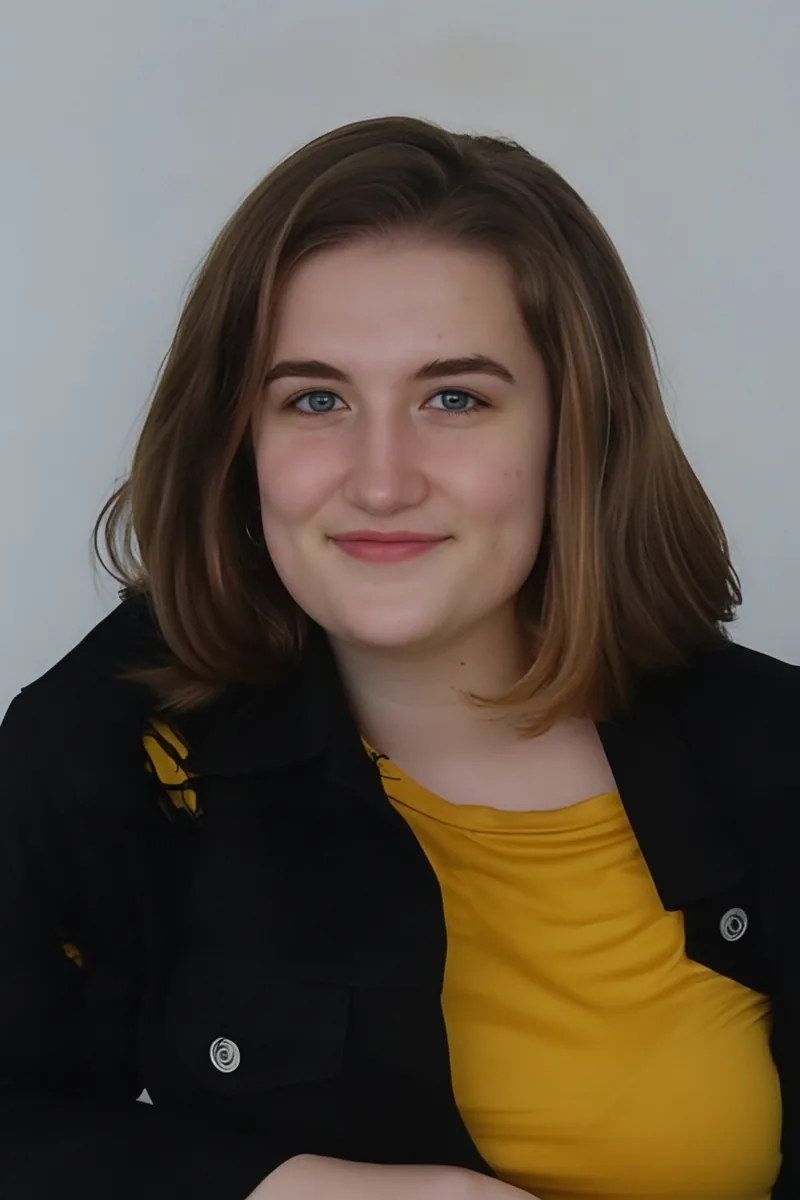
Emma's Spanish studies extend through the advanced level, covering complex grammar like the subjunctive mood, compound tenses, and nuanced vocabulary for reading and writing. She explains tricky conjugation patterns and sentence structures with the same systematic logic she brings to her engineering coursework, which tends to resonate with students who want rules they can rely on.
I am a graduate of Tufts University. I received my Bachelor of Arts in English as well as a minor in History. Since graduation, I have worked as a 7th grade Reading Language Arts teacher in Dallas Texas at a newly formed public all boys school. This has provided me with great experience and insight into how students best learn and how to create culturally responsive lessons that students will engage with. I am most passionate about English, Literature, History, and Spanish. In my experience, working to prepare students for state standardized tests has had the additional benefit of helping students to discover what they enjoy reading about. This increase in intrinsic motivation to read has had an important impact on struggling students. I am dedicated towards ensuring that students are provided with an education that increases their quality of life.
Stephanie's linguistics background — particularly in phonetics and syntax — gives her a structural understanding of Spanish that goes beyond vocabulary lists and verb conjugation charts. She teaches students to recognize patterns across tenses and moods, so concepts like the subjunctive stop feeling arbitrary and start making sense. Rated 5.0 by students.
Conjugation charts only get a student so far — real Spanish fluency comes from understanding when to use the subjunctive versus the indicative, or why "ser" and "estar" aren't interchangeable. Samantha teaches across Spanish 1 through 4, which means she can pinpoint exactly where a gap started and build from there. She also incorporates reading and conversation practice so grammar rules stick in context, not just on worksheets.
Armando teaches Spanish across multiple levels, from foundational conjugation and vocabulary through advanced conversational fluency. His approach emphasizes actually using the language — constructing sentences, responding in real time, and internalizing verb forms through context rather than rote charts. Students rate him 5.0.
Having studied Spanish through advanced levels, Andrew covers everything from verb conjugation patterns and pronoun placement to reading comprehension and written composition. He's particularly effective at unpacking tricky grammar concepts like the subjunctive mood by connecting rules to the logic behind them. His structured, patient approach makes Spanish feel less like memorization and more like problem-solving.
Jessica's Latin American and Iberian Studies minor at the University of Richmond took her to Spain and Brazil, where she used Spanish outside the classroom in daily life and professional settings. That real-world immersion sharpens how she teaches reading comprehension and written composition — she draws on authentic texts and cultural context to make vocabulary and sentence structure feel purposeful rather than abstract.
Amanda is actively studying Spanish as part of her college degree, which means she's immersed in the language daily — from conjugating subjunctive verbs to reading Spanish-language texts. That real-time fluency translates into tutoring sessions where vocabulary and grammar feel like living communication, not just worksheet exercises. She builds lessons around practical conversation and cultural context to make the language stick.
Hola! I'm originally from Costa Rica and I've been living in the US for 20 years. I can't wait to help you improve your Spanish language skills so you can love this language as much as I do. I promise you that we'll have fun while learning. Having a 7 year old girl helps me understand kids better. But I also enjoy the chance of assisting teenagers and adults with their Spanish assignments.
I am a graduate of James Madison University. I double majored in English Literature and Arabic. In college, I started tutoring students of all ages. I assisted them in various areas of study, including essay and Arabic grammar. After college, I worked at a refugee center with children of immigrants. I helped them to adjust to a new environment, while simultaneously adapting to the public school curriculum. I am also a certified ESL/TESOL teacher and have experience teaching groups of students as well as providing individual lessons.
Teaching high school students in Vietnam gave Alyssa firsthand experience communicating across language barriers and building comfort with imperfect fluency. She applies that same patience to Spanish, tackling verb conjugation patterns, pronoun usage, and sentence construction in ways that build real conversational and written confidence at the Spanish 2 level and beyond.
Mica teaches Spanish across four levels, from foundational conjugation and noun-adjective agreement through advanced grammar like the subjunctive mood and complex sentence structures. Her analytical background at Stanford carries over into how she breaks down tricky verb tenses — she treats grammar rules as logical systems rather than lists to memorize.
Diana's TESOL training gave her deep expertise in how languages are structured and acquired, which she applies directly to Spanish instruction. She breaks down verb conjugation patterns, pronoun placement, and sentence-building in ways that make the grammar feel logical rather than arbitrary. Students in Spanish 1 or 2 especially benefit from her ability to explain why the language works the way it does.
Though French is Daniel's primary language specialty, his experience with Romance language grammar gives him a practical framework for teaching Spanish fundamentals like ser vs. estar, preterite vs. imperfect, and pronoun placement. He approaches Spanish 1-level concepts by drawing parallels between the two languages, which accelerates pattern recognition for students.
Tutoring at a bilingual orphanage in Peru gave Priscilla hands-on experience teaching in Spanish outside a classroom setting, where clear communication mattered more than perfect textbook answers. She channels that practical exposure into building students' confidence with vocabulary, reading comprehension, and everyday conversation skills.
Studying Philosophy, Politics & Economics means Bina spends her days parsing arguments, dissecting texts, and building structured cases — skills she applies directly to Spanish grammar, where understanding *why* a rule works (say, the logic behind ser versus estar) matters more than memorizing charts. Her background in law adds another layer: she treats sentence construction like building a legal argument, where every word has to be in the right place for the meaning to hold. Rated 5.0 by students.
Vivian's background is in music performance and standardized test prep, not Spanish — but her Juilliard training means she's wired to hear and reproduce precise patterns, a skill that transfers directly to mastering pronunciation, accent marks, and the rhythmic flow of spoken Spanish. She applies the same disciplined, repetition-based practice she uses in the practice room to lock in conjugation patterns and vocabulary retention.
Learning Spanish as a cognitive science student gave Adam an unusual advantage: he understands how the brain acquires a second language and uses that knowledge to make vocabulary and grammar stick faster. His Spanish minor at Rice covered everything from verb conjugation patterns to conversational fluency. Whether a student is wrestling with the subjunctive mood or building everyday speaking confidence, Adam tailors the approach to how they learn best.
Lucas teaches Spanish with an emphasis on building conversational confidence alongside grammatical structure — verb conjugations, pronoun placement, and sentence formation in real-world contexts. His experience with ESL learners gives him a sharp sense of how language acquisition actually works, which he applies in reverse when English speakers are tackling Spanish.
Moriah teaches Spanish at the intermediate and advanced levels, tackling tricky areas like subjunctive mood, preterite-vs-imperfect distinctions, and complex sentence construction. Her analytical approach — developed through a Cornell education and years of teaching — translates well to breaking down grammar rules that often feel arbitrary to English speakers. She connects new structures to patterns students already recognize, making conjugation tables and vocabulary retention far less painful.
Jake has tutored Spanish across multiple levels and speaks the language well enough to teach everything from verb conjugation patterns in the preterite and imperfect to reading comprehension strategies for literary passages. His approach emphasizes understanding the logic behind grammar rules so students can apply them flexibly, not just memorize charts.
James teaches Spanish at multiple levels, from foundational vocabulary and verb conjugations through more advanced work with subjunctive mood and reading comprehension. His background in multiple languages — including Latin and French — gives him a knack for explaining how Spanish grammar patterns connect to broader Romance language structures, which makes tricky concepts like ser vs. estar or preterite vs. imperfect click faster.
Testimonials
Because the right Spanish tutor makes all the difference.
Average Session Rating – Based on 3.4M Learner Ratings
Other Chesapeake Tutors
Related Languages Tutors in Chesapeake
Frequently Asked Questions
Varsity Tutors matches Chesapeake students with expert Spanish tutors for 1-on-1 instruction. We pair each student with a tutor based on their specific needs, learning style, and goals.
Whether you need homework help, exam prep, or want to get ahead, our Spanish tutors are ready to help.
Common challenges include gaps from earlier material, difficulty with specific concepts, and trouble applying learning to new problems. These issues can snowball quickly in Spanish.
A tutor identifies where you're stuck, fills in gaps, and provides targeted practice. The 1-on-1 format means you get help exactly where you need it.
Tutors work with your student's actual coursework—homework assignments, class notes, and upcoming tests. This keeps tutoring directly relevant to what's happening in the classroom.
When you share information about your student's school and curriculum, we can match you with a tutor who has relevant experience.
All tutors complete background checks, credential verification, and teaching evaluation. Many of our Spanish tutors hold advanced degrees or have years of teaching experience.
You can review tutor profiles to find someone with the right background for your student's level and needs.
Many students see improved grades within a few weeks, along with better understanding of Spanish concepts and more confidence tackling challenging material.
Tutors track progress and adjust their approach to ensure continued improvement.
Most students benefit from 1-2 sessions per week. More frequent sessions help if your student is significantly behind or has an important exam coming up.
Your tutor can recommend a schedule based on your student's specific situation and goals.
Tutoring is purchased in packages of hours, with rates varying by tutor experience. Varsity Tutors offers several options to fit different budgets and needs.
You can discuss pricing during your consultation to find what works best.
Your tutor will assess where your student is, discuss goals, and start working on priority areas. Most students bring current homework or upcoming test material to focus on.
By the end, you'll have a clear sense of how the tutor can help and a plan for moving forward.
Let’s find your perfect tutor
Answer a few quick questions. We’ll recommend the right plan and match you with a top 5% tutor.