Award-Winning Psychology Tutors
serving Thousand Oaks, CA
Psychology
Tutors in Thousand Oaks
Private 1-on-1 tutoring, weekly live classes for academic support, test prep & enrichment, practice tests and diagnostics, and more to elevate grades and test scores.
Based on 3.4M Learner Ratings
UniversitiesSchools & Universities
DeliveredHours Delivered
ProficiencyGrowth in Proficiency
Who needs tutoring?
No obligation. Takes ~1 minute.
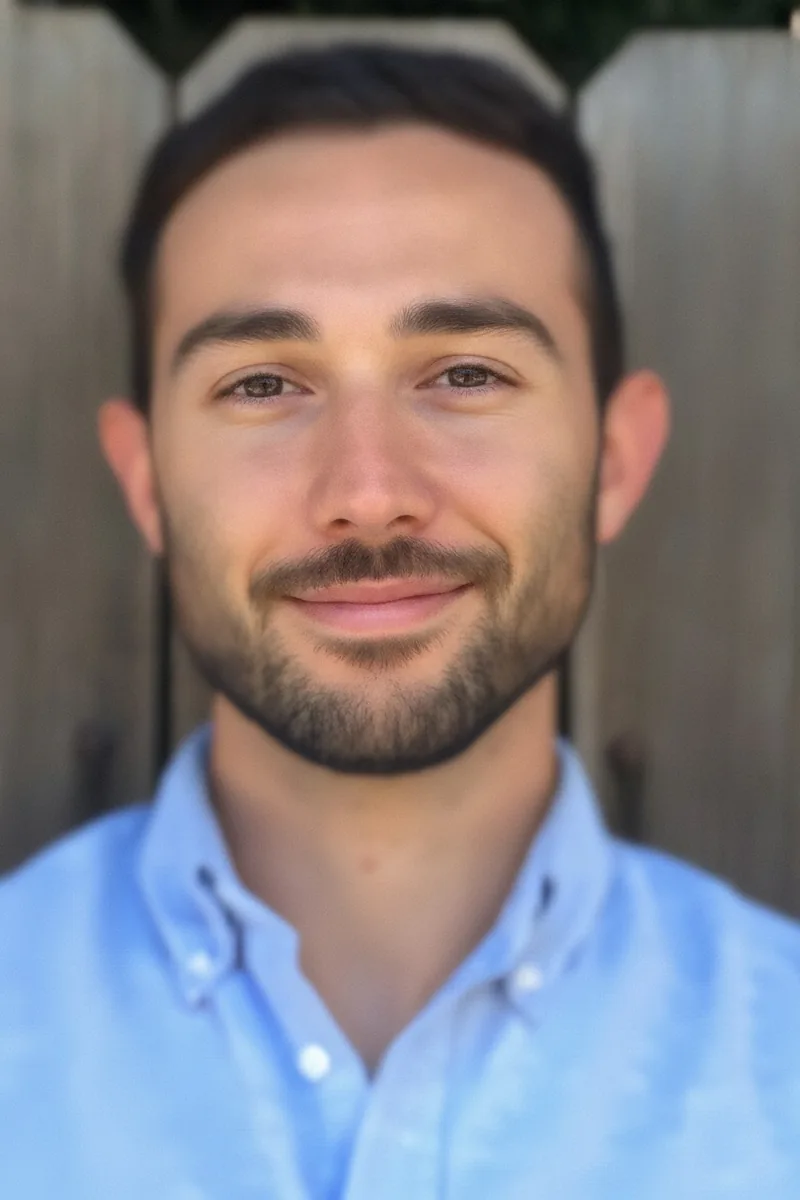
Psychobiology sits at the intersection of brain science and behavior, which gives Shant an unusual depth when teaching psychology concepts like classical conditioning, memory encoding, or the biological basis of mental disorders. He connects abstract theories — Piaget's stages, Erikson's development model, the DSM framework — to the underlying neuroscience that makes them click. His 5.0 rating speaks to how well that approach lands with students.
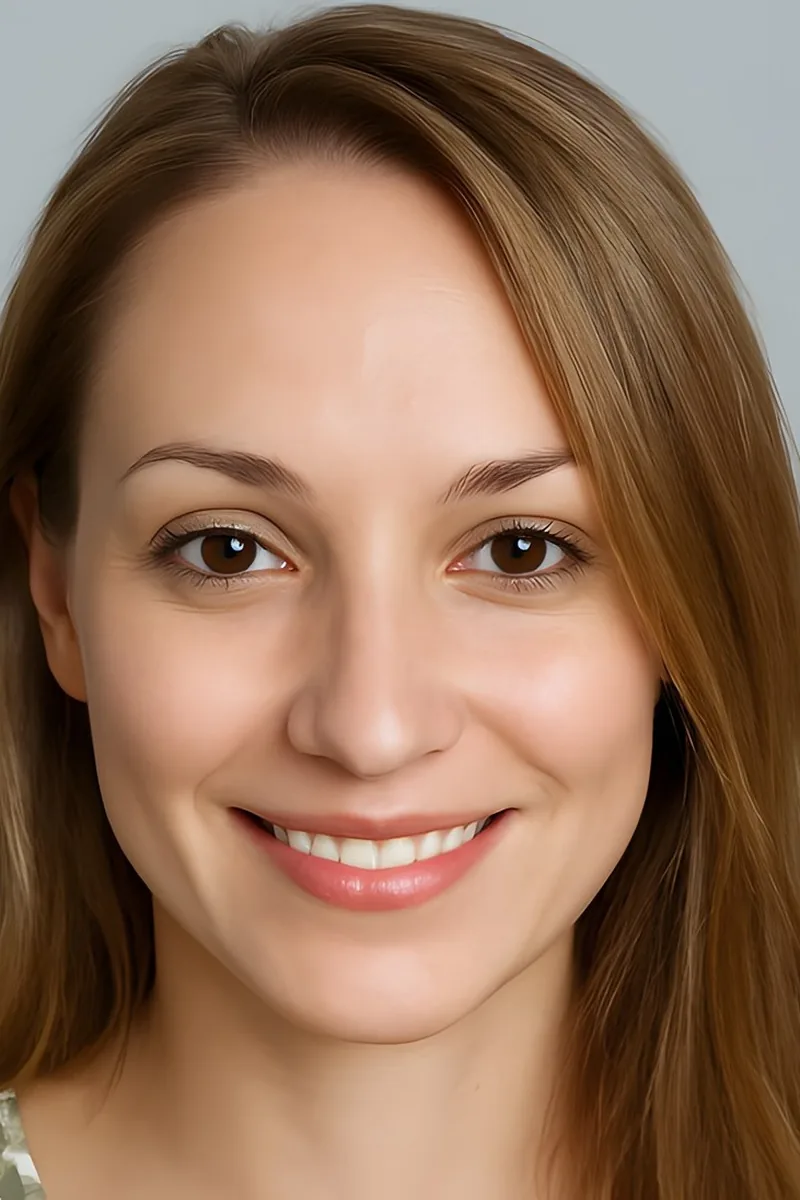
Naama earned her bachelor's degree in psychology, so she isn't just tutoring from a textbook — she's revisiting material she studied in depth at NYU. Whether a student is wrestling with research methods, cognitive development theories, or the nuances of abnormal psych classifications, she can break down both the concepts and the dense academic writing that psychology courses demand.
Neuroscience and psychology share a border, and Helen lives right on it — her bachelor's in neuroscience and master's in pharmacology give her deep fluency with the biological underpinnings that many psychology students struggle with, from neurotransmitter pathways to the physiological basis of learning and memory. She unpacks concepts like classical conditioning, cognitive development, and abnormal psych by connecting them to the underlying brain mechanisms. Rated 5.0 by students.
A biology background turns out to be a real advantage in psychology, where topics like neurotransmitter function, the stress-hormone cascade, and the biological basis of memory bridge both disciplines. Nicholas unpacks these physiological mechanisms so students grasp not just behavioral theories but the science underneath them. He's particularly effective with biopsychology and research methods units.
Chemistry majors spend a surprising amount of time studying how the brain works at a molecular level — neurotransmitter pathways, receptor binding, and the biochemistry behind drug mechanisms all show up in both disciplines. Chandler draws on that science background to make psychology's biological bases of behavior unit click, while his 34 ACT and strong reading skills carry over to the research-methods and essay-analysis portions of the course.
Kellie's biology background gives her a real edge in psychology, especially when topics shift into neuroscience, sensation and perception, or the biological bases of behavior. She unpacks concepts like neurotransmitter pathways and stress response mechanisms with the kind of scientific precision that makes textbook definitions actually click.
A neuroscience degree from Indiana University means Jenna doesn't just teach psychology concepts like classical conditioning or cognitive development — she can explain the biological machinery underneath them. She unpacks the overlap between brain structure and behavior in a way that makes introductory psych feel like a coherent story rather than a glossary of terms.
I'm a recent graduate of the California Institute of Technology in Economics and Computer Science. I was also accepted at Harvard, Princeton, MIT, and Stanford. I have a broad range of interests spanning science, math, engineering, social science, the humanities, the arts, and athletics (I also played on the Caltech basketball team). My background allows me to tutor general college prep, especially the SAT, ACT and the GRE. I love to teach analytical thinking, ranging from advanced Math and Physics to strategies for understanding literature and developing arguments.
Having earned a degree in psychology alongside her communication studies work, Paula brings direct coursework experience to concepts like learning theory, social cognition, and research methodology — not just a passing familiarity. Her communication background adds a practical layer when tackling topics like persuasion, attitude formation, and group dynamics, since she's studied how those psychological principles play out in real messaging and media contexts. Rated 4.8 by students.
As a health sciences grad student preparing for the MCAT's behavioral sciences section, Mosab engages with psychological concepts daily — from classical conditioning paradigms to the biological bases of behavior and social cognition theories. He connects textbook terms like schema, operant reinforcement, and the James-Lange theory to real-world examples that make them stick.
Four years of psychology research give Katrina a working fluency with the discipline that most tutors can't match — she doesn't just explain concepts like operant conditioning or cognitive dissonance, she can walk through the actual studies behind them. Her UChicago graduate work in social sciences means she also tackles research methods and statistical interpretation, the areas where psych students tend to struggle most.
Studying Human and Organizational Development at Vanderbilt means Zac lives in the overlap between psychology and real-world behavior — motivation theory, group dynamics, cognitive biases. He breaks down concepts like operant conditioning or Piaget's stages by connecting them to everyday situations students already recognize, making retention far more natural than rote flashcard review.
A UChicago psychology degree means Sherry didn't just survey the field — she dug into research methodology, statistical reasoning, and the theoretical debates behind concepts like classical conditioning, cognitive dissonance, and attachment theory. Now pursuing graduate work at Columbia, she brings both academic depth and practical teaching experience to topics ranging from abnormal psychology to social cognition.
Having studied both biological sciences and philosophy at the University of Chicago, Kristin approaches psychology from two angles most tutors can only cover one at a time — the neural and biological underpinnings of behavior, and the deeper questions about consciousness, free will, and moral reasoning that philosophy-heavy psych units explore. Her nursing training adds a clinical dimension to topics like stress response, psychopharmacology, and abnormal behavior that keeps the material grounded in how these concepts actually play out in real patients. Rated 5.0 by students.
Frances earned her bachelor's degree in psychology from Duke, which means she isn't just teaching vocabulary terms like "classical conditioning" or "cognitive dissonance" — she studied the research methods, statistical reasoning, and theoretical frameworks behind them. She connects textbook concepts to real experimental designs so students understand not just what psychologists found, but how they found it and why it matters.
Holding a bachelor's degree in psychology, Niabari digs into the subject with real depth — whether that's distinguishing classical from operant conditioning, unpacking research methodology, or explaining the biological basis of memory. She connects textbook theories to recognizable, everyday examples that make concepts like cognitive dissonance or attachment styles genuinely stick.
Understanding psychology means learning to think like a researcher — distinguishing correlation from causation, evaluating study design, and applying theories to real behavior. Dylan's policy analysis training at Cornell built exactly these skills, particularly around interpreting data and questioning assumptions. He connects psychological concepts like operant conditioning or cognitive biases to everyday decision-making, which makes them stick.
Studying molecular biology means Annabel already thinks in terms of experimental design, variables, and evidence — the same framework that drives psychology as a science. She explains concepts like classical conditioning, cognitive development stages, and research methodology by connecting them to the biological systems that underlie behavior.
Cognitive science and psychology share deep roots — perception, memory, learning, and decision-making sit at the core of both fields. Zachary studied these topics rigorously at the college level and can unpack concepts like classical conditioning, cognitive biases, and the structure of the brain in ways that go beyond rote definitions. He connects psychological theories to real-world examples that make the material intuitive.
Studying psychology with someone who's living it changes the experience entirely. Martha is a social psychology PhD student at Michigan whose research on culture and self-related processes spans the same territory covered in introductory and intermediate psych courses — from research design and statistical reasoning to theories of identity, motivation, and group behavior. She connects textbook concepts to current studies so the material feels relevant rather than abstract.
Testimonials
Because the right Psychology tutor makes all the difference.
Average Session Rating – Based on 3.4M Learner Ratings
Nearby Psychology Tutors
Other Thousand Oaks Tutors
Related Social Sciences Tutors in Thousand Oaks
Frequently Asked Questions
Varsity Tutors matches Thousand Oaks students with expert Psychology tutors for 1-on-1 instruction. We pair each student with a tutor based on their specific needs, learning style, and goals.
Whether you need homework help, exam prep, or want to get ahead, our Psychology tutors are ready to help.
Common challenges include gaps from earlier material, difficulty with specific concepts, and trouble applying learning to new problems. These issues can snowball quickly in Psychology.
A tutor identifies where you're stuck, fills in gaps, and provides targeted practice. The 1-on-1 format means you get help exactly where you need it.
Tutors work with your student's actual coursework—homework assignments, class notes, and upcoming tests. This keeps tutoring directly relevant to what's happening in the classroom.
When you share information about your student's school and curriculum, we can match you with a tutor who has relevant experience.
All tutors complete background checks, credential verification, and teaching evaluation. Many of our Psychology tutors hold advanced degrees or have years of teaching experience.
You can review tutor profiles to find someone with the right background for your student's level and needs.
Many students see improved grades within a few weeks, along with better understanding of Psychology concepts and more confidence tackling challenging material.
Tutors track progress and adjust their approach to ensure continued improvement.
Most students benefit from 1-2 sessions per week. More frequent sessions help if your student is significantly behind or has an important exam coming up.
Your tutor can recommend a schedule based on your student's specific situation and goals.
Tutoring is purchased in packages of hours, with rates varying by tutor experience. Varsity Tutors offers several options to fit different budgets and needs.
You can discuss pricing during your consultation to find what works best.
Your tutor will assess where your student is, discuss goals, and start working on priority areas. Most students bring current homework or upcoming test material to focus on.
By the end, you'll have a clear sense of how the tutor can help and a plan for moving forward.
Let’s find your perfect tutor
Answer a few quick questions. We’ll recommend the right plan and match you with a top 5% tutor.