Award-Winning History Tutors
serving Rockford, IL
History
Tutors in Rockford
Private 1-on-1 tutoring, weekly live classes for academic support, test prep & enrichment, practice tests and diagnostics, and more to elevate grades and test scores.
Based on 3.4M Learner Ratings
UniversitiesSchools & Universities
DeliveredHours Delivered
ProficiencyGrowth in Proficiency
Who needs tutoring?
No obligation. Takes ~1 minute.
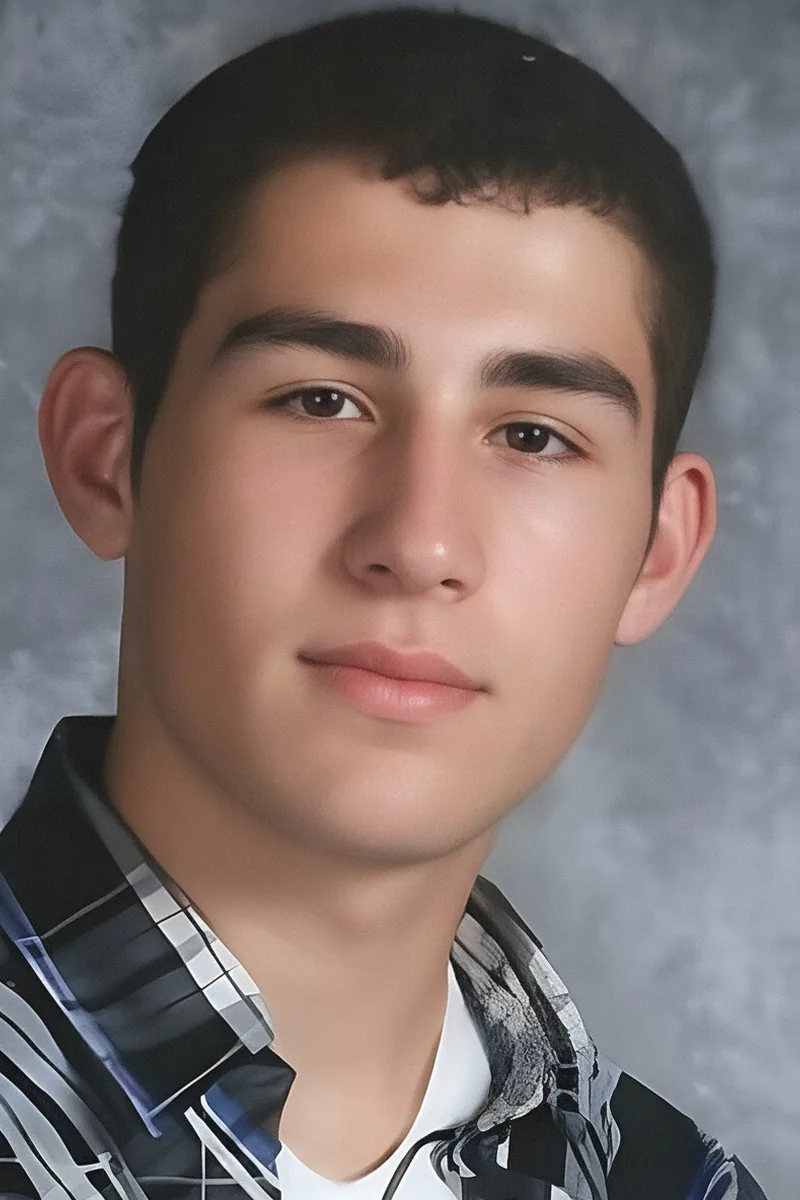
Christopher's engineering training at Harvard might seem unrelated to history, but mechanical engineering is built on understanding how systems evolve — and that same thinking applies to tracing how wars, revolutions, and policy decisions ripple through societies. He pairs that analytical instinct with a genuine love of reading classics, which makes him especially effective at teaching students to pull meaning from dense historical texts and turn their analysis into structured, thesis-driven essays.
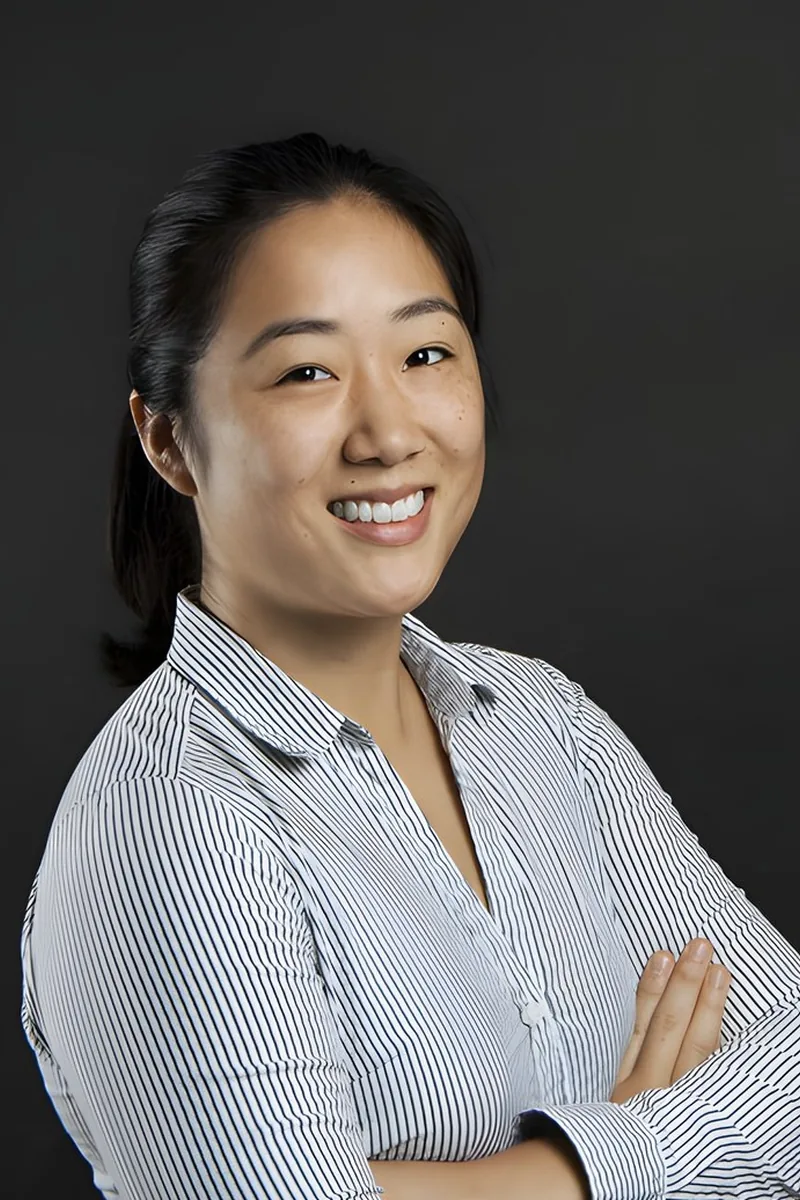
Treating history as a discipline of argument rather than memorization changes everything for students who feel buried under names and dates. Asta's political science work at the University of Chicago trained her to analyze primary sources, trace cause and effect across decades, and construct evidence-based narratives — exactly the skills that make history click.
Studying abroad in South Korea as a Gilman Scholar and pursuing Asian Languages and Cultures alongside biomedical engineering gave Ingrid firsthand exposure to how cultural, political, and technological forces interact across time — exactly the kind of cross-disciplinary thinking that history coursework rewards. She's especially strong at teaching students to analyze how societies responded to scientific and industrial change, connecting the material to broader patterns rather than treating each era in isolation.
Biomedical engineering and a PhD in statistics trained Sam to do something history students often struggle with: sift through massive amounts of information, identify what's actually driving an outcome, and present that reasoning clearly. He brings that data-driven mindset to document analysis and essay writing, teaching students to treat historical causes like variables — isolating which factors mattered most and building arguments around them. Rated 4.9 by students.
Three years running a Cell Biology lab at Notre Dame taught Connor something history teachers also prize: how to guide someone from scattered observations to a coherent argument about what actually happened and why. He brings that same evidence-first approach to historical writing, coaching students through document analysis and essay structure with the rigor of a scientist building a case from data. Rated 5.0 by students.
Reading history well means evaluating competing narratives, not just memorizing dates — a skill Elena sharpened through her government major and continues to use daily in law school. She teaches students to treat primary sources like evidence in a case, weighing context, bias, and intent to build arguments that go beyond surface-level summary.
Philosophy and law school both train you to read history as argument — who held power, why institutions changed, and what evidence supports competing narratives. Emily brings that lens to everything from analyzing primary-source documents to constructing thesis-driven essays for AP or college-level history courses. Her Northwestern philosophy background means she treats historical events as case studies in reasoning, not just dates to memorize.
Reading history well means evaluating sources, understanding cause and effect across decades, and constructing arguments from evidence — not just memorizing dates. Anna's anthropology degree from Northwestern trained her to analyze human societies through exactly this kind of critical lens. She teaches students to ask "why did this happen" before "when did this happen."
Studying history well means learning to read sources critically, construct arguments from evidence, and understand why interpretation matters as much as facts. Jeff spent his graduate years at UC Berkeley doing exactly that — earning an MA in history and teaching undergraduates how to think historically rather than just memorize dates. Whether the topic is ancient civilizations or the Cold War, he connects events to the larger questions that make history worth studying.
Studying history at the college level taught Astoria that the subject rewards those who can construct arguments from evidence, not just recall dates. She teaches students to analyze primary sources, identify cause-and-effect chains, and write document-based responses that demonstrate genuine historical thinking rather than surface-level summary.
A math major at UChicago who once hated the subject until great teachers revealed the deeper logic behind it, Viktor knows firsthand how the right framing transforms a "boring" subject into something that clicks — and he brings that same reframing instinct to history. His approach leans on helping students see the underlying structures behind historical events: what incentives, pressures, and ideas actually drove decisions, rather than treating history as a list of dates to memorize. He also teaches college essays and essay editing, so constructing a tight, thesis-driven historical argument is well within his wheelhouse.
Benjamin treats history as an exercise in building arguments from evidence, not memorizing dates. His liberal arts training at the University of Chicago — where the Core Curriculum demands constant engagement with primary sources and historiographical debate — gives him a framework for teaching students to analyze causes, weigh perspectives, and write sharper document-based essays.
Ellie's economics background at the University of Chicago gives her a distinctive lens on history: she connects political events to the economic forces driving them, whether that's mercantilism fueling colonial expansion or industrial capitalism reshaping labor movements. This approach turns memorization-heavy timelines into cause-and-effect narratives that are far easier to retain. She also teaches students to evaluate primary sources critically, a skill that strengthens both essays and exam responses.
Treating history as a set of competing narratives rather than a list of dates changes how students engage with the material. Sanjana teaches students to analyze cause-and-effect chains and evaluate why different sources tell different stories about the same event. Her analytical training in applied math at Harvard gives her a structured approach to building historical arguments.
A psychology degree sharpens something most people don't associate with history: the ability to analyze why people and societies make the choices they do. Pinelopi teaches students to read historical events through cause-and-effect reasoning, connecting political decisions, social movements, and economic pressures into narratives that actually make sense.
Pre-med coursework at Northwestern means Kade spends most of his time in biology and chemistry — but his study group mentor role has sharpened a skill history courses prize: breaking down large volumes of reading into the handful of claims and evidence threads that actually matter. He teaches students to approach primary source documents and essay prompts with that same triage instinct, zeroing in on what a question is really asking before building an argument around it.
Cognitive science trains you to ask how people think, decide, and form beliefs — and Hannah carries that habit directly into history tutoring, where she digs into the reasoning and perception behind political movements, revolutions, and policy decisions. She's especially effective at teaching students to move past surface-level summaries and instead build cause-and-effect arguments that hold up on essay prompts and document-based questions.
A master's in political science means Alex spent years doing exactly what history courses demand: reading primary documents, tracing how institutional power shifts over time, and building thesis-driven arguments from competing sources. His English background adds a layer most poli-sci grads lack — close reading skills that catch rhetorical moves in speeches, treaties, and propaganda that other students skim right past. That combination makes him especially effective for essay-heavy history courses where analyzing *how* a document argues matters as much as *what* it says.
Benjamin approaches history the way his Notre Dame economics courses taught him to think about systems: every event has causes rooted in incentives, resources, and power structures. He unpacks historical developments — whether it's the Industrial Revolution or Cold War geopolitics — by asking students to trace the economic and social pressures behind them, which builds the kind of causal reasoning that shows up in strong essay answers.
At UChicago, the Core Curriculum means Jessica reads and debates historical texts alongside her economics and biology coursework every quarter — so history isn't a side subject for her, it's baked into how she learns everything else. That interdisciplinary habit shows up when she teaches students to connect economic incentives and scientific developments to the political turning points that essays and exams actually ask about. Her 36 ACT reflects the kind of close reading and argumentative writing that history demands.
Molly holds degrees in History from Columbia University, where she wrote a distinguished thesis that required deep archival research and sustained argumentation — exactly the skills history students need for document-based essays and research papers. Her classroom teaching experience across multiple grade levels means she can scale historical thinking from elementary timelines up through college-level historiography. Rated 5.0 by students.
I am a recent graduate of the University of Chicago with a BA in English and a MA in the Humanities. My specialties are tutoring in test prep, writing, and reading. I am more than happy to spend time on my students outside of our organized sessions to ensure everyone meets their goals. Please do not hesitate to reach out if you have any questions. Looking forward to our tutoring sessions!
Charles approaches history as an exercise in reading and argumentation: evaluating primary sources, understanding cause-and-effect chains, and constructing evidence-based narratives about why events unfolded the way they did. His broad liberal arts background and strong writing skills make him especially effective at teaching students to write the kind of analytical essays history courses demand.
Reading history well means reading sources like a skeptic — asking who wrote this, why, and what they left out. Gloria brings that same evidence-evaluation mindset from her neuroscience research training, teaching students to build document-based arguments rather than just recite dates. She's especially comfortable with U.S. and world history topics that intersect with science and social change.
Todd teaches AP US History, AP World History, AP US Government, and AP Human Geography — that's not a tutor dabbling in social studies but someone who genuinely lives in this material across multiple frameworks. His social work graduate training at the University of Chicago sharpened his ability to analyze how institutions, policies, and power structures shape communities over time, which is exactly the kind of thinking that earns high marks on DBQs and free-response essays. Rated 5.0 by students.
An engineering degree from Northwestern means Michael spent four years doing something history students rarely practice: analyzing how materials fail under stress by tracing back through the exact sequence of conditions that caused the breakdown. He brings that same root-cause thinking to historical essays and DBQs, teaching students to build arguments around the specific pressures — economic, political, cultural — that made events like wars or revolutions inevitable rather than just surprising. Rated 5.0 by students.
Theatre training at Northwestern taught Jack to read historical periods from the inside out — understanding what people wore, believed, argued about, and fought for, because staging a play set in 1930s America or colonial Spain demands that kind of immersion. He brings that same contextual thinking to history tutoring, teaching students to reconstruct the world behind a primary source rather than skimming it for surface-level facts. His Spanish fluency also opens up Latin American and transatlantic history in ways most tutors can't offer.
Zac's Human and Organizational Development major at Vanderbilt is essentially a course in how institutions succeed and fail — which means he's constantly studying the social, political, and economic forces that drive historical change. That organizational lens is particularly useful when students need to explain how movements formed, why governments collapsed, or what made certain reforms stick while others didn't. Rated 4.9 by students.
Reading history well means learning to ask why sources disagree, not just memorizing which date goes with which event. Ruthie treats historical analysis like building an argument — identifying evidence, weighing perspectives, and constructing a narrative that holds up. Her background in scientific reasoning translates surprisingly well to evaluating competing historical claims.
Gabriel's PhD in Comparative Human Development at the University of Chicago gives him an unusual lens on history — he connects political events to the cultural and social forces that shaped them, which is exactly the kind of thinking that AP and college-level history courses reward. He teaches students to read primary sources critically and build document-based arguments rather than just recounting what happened.
Political science and history share a backbone: reading primary sources critically, evaluating competing interpretations, and constructing arguments from evidence. Grace earned her B.A. in Political Science from the University of Chicago, where that kind of analytical work was daily practice. She teaches students to engage with historical events as debates rather than timelines to memorize.
Cognitive science is fundamentally about how people think, reason, and make decisions — which gives Amanda a natural framework for analyzing why historical actors did what they did under pressure. Her Northwestern linguistics training also sharpens her ability to teach close reading of primary sources, pulling apart how language shaped public opinion during key moments like wartime speeches or political debates. She brings an analytical, evidence-driven approach to essay writing and document-based questions.
Studying history well means reading sources like a skeptic — asking who wrote this, why, and what they left out. Sarah applies that analytical approach whether the topic is Reconstruction-era politics or Cold War foreign policy, drawing on her international studies coursework to add global context that textbooks often skip. She also teaches the document-based writing skills that turn raw evidence into a persuasive historical argument.
Siva treats history as an exercise in argument-building: identifying causes, weighing competing perspectives, and using evidence to support a thesis. His analytical training in engineering and medicine translates well to teaching students how to write document-based essays and evaluate primary sources critically.
Studying American Studies and Gender Studies gave Katie a lens for examining history that goes beyond memorizing dates and battles — she digs into the social forces, cultural shifts, and power dynamics behind major events. She teaches students to read historical sources critically and construct arguments that hold up under scrutiny, skills that transfer to any era or region they're studying.
Brian treats history less as a set of dates to memorize and more as a series of cause-and-effect chains — why the Treaty of Versailles made another war likely, or how economic pressures shaped colonial policy. His analytical training in the sciences translates surprisingly well to evaluating primary sources and constructing evidence-based historical arguments.
Stage managing a theater production means taking in dozens of conflicting details — script changes, blocking notes, costume cues — and organizing them into a coherent narrative someone else can follow. Ariela brings that exact skill to history, where she teaches students to sort through tangled causes, competing perspectives, and dense primary sources to build clear, structured arguments on essays and DBQs. Her 1590 SAT reflects the kind of close reading and analytical writing that history coursework consistently rewards.
An engineer who almost majored in English and has lived in both Spain and Costa Rica, Nicolette sits at an unusual intersection of STEM rigor and humanities instinct — she reads historical sources with a scientist's eye for evidence and a writer's feel for argument. That combination is especially useful for document-based questions, where students need to do more than summarize: they need to weigh competing accounts and build a case. Rated 5.0 by students.
Jake treats history less as a subject to memorize and more as a set of arguments to evaluate — who's making the claim, what evidence supports it, and what context shaped the moment. His Organizational Change studies at Northwestern overlap heavily with historical analysis of institutions, movements, and social structures, giving him a useful lens for connecting past events to larger patterns.
Though Charlie's primary training is in English Literature, the University of Chicago's core curriculum required serious engagement with historical analysis — evaluating primary documents, constructing evidence-based arguments, and understanding how historiographical debates shape what we think we know about the past. He applies the same close-reading and argumentative rigor to history that he brings to literary texts.
Testimonials
Because the right History tutor makes all the difference.
Average Session Rating – Based on 3.4M Learner Ratings
Nearby History Tutors
Other Rockford Tutors
Related Social Studies Tutors in Rockford
Frequently Asked Questions
Varsity Tutors matches Rockford students with expert History tutors for 1-on-1 instruction. We pair each student with a tutor based on their specific needs, learning style, and goals.
Whether you need homework help, exam prep, or want to get ahead, our History tutors are ready to help.
Common challenges include gaps from earlier material, difficulty with specific concepts, and trouble applying learning to new problems. These issues can snowball quickly in History.
A tutor identifies where you're stuck, fills in gaps, and provides targeted practice. The 1-on-1 format means you get help exactly where you need it.
Tutors work with your student's actual coursework—homework assignments, class notes, and upcoming tests. This keeps tutoring directly relevant to what's happening in the classroom.
When you share information about your student's school and curriculum, we can match you with a tutor who has relevant experience.
All tutors complete background checks, credential verification, and teaching evaluation. Many of our History tutors hold advanced degrees or have years of teaching experience.
You can review tutor profiles to find someone with the right background for your student's level and needs.
Many students see improved grades within a few weeks, along with better understanding of History concepts and more confidence tackling challenging material.
Tutors track progress and adjust their approach to ensure continued improvement.
Most students benefit from 1-2 sessions per week. More frequent sessions help if your student is significantly behind or has an important exam coming up.
Your tutor can recommend a schedule based on your student's specific situation and goals.
Tutoring is purchased in packages of hours, with rates varying by tutor experience. Varsity Tutors offers several options to fit different budgets and needs.
You can discuss pricing during your consultation to find what works best.
Your tutor will assess where your student is, discuss goals, and start working on priority areas. Most students bring current homework or upcoming test material to focus on.
By the end, you'll have a clear sense of how the tutor can help and a plan for moving forward.
Let’s find your perfect tutor
Answer a few quick questions. We’ll recommend the right plan and match you with a top 5% tutor.