Award-Winning Biostatistics Tutors
serving Lansing, MI
Award-Winning
Biostatistics
Tutors in Lansing
Private 1-on-1 tutoring, weekly live classes for academic support, test prep & enrichment, practice tests and diagnostics, and more to elevate grades and test scores.
Based on 3.4M Learner Ratings
UniversitiesSchools & Universities
DeliveredHours Delivered
ProficiencyGrowth in Proficiency
Who needs tutoring?
No obligation. Takes ~1 minute.
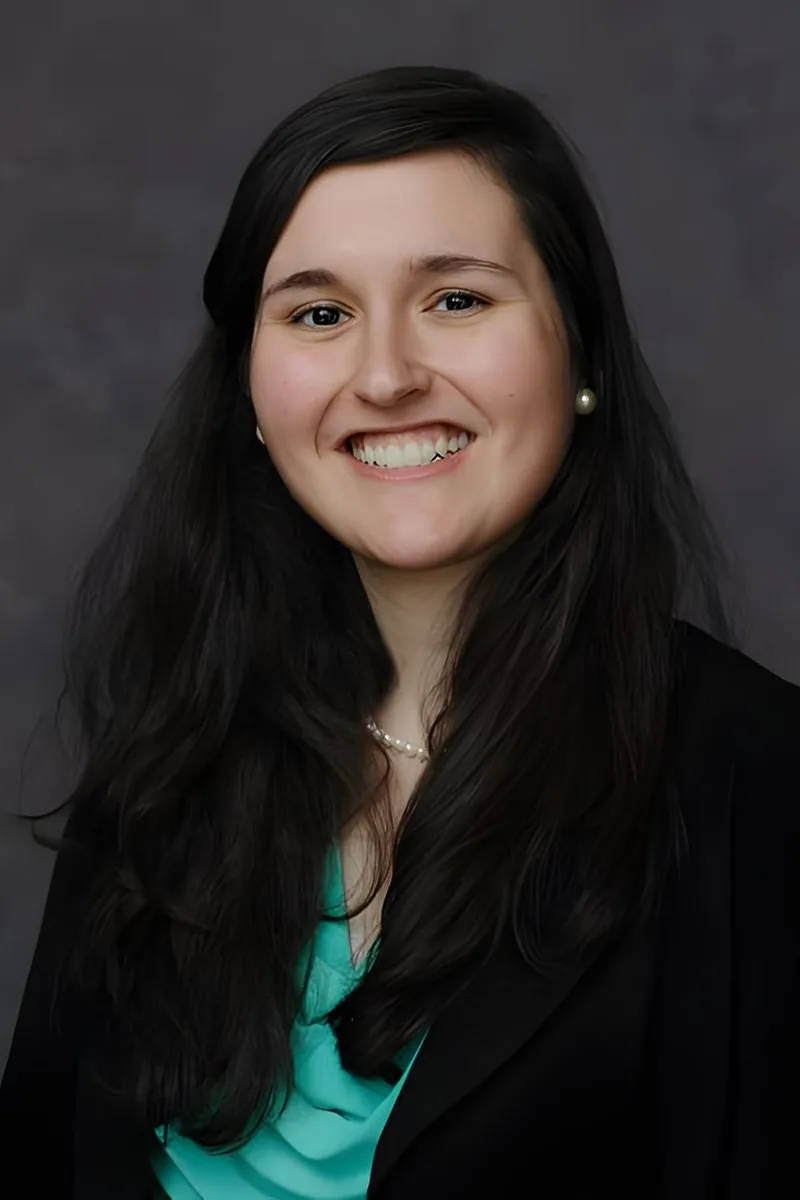
Nina is finishing a doctorate in biostatistics at NYU after completing her master's at Columbia, which means she lives and breathes this subject — logistic regression for clinical outcomes, survival curves, study design for epidemiological research. She was a teaching assistant in Columbia's biostatistics department and brings that classroom-tested ability to unpack dense material into clear, structured explanations. If you're wrestling with SAS output or trying to interpret an odds ratio for a thesis, she's been there recently.

Ingrid's biomedical engineering coursework at Northwestern — including undergraduate research in the John Rogers Lab — gave her hands-on experience designing experiments and interpreting the statistical methods that underpin clinical and biological research. She breaks down concepts like survival analysis, logistic regression, and confidence intervals by tying them to real biomedical datasets rather than abstract formulas.
Having earned a PhD in Statistics, Sam digs into biostatistics with the depth that graduate and pre-med students actually need — survival analysis, logistic regression, study design, and interpreting odds ratios in clinical contexts. His undergraduate training in biomedical engineering gives him a native fluency with the biological applications that make this field distinct from general stats.
Rachel's Master's in Environmental Health Sciences from Johns Hopkins required the same core biostatistics training that public health students dread — survival analysis, logistic regression, and interpreting epidemiological study results with real population data. Years of conservation fieldwork since then have kept her close to the kind of messy environmental datasets where picking the right statistical test actually shapes policy decisions. She connects methods like chi-square tests and confidence intervals back to the health and ecological questions they were built to answer.
Courtney's graduate research in aquatic ecology means she's wrestled with the messy, real-world datasets that make biostatistics click — figuring out which test to run when sample sizes are uneven, or whether a correlation in field data actually holds up under regression. That experience analyzing ecological patterns, combined with her MS in Biology, grounds her teaching of concepts like experimental design, ANOVA, and data interpretation in the biological questions that give the numbers meaning. Rated 5.0 by students.
Studying biology at Duke while conducting field research on Hawaiian monk seals meant Emma had to grapple with real ecological datasets — the kind where choosing between a t-test and a Mann-Whitney U actually changes your conclusions. That hands-on experience with biological data analysis, paired with her 4.9 rating from students, makes her especially effective at teaching the statistical reasoning behind study design and data interpretation.
Gabriel has taught biostatistics at the undergraduate level, walking students through hypothesis testing, regression analysis, and experimental design with real biological datasets. His computational neuroscience research adds a practical dimension — he designs and analyzes electrophysiological experiments, so concepts like p-values and confidence intervals aren't abstract formulas but tools he uses weekly.
Elliot's PhD in neuroscience meant wrestling with the kinds of biological datasets where choosing the wrong statistical test can invalidate years of research — from analyzing neural firing rates with repeated-measures designs to modeling dose-response curves with logistic regression. That firsthand experience with experimental data makes him especially sharp at teaching concepts like power analysis, ANOVA, and survival analysis, because he's had to defend those choices in his own published work. Rated 5.0 by students.
Between a neuroscience bachelor's, a biotechnology master's, and current medical training, Rithi has run into biostatistics from every angle — analyzing neural data in research, evaluating clinical study designs, and interpreting the kind of messy biological datasets where a wrong assumption about normality can derail an entire analysis. She breaks down concepts like survival curves, relative risk calculations, and test selection by walking through the actual research scenarios that make each method necessary. Rated 4.9 by students.
Most biostatistics struggles come down to not knowing which test to use or why — is this a chi-square situation or a t-test, and what does the p-value actually mean? Amanda's Master of Public Health training required heavy coursework in epidemiological statistics, so she teaches biostatistics with the kind of applied, research-oriented framing that makes concepts like confidence intervals and regression analysis click. She walks through real study designs to show how statistical choices shape conclusions.
Three years of bench genetics and clinical research gave Selamawit hands-on experience designing studies, running statistical tests, and interpreting p-values in contexts where the results actually mattered. She brings that practical fluency to biostatistics topics like regression analysis, survival curves, and hypothesis testing. Her University of Pennsylvania public health training means she knows exactly how these methods apply to epidemiological and clinical data.
Engineering coursework at MIT forced Natasha to build statistical models from biological and chemical datasets — the kind where understanding variance, distributions, and experimental design isn't optional but essential to getting meaningful results. Her chemical and biomolecular engineering background means she teaches biostatistics concepts like regression and hypothesis testing through the lens of someone who's actually had to defend her statistical choices in lab reports and research. Rated 4.9 by students.
Biology coursework generates the kind of data — population counts, gene expression levels, epidemiological surveys — where understanding which statistical test to run matters as much as understanding the biology itself. Ade's biology degree means he teaches concepts like probability distributions, measures of central tendency, and hypothesis testing by starting from the biological question rather than the formula sheet, so the reasoning behind each method clicks before the calculations begin.
Applying to medical school while pursuing a Master's in Public Health means Jakobi is knee-deep in the kind of data analysis biostatistics courses demand — study design, hypothesis testing, and interpreting results in health contexts. His biology degree gives him the scientific grounding to explain why a particular statistical method fits a biological question, whether students are wrestling with relative risk calculations or figuring out when to use a t-test versus ANOVA.
Currently pursuing a graduate degree in statistics while holding a sociology background, Evan knows how to bridge the gap between raw quantitative methods and the population-level questions that drive biostatistics — things like interpreting odds ratios, building regression models, or deciding when a nonparametric test makes more sense than a parametric one. His sociology training means he's worked with survey data and demographic datasets where sloppy statistical reasoning leads to misleading conclusions. Rated 5.0 by students.
Wall Street research demands a kind of statistical fluency that translates surprisingly well to biostatistics — Frank spent years dissecting datasets, evaluating risk models, and stress-testing assumptions before pivoting to teaching statistics at both the AP and college level. He breaks down concepts like hypothesis testing, probability distributions, and regression by emphasizing the logic behind choosing a method, drawing on the same analytical rigor he applied to financial research. His MBA and quantitative background give him a practical, numbers-first approach that cuts through the abstraction many students struggle with.
Earning her Master of Science in Global Health from Duke meant Andria lived inside biostatistics — designing studies, running regression analyses, and interpreting p-values in the context of real epidemiological data. She unpacks concepts like confidence intervals, odds ratios, and survival analysis by grounding them in the public health questions they're built to answer.
Three years as an ESL instructor and a summa cum laude biology degree taught Ruth something most tutors learn the hard way — explaining quantitative concepts clearly matters as much as understanding them. Now in medical school, she breaks down biostatistics topics like study design, sensitivity and specificity, and interpreting p-values by connecting them to the clinical research she encounters daily in her coursework.
Casey's bioengineering degree required designing and analyzing experiments where statistical choices — picking the right test for biological variability, interpreting p-values from cell culture data, calculating sample sizes for meaningful results — were baked into every project. That training means she teaches concepts like probability distributions, hypothesis testing, and regression by tying them to the kinds of biological datasets students will actually encounter in research and clinical coursework.
Psychology research lives and dies by statistics — every study Katelyn encountered during her degree required interpreting effect sizes, understanding when to apply a chi-square test, and evaluating whether a sample actually supports a paper's claims. That training in research methods translates directly to biostatistics concepts like probability, measures of central tendency, and hypothesis testing, especially for students who need the statistical logic explained through behavioral and health science examples rather than pure math.
Graduate-level biology research in evolution and bioanthropology means Alex regularly works with the kinds of datasets where understanding variance, choosing appropriate statistical tests, and interpreting p-values isn't abstract — it's how you defend your findings. His master's training, combined with a broad undergraduate foundation in both biology and English, gives him a knack for translating dense statistical concepts like probability distributions and measures of association into language that actually makes sense. Rated 4.8 by students.
Between her biology major, math minor, and four years of medical school coursework in community health and preventive medicine, Emily has encountered biostatistics from every angle — interpreting clinical studies, running analyses on biological datasets, and applying concepts like sensitivity, specificity, and measures of association in evidence-based medicine. She teaches the logic behind choosing statistical methods, connecting each test back to the clinical or research scenario that makes it meaningful. Rated 5.0 by students.
An applied mathematics degree paired with doctoral-level engineering work means Professor Florence has spent years building and defending statistical models — the exact skill set biostatistics demands when students face questions about study design, probability distributions, or interpreting regression output. Her psychology background at UCLA also exposed her to the behavioral research side, where concepts like ANOVA, effect size, and sampling methodology show up in every published study. Rated 4.6 by students.
Matthew's Master's in Educational Measurement and Statistics at USF means he's not just familiar with biostatistics methods — he's studying the theory behind how statistical tests are constructed and validated, which gives him unusual depth when explaining concepts like power analysis, effect sizes, and the assumptions underlying common tests. His psychology background adds a second layer: he learned biostatistics the way most students encounter it, applied to human subjects research with messy behavioral data. Rated 4.8 by students.
As a biomedical engineering undergrad at Rice, Aurnab regularly works with biological datasets where statistical decisions — selecting the right test for variable sample sizes, interpreting p-values from experimental results — directly shape whether a project's conclusions hold up. That engineering-driven statistical thinking translates naturally to teaching concepts like probability distributions, hypothesis testing, and confidence intervals in a biostatistics context. Rated 4.9 by students.
Karista's PhD in Environmental Science meant analyzing messy field data — the kind where uneven sample sizes, non-normal distributions, and confounding variables force you to think carefully about which statistical approach actually fits. That experience designing and defending her own analyses carries over directly when she teaches concepts like ANOVA, multivariate regression, and experimental design in biostatistics. Rated 5.0 by students.
Teaching AP Chemistry, Honors Biology, and Anatomy & Physiology every day means Samuel is constantly working with the kinds of experimental data that biostatistics is built to analyze — comparing treatment groups, interpreting variability in lab results, and evaluating whether observed differences are real or just noise. His master's in science education sharpens how he breaks down concepts like descriptive statistics, probability, and hypothesis testing so they feel like practical tools rather than abstract formulas. Rated 4.9 by students.
Medical school trains you to read studies critically — picking apart odds ratios, questioning sample sizes, and spotting when a confidence interval undermines a paper's bold conclusion. Sanjul, now in his final year of osteopathic medical training with a biology foundation, brings that clinical lens to biostatistics concepts like hypothesis testing, relative risk, and regression modeling. Rated 5.0 by students.
Graduate coursework in global health and population at Harvard means Sarah's biostatistics training is rooted in real epidemiological research — calculating measures of association, building regression models, and interpreting results in the context of population-level health questions. Her undergraduate biology degree adds fluency with the scientific reasoning behind study design, so she can unpack why a particular statistical test fits a given dataset rather than just drilling the formula. Rated 5.0 by students.
Courage's training sits at an unusual intersection — dual bachelor's degrees in computer science and biological/physical sciences, plus a master's in environmental science — which means he's worked with biological datasets from both the programming and the scientific sides. That crossover makes him especially sharp at teaching concepts like data distributions, hypothesis testing, and regression analysis using tools like Python and SQL, bridging the gap between understanding the biology behind a study and actually crunching the numbers.
Biochemistry and molecular biology coursework means Aditya is constantly reading papers packed with survival curves, p-values, and confidence intervals — the kind of statistical literacy that comes from needing it to understand his own field, not just passing an exam. He breaks down concepts like probability distributions and measures of central tendency by walking through the biological data they're actually applied to, so the formulas feel purposeful rather than abstract.
Graduate-level ecology research forced Scott to live inside statistical software — running ANOVAs, building regression models, interpreting p-values from messy field data. He approaches biostatistics by pairing each test (chi-square, t-test, logistic regression) with the biological question it actually answers, which makes choosing the right analysis feel intuitive instead of arbitrary.
I am also interested in tutoring college students preparing for the GRE general test. For test preparation, I assign a decent amount of homework each week and I spend the majority of my sessions going over the questions my students answer incorrectly.
Kimanthi's biomedical engineering training at Duke meant designing experiments that demanded careful statistical thinking — selecting appropriate tests, calculating power, and interpreting results from biological datasets. Now in medical school, she teaches biostatistics concepts like hypothesis testing and regression by grounding them in the clinical and laboratory scenarios where they actually come up. Rated 5.0 by students.
Graduate coursework in Health Services Administration means Alan regularly encounters the statistical side of healthcare — interpreting study outcomes, evaluating public health data, and understanding how measures like relative risk and confidence intervals shape administrative decisions. His biology degree gives him the scientific literacy to contextualize the datasets, while his 5.0 rating speaks to how clearly he breaks down concepts like hypothesis testing and descriptive statistics for students who find the quantitative side intimidating.
As a first-year med student at Pitt with a biology degree from Tufts, Danielle is encountering biostatistics exactly where it becomes unavoidable — interpreting clinical study results, calculating sensitivity and specificity, and evaluating whether a paper's p-value actually means what the authors claim. Her 36 ACT composite reflects the kind of precise analytical thinking she brings to breaking down concepts like confidence intervals, relative risk, and study design for students who find the statistical side of biology intimidating. Rated 5.0 by students.
Irene's PhD in Mathematics and Computer Science means she approaches biostatistics from the pure quantitative side — probability theory, distributions, and the mathematical proofs underlying tests like ANOVA and chi-square that most biology-focused instructors skip over. For students who struggle less with the clinical context and more with the math itself, that depth is exactly what closes the gap. Rated 4.9 by students.
Biochemistry and psychology together mean Nathaniel has designed experiments on both the molecular and behavioral sides — two domains where the datasets look completely different but the statistical logic (choosing tests, interpreting p-values, understanding variance) is the same. That dual training makes him particularly good at explaining when to apply specific methods like t-tests, ANOVA, or correlation analysis, because he's had to think through which tool fits which kind of biological question. Rated 5.0 by students.
Dan's graduate work in plant biology meant running his own statistical analyses on biological datasets — the kind where understanding ANOVA designs, choosing appropriate post-hoc tests, and interpreting interaction effects isn't theoretical but determines whether your thesis holds up. That research experience, combined with a 5.0 rating from students, grounds his biostatistics teaching in the practical decisions researchers actually face when moving from raw data to publishable results.
Running genomics experiments at Washington University and now studying synapse formation at Duke, Kristina has spent years generating the kind of high-dimensional biological data where statistical missteps — wrong multiple comparisons corrections, underpowered sample designs — can sink a paper before peer review. She teaches biostatistics concepts like ANOVA, regression, and experimental power by drawing on the actual analytical decisions she's made with her own neural datasets. Rated 5.0 by students.
Testimonials
Because the right Biostatistics tutor makes all the difference.
Average Session Rating – Based on 3.4M Learner Ratings
Other Lansing Tutors
Related Science Tutors in Lansing
Frequently Asked Questions
Varsity Tutors matches Lansing students with expert Biostatistics tutors for 1-on-1 instruction. We pair each student with a tutor based on their specific needs, learning style, and goals.
Whether you need homework help, exam prep, or want to get ahead, our Biostatistics tutors are ready to help.
Common challenges include gaps from earlier material, difficulty with specific concepts, and trouble applying learning to new problems. These issues can snowball quickly in Biostatistics.
A tutor identifies where you're stuck, fills in gaps, and provides targeted practice. The 1-on-1 format means you get help exactly where you need it.
Tutors work with your student's actual coursework—homework assignments, class notes, and upcoming tests. This keeps tutoring directly relevant to what's happening in the classroom.
When you share information about your student's school and curriculum, we can match you with a tutor who has relevant experience.
All tutors complete background checks, credential verification, and teaching evaluation. Many of our Biostatistics tutors hold advanced degrees or have years of teaching experience.
You can review tutor profiles to find someone with the right background for your student's level and needs.
Many students see improved grades within a few weeks, along with better understanding of Biostatistics concepts and more confidence tackling challenging material.
Tutors track progress and adjust their approach to ensure continued improvement.
Most students benefit from 1-2 sessions per week. More frequent sessions help if your student is significantly behind or has an important exam coming up.
Your tutor can recommend a schedule based on your student's specific situation and goals.
Tutoring is purchased in packages of hours, with rates varying by tutor experience. Varsity Tutors offers several options to fit different budgets and needs.
You can discuss pricing during your consultation to find what works best.
Your tutor will assess where your student is, discuss goals, and start working on priority areas. Most students bring current homework or upcoming test material to focus on.
By the end, you'll have a clear sense of how the tutor can help and a plan for moving forward.
Let’s find your perfect tutor
Answer a few quick questions. We’ll recommend the right plan and match you with a top 5% tutor.