Award-Winning Biostatistics Tutors
serving Detroit, MI
Biostatistics
Tutors in Detroit
Private 1-on-1 tutoring, weekly live classes for academic support, test prep & enrichment, practice tests and diagnostics, and more to elevate grades and test scores.
Based on 3.4M Learner Ratings
UniversitiesSchools & Universities
DeliveredHours Delivered
ProficiencyGrowth in Proficiency
Who needs tutoring?
No obligation. Takes ~1 minute.
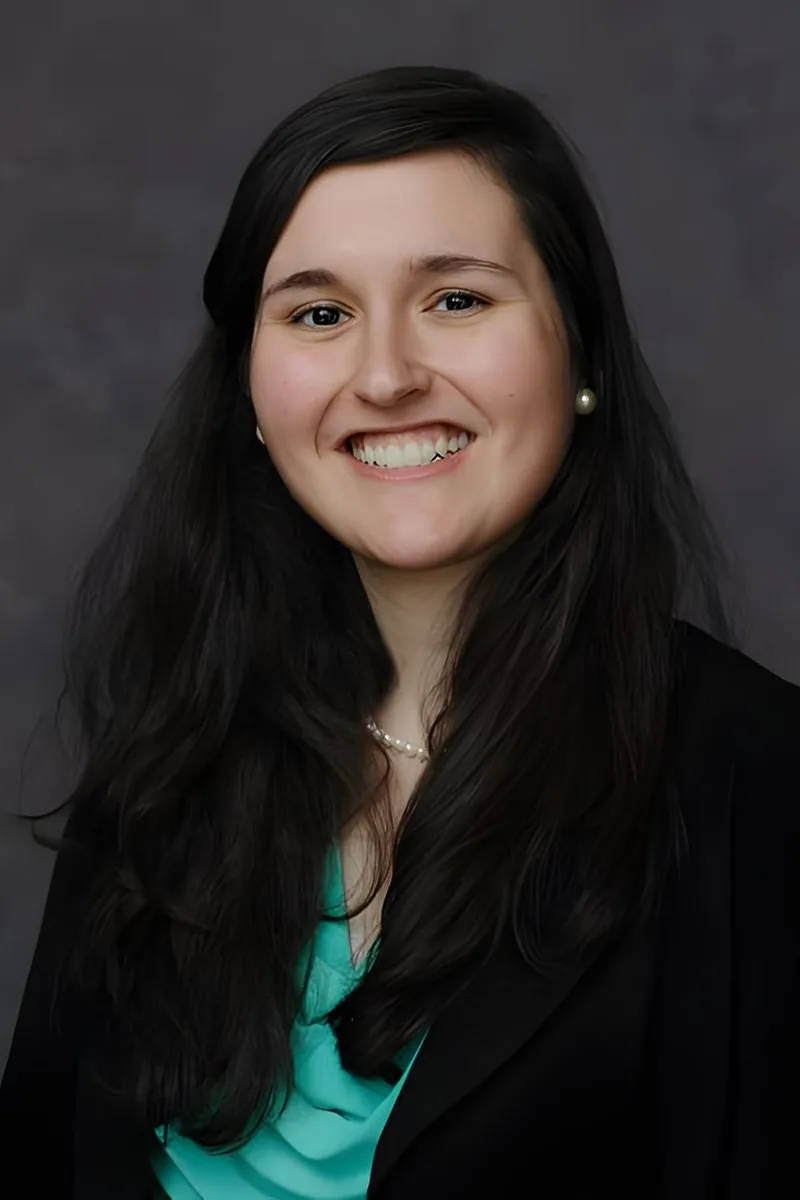
Three years as an ESL instructor and a summa cum laude biology degree taught Ruth something most tutors learn the hard way — explaining quantitative concepts clearly matters as much as understanding them. Now in medical school, she breaks down biostatistics topics like study design, sensitivity and specificity, and interpreting p-values by connecting them to the clinical research she encounters daily in her coursework.
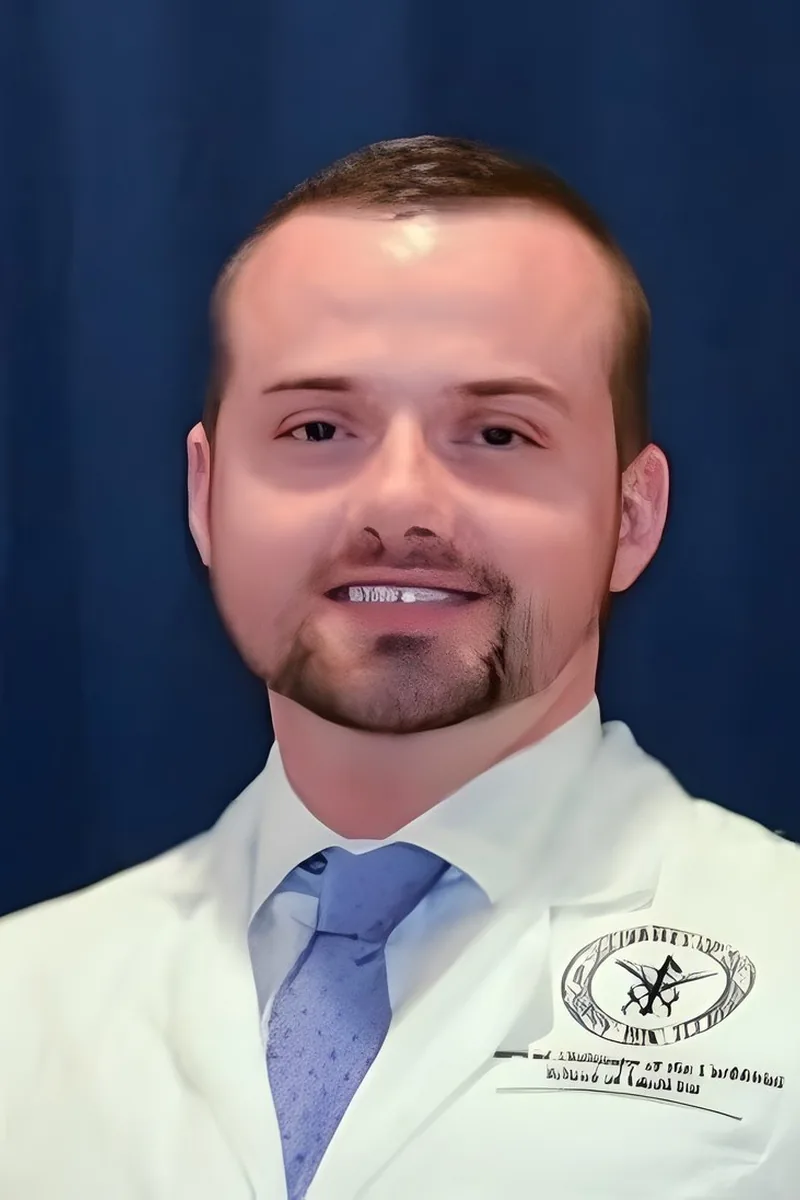
Before medical school, Macklin struggled with coursework himself — which means he knows exactly where biostatistics concepts like sensitivity, specificity, and p-value interpretation trip students up, because they once tripped him up too. Now a dean's list third-year med student, he breaks down study design and statistical reasoning by walking through the clinical research papers he's actively reading. Rated 5.0 by students.
Biochemistry lab work at the University of Michigan meant Kirby couldn't just run experiments — she had to decide whether her results actually meant something, which meant grappling with statistical tests, error analysis, and sample size considerations before any conclusion could hold up. That training in evaluating biological data carries directly into teaching biostatistics concepts like p-values, variance, and choosing the right analytical approach for a given dataset. Rated 4.9 by students.
Bioengineering lab courses at UIC's Honors College don't let you hand-wave through your data — Shouvik has had to choose appropriate statistical tests for biological experiments, interpret p-values from tissue engineering datasets, and justify sample sizes in formal reports. That firsthand experience with real biological variability makes him effective at teaching concepts like hypothesis testing, descriptive statistics, and study design. Rated 4.9 by students.
Biochemistry and psychology together mean Nathaniel has designed experiments on both the molecular and behavioral sides — two domains where the datasets look completely different but the statistical logic (choosing tests, interpreting p-values, understanding variance) is the same. That dual training makes him particularly good at explaining when to apply specific methods like t-tests, ANOVA, or correlation analysis, because he's had to think through which tool fits which kind of biological question. Rated 5.0 by students.
Reading medical literature requires fluency in biostatistics — knowing when a study's design actually supports its conclusions and when a low p-value is misleading. Ted lived this throughout his medical education, interpreting survival curves, odds ratios, and multivariate analyses in clinical contexts. He teaches biostatistics as a critical-thinking toolkit, connecting each method to the research questions it's designed to answer.
As a teaching assistant for a graduate-level biostatistics and R programming course at Nova Southeastern University, Tyler has walked students through everything from ANOVA designs to logistic regression in biological contexts. His own master's research on marine fish ecology keeps him actively using these methods — running power analyses, interpreting p-values, and building statistical models from messy field data.
Earning her Master of Science in Global Health from Duke meant Andria lived inside biostatistics — designing studies, running regression analyses, and interpreting p-values in the context of real epidemiological data. She unpacks concepts like confidence intervals, odds ratios, and survival analysis by grounding them in the public health questions they're built to answer.
Sitting at the intersection of biology and statistics, biostatistics trips up students who are strong in one field but shaky in the other. Pallavi's dual background — a master's in biology plus a BS in economics with a policy concentration — means she's fluent in both experimental design and the quantitative methods (regression, survival analysis, hypothesis testing) that make sense of biological data.
Medical school trains you to read studies critically — picking apart odds ratios, questioning sample sizes, and spotting when a confidence interval undermines a paper's bold conclusion. Sanjul, now in his final year of osteopathic medical training with a biology foundation, brings that clinical lens to biostatistics concepts like hypothesis testing, relative risk, and regression modeling. Rated 5.0 by students.
I am also interested in tutoring college students preparing for the GRE general test. For test preparation, I assign a decent amount of homework each week and I spend the majority of my sessions going over the questions my students answer incorrectly.
Biostatistics sits right at the intersection of Michael's two strengths — biology and quantitative analysis. His master's research required designing experiments, selecting appropriate statistical models, and interpreting output from tools like R, so he walks students through survival analysis, logistic regression, and study design with the confidence of someone who's applied each method to real data.
Lindsay's biology degree with a math minor means she's lived on both sides of biostatistics — understanding the experimental design behind biological research and the quantitative tools needed to draw valid conclusions from it. She digs into concepts like probability distributions, hypothesis testing, and regression by connecting each method to the kind of data a biologist would actually collect. Rated 4.9 by students.
Running genomics experiments at Washington University and now studying synapse formation at Duke, Kristina has spent years generating the kind of high-dimensional biological data where statistical missteps — wrong multiple comparisons corrections, underpowered sample designs — can sink a paper before peer review. She teaches biostatistics concepts like ANOVA, regression, and experimental power by drawing on the actual analytical decisions she's made with her own neural datasets. Rated 5.0 by students.
A PhD in Statistics paired with a mathematics foundation means Bahaeddine doesn't just teach biostatistics formulas — he can explain the probabilistic theory underneath methods like logistic regression, survival analysis, and hypothesis testing, then show how those methods apply to biological and clinical datasets. Fifteen years of teaching statistics at the college level have given him a deep catalog of examples for making abstract concepts like p-values, confidence intervals, and study design feel concrete and intuitive.
Testimonials
Because the right Biostatistics tutor makes all the difference.
Average Session Rating – Based on 3.4M Learner Ratings
Other Detroit Tutors
Related Science Tutors in Detroit
Frequently Asked Questions
Biostatistics courses generally cover foundational statistics concepts applied to biological and health sciences, including probability distributions, hypothesis testing, confidence intervals, and regression analysis. Students often work with real health data, epidemiological studies, and study design principles. The specific curriculum depends on whether students are taking introductory biostatistics, advanced statistical methods, or specialized courses like survival analysis or clinical trial design. Varsity Tutors connects you with tutors who understand these varying curriculum approaches and can help you master both the computational and conceptual aspects of biostatistics.
Many students struggle with translating real-world health questions into statistical frameworks—understanding which test to use and why matters as much as performing calculations. Interpreting p-values, confidence intervals, and study results often trips up learners, as does the conceptual jump from theory to application. Students also frequently find themselves overwhelmed by the programming component (R, SAS, or Python) alongside the statistical reasoning. Working with personalized 1-on-1 instruction helps you identify where your understanding breaks down and build the conceptual foundation needed to tackle complex problems with confidence.
Biostatistics word problems require you to extract relevant information, identify the population and variables, recognize the study design, and select appropriate methods—all before calculating. Strong problem-solvers break these down systematically: first understand what's being asked, then identify what type of data and study design you're dealing with, then choose your approach. Tutors can help you develop these strategies and recognize patterns in different study designs (cohort studies, case-control, randomized trials, etc.). With personalized tutoring, you'll practice translating research questions into statistical language and build the critical thinking skills that make biostatistics click.
In biostatistics, you're not just calculating—you're interpreting real health data and making decisions that matter. Memorizing formulas without understanding why you're using them leads to incorrect conclusions and misinterpretation of results. When you understand concepts like Type I and Type II errors, confounding variables, or the logic behind confidence intervals, you can adapt your knowledge to new situations and catch mistakes. The difference between procedural knowledge (knowing how to run a regression) and conceptual knowledge (understanding what regression tells you about relationships) determines whether you truly grasp the subject. Personalized tutoring emphasizes building that deeper understanding so biostatistics becomes a tool you can confidently apply.
Yes. Many biostatistics courses integrate statistical software like R, SAS, or Python, and understanding the concepts alongside the code is essential. Tutors can help you learn the syntax, debug your code, understand what output means, and develop efficient programming practices. The best approach combines statistical theory with practical coding—you learn why you're writing a particular function and how to interpret the results it produces. If programming is your main challenge, or if you're strong conceptually but struggle with implementation, connecting with tutors experienced in biostatistics software can bridge that gap quickly.
Varsity Tutors connects you with tutors who have expertise in biostatistics and understand the specific challenges of the subject. When you reach out, you can specify your course level (introductory, graduate, or specialized), what topics you need help with (hypothesis testing, study design, programming, etc.), and your learning style. Tutors are matched based on their expertise and ability to explain complex concepts clearly. Whether you need help preparing for an exam, working through a challenging problem set, or building foundational understanding, you'll be connected with someone qualified to guide you through biostatistics.
Biostatistics anxiety often stems from feeling lost between the math and the interpretation, or from rushing through problems without understanding why you're doing each step. Working 1-on-1 with a tutor eliminates the pressure of a classroom pace—you can ask questions freely, work through concepts at your speed, and build confidence one concept at a time. When you understand the 'why' behind each step, problems feel less intimidating and more like puzzles you can solve. Personalized instruction also helps you recognize patterns and connections, which transforms biostatistics from an overwhelming subject into a logical, learnable discipline. Many students discover that with the right support, biostatistics is genuinely interesting and applicable.
Let’s find your perfect tutor
Answer a few quick questions. We’ll recommend the right plan and match you with a top 5% tutor.