Award-Winning Creative Writing Tutors
serving Houston, TX
Creative Writing
Tutors in Houston
Private 1-on-1 tutoring, weekly live classes for academic support, test prep & enrichment, practice tests and diagnostics, and more to elevate grades and test scores.
Based on 3.4M Learner Ratings
UniversitiesSchools & Universities
DeliveredHours Delivered
ProficiencyGrowth in Proficiency
Who needs tutoring?
No obligation. Takes ~1 minute.
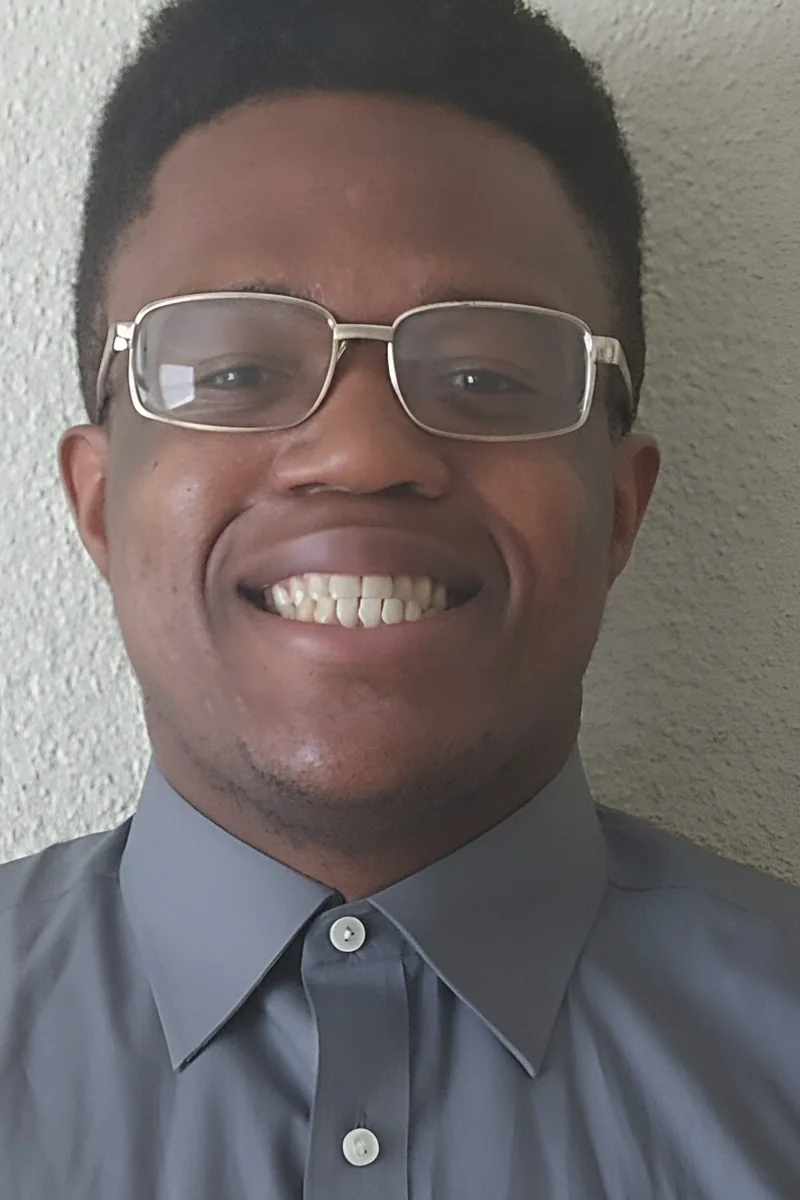
Spending years in research labs taught Emmanuel something unexpected about creative writing: the best ideas emerge from disciplined process, not inspiration alone. He walks writers through generating material, experimenting with form and voice, and revising with intention — whether the project is poetry, personal essay, or short fiction.
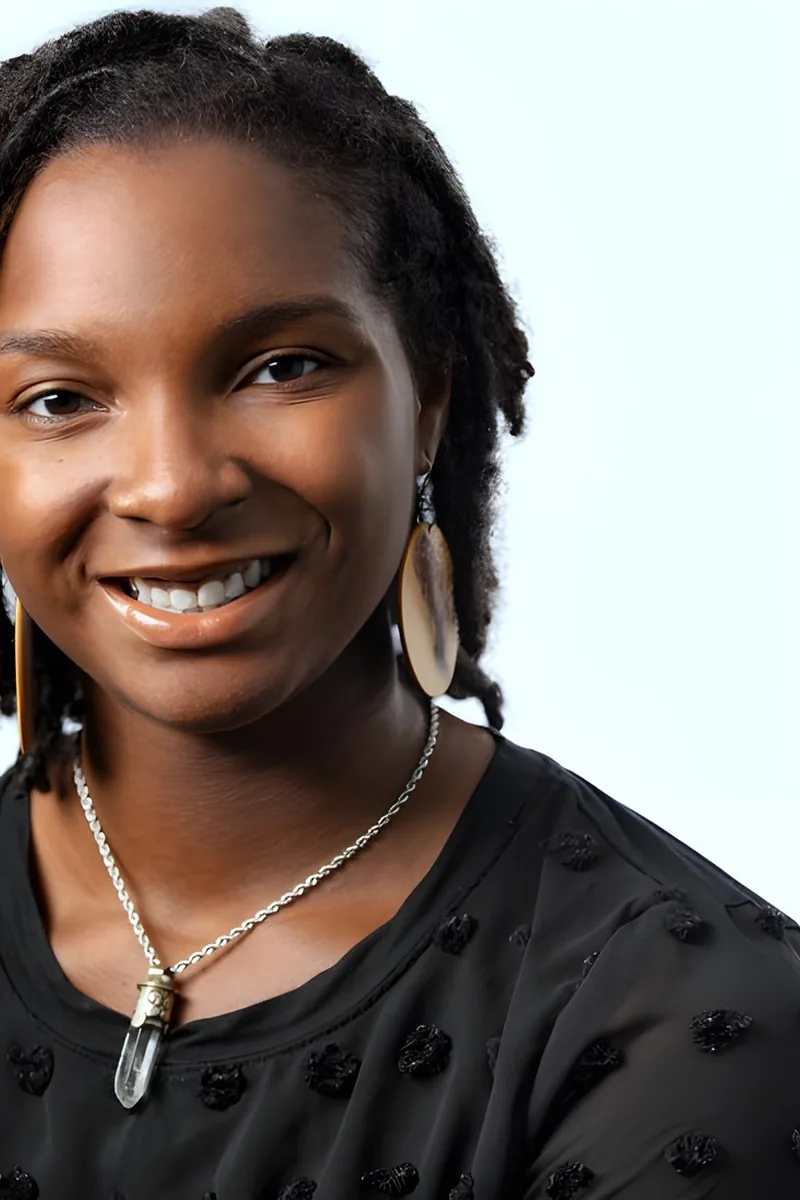
Policy analysis trains you to take a messy, tangled situation and find the story inside it — who's affected, what's at stake, why it matters — which is exactly the muscle Briana flexes when she sits down with a student's draft and asks where the real tension lives. Her own writing spans fiction, journalism, and expository work, so she can show students how techniques migrate across genres: how a journalist's eye for the telling detail sharpens a short story, or how an essayist's structural instincts give a poem unexpected shape.
Between her biology research writing and her fiction work, Karina knows the difference between prose that merely conveys information and prose that makes a reader feel something — and she's good at showing students exactly where their drafts cross from one to the other. She's particularly sharp on revision, teaching writers to interrogate every sentence for specificity: swapping vague emotional statements for the concrete image or action that earns the emotion. Rated 5.0 by students.
I am most passionate about biology and chemistry. I am a firm proponent of education, believing it to be absolutely necessary for an improved quality of life, and I try to impart this appreciation to all of my students.
Every writer hits the moment where an idea feels vivid in their head but flat on the page. John's BFA training in both English and drama sharpened his instincts for dialogue, scene construction, and voice — the craft elements that bring fiction, poetry, and personal narrative to life. He approaches revision as a creative act, teaching students to diagnose why a draft isn't working and rebuild it with intention.
Studying both English and Film at Cornell gave Natalie a dual lens on storytelling — she understands how narrative tension, voice, and imagery work across mediums. She digs into the craft elements of each student's writing, whether that's sharpening dialogue, finding a more compelling point of view, or restructuring a draft so the pacing actually lands.
A triple major in Plan II Honors, Psychology, and Music at UT Austin, Jasmine brings an unusual cross-disciplinary eye to creative writing — she understands how narrative voice, sensory detail, and emotional arc work together to hold a reader. She digs into craft elements like point of view, dialogue pacing, and scene structure, treating each draft as raw material worth reshaping rather than something to "fix."
Good creative writing isn't just inspiration — it's learning to control pacing, voice, and structure so the words on the page actually land the way you intend. Christopher brings both his Duke English minor coursework and his own love of reading across genres to help students sharpen their fiction, poetry, or personal narratives. He digs into the revision process with students, treating each draft as raw material worth sculpting.
A blank page is less intimidating once you have concrete tools: specific prompts for generating material, techniques like free-writing and constraint-based exercises, and a revision process that turns rough drafts into polished pieces. Miguel studied English formally and applies that training across poetry, personal essays, and short fiction, adapting his approach to whatever genre a student wants to explore.
Theatre training at Smith College means Jennifer spends her days inhabiting characters, building scenes, and understanding what makes an audience lean in — instincts that translate directly into writing vivid fiction, compelling monologues, and poetry with real dramatic weight. Her education studies sharpen that further, giving her a knack for breaking down craft moves like scene-setting or character voice into steps a student can actually practice and repeat. Rated 4.9 by students.
Nikita's neuroscience coursework at Texas A&M means she spends her days studying how the brain processes emotion, memory, and sensation — raw material she brings into creative writing sessions when students need to make a feeling land on the page instead of just naming it. Her dual comfort with scientific precision and humanities writing lets her coach both the imaginative leap and the careful revision, especially for students who tend to over-explain rather than trust a well-chosen image.
Good creative writing instruction balances encouragement with honest craft feedback. Binny approaches workshops and one-on-one sessions by zeroing in on specific techniques — imagery, voice, narrative structure, line-level rhythm — so writers walk away with concrete revisions rather than vague praise. Her master's in English anchors that feedback in a deep knowledge of how published literature actually works.
Poetry, flash fiction, personal essays, even screenplays — Alexandra writes across all of them as part of her Creative Writing concentration at the University of North Texas. That range means she can teach craft elements like voice, imagery, and narrative structure no matter what genre a student wants to explore. She treats every draft as a starting point and shows students how revision is where the real writing happens.
Meg holds an MFA in Creative Writing, which means she's spent years workshopping fiction, experimenting with voice, and learning how to give feedback that actually pushes a draft forward. She digs into the specific craft elements — point of view, pacing, dialogue, scene structure — that turn a rough idea into a story worth reading. Whether a student is writing their first short story or revising a portfolio, she knows how to unlock what's working and sharpen what isn't.
Getting words on the page is one challenge; revising them into something alive is another entirely. Lauren tackles both sides of creative writing, from generating raw material through freewriting and observation exercises to sharpening drafts through attention to voice, imagery, and sentence rhythm. Her own experience as a dissertation writer means she understands the discipline it takes to sustain a long-form project.
Fiction writing and poetry are where Gabriele's linguistics training becomes unexpectedly powerful — understanding how phonemes, syntax, and register actually work gives her a technical vocabulary for explaining why one sentence sings and another falls flat. She brings that same analytical ear to drafting and revision, whether a student is experimenting with rhythm in a poem or trying to nail a character's distinct speaking voice in dialogue. Rated 5.0 by students.
Richa's biomedical sciences coursework means she spends most of her time writing about the human body in clinical, precise language — which turns out to be surprisingly useful in creative writing, where she teaches students to ground abstract emotions in physical sensation and concrete bodily detail. She's especially good at helping writers who default to telling how a character feels instead of showing it, using exercises that translate scientific observation skills into vivid, sensory prose.
Amanda's approach to creative writing starts with the craft elements that make a piece land — sensory detail, voice, pacing, dialogue that actually sounds like people talking. She's the kind of writing coach who'll invent a ridiculous acronym for the components of a strong opening paragraph and then prove it works by walking through published examples.
Medha is a practicing visual artist who recently picked up block printing, and that creative instinct shapes how she teaches fiction, poetry, and personal narrative. She digs into the craft elements — voice, imagery, dialogue, pacing — and gives feedback that pushes students to surprise themselves on the page rather than just meet a word count.
Good creative writing isn't just inspiration — it's craft decisions about point of view, pacing, dialogue, and revision. Peter trained as a journalist before earning his master's in English Education, so he teaches students to treat their drafts as material to shape rather than precious first attempts. That combination of storytelling instinct and editorial discipline shows up in the fiction, poetry, and personal essays his students produce.
Kahini's path from an English degree at Brown to a neuroscience PhD at Columbia means she's spent years toggling between two very different kinds of writing — literary prose that lives in ambiguity and scientific writing that demands precision. That dual fluency shows up in her creative writing sessions, where she can help a student craft a poem that lingers in the right places or tighten a short story's pacing with the same structural instinct she brings to research. Her published fiction background and deep reading in psychology also give her a sharp eye for character interiority — the difference between telling a reader someone is afraid and making them feel it.
A blank page is less intimidating when you have concrete techniques to fall back on — sensory detail, dialogue rhythm, narrative pacing. Renee's PhD work immersed her in how stories are constructed across genres and traditions, and she applies that structural awareness to help writers at any level find their voice and shape raw ideas into polished pieces.
A BA in Creative Writing plus a daily writing practice means Thomas isn't just teaching craft — he's actively living it. He unpacks elements like point of view, dialogue mechanics, scene pacing, and sensory detail, then applies them directly to whatever a student is working on, whether that's a short story, a poem, or the opening chapter of something bigger.
Working across audio documentary, performance, and media literacy gave Sarah a storyteller's instinct for how different forms shape the same raw material — a skill she brings into creative writing when students need to figure out whether an idea wants to be a poem, a personal essay, or a short story. Her anthropology training adds an unusual depth to character and setting work, pushing writers to observe the specific cultural details and human behaviors that make fictional worlds feel inhabited rather than invented. Rated 5.0 by students.
Songwriting, fiction, college essays, music composition — Jordan's creative output spans an unusual range, which means he knows firsthand how the same core moves (finding a voice, building tension, cutting what doesn't serve the piece) play out differently across forms. His American Studies background adds a storyteller's instinct for weaving cultural context into personal narrative, and he's especially sharp at helping writers figure out what their draft is actually about underneath the first version they put down.
Statistics might seem like an odd foundation for creative writing, but Dylan's training at the University of Chicago in finding patterns and building arguments from data translates into an unusual strength: helping writers tighten the logic of their narratives, spot where a story's internal structure breaks down, and make deliberate choices about what to include versus cut. He also writes across genres himself — from college essays to literary analysis — and brings that range to sessions where students are drafting fiction, poetry, or personal pieces that need both creative risk and disciplined revision.
Most creative writing instruction defaults to 'just express yourself,' which isn't much help when a student is staring at a blank page. Bethany uses structured exercises — character sketches, dialogue constraints, scene-building prompts — to give students concrete tools for generating and shaping their ideas. Her background in narrative analysis from Berkeley and Duke means she can pinpoint exactly where a story's pacing or voice needs work.
An acting student in New York City, Marc knows what it takes to build a scene from the inside — finding a character's voice, raising the stakes in a moment, making dialogue land with real emotional weight. He brings that performer's instinct for dramatic tension and authentic voice into creative writing sessions, especially when students are drafting fiction or monologues that need to feel alive rather than just read well on paper.
A creative writing tutor who only praises a student's work isn't much use — real improvement comes from learning craft techniques like controlling pacing, writing believable dialogue, and choosing concrete details over vague abstractions. Karen writes herself and studied literature at Vanderbilt, so she gives the kind of specific, constructive feedback that sharpens a draft from rough idea to polished piece.
Talia writes fiction and poetry in her own time, but her political science and activism background gives her creative work — and her tutoring — an unusual edge: she knows how to build an argument with scene and image instead of thesis statements, and she teaches students to do the same. She's particularly sharp at helping a draft find its voice, whether that means stripping away overwrought language or pushing a student to dig into the one honest detail they've been dancing around. Rated 5.0 by students.
Anthony's background in Literary Arts means he's written across genres — poetry, personal essay, short fiction — and understands how each form demands different instincts on the page. He teaches students to experiment with voice, structure, and imagery while developing a revision process that actually sharpens their work instead of flattening it.
Testimonials
Because the right Creative Writing tutor makes all the difference.
Average Session Rating – Based on 3.4M Learner Ratings
Nearby Creative Writing Tutors
Other Houston Tutors
Related English Tutors in Houston
Frequently Asked Questions
Creative writing tutoring helps students develop their storytelling, character development, dialogue, and descriptive writing skills. Tutors work with students on various genres—fiction, poetry, personal essays, and screenwriting—while providing personalized feedback on their work. Sessions focus on both the craft of writing and helping students find their unique voice and style.
Writer's block is one of the most common challenges creative writers face, and tutors are trained to help you work through it. They can use brainstorming techniques, prompt exercises, and structured writing activities to get ideas flowing again. A tutor also helps you understand whether your block stems from perfectionism, unclear direction, or simply needing a fresh perspective—then tailors strategies to address your specific situation.
Varsity Tutors connects you with tutors who provide detailed, constructive feedback on everything from plot structure and character development to sentence-level clarity and word choice. Rather than just marking errors, tutors explain the 'why' behind their suggestions and help you understand how to revise effectively. This personalized approach helps you develop critical self-editing skills that improve your writing over time.
Yes, tutors working with students in Houston are familiar with Texas writing standards and the creative writing curricula used across the district's 45 school districts. Whether you're working on assignments for your English class, preparing for creative writing competitions, or developing a portfolio, tutors can align their instruction with what you're learning in school while also helping you explore writing beyond the classroom.
Your first session is an opportunity for the tutor to understand your writing goals, current skill level, and what you want to improve. You might discuss your favorite genres, share some of your writing, or talk about specific challenges you're facing. From there, the tutor creates a personalized plan that could include technique-building exercises, feedback on your existing work, or guided writing projects tailored to your interests.
Finding your voice is central to creative writing, and tutors help you discover it through reading analysis, writing experiments, and guided revision. They help you understand the difference between following grammar rules and breaking them intentionally for style, and they encourage you to explore what makes your perspective unique. Through regular practice and feedback, you'll develop confidence in your distinctive voice and style.
Absolutely. Varsity Tutors connects you with tutors who specialize in various creative writing genres, including poetry, fiction, screenwriting, memoir, and more. Whether you're interested in mastering haiku, developing a novel, or writing scripts, you can find a tutor with expertise in your chosen genre who can teach you the specific conventions and techniques that make that form work.
Getting started is simple—tell Varsity Tutors about your creative writing goals, experience level, and any specific genres or challenges you want to focus on. You'll be matched with an expert tutor who fits your needs and learning style. From there, you can schedule sessions that work with your schedule and begin receiving personalized instruction tailored to help you grow as a writer.
Let’s find your perfect tutor
Answer a few quick questions. We’ll recommend the right plan and match you with a top 5% tutor.