Award-Winning Computer Science Tutors
serving Corpus Christi, TX
Computer Science
Tutors in Corpus Christi
Private 1-on-1 tutoring, weekly live classes for academic support, test prep & enrichment, practice tests and diagnostics, and more to elevate grades and test scores.
Based on 3.4M Learner Ratings
UniversitiesSchools & Universities
DeliveredHours Delivered
ProficiencyGrowth in Proficiency
Who needs tutoring?
No obligation. Takes ~1 minute.
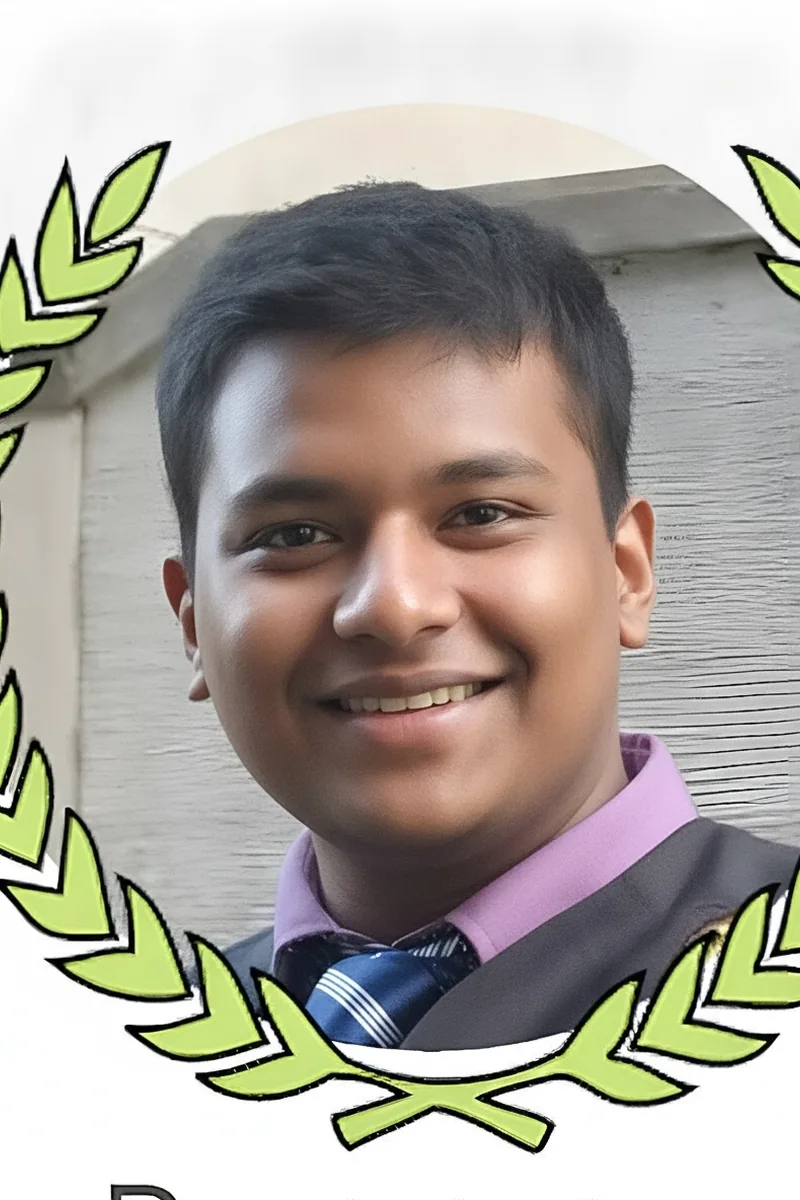
Sakibul's graduate work at Rice sits at the intersection of computer science and applied mathematics, which means he tackles programming concepts — loops, recursion, data structures — with the analytical rigor of a mathematician. He breaks down abstract ideas like algorithmic complexity into concrete, step-by-step reasoning that clicks for students encountering CS for the first time.
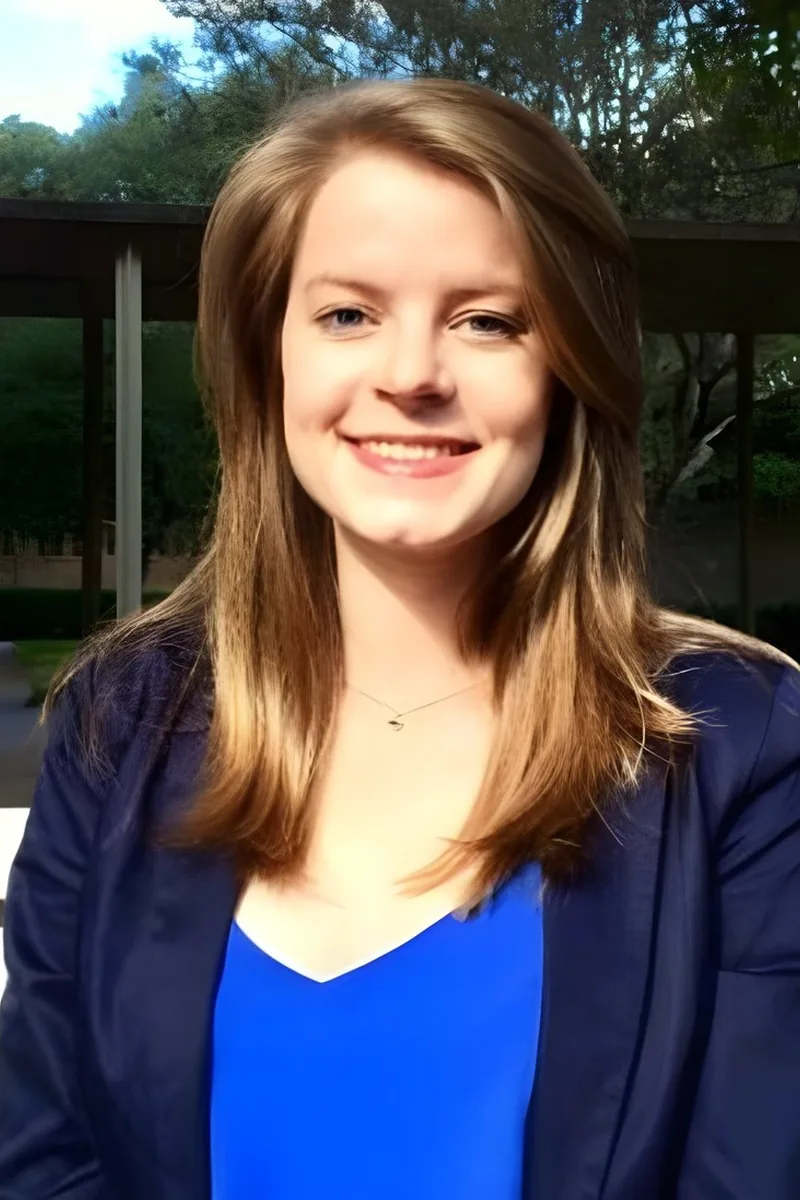
Biomedical engineering at Rice requires heavy computational coursework, so Theresa has tackled core computer science concepts — from object-oriented programming and data structures to algorithm complexity — in the context of solving real problems. She explains abstract ideas like recursion and sorting algorithms by connecting them to concrete examples rather than letting students drown in theory. Rated 5.0 by students.
Trained in computer science at UT Austin and currently pursuing a PhD that blends computational methods with social science, David brings both theoretical depth and applied versatility to CS instruction. He digs into core topics like algorithm analysis, data structures, and computational complexity, connecting them to the kind of real-world problem-solving that makes the discipline click.
Payton pairs her CS coursework at Texas A&M with hands-on experience across C++ and Python — two languages that force you to think differently about memory, abstraction, and program structure. She uses that contrast to teach concepts like pointers, data types, and object-oriented design in a way that builds real understanding of what's happening under the hood. Rated 4.9 by students.
From data representation and Boolean logic to algorithm design and computational thinking, Jack covers the full spread of computer science fundamentals as a CS major at the University of Chicago. He's the person his peers turn to when they're stuck on a problem set, which means he's constantly practicing the skill of explaining abstract concepts — recursion, runtime analysis, data abstraction — in plain language.
Software engineering internships at Apple and Microsoft gave Jerry hands-on experience with data structures, algorithms, and system design that most CS undergrads only encounter in textbooks. Now finishing his Computer Science degree at UT Austin, he breaks down complex topics like recursion, object-oriented design, and algorithmic complexity by connecting them to real production codebases he's actually worked in. Rated 4.9 by students.
From data structures and algorithms to computational logic, computer science covers a huge range of ideas that can feel disconnected without a unifying thread. Alicia ties these concepts together through her dual background in CS and architecture, where she routinely uses programming to solve spatial and structural problems. That cross-disciplinary perspective makes abstract topics like recursion or graph traversal feel grounded and purposeful.
As a lab assistant and grader for Rice University's Fundamentals of Computer Engineering course, Omar has spent semesters diagnosing exactly where students misunderstand hardware-software interactions — from digital logic gates to how high-level code maps onto actual processor architecture. His electrical and computer engineering degree means he teaches CS concepts like memory management and low-level optimization with a concrete sense of what the machine is doing underneath. Rated 5.0 by students.
From data structures and algorithm complexity to Boolean logic and binary representation, Jake covers computer science fundamentals with the rigor of someone who studied them as part of an electrical engineering degree. He's particularly strong at explaining how abstract concepts like recursion or Big-O notation connect to real computational performance. Students rate him 5.0.
Computational engineering at UT Austin sits at the intersection of CS theory and applied problem-solving, which means Atharva doesn't just know algorithms and data structures — he uses them to model real systems in aerospace and physics simulations. He digs into topics like Big-O analysis, sorting algorithms, and recursion by connecting each concept to why it matters in actual software. Rated 5.0 by students.
I am currently a senior at Emory University studying chemistry and applied math with a focus on inorganic chemistry. I will be available to tutor algebra, trigonometry, algebra 2, biology, chemistry, calculus, geometry, pre- calculus, and ACT prep. I started tutoring in high school and continued tutoring at Emory where I tutored general chemistry, introductory biology, and calculus for two years. Apart from academic tutoring, I am also involved in Project SHINE which teaches English to recent Atlanta immigrants. I believe that education (no matter what kind) is crucial in life, but I also strive to emphasize why something is important. In my experience, most students struggle with something because they don't understand exactly why it is important or simply do not care. I am heavily involved in academic research at Emory so I am able to help a student understand exactly why a specific subject area is important and how it is continuously applied both in the lab and in the real world to improve our lives. It's always easier to see the physical and practical applications of a subject than try to visualize its importance on paper. In my spare time I enjoy chemistry, ancient Roman history, jam bands, running, cycling, and scuba diving.
Studying Computer Science at UT Austin, Omar digs into everything from data structures and algorithms to object-oriented design with students who are just getting started or preparing for AP-level work. He breaks down concepts like recursion and sorting algorithms by tracing through code line by line, making abstract logic feel concrete and buildable.
From algorithm design and data structures to computational theory and systems architecture, Snipta covers the full CS curriculum with the credibility of someone who shipped real software at Microsoft. Her cognitive science background adds an unusual edge — she understands how people learn to think computationally, which makes her especially effective at teaching recursion, abstraction, and other concepts that trip students up. Rated 5.0 by students.
Mechanical engineering at Rice means Aleksey writes code to solve physical problems — simulating heat transfer, modeling fluid dynamics, automating lab data analysis — which gives his CS tutoring a distinctly applied flavor. He teaches programming fundamentals like loops, functions, and object-oriented design through the lens of building something that actually works, not just passing a test. Holds a 5.0 rating.
Studying both Biomedical Engineering and Computer Science at UT Austin, Marc tackles CS concepts from data structures and algorithms to object-oriented design with a build-it-to-learn-it philosophy. He'd rather have a student debug a linked list implementation than memorize its definition — that hands-on problem solving is what makes concepts stick. Rated 5.0 by students.
Understanding computer science means thinking in layers: how data structures serve algorithms, how algorithms shape system design, and how abstractions connect to real hardware. Tolu earned a full stack web development certificate from UT Austin after studying economics at Stanford, so he bridges theoretical CS concepts with hands-on implementation across multiple languages. He presses students to articulate their reasoning at every step, which builds the kind of debugging intuition that textbooks can't teach.
From data structures and algorithm complexity to systems-level thinking about how software actually runs on hardware, Miguel covers the full CS curriculum with the depth his own bachelor's degree demanded. He's particularly strong at teaching students to analyze runtime using Big-O notation and to choose the right data structure before writing a single line of code. Rated 4.9 by students.
Problem-solving is problem-solving — Roozbeh approaches computer science the same way he tackles math, by breaking complex logic into smaller, testable pieces. He walks through fundamentals like control flow, data structures, and algorithmic thinking in a way that builds real debugging instincts.
Cornell's Electrical and Computer Engineering program, combined with a CS minor, gave Alexander deep exposure to everything from algorithms and data structures to digital logic and systems-level thinking. He spent six semesters as a TA for Intro Digital Logic, where he got skilled at breaking abstract computational concepts into concrete, buildable intuition. Rated 5.0 by students.
Learning to code is really learning to think in structured abstractions — loops, recursion, data structures, algorithms. Muhammad's electrical and computer engineering studies put him at the intersection of hardware and software, giving him a ground-up understanding of how computers actually execute the code you write. That perspective makes concepts like memory management, runtime complexity, and object-oriented design far more concrete.
From sorting algorithms to data structures to recursion, Lloyd approaches computer science as a toolkit for solving real problems rather than an abstract set of rules. His data science coursework at the University of Rochester keeps him fluent in both the theoretical foundations and the practical implementation side, which means he can explain why a hash map outperforms a list — not just how to use one.
Programming clicks when you stop memorizing syntax and start thinking like an engineer — and that's exactly how Jett approaches computer science. His electrical and computer engineering studies at UT Austin mean he teaches Java, Python, and C by connecting code to the underlying logic of how machines actually process instructions. Rated 5.0 by students.
From data structures and algorithm analysis to the fundamentals of how operating systems manage memory, Daniel covers computer science as someone actively deep in the coursework at Texas A&M. He's particularly strong at explaining recursive thinking and Big-O complexity in ways that stick beyond the next exam.
From data structures and algorithm complexity to operating systems concepts in Linux, Sourav covers the full CS curriculum with the perspective of someone who studied it formally and then applied it in technology commercialization. He's especially strong on the practical side — debugging code, tracing recursive calls, and understanding why a hash map outperforms a linked list for a given problem.
Jacqueline writes production code daily as a software engineer and holds a B.S. in Computer Science from UT Austin, so she teaches concepts like recursion, data structures, and algorithm complexity from real-world experience rather than purely academic examples. Whether a student is debugging their first Python script or wrestling with graph traversal, she breaks problems into manageable pieces. Her Human-Computer Interaction minor also means she thinks carefully about how people learn technical material.
Pursuing a computer science degree with a focus on software development, Jacob lives this material daily — from data structures like linked lists and binary trees to algorithm analysis using Big-O notation. He explains these foundational concepts by tracing through code step by step, so students see how an abstract idea like recursion actually executes in practice.
Shauna's IT degree and daily work with coding and robotics give her a practitioner's view of computer science, not just a textbook one. She unpacks core concepts like variables, control flow, and data structures by connecting them to real projects — building a simple game loop or automating a repetitive task — so abstract ideas become tangible. Students walk away understanding the logic, not just copying syntax.
Studying computer science at Columbia gave Jeremy a ground-up understanding of everything from data structures and algorithms to object-oriented design. He teaches these concepts by building intuition first — explaining why a hash table outperforms a linked list for lookups, for instance — then translating that understanding into working code. He also enjoys introducing students to new programming languages, a hobby he pursues outside the classroom.
Sandra earned her CS degree writing code and solving problems — and now she teaches everything from introductory programming logic to more advanced topics like data structures and algorithm design. What sets her apart is how naturally she connects computer science to the quantitative and analytical thinking she uses across her other subjects, so students see CS as a problem-solving framework rather than just syntax to memorize. Rated 5.0 by students.
Currently pursuing a CS degree at UT Austin — and coding for quantum computers in his spare time — Sarvesh lives and breathes this subject. He tackles everything from basic data structures and algorithms to object-oriented design, breaking abstract concepts into concrete, step-by-step logic that students can trace on paper before writing a single line of code. His teaching style prioritizes understanding the 'why' behind each approach, not just memorizing syntax.
Bennet is pursuing a computer science degree while simultaneously interning as a working programmer, which means he bridges the gap between academic theory and production-level practice. He unpacks core topics like data structures, algorithm complexity, and recursion by connecting them to real code he's written professionally.
The jump from writing simple programs to understanding algorithms, data structures, and computational complexity is where computer science gets genuinely hard. Neel's combined training in mathematics and CS at UT Austin means he can explain why a sorting algorithm runs in O(n log n) time — not just how to implement it. He holds a 5.0 rating from students.
The overlap between mathematics and computer science is where Alonso thrives — algorithm analysis, Big-O notation, and discrete structures all draw directly on his math degree and statistics training. He unpacks topics like graph traversal, sorting complexity, and data structure trade-offs in a way that builds genuine understanding. His 5.0 rating speaks to how well that approach lands with students.
Pursuing a CS degree with a math minor at Texas A&M, Nicholas brings C++ and Python fluency to topics like data structures, recursion, and algorithm complexity — and his mathematical training means he can explain the "why" behind runtime analysis instead of just asking students to memorize Big-O rules. He's especially sharp at connecting the programming side of CS to the discrete math concepts that underpin it. Rated 5.0 by students.
Between his electrical and computer engineering degree from Olin and his current work as a software engineer, Subhash has lived on both the hardware and software sides of CS. He digs into core concepts like data structures, algorithms, and object-oriented design by connecting them to real applications in fields like machine learning and data science. That industry context makes abstract topics like Big-O notation or recursion feel like tools rather than theory exercises.
I'm a Computer Science student who's been teaching all my life. From tennis camps for kids to an engineering physics class for college kids, I really enjoy helping someone discover for themselves what they are capable of! Please let me know if there's anything you'd like me to help you with.
Teaching math and physics across every level from pre-algebra through college statics, Alex has spent years translating abstract logic into step-by-step problem solving — the same core skill that drives computer science. He applies that structured, mathematical thinking to CS topics like discrete math foundations, algorithmic reasoning, and writing code that actually reflects a clear logical plan.
As experienced and passionated educator with a Bachelor's degree in Computer Science from Rice University, I am passionate about empowering students to achieve their academic goals. With over 3 years of tutoring experience in subjects such as AP Computer Science A, Machine Learning, and SAT Math, I adapt to different learning styles and create a supportive learning environment. My teaching philosophy centers on personalized instruction, where I connect with each student to understand their unique learning styles and challenges. I take pride in guiding students through the complexities of computer science and college application essays, equipping them with the skills they need for future success. Outside of tutoring, I enjoy exploring new technologies and engaging in coding projects to improve my teaching approach.
I am an undergraduate student at Rice University pursuing a B.A. in Neuroscience with minors in both Business and Biochemistry and Cell Biology. I also compete athletically at the NCAA Division 1 level as a member of Rice's Men's Cross Country and Men's Track and Field teams.
I'm a student at the University of Pennsylvania, pursuing a master's in Mechanical Engineering in Robotics. My expertise are in Calculus, Differential Equations, and Mechanics.
Testimonials
Because the right Computer Science tutor makes all the difference.
Average Session Rating – Based on 3.4M Learner Ratings
Nearby Computer Science Tutors
Other Corpus Christi Tutors
Related Technology and Coding Tutors in Corpus Christi
Frequently Asked Questions
Varsity Tutors matches Corpus Christi students with expert Computer Science tutors for 1-on-1 instruction. We pair each student with a tutor based on their specific needs, learning style, and goals.
Whether you need homework help, exam prep, or want to get ahead, our Computer Science tutors are ready to help.
Common challenges include gaps from earlier material, difficulty with specific concepts, and trouble applying learning to new problems. These issues can snowball quickly in Computer Science.
A tutor identifies where you're stuck, fills in gaps, and provides targeted practice. The 1-on-1 format means you get help exactly where you need it.
Tutors work with your student's actual coursework—homework assignments, class notes, and upcoming tests. This keeps tutoring directly relevant to what's happening in the classroom.
When you share information about your student's school and curriculum, we can match you with a tutor who has relevant experience.
All tutors complete background checks, credential verification, and teaching evaluation. Many of our Computer Science tutors hold advanced degrees or have years of teaching experience.
You can review tutor profiles to find someone with the right background for your student's level and needs.
Many students see improved grades within a few weeks, along with better understanding of Computer Science concepts and more confidence tackling challenging material.
Tutors track progress and adjust their approach to ensure continued improvement.
Most students benefit from 1-2 sessions per week. More frequent sessions help if your student is significantly behind or has an important exam coming up.
Your tutor can recommend a schedule based on your student's specific situation and goals.
Tutoring is purchased in packages of hours, with rates varying by tutor experience. Varsity Tutors offers several options to fit different budgets and needs.
You can discuss pricing during your consultation to find what works best.
Your tutor will assess where your student is, discuss goals, and start working on priority areas. Most students bring current homework or upcoming test material to focus on.
By the end, you'll have a clear sense of how the tutor can help and a plan for moving forward.
Let’s find your perfect tutor
Answer a few quick questions. We’ll recommend the right plan and match you with a top 5% tutor.