Award-Winning AP Chinese Language and Culture Tutors
serving Nashville, TN
AP Chinese Language and Culture
Tutors in Nashville
Private 1-on-1 tutoring, weekly live classes for academic support, test prep & enrichment, practice tests and diagnostics, and more to elevate grades and test scores.
Based on 3.4M Learner Ratings
UniversitiesSchools & Universities
DeliveredHours Delivered
ProficiencyGrowth in Proficiency
Who needs tutoring?
No obligation. Takes ~1 minute.
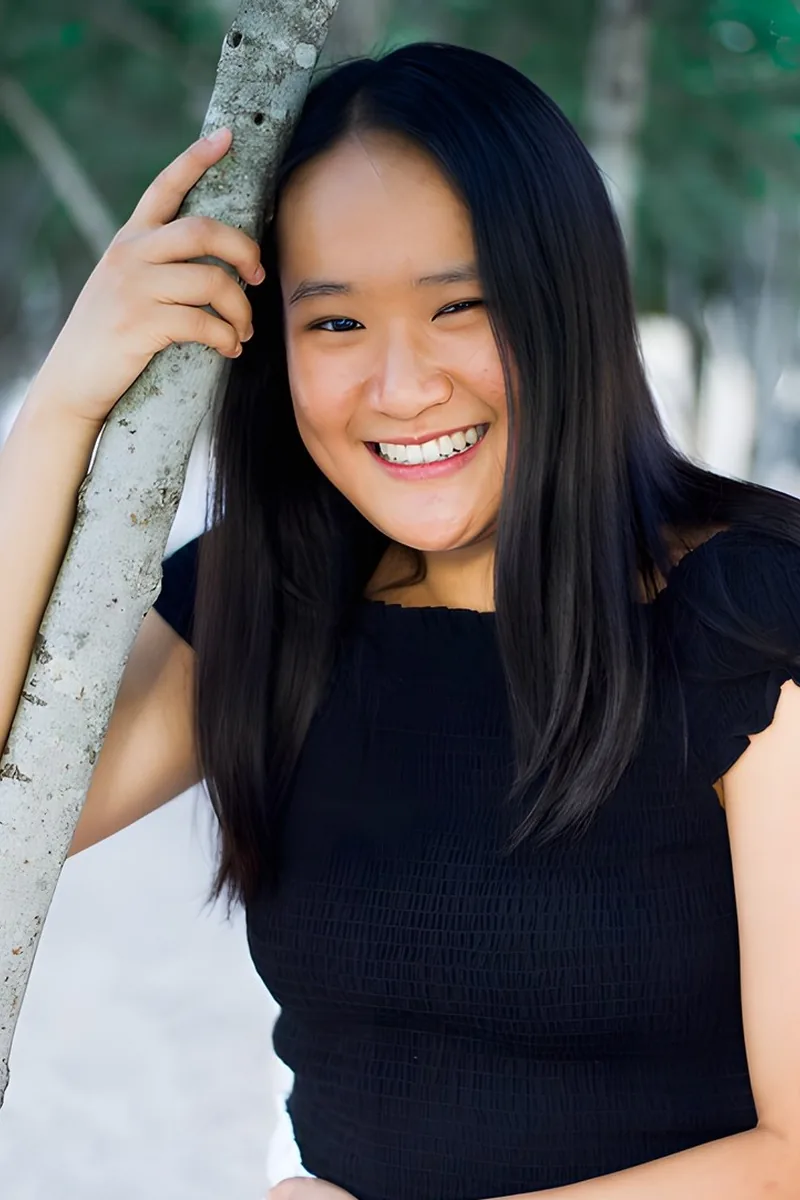
Eileen scored well enough on the SAT Subject Test in Chinese with Listening to understand both the language mechanics and the test strategy behind AP Chinese. She tackles the interpersonal and presentational communication tasks by drilling real conversational patterns and teaching students how to structure spoken and written responses under timed conditions.

Growing up as a native Mandarin speaker and now studying computer science at Georgia Tech, Caleb brings an analytical mindset to the AP Chinese exam's listening comprehension section — breaking down how to process rapid formal Mandarin by isolating key structural cues rather than trying to translate every word. He's especially useful for students who speak conversational Mandarin at home but struggle with the exam's academic register and the presentational speaking prompts that demand organized, formal delivery under time pressure.
Jess studies public policy and peace, war, and defense at UNC Chapel Hill — a program steeped in the kind of geopolitical and diplomatic context that gives AP Chinese cultural comparison essays real substance instead of generic observations. She speaks Mandarin conversationally and teaches it across multiple levels, so she can coach students on bridging the gap between everyday spoken Chinese and the formal presentational writing register the exam actually scores.
Having grown up in China and studied at both UW-Madison and Bonn University in Germany, Mingxi brings native Mandarin fluency and a multilingual learner's awareness of how language structures differ — an edge that's especially useful for the AP Chinese exam's interpersonal response tasks, where students must produce natural, register-appropriate Mandarin on the spot. She also teaches across three levels of Mandarin Chinese, so she can quickly diagnose whether a student's weak spots are tonal, grammatical, or rooted in limited exposure to formal written conventions. Rated 4.7 by students.
Wei's PhD research in language acquisition at UGA directly informs how she teaches the AP Chinese exam's trickiest section: presentational writing, where students must produce organized, culturally grounded Mandarin that reads as more than translated English. Her background teaching bilingual Chinese American children means she's skilled at diagnosing whether a student's errors stem from interference between their two languages — a distinction that changes the entire tutoring approach. Rated 5.0 by students.
Charles speaks both Cantonese and Mandarin and teaches across all four Mandarin Chinese levels, which means he can pinpoint exactly where a student's tonal accuracy or grammatical structure needs tightening before exam day. His strongest contribution to AP Chinese prep is the interpersonal response tasks — he runs rapid-fire conversational drills that build the kind of spontaneous, register-appropriate Mandarin the exam scores highest.
A native Mandarin speaker with undergraduate roots at Wuhan University — one of China's top ten — Albert brings an insider's grasp of the idiomatic phrasing, formal registers, and cultural references that the AP Chinese exam's interpersonal speaking and listening sections demand. His dual MBA training at UCLA and London Business School also means he can coach the presentational writing tasks with the kind of structured argumentation that earns top rubric scores.
Minoring in Chinese at Northeastern while pursuing a pharmacy degree, Amy uses the language daily in academic contexts — reading research, discussing coursework — which builds the kind of formal register fluency the AP Chinese exam's interpretive reading and presentational writing sections actually test. Her 4.9 rating from students reflects a knack for breaking complex characters and grammatical structures into manageable patterns, and she draws on her own experience as a heritage learner to bridge gaps between conversational Mandarin and the academic-level precision the exam demands.
Having scored on the SAT Subject Test in Chinese with Listening, Florence brings firsthand experience with the kind of language proficiency AP Chinese demands — from interpreting spoken passages to crafting written responses using appropriate registers. She knows which cultural comparison prompts tend to trip students up and how to structure presentational writing that earns top marks.
A literature degree paired with fluency in both Mandarin and Cantonese gives Bronwen an unusual edge on the AP Chinese exam's interpretive reading section, where students encounter texts that demand literary analysis skills — not just language ability. She teaches across all four Mandarin levels and scored 1530 on the SAT, reflecting the kind of close-reading discipline she brings to coaching students through the exam's densest written passages. Rated 5.0 by students.
The AP Chinese Language and Culture exam tests far more than vocabulary — it demands cultural fluency, the ability to compare perspectives, and comfort producing spoken and written Mandarin under timed pressure. Hannah holds a master's degree in Chinese Studies and is fully fluent in reading, writing, and spoken Mandarin, so she can prepare students for every section of the exam with real cultural context behind each response.
The AP Chinese Language and Culture exam tests listening, reading, speaking, and writing in a single sitting, which means students need more than vocabulary drills — they need fluency under pressure. Nova's real-world Mandarin teaching experience and her SAT Subject Test preparation in Chinese with Listening give her a sharp sense of where American-educated students typically lose points. She zeroes in on the story narration and cultural comparison sections that carry heavy weight on exam day.
Throughout the ages, the religious and philosophical leaders of the Far East considered teaching the noblest occupation-- one of true wisdom and selflessness. Having had the great fortune to experience the transformative power of wonderful teachers, I've come to agree with this viewpointI've found my calling in education. I haven't always known that teaching was the vocation for me. Even though I've always taught, on some level, as a T.A., a private tutor, a classroom teacher, or a friend, I tried different jobs in the private sector for several years. However, upon much introspectionmy own enlightenmentI realized that teaching is my true calling. I have a passion for teaching, which is unmatched by any other field. Why do I teach? I teach because I know that I will learn something new from each teaching experience, with every student, with every day, without exception, and because this path is one that I know is beneficial to others and to society as a whole. I teach, because I believe I can do it well. I approach the job with a balance of both diligence and patience, and confidence and humility, with extreme focus and an open mind. I am very patient, which is incredibly important, because learning takes time and involves challenges. When I teach I project a sense of confidence, because as a lifelong perfectionist, I really do my homework! Before each lesson, I make sure I am thoroughly prepared so that I can teach lucidly and coherently and know how to anticipate questions and readily answer them. My confidence helps establish my authority in the classroom. I also strive to make what I teach relevant to my students' lives by drawing on my experiences as a student and teacher. I strive to be an educator like my own favorite teachersa teacher who is passionate about and has profound knowledge of his specialty, who believes in the unparalleled importance of education, and who inspires his students with his devotion.
Testimonials
Because the right AP Chinese Language and Culture tutor makes all the difference.
Average Session Rating – Based on 3.4M Learner Ratings
Nearby AP Chinese Language and Culture Tutors
Other Nashville Tutors
Related Languages Tutors in Nashville
Frequently Asked Questions
The AP Chinese Language and Culture exam tests proficiency across four key skills: listening, reading, writing, and speaking. The exam includes multiple-choice sections for listening and reading comprehension, a free-response writing section, and a speaking portion with interpersonal and presentational components. The test emphasizes real-world communication in Mandarin Chinese and cultural understanding, requiring students to demonstrate proficiency at the intermediate-high level on the ACTFL proficiency scale.
Most students benefit from 6-12 months of focused preparation, though this depends on your current proficiency level and study intensity. If you're starting from an intermediate level, consistent practice over a full academic year allows time to strengthen all four skills and build cultural knowledge. Personalized tutoring can help you identify which areas need the most attention—whether that's expanding vocabulary, improving tones, or mastering written characters—so you can allocate study time effectively.
Many students struggle with the speaking section, particularly maintaining fluency under timed conditions and organizing thoughts quickly in Mandarin. The reading comprehension section challenges learners with authentic, fast-paced audio and complex written passages that require cultural context. Writing essays with proper grammar, tone, and cultural nuance also trips up test-takers. Working with a tutor who understands these specific pain points can help you practice timed responses, build listening stamina, and develop strategies for each section.
A score of 3 or higher is considered passing and earns college credit at most institutions, though competitive colleges often prefer scores of 4 or 5. Your target score depends on your college goals and current proficiency level. A tutor can assess your baseline skills and help you set a realistic goal based on your strengths and areas for growth, then create a study plan to reach that target.
The speaking section requires you to respond to prompts in real-time, which demands both fluency and cultural awareness. Practicing with timed mock questions, recording yourself, and getting feedback on pronunciation and pacing are essential. Personalized instruction allows you to practice conversational scenarios, receive immediate corrections on tones and grammar, and build confidence speaking under pressure—skills that translate directly to test day.
You don't need to write thousands of characters, but the AP exam requires you to recognize and understand characters in context across reading passages and listening comprehension. You'll typically need to recognize 2,500+ characters and be able to write 500-800 characters accurately. A tutor can help you prioritize high-frequency characters, understand character components to boost recognition, and develop efficient study methods so character learning doesn't become a bottleneck.
Cultural understanding is woven throughout the exam—it's not a separate section but rather integrated into reading passages, listening prompts, and speaking scenarios. You'll encounter authentic materials about Chinese holidays, traditions, current events, and social practices. Tutors can expose you to real Chinese media, discuss cultural nuances that affect language use, and help you develop the contextual knowledge that makes comprehension easier and responses more authentic.
Practice tests are crucial for understanding the exam format, building stamina for the full 2.5-hour exam, and identifying weak areas before test day. Take full-length practice tests under timed conditions every 2-3 weeks, then review errors to spot patterns—are you missing listening details, struggling with specific grammar, or running out of time on writing? A tutor can help you analyze practice test results, target your weaknesses with focused drills, and adjust your strategy based on what the data reveals about your performance.
Let’s find your perfect tutor
Answer a few quick questions. We’ll recommend the right plan and match you with a top 5% tutor.