Award-Winning AP Environmental Science Tutors
serving Allentown, PA
AP Environmental Science
Tutors in Allentown
Private 1-on-1 tutoring, weekly live classes for academic support, test prep & enrichment, practice tests and diagnostics, and more to elevate grades and test scores.
Based on 3.4M Learner Ratings
UniversitiesSchools & Universities
DeliveredHours Delivered
ProficiencyGrowth in Proficiency
Who needs tutoring?
No obligation. Takes ~1 minute.
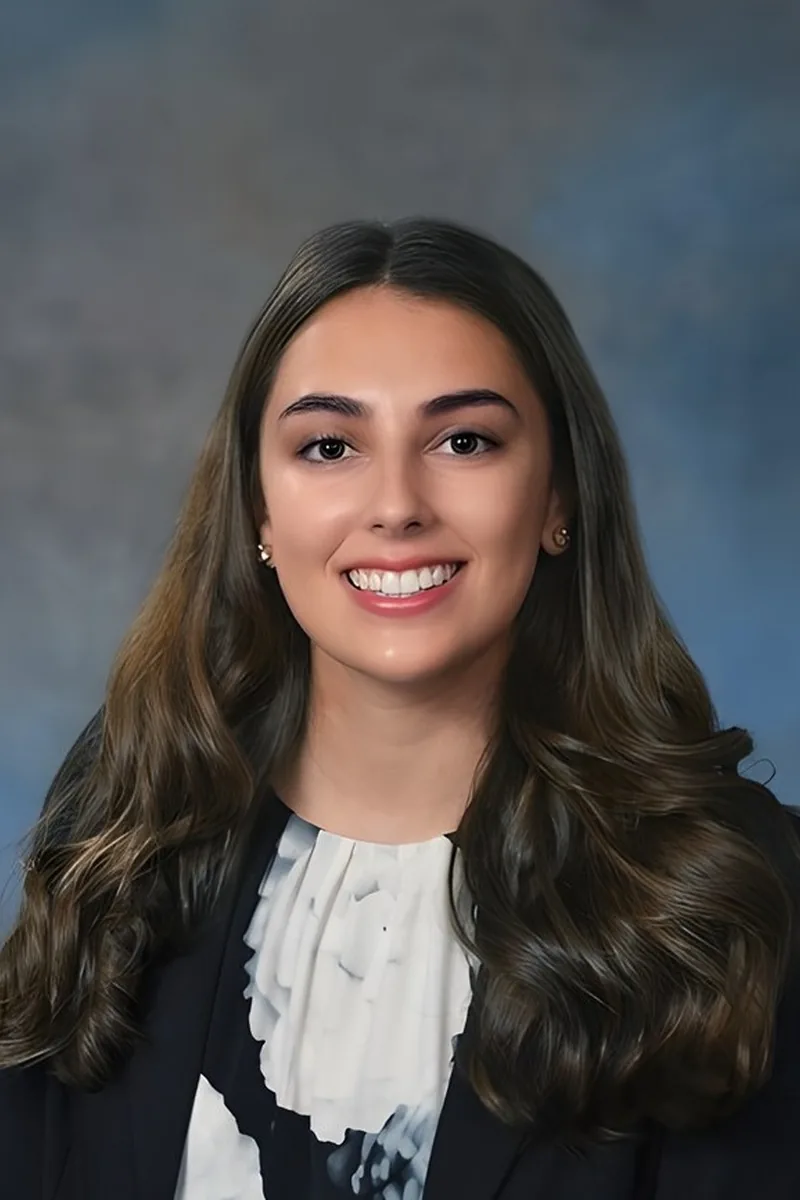
Medical training reshapes how you think about environmental health — Amanda's MD/MPH work means she understands toxicology pathways, epidemiological data, and the public health consequences of pollution at a clinical level, which gives her a distinctive angle on APES units covering air and water quality, disease vectors, and human impact. She teaches students to read dose-response data and environmental risk assessments the way a physician would, building the analytical reasoning the free-response section rewards.
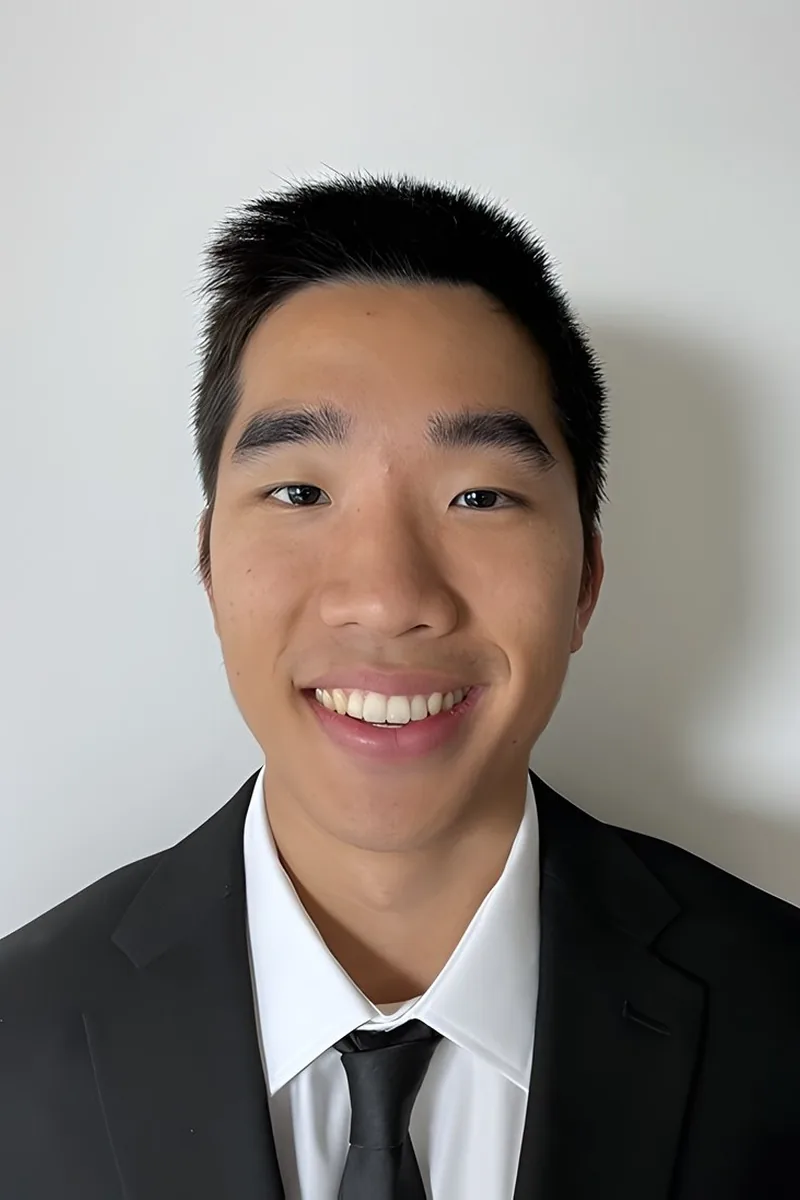
Organismal physiology — Steven's concentration at Drexel — is essentially the study of how living systems respond to their environments, which maps directly onto APES topics like how pollutants move through organisms, how species adapt to habitat changes, and why bioaccumulation works the way it does. That biological depth, paired with a 34 ACT and 5.0 tutoring rating, means he can teach both the conceptual ecology and the math-heavy questions on energy calculations and resource analysis that the exam increasingly emphasizes.
Having earned her degree in Environmental Studies from Temple, Annie knows AP Environmental Science inside and out — from biogeochemical cycles and ecosystem energy flow to the policy and human-impact questions that dominate the free-response section. She also spent a gap year working on organic farms in New Zealand, which means topics like soil science, sustainable agriculture, and biodiversity loss come with firsthand context that sticks.
Finance majors spend their time modeling risk, running cost-benefit analyses, and interpreting data sets — skills Shankhadip now applies to APES topics like resource depletion calculations, environmental cost analysis, and the policy-driven free-response questions where students must weigh economic trade-offs against ecological consequences. His quantitative comfort with statistics and applied math makes him especially useful for the graph-interpretation and calculation problems that catch memorization-focused students off guard.
Eileen's neuroscience coursework at Vanderbilt — tracing how disruptions propagate through biological systems — gives her a useful lens for APES topics like bioaccumulation, feedback loops in climate systems, and how environmental toxins affect organisms at multiple scales. She scored a 36 on the ACT and brings that same precision to the data-interpretation and calculation questions that catch students off guard on exam day.
Business students learn to think in systems — supply chains, market feedback loops, cost-benefit trade-offs — and Myna applies that same framework to APES topics like resource depletion, environmental policy trade-offs, and the economic arguments embedded in free-response questions about sustainability. Her 34 ACT reflects sharp reading comprehension and data interpretation skills, which she channels into breaking down the graphs, experimental designs, and calculation problems that catch students off guard on exam day.
Before she ever tutored APES, Jenna was on the other side — she used tutoring herself in high school to push through tough coursework and earned a 31 ACT and full-tuition scholarship along the way. That experience gives her a sharp read on where students get stuck, especially on the policy and legislation units where environmental science intersects with the kind of big-picture cause-and-effect reasoning she sharpened across her humanities and writing coursework. Rated 4.9 by students.
A history and political science background turns out to be a real asset for the APES units on environmental legislation, resource policy, and the human-systems questions that dominate the free-response section — Andrew can explain why the Clean Air Act matters in both a political and ecological context. He also tutors across math and science, so he's comfortable walking through the quantitative problems like resource depletion rates and energy calculations that trip up students who expected a purely memorization-based course.
Finance majors learn to model complex systems with multiple interacting variables — resource scarcity, cost-benefit trade-offs, long-term risk — and Rinky applies that same analytical framework to APES topics like resource depletion, environmental cost analysis, and sustainability trade-offs that show up heavily in free-response prompts. Her 1520 SAT and 5.0 tutoring rating speak to the precision she brings when walking through the data-interpretation and calculation questions that surprise students expecting a soft science course.
Kiera is majoring in Ecology and Evolutionary Biology at Dartmouth, which means she's studying biodiversity, population dynamics, and ecosystem interactions at a level well beyond what the APES exam requires — and her engineering modification adds the quantitative rigor needed for calculations like energy transfer efficiency and ecological footprint math. She scored a 35 on the ACT and holds a 5.0 tutoring rating, bringing that same precision to the data-analysis and experimental-design questions that make up the bulk of the free-response section.
Biology majors have an advantage in APES that's easy to overlook — Krisha's coursework in cellular biology and ecology means topics like biogeochemical cycles, trophic levels, and population growth models aren't abstract vocabulary terms but concepts she's studied with real depth. She also scored a 36 on the ACT, so the data-interpretation and calculation questions that blindside students expecting a soft science course are squarely in her wheelhouse. Rated 5.0 by students.
A Harvard-trained researcher who wrote his senior thesis on John Dewey's philosophy of education, Henry connects AP Environmental Science topics like biogeochemical cycles and ecosystem dynamics to the real-world policy debates that make them matter. He teaches students to interpret data sets and construct free-response answers that earn full credit by linking evidence to scientific claims.
Having earned her bachelor's in Environmental Science, Patricia didn't just survey APES topics — she studied biogeochemical cycles, soil science, and ecosystem dynamics at the college level they're drawn from. She zeroes in on the quantitative side students often underestimate, like calculating energy transfer efficiency or interpreting species diversity indices, while also sharpening the cause-and-effect reasoning the free-response section demands.
I am a 3rd year bio major at GT with minors in biochemistry and computer science. My tutoring subjects are math, bio, and chem. I have tutored for a few years, and I have also TAed! My favorite subjects are general chemistry and molecular biology (: My personal belief is that anyone can enjoy a subject once they truly understand it.
Cellular and molecular biology at Johns Hopkins means Christopher studies the biochemical machinery behind processes like photosynthesis, decomposition, and nitrogen fixation — the same mechanisms that drive the ecosystem-level concepts APES tests on. He bridges that molecular understanding to big-picture topics like climate feedback loops and biodiversity loss, giving students the mechanistic "why" behind each environmental process instead of just a surface-level definition.
Testimonials
Because the right AP Environmental Science tutor makes all the difference.
Average Session Rating – Based on 3.4M Learner Ratings
Practice AP Environmental Science
Free practice tests, flashcards, and AI tutoring for AP Environmental Science
Nearby AP Environmental Science Tutors
Other Allentown Tutors
Related Science Tutors in Allentown
Frequently Asked Questions
The AP Environmental Science exam is 3 hours long and consists of two sections: a 90-minute multiple-choice section (80 questions) and a 90-minute free-response section (3 questions). Your score is based on both sections combined, with the exam scored on a scale of 1-5. A score of 3 or higher is typically considered passing and may qualify for college credit, depending on your school's policies.
Many students struggle with the breadth of content—the course covers everything from ecology and energy flow to pollution and resource management. Additionally, the free-response questions require you to apply concepts to real-world scenarios, which can be tricky if you've only memorized definitions. Time management during the exam is another common issue, especially balancing the multiple-choice section with the three free-response questions.
The impact depends on your starting point and how consistently you work with a tutor. Students who start with foundational gaps often see the most dramatic improvements—sometimes 1-2 score points—when they focus on understanding core concepts rather than just memorizing facts. Regular practice with past exam questions, combined with targeted feedback on your free-response writing, typically leads to noticeable score gains within 8-12 weeks of consistent study.
Ideally, you should start tutoring early in the school year—around September or October—to build a strong foundation before the May exam. However, even if you're already several months into the course, tutoring can still help you catch up on missed concepts and develop effective test-taking strategies. If you're starting in spring, focus on reviewing high-yield topics and taking full-length practice tests to maximize your preparation time.
Practice tests are essential—they help you understand the exam format, identify which topics you need to review, and build stamina for the 3-hour test. Taking full-length, timed practice tests every 2-3 weeks lets you track your progress and get comfortable with the pacing. Reviewing your mistakes afterward is just as important as taking the test itself, so you can understand why you missed questions and adjust your study approach.
The three free-response questions are worth about 40% of your score, so they're critical. Read each question carefully and underline key terms before you start writing. Organize your answer with clear topic sentences, use specific examples from the course, and show your reasoning step-by-step. Many students lose points by giving vague answers—be concrete and direct, even if you're not 100% confident in every detail.
Look for tutors who have strong knowledge of the AP Environmental Science curriculum and recent exam trends. Ideally, they should have experience helping students prepare for the specific exam format and be able to explain complex topics like biogeochemical cycles and energy flow clearly. A good tutor will also help you develop a personalized study plan based on your strengths and weaknesses, not just review material with you.
With an average student-teacher ratio of 14.7:1 across Allentown's 8 school districts, classroom teachers often have limited time for individual attention. Personalized 1-on-1 instruction allows you to move at your own pace, ask questions without feeling rushed, and get customized explanations for the topics that confuse you most. Varsity Tutors connects you with expert tutors who can focus entirely on your learning needs and help you build confidence before test day.
Let’s find your perfect tutor
Answer a few quick questions. We’ll recommend the right plan and match you with a top 5% tutor.