Award-Winning AP Computer Science Principles Tutors
serving Lansing, MI
AP Computer Science Principles
Tutors in Lansing
Private 1-on-1 tutoring, weekly live classes for academic support, test prep & enrichment, practice tests and diagnostics, and more to elevate grades and test scores.
Based on 3.4M Learner Ratings
UniversitiesSchools & Universities
DeliveredHours Delivered
ProficiencyGrowth in Proficiency
Who needs tutoring?
No obligation. Takes ~1 minute.
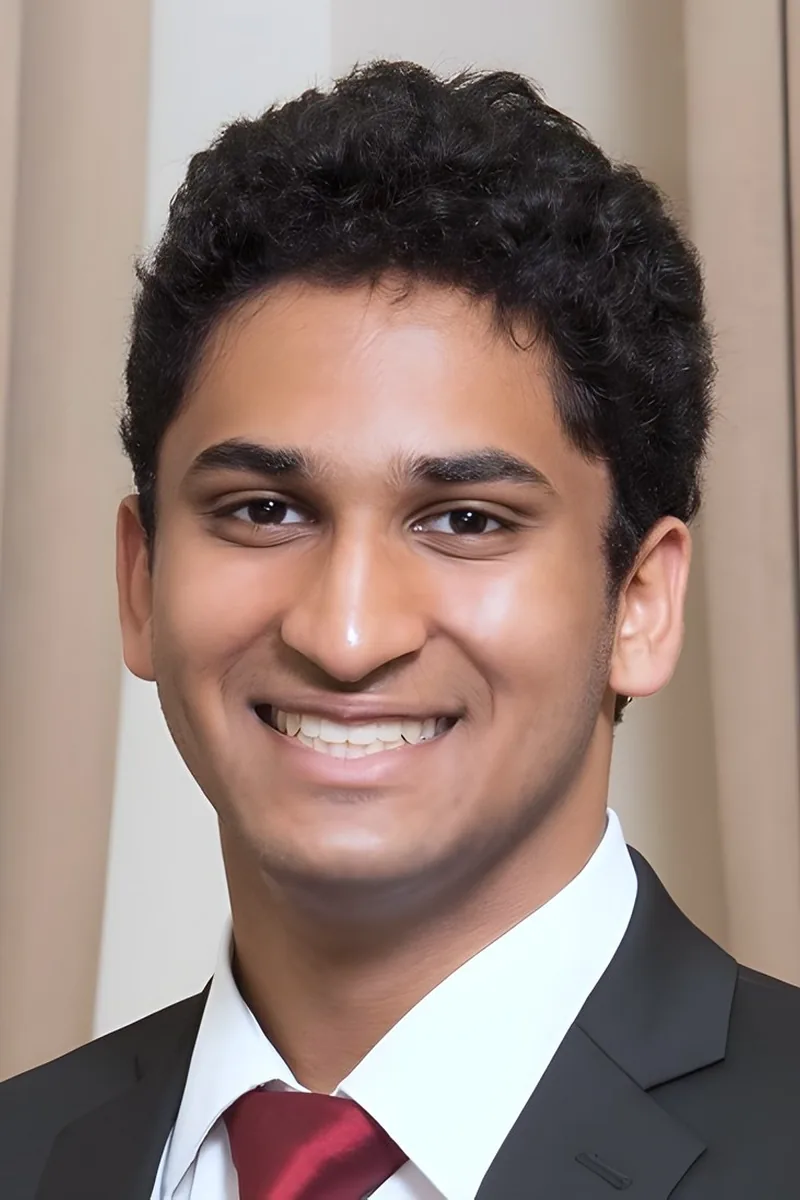
Pratik doesn't come from a traditional CS background, but his premed training at Cornell — where he regularly works with data sets, statistical models, and logical reasoning — maps directly onto the computational thinking AP CSP tests. He's especially effective at breaking down the data analysis and algorithm units, translating abstract pseudocode into the kind of step-by-step problem solving he uses in biology and chemistry every day.
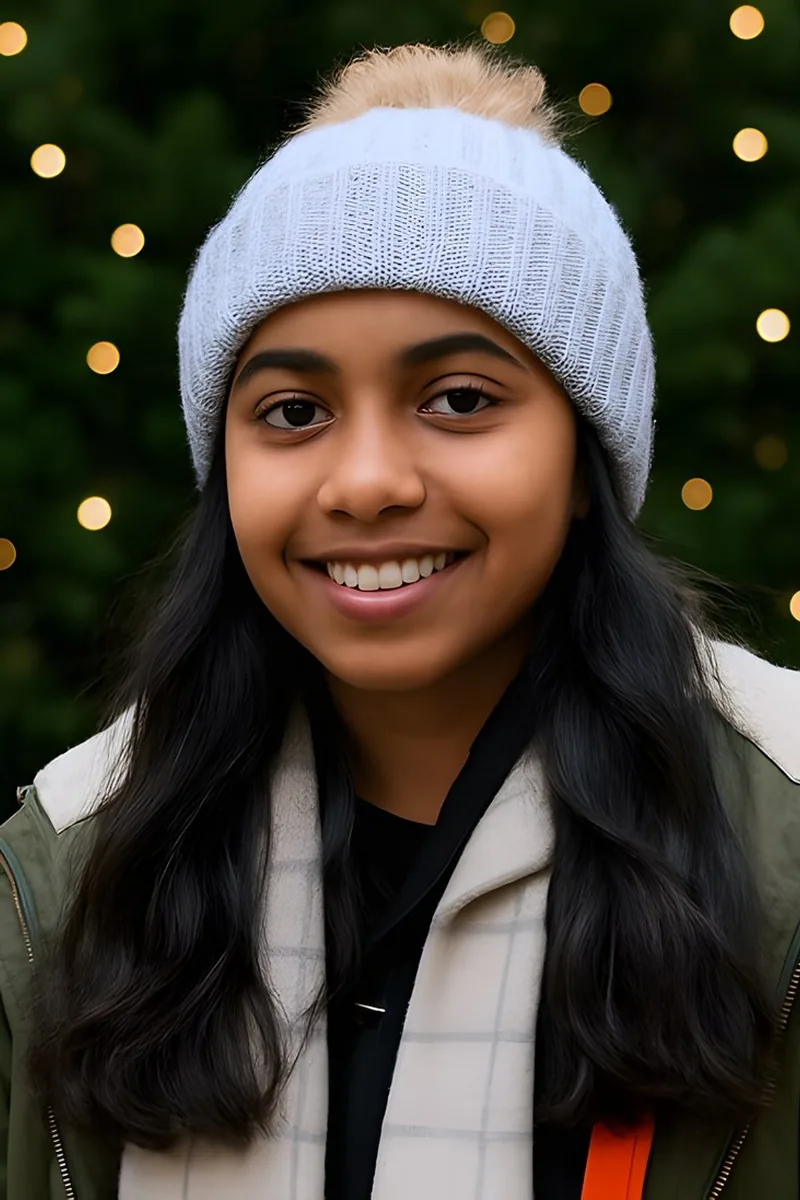
Nikitha earned her CS degree from Michigan writing actual code — which gives her a practical lens on AP CSP's more conceptual terrain, where students often stumble because the material feels too broad to pin down. She zeroes in on the impact-of-computing and cybersecurity threads that many tutors gloss over, tying them back to real design decisions she encountered in her own coursework. Rated 5.0 by students.
I'm working towards a B.S. in Physics at Michigan State University with a minor in Computational Mathematics, Science, and Engineering. I've made the Chancellor's List every semester and am a member of my university's Honors College. I've worked with students as young as 11 and as old as 25 for the past couple of years, both online and in-person. Since I'm still a student myself, I can relate to clients and teach in a way that creates a comfortable and safe space. I tutor a broad range of subjects and would love to help you!
Sasha's computer engineering degree means the hardware side of AP CSP — binary encoding, logic gates, how data physically moves through networks — isn't abstract theory but something she's built circuits around. She uses that hands-on perspective to make the course's Big Ideas feel grounded, especially when students hit the units on data representation and internet protocols that tend to blur together without a concrete mental model. Rated 4.9 by students.
AP CSP covers a surprisingly wide range — the internet, data analysis, cybersecurity, and the societal impacts of computing — without going deep into any single programming language. Samuel connects these broad topics back to concrete examples from his own CS studies at Florida Tech, making the create task and multiple-choice exam feel far more manageable. Rated 5.0 by students.
Miguel's dual CS and English degree is a rare combination for AP CSP, where half the battle is writing code and the other half is explaining it — the Create Task's written responses demand the same clarity and structure as a well-argued essay. He teaches students to translate their algorithmic thinking into the precise language the rubric rewards, bridging the gap between understanding abstraction and actually articulating it on paper. Rated 4.9 by students.
Software engineering internships at Apple and Microsoft gave Jerry a firsthand view of how the concepts in AP CSP — abstraction, algorithm design, data representation — actually play out in production code. He uses that industry context to make the Create Performance Task feel like a real development project rather than a classroom exercise, which sharpens both the programming and the written-response components. Rated 4.9 by students.
Susanna codes in Java, Python, and MATLAB — but for AP CSP, she shifts gears from syntax to the bigger questions: how does data move across the internet, why does abstraction matter, and what makes an algorithm efficient? Her physics training at UC Berkeley means she's used to translating messy real-world problems into clean logical models, which is exactly the skill the Create Task and exam reward.
Robotics engineering at WPI means Matthew writes code that has to actually control physical systems — sensors, motors, feedback loops — which gives him a practical lens on AP CSP's units on algorithms, abstraction, and data representation. He teaches the pseudocode reasoning behind exam questions by tying each concept back to how real machines process information. Rated 5.0 by students.
Samuel's applied math training at Caltech intersects directly with AP CSP's algorithm and data units — he can trace how a sorting algorithm's efficiency scales or why lossy compression works because he uses that math daily. He also taught a discrete mathematics course through PACT, which means pseudocode logic and combinatorial reasoning come naturally when prepping students for both the multiple-choice exam and the Create Task.
Caltech's CS curriculum drills computational thinking at a level that makes AP CSP's big ideas — abstraction, algorithm design, data representation — feel like familiar territory for Brian. He teaches students to reason through pseudocode and explain their design choices in plain language, which is exactly what the Create Task and the multiple-choice exam reward. His 1580 SAT speaks to the kind of precise, analytical communication that carries across disciplines.
Computer engineering majors live inside the concepts AP CSP tests — binary representation, how the internet's layers talk to each other, the way abstraction turns messy problems into clean designs. Alfred studies exactly this at URI, so he can ground pseudocode questions and Create Task planning in the real engineering systems he's building in his own coursework. Rated 5.0 by students.
Matthew codes in Java, C++, Python, and JavaScript — so when AP CSP asks students to reason about algorithms or explain how a program works in pseudocode, he can ground those abstractions in actual programming logic most students haven't seen yet. His Harvard math and CS coursework also means he's sharp on the data analysis and binary representation questions that trip up students who only studied the vocabulary. Rated 4.9 by students.
Victoria's CS coursework at Washington University in St. Louis means she can ground AP CSP's abstract Big Ideas — like how abstraction layers simplify complex systems or why algorithms have different efficiencies — in actual programming experience across Java, Python, and C++. That real coding fluency is especially useful when students need to move from pseudocode on the exam to functional code in the Create Task. Rated 5.0 by students.
Daniel writes production software for a living and is pursuing a PhD in Computer Science, which means he can show students exactly how concepts like abstraction, algorithms, and data representation play out in real codebases — not just on slides. He's particularly effective at coaching the Create Task, walking students through project planning and the written responses that separate a 3 from a 5. Rated 5.0 by students.
Testimonials
Because the right AP Computer Science Principles tutor makes all the difference.
Average Session Rating – Based on 3.4M Learner Ratings
Other Lansing Tutors
Related Technology and Coding Tutors in Lansing
Frequently Asked Questions
Varsity Tutors matches Lansing students with expert AP Computer Science Principles tutors for 1-on-1 instruction. We pair each student with a tutor based on their specific needs, learning style, and goals.
Whether you need homework help, exam prep, or want to get ahead, our AP Computer Science Principles tutors are ready to help.
Common challenges include gaps from earlier material, difficulty with specific concepts, and trouble applying learning to new problems. These issues can snowball quickly in AP Computer Science Principles.
A tutor identifies where you're stuck, fills in gaps, and provides targeted practice. The 1-on-1 format means you get help exactly where you need it.
Tutors work with your student's actual coursework—homework assignments, class notes, and upcoming tests. This keeps tutoring directly relevant to what's happening in the classroom.
When you share information about your student's school and curriculum, we can match you with a tutor who has relevant experience.
All tutors complete background checks, credential verification, and teaching evaluation. Many of our AP Computer Science Principles tutors hold advanced degrees or have years of teaching experience.
You can review tutor profiles to find someone with the right background for your student's level and needs.
Many students see improved grades within a few weeks, along with better understanding of AP Computer Science Principles concepts and more confidence tackling challenging material.
Tutors track progress and adjust their approach to ensure continued improvement.
Most students benefit from 1-2 sessions per week. More frequent sessions help if your student is significantly behind or has an important exam coming up.
Your tutor can recommend a schedule based on your student's specific situation and goals.
Tutoring is purchased in packages of hours, with rates varying by tutor experience. Varsity Tutors offers several options to fit different budgets and needs.
You can discuss pricing during your consultation to find what works best.
Your tutor will assess where your student is, discuss goals, and start working on priority areas. Most students bring current homework or upcoming test material to focus on.
By the end, you'll have a clear sense of how the tutor can help and a plan for moving forward.
Let’s find your perfect tutor
Answer a few quick questions. We’ll recommend the right plan and match you with a top 5% tutor.