Award-Winning History Tutors
serving Lexington, KY
History
Tutors in Lexington
Private 1-on-1 tutoring, weekly live classes for academic support, test prep & enrichment, practice tests and diagnostics, and more to elevate grades and test scores.
Based on 3.4M Learner Ratings
UniversitiesSchools & Universities
DeliveredHours Delivered
ProficiencyGrowth in Proficiency
Who needs tutoring?
No obligation. Takes ~1 minute.
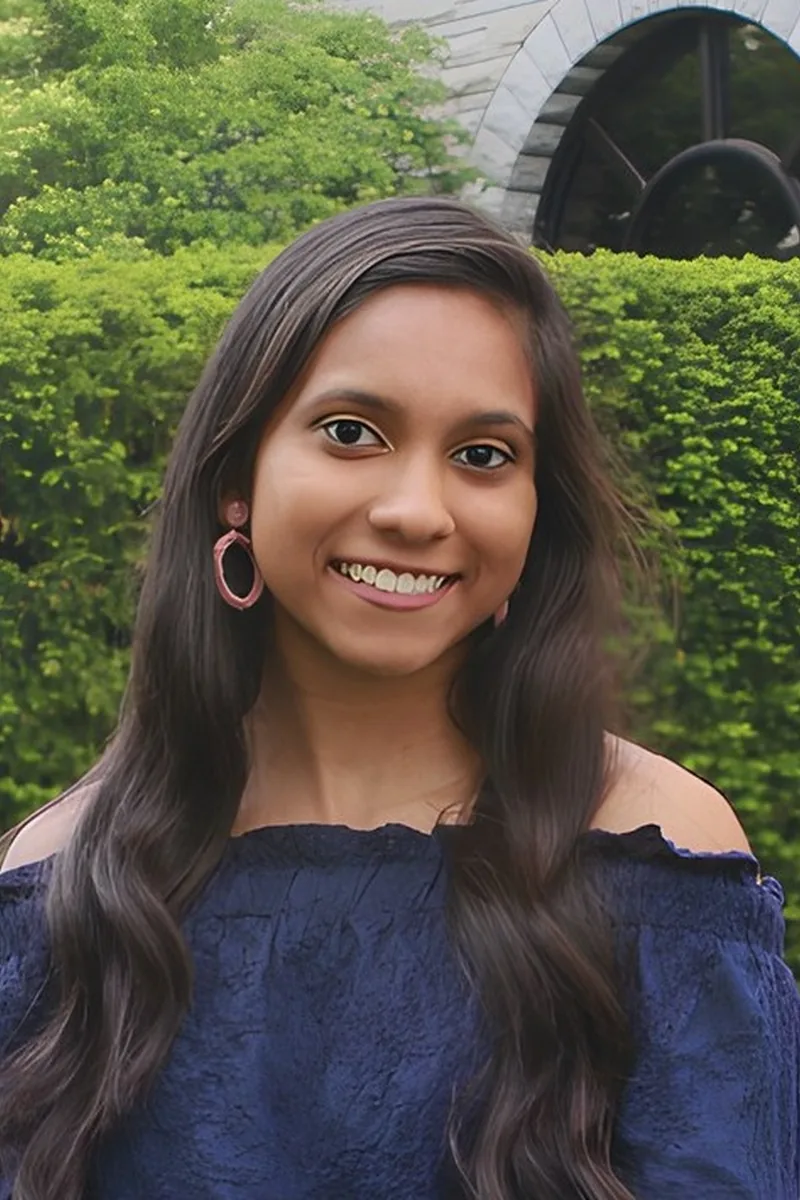
Four years of tutoring across math, chemistry, and biology gave Dharani a habit that pays off in history: breaking big, tangled topics into smaller pieces and figuring out which details actually drive the bigger picture. She applies that same analytical approach to historical essays and source analysis, teaching students to build cause-and-effect arguments about events rather than just recounting them. Rated 4.9 by students.
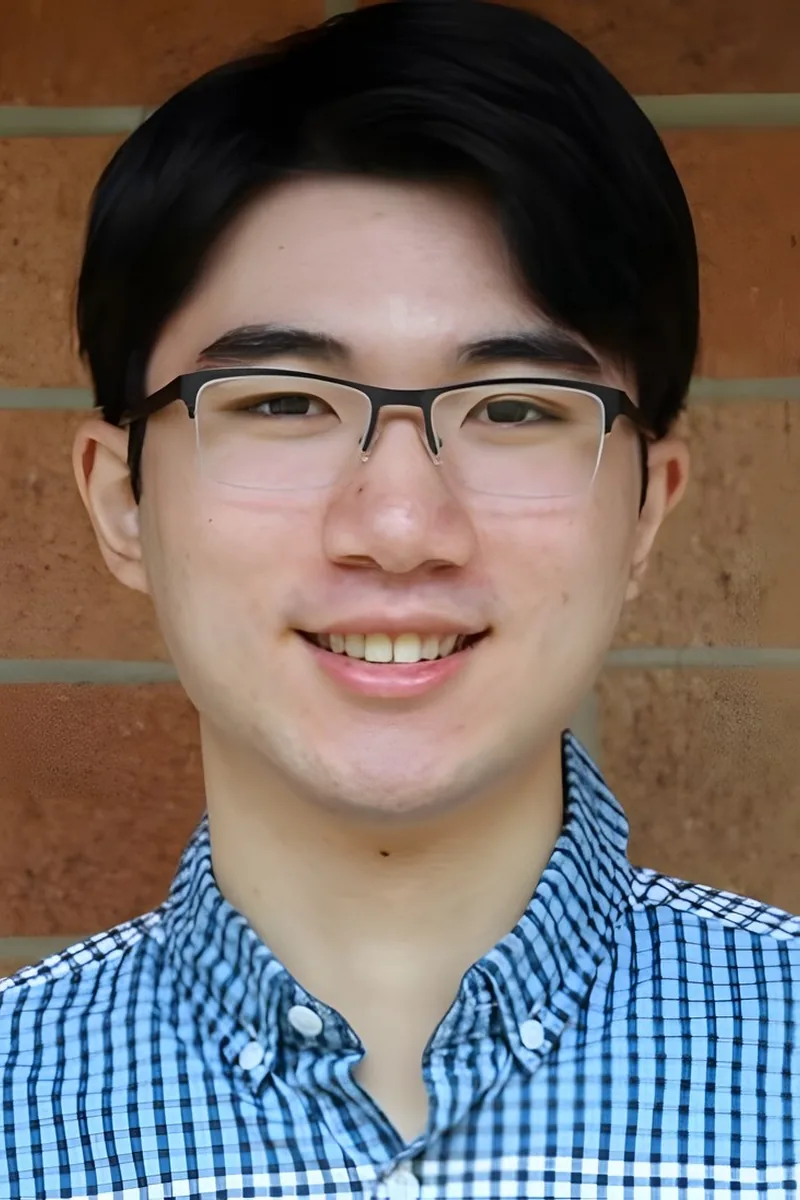
As a medical student at the University of Kentucky who also teaches organic chemistry recitation, Jason is used to tracing how one event triggers the next — a skill that maps directly onto historical causation essays and document-based questions. His biology training means he's especially comfortable with the history of science, public health movements, and how technological shifts reshaped societies. Rated 5.0 by students.
Growing up in agriculture means understanding that land use, crop policy, and rural economies have driven some of history's biggest turning points — from westward expansion to the Dust Bowl to modern trade disputes. Isabella brings that concrete, ground-level perspective to historical analysis, teaching students to connect environmental and economic forces to the political events they're studying. It's an angle that makes cause-and-effect arguments in essays feel less abstract and more intuitive.
An English degree trains you to do one thing history courses quietly demand: read a text closely, figure out what the author is really arguing, and respond with a structured claim of your own. Faith brings that close-reading instinct to primary source analysis and essay writing, teaching students to pull specific evidence from documents and build arguments around it rather than summarizing events. Rated 4.8 by students.
Standardized testing at the level Kevin performed — a 35 ACT and 1590 SAT — requires tearing through reading passages about historical movements, political rhetoric, and social change under serious time pressure, which builds a surprisingly sharp instinct for what matters in a historical text. He brings that same efficiency to history tutoring, teaching students to cut through dense material and construct tight, thesis-driven arguments from primary sources. Rated 5.0 by students.
Evan's computer science and art background might seem unrelated to history, but game design is built on world-building — understanding how political systems, cultural movements, and technological shifts interact across time periods. That same instinct for tracing how one change ripples through an entire system translates directly to writing strong history essays and connecting events like the Renaissance or the Cold War to their deeper structural causes.
A French degree means spending years inside primary sources — royal decrees, revolutionary pamphlets, Enlightenment philosophy — reading them in the original language and understanding the political context that produced them. Jenna brings that source-level fluency to history tutoring, especially for students tackling European history essays and DBQs where interpreting documents in context is the whole game. Rated 5.0 by students.
A Master of Divinity means Logan has spent years doing exactly what history courses demand — reading primary texts closely, situating ideas within their political and cultural moment, and building arguments about why people believed what they believed. His theology and philosophy training is especially sharp for periods where religion drove the action: the Reformation, colonial missions, abolitionist movements, the Civil Rights era. Rated 5.0 by students.
Neuroscience coursework is essentially a crash course in reading history through a scientific lens — Janki spent years tracing how discoveries about the brain built on each other across centuries of shifting cultural and political contexts. That training in connecting cause, context, and consequence carries directly into teaching students how to construct thesis-driven historical arguments and analyze primary sources for what's actually being claimed versus what's left unsaid.
Troy's biochemistry training isn't an obvious match for history, but the core skill transfers directly: reading a dense source, pulling out what matters, and building a coherent argument from the evidence. He applies that structured, logical thinking to essay organization and document analysis, making him a practical fit for students who need help turning historical material into clear, well-supported writing.
Kelsey's Latin degree and MFA in English give her an unusual double lens on history — she can trace ancient and medieval contexts through original sources while also teaching students to write the kind of sharp, thesis-driven essays that history courses demand. She's especially strong on ancient and medieval heritage, where her classical language training lets her unpack primary texts that most tutors can only approach in translation.
Addison's liberal arts background at Rice University — spanning kinesiology, film studies, and the humanities — trained her to analyze historical events through multiple lenses, from social movements to economic forces. She teaches students to build arguments from primary sources and connect cause-and-effect chains across eras, turning history from a memorization exercise into a skill set.
As a biomedical engineering student who also tutors literature, essay editing, and college essays, Matthew sits at an unusual crossroads of scientific reasoning and close reading — both of which show up in history coursework more than students expect. He teaches students to treat primary sources like data: isolating claims, checking them against context, and building arguments that hold up under scrutiny. His 35 ACT reflects the kind of cross-disciplinary reading and reasoning that document-based questions reward.
Studying international business while living across three continents gave Wilson a firsthand sense of how culture, economics, and politics shape each other. He brings that global perspective into history sessions, connecting events like trade expansion or colonialism to real places and patterns students can visualize.
Reading history well means learning to ask why a source was written, not just what it says — a skill Benjamin sharpened across two humanities degrees. He teaches students to analyze primary documents, identify historiographical arguments, and build evidence-driven essays that treat history as an ongoing debate rather than a fixed narrative.
Nicole approaches history the way she approaches language — as a window into how people communicate, persuade, and make sense of their world. Her communication degree trained her to analyze rhetoric and argument structure, which she applies to helping students interpret primary sources, understand cause-and-effect relationships, and write document-based essays.
Studying history is less about memorizing dates and more about understanding cause and effect — why revolutions happen, how economic pressures reshape societies, what makes primary sources reliable or biased. Amy's experience as a traveler who has explored cultures across Southeast Asia gives her a knack for making historical context feel tangible and connected to the real world.
Two English degrees mean Anthony has spent years doing exactly what history courses demand: close reading of complex texts, building thesis-driven arguments, and marshaling textual evidence to support a specific claim. He's particularly sharp on essay structure and persuasive writing — the skills that separate a B history paper from an A one. His background in American literature also gives him natural fluency with the cultural and intellectual currents that show up in U.S. history coursework.
US History is one of Jacob's genuine interests — he reads history texts for fun and brings that enthusiasm into sessions covering everything from Constitutional debates to Cold War policy shifts. He teaches students to analyze primary sources and build cause-and-effect chains rather than relying on rote memorization of dates.
I am no longer needed.
Diana's Political Science degree and her Certificate in Peace, Justice, and Conflict Transformation give her an unusually rich lens for teaching history — she connects events to the political structures, social movements, and power dynamics that drove them. Rather than treating history as a list of dates, she teaches students to read primary sources critically and construct cause-and-effect arguments that hold up on essays and exams.
I am a graduate of a liberal arts university, with majors in both Spanish and Studio Arts. As a Teach for America alumni I have worked as a Spanish and Art teacher in elementary, middle, and high school settings in both public and private schools. Additionally I have worked with nonprofit organizations to provide arts education. I primarily tutor Spanish, English, Reading and ACT prep. I believe everyone deserves access to a quality education, and I look forward to working with you to meet and exceed your goals!
A math major might seem like an unusual fit for history, but Jesse's training in logical reasoning transfers directly to structuring historical arguments — identifying premises, supporting them with evidence, and drawing defensible conclusions. He also tutors college essays and literature, so he knows how to teach the close reading and persuasive writing that history assignments actually grade on.
Grace's dual focus on Environmental Studies and Asian Studies means she's spent semesters tracing how cultural exchange, colonial legacies, and ecological shifts have shaped societies across East and Southeast Asia. That cross-disciplinary background gives her a knack for teaching students to weave together political, cultural, and environmental threads when writing about historical events. She's especially comfortable with essay organization — turning a pile of facts into a coherent, thesis-driven argument.
Growing up with a learning disability taught Kaylee something most history students eventually need to figure out: how to adapt study strategies until dense, unfamiliar material actually sticks. She applies that hard-won persistence to teaching students how to break down historical events into cause-and-effect chains and build clear written arguments from primary sources. Her speech-language pathology training also sharpens her ear for how students process and articulate ideas, which makes essay coaching more targeted.
Sowmya treats history less like a list of dates and more like a series of cause-and-effect chains that students can trace and debate. Her Mock Trial coaching experience at Meyzeek Middle School trained her to teach evidence-based argumentation — a skill that translates directly to analyzing primary sources and writing document-based essays. She's particularly strong at making connections between historical events and the economic forces behind them.
Though history isn't Carter's primary discipline, his liberal arts education at Centre College built strong skills in sourcing arguments, evaluating evidence, and writing clearly about complex events. He approaches historical topics analytically — connecting causes to consequences and teaching students to construct thesis-driven responses rather than recite dates.
Patty's Humanities degree covered the intersection of history, culture, and literature — which means she teaches historical events as connected narratives rather than isolated facts to memorize. She's particularly strong at showing students how to read primary sources, identify cause-and-effect relationships, and write clear arguments backed by evidence.
Neuroscience training is essentially the study of why humans do what they do — and Nick brings that same question to history, pushing students to dig into the cognitive and social forces behind decisions like appeasement, revolution, or mass mobilization. His science background makes him especially sharp at teaching students to treat historical claims as hypotheses that need evidence, which is exactly what document-based questions and argumentative essays reward. Rated 4.8 by students.
Alexander studied history at the undergraduate level and teaches it across high school and college courses, from world and European history to American history. His training in building arguments from primary sources means he digs into the *why* behind events — connecting political upheavals to economic pressures or cultural shifts — rather than letting students coast on memorized timelines. He also brings strong essay and writing skills to the table, which is where most history grades are actually decided.
Programming in Java, C++, and Python trained Andrew to think in terms of systems — inputs, conditions, and cascading outcomes — which maps surprisingly well onto historical analysis where students need to trace how one policy decision or conflict triggers a chain of consequences. He brings that systematic thinking to essay structure and source interpretation, teaching students to build arguments the way you'd build a program: with clear logic and no wasted steps. Rated 5.0 by students.
Treating history as a set of competing narratives rather than a list of dates changes how students engage with it. Haileigh's background in ecology gives her a systems-level perspective on cause and effect, which she applies to analyzing primary sources, tracing political developments, and constructing document-based arguments.
Succeeding in history requires more than memorizing dates — it demands reading dense primary sources, constructing document-based arguments, and connecting causes to consequences across time periods. Sherry's UChicago education emphasized exactly this kind of analytical writing and close reading, and her experience teaching language arts at every level means she can coach students through the writing-heavy demands of history coursework.
A sociology degree is essentially a history degree with a different question — not just *what* happened, but *why* social structures made it likely. Solange uses that training to teach students how to read primary sources critically, connect events to broader patterns of migration, inequality, or governance, and build arguments that go beyond surface-level timelines. She's especially strong on American social history and modern global movements.
Studying human evolutionary history and anthropology means Victoria reads the past the way historians do — through primary sources, material culture, and competing interpretations rather than a single textbook narrative. She spent over six months on archaeological excavations in France, giving her firsthand experience with how evidence gets gathered and analyzed. That background translates directly into teaching students how to evaluate sources, construct document-based essays, and think critically about historical claims.
Philosophy majors at Princeton spend their time doing exactly what history essays require: dismantling arguments, weighing competing interpretations of a text, and defending a thesis against objections. Julie brings that training to historical analysis, particularly when students need to evaluate conflicting primary sources or construct a nuanced argument about causation rather than just summarizing events. Rated 4.9 by students.
Engineering coursework at Yale means Charles spends most of his time solving real-world application problems — figuring out why systems behave the way they do under specific conditions. That same cause-and-effect reasoning carries into history, where he teaches students to treat events like engineering failures: trace the forces, identify the breaking points, and explain the outcome with evidence rather than summary. His writing and literature background rounds out the analytical side with the essay-crafting skills history courses actually grade on.
A cellular and molecular biology background trains you to read research papers critically — evaluating claims, weighing evidence, spotting gaps in reasoning — and Akarsh brings that same scrutiny to historical source analysis. He teaches students to treat primary documents like data, pulling out the specific evidence that supports a thesis rather than summarizing everything on the page. His college essay and essay editing experience also means he can sharpen the argumentative writing that history courses actually grade on.
Christopher's engineering training at Harvard might seem unrelated to history, but mechanical engineering is built on understanding how systems evolve — and that same thinking applies to tracing how wars, revolutions, and policy decisions ripple through societies. He pairs that analytical instinct with a genuine love of reading classics, which makes him especially effective at teaching students to pull meaning from dense historical texts and turn their analysis into structured, thesis-driven essays.
Shelley approaches history the way her psychology program approaches research: by interrogating sources for bias, context, and competing interpretations rather than treating any single account as settled fact. She's especially sharp at teaching students to write document-based essays that weave primary evidence into a clear analytical argument.
Testimonials
Because the right History tutor makes all the difference.
Average Session Rating – Based on 3.4M Learner Ratings
Nearby History Tutors
Other Lexington Tutors
Related Social Studies Tutors in Lexington
Frequently Asked Questions
Varsity Tutors matches Lexington students with expert History tutors for 1-on-1 instruction. We pair each student with a tutor based on their specific needs, learning style, and goals.
Whether you need homework help, exam prep, or want to get ahead, our History tutors are ready to help.
Common challenges include gaps from earlier material, difficulty with specific concepts, and trouble applying learning to new problems. These issues can snowball quickly in History.
A tutor identifies where you're stuck, fills in gaps, and provides targeted practice. The 1-on-1 format means you get help exactly where you need it.
Tutors work with your student's actual coursework—homework assignments, class notes, and upcoming tests. This keeps tutoring directly relevant to what's happening in the classroom.
When you share information about your student's school and curriculum, we can match you with a tutor who has relevant experience.
All tutors complete background checks, credential verification, and teaching evaluation. Many of our History tutors hold advanced degrees or have years of teaching experience.
You can review tutor profiles to find someone with the right background for your student's level and needs.
Many students see improved grades within a few weeks, along with better understanding of History concepts and more confidence tackling challenging material.
Tutors track progress and adjust their approach to ensure continued improvement.
Most students benefit from 1-2 sessions per week. More frequent sessions help if your student is significantly behind or has an important exam coming up.
Your tutor can recommend a schedule based on your student's specific situation and goals.
Tutoring is purchased in packages of hours, with rates varying by tutor experience. Varsity Tutors offers several options to fit different budgets and needs.
You can discuss pricing during your consultation to find what works best.
Your tutor will assess where your student is, discuss goals, and start working on priority areas. Most students bring current homework or upcoming test material to focus on.
By the end, you'll have a clear sense of how the tutor can help and a plan for moving forward.
Let’s find your perfect tutor
Answer a few quick questions. We’ll recommend the right plan and match you with a top 5% tutor.