Award-Winning Trigonometry Tutors
serving Davenport, IA
Trigonometry
Tutors in Davenport
Private 1-on-1 tutoring, weekly live classes for academic support, test prep & enrichment, practice tests and diagnostics, and more to elevate grades and test scores.
Based on 3.4M Learner Ratings
UniversitiesSchools & Universities
DeliveredHours Delivered
ProficiencyGrowth in Proficiency
Who needs tutoring?
No obligation. Takes ~1 minute.
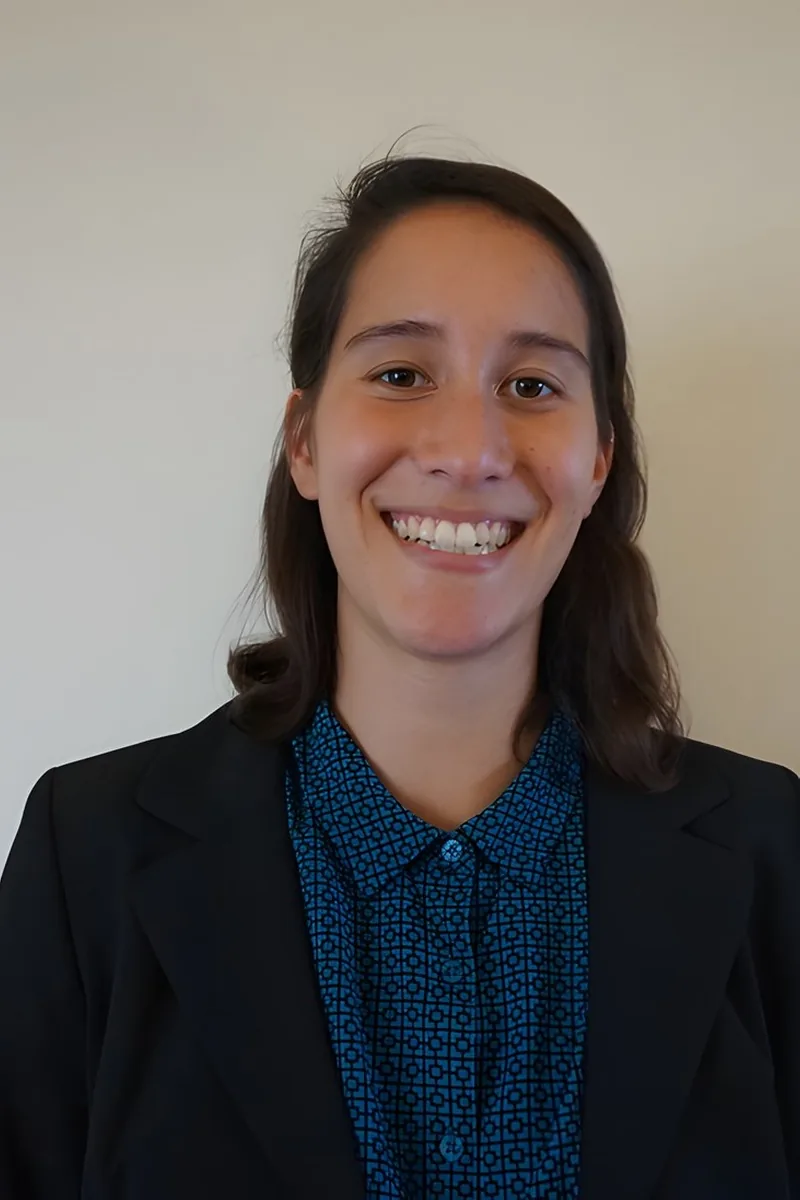
The unit circle, inverse trig functions, and identity proofs tend to feel like arbitrary memorization until someone shows you the geometric logic underneath. Caroline breaks trig down through the engineering lens she developed earning her M.S. in Mechanical Engineering magna cum laude — where sine and cosine aren't abstract but describe real oscillations and forces. That applied perspective turns a notoriously frustrating subject into something intuitive.
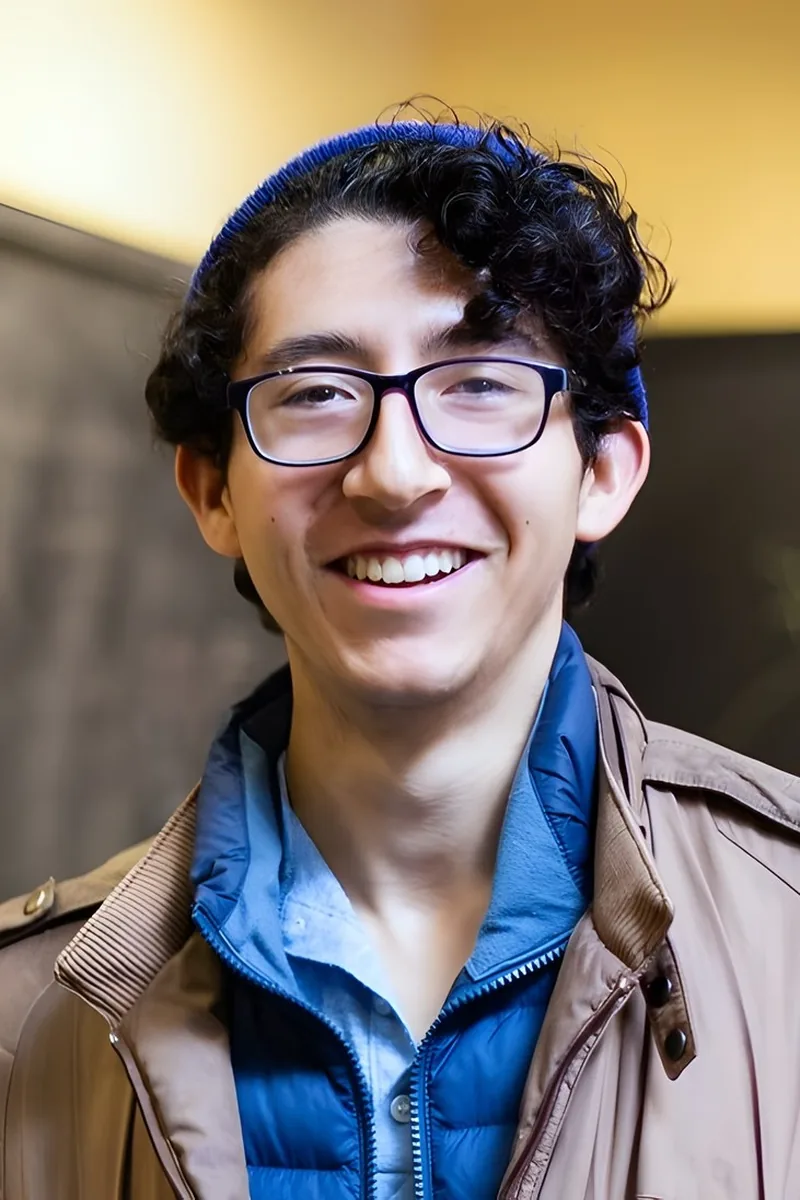
The unit circle doesn't have to be a memorization nightmare. Tim teaches trig identities and sinusoidal functions by connecting them back to the geometry students already know, building intuition for why these relationships exist — an approach sharpened by his computational science coursework at MIT, where trigonometric functions show up constantly in modeling and signal analysis.
Trig identities stop feeling like arbitrary formulas once you see them on the unit circle — why sine and cosine shift the way they do, how the double-angle formulas actually derive from geometry. Kevin connects these visual intuitions to the algebraic manipulations students need for proofs and equations. Rated 5.0 by students, he's particularly strong at bridging trig into the calculus and physics contexts where it matters most.
Trig identities, the unit circle, and the Law of Sines aren't just abstract exercises for Matthew — they're tools he applies constantly in his Mechanical and Aerospace Engineering program at Princeton. He identifies which specific trig concepts a student is shaky on and drills those through worked examples and targeted practice problems until the reasoning clicks.
Trig identities and unit circle values click faster when students see how they connect — why sin²θ + cos²θ = 1 isn't just a formula to memorize but a consequence of the Pythagorean theorem on a unit circle. Jessica taught math from pre-algebra through AP Calculus in her high school's tutoring center, so she knows exactly where trig concepts tend to trip students up. Rated 5.0 by students.
A year as a course assistant in Harvard's math department meant Richard taught calculus daily — and calculus lives and dies on trig fluency, from evaluating limits of sinusoidal functions to integrating with trig substitutions. That constant reinforcement gives him a sharp sense of exactly where students get tripped up on identities, graphing transformations, and radian-degree conversions. His perfect 1600 SAT and 36 ACT confirm the foundational math chops behind that teaching experience.
Trig is where algebra meets geometry, and the shift from memorizing SOH-CAH-TOA to actually understanding unit circle relationships and identities trips up a lot of students. Zachary's biochemistry and biophysics background means he used trig constantly — modeling wave functions, analyzing molecular angles — so he teaches it as a toolkit with real applications, not just abstract formulas.
Trig identities and unit circle values tend to feel like arbitrary memorization until someone shows you the geometric logic underneath. Keenan approaches trigonometry by connecting each identity back to a visual intuition — why sine and cosine behave the way they do on a circle, and how that understanding makes solving equations and verifying identities far more natural.
The unit circle tends to feel like arbitrary memorization until someone shows you the geometry driving it. Sanjana unpacks trig identities, inverse functions, and sinusoidal modeling by building each concept visually, so students understand why sin²θ + cos²θ = 1 instead of just accepting it. Her 5.0 rating speaks to how well that approach lands.
The jump from memorizing SOH-CAH-TOA to actually applying trig identities and solving equations on the unit circle is where most students lose the thread. Moriah teaches trigonometry by connecting each identity back to its geometric meaning, so that simplifying expressions and verifying identities becomes logical rather than mechanical. She holds a 5.0 rating from students.
Trig identities and the unit circle tend to feel like arbitrary rules until someone shows you the geometry underneath them. Brett's biomedical and electrical engineering training required constant fluency with sinusoidal functions, phase shifts, and polar coordinates — he teaches trig as the practical toolkit it actually is, not just a chapter to survive before calculus.
The unit circle is where most trigonometry students either click or stall, and everything from graphing sine and cosine to verifying identities depends on truly internalizing it. Dalton approaches trig by anchoring each new identity or equation back to that geometric foundation, so students can derive relationships on the fly instead of relying on a memorized sheet.
Testimonials
Because the right Trigonometry tutor makes all the difference.
Average Session Rating – Based on 3.4M Learner Ratings
Practice Trigonometry
Free practice tests, flashcards, and AI tutoring for Trigonometry
Nearby Trigonometry Tutors
Other Davenport Tutors
Related Math Tutors in Davenport
Frequently Asked Questions
Varsity Tutors matches Davenport students with expert Trigonometry tutors for 1-on-1 instruction. We pair each student with a tutor based on their specific needs, learning style, and goals.
Whether you need homework help, exam prep, or want to get ahead, our Trigonometry tutors are ready to help.
Common challenges include gaps from earlier material, difficulty with specific concepts, and trouble applying learning to new problems. These issues can snowball quickly in Trigonometry.
A tutor identifies where you're stuck, fills in gaps, and provides targeted practice. The 1-on-1 format means you get help exactly where you need it.
Tutors work with your student's actual coursework—homework assignments, class notes, and upcoming tests. This keeps tutoring directly relevant to what's happening in the classroom.
When you share information about your student's school and curriculum, we can match you with a tutor who has relevant experience.
All tutors complete background checks, credential verification, and teaching evaluation. Many of our Trigonometry tutors hold advanced degrees or have years of teaching experience.
You can review tutor profiles to find someone with the right background for your student's level and needs.
Many students see improved grades within a few weeks, along with better understanding of Trigonometry concepts and more confidence tackling challenging material.
Tutors track progress and adjust their approach to ensure continued improvement.
Most students benefit from 1-2 sessions per week. More frequent sessions help if your student is significantly behind or has an important exam coming up.
Your tutor can recommend a schedule based on your student's specific situation and goals.
Tutoring is purchased in packages of hours, with rates varying by tutor experience. Varsity Tutors offers several options to fit different budgets and needs.
You can discuss pricing during your consultation to find what works best.
Your tutor will assess where your student is, discuss goals, and start working on priority areas. Most students bring current homework or upcoming test material to focus on.
By the end, you'll have a clear sense of how the tutor can help and a plan for moving forward.
Let’s find your perfect tutor
Answer a few quick questions. We’ll recommend the right plan and match you with a top 5% tutor.