Award-Winning Calculus Tutors
serving Davenport, IA
Calculus
Tutors in Davenport
Private 1-on-1 tutoring, weekly live classes for academic support, test prep & enrichment, practice tests and diagnostics, and more to elevate grades and test scores.
Based on 3.4M Learner Ratings
UniversitiesSchools & Universities
DeliveredHours Delivered
ProficiencyGrowth in Proficiency
Who needs tutoring?
No obligation. Takes ~1 minute.
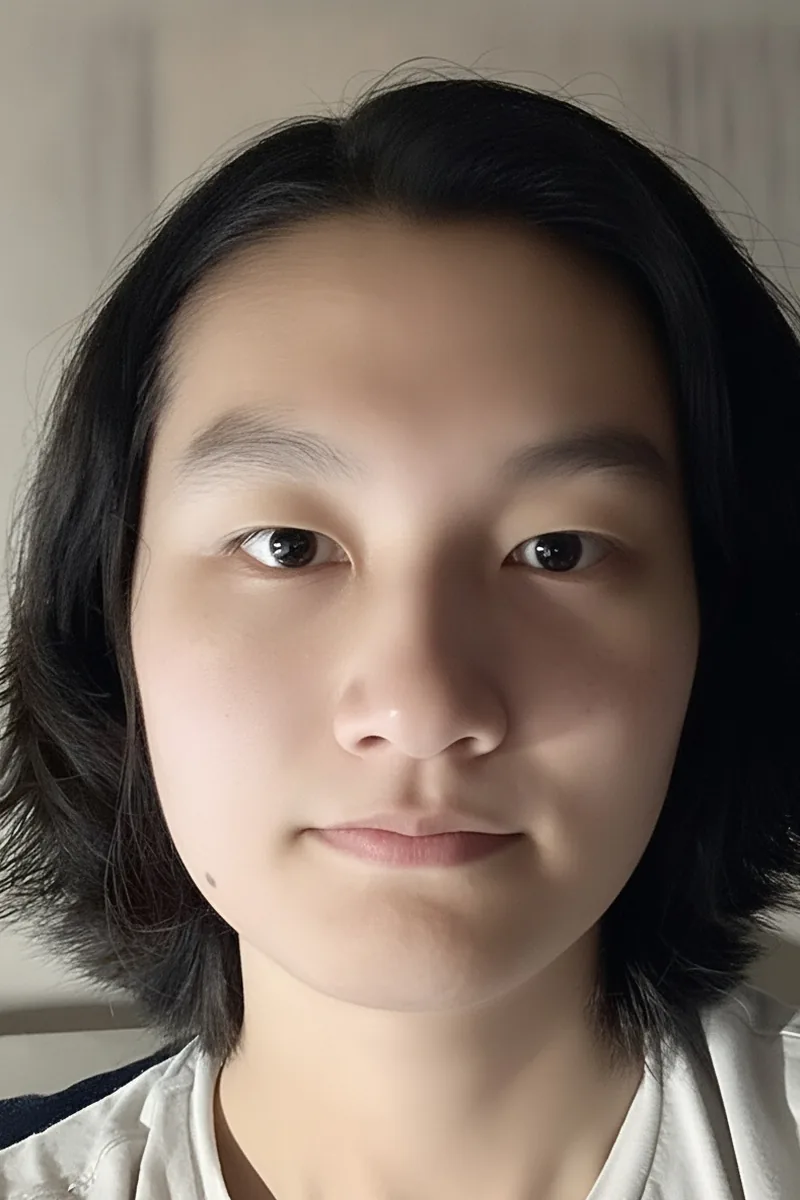
Computer science at Penn State means Joshua has worked through calculus not just as a math requirement but as a tool — using derivatives for optimization algorithms and integrals for probability distributions. He breaks down concepts like the chain rule and integration by parts by connecting them to concrete problems where the math actually does something.
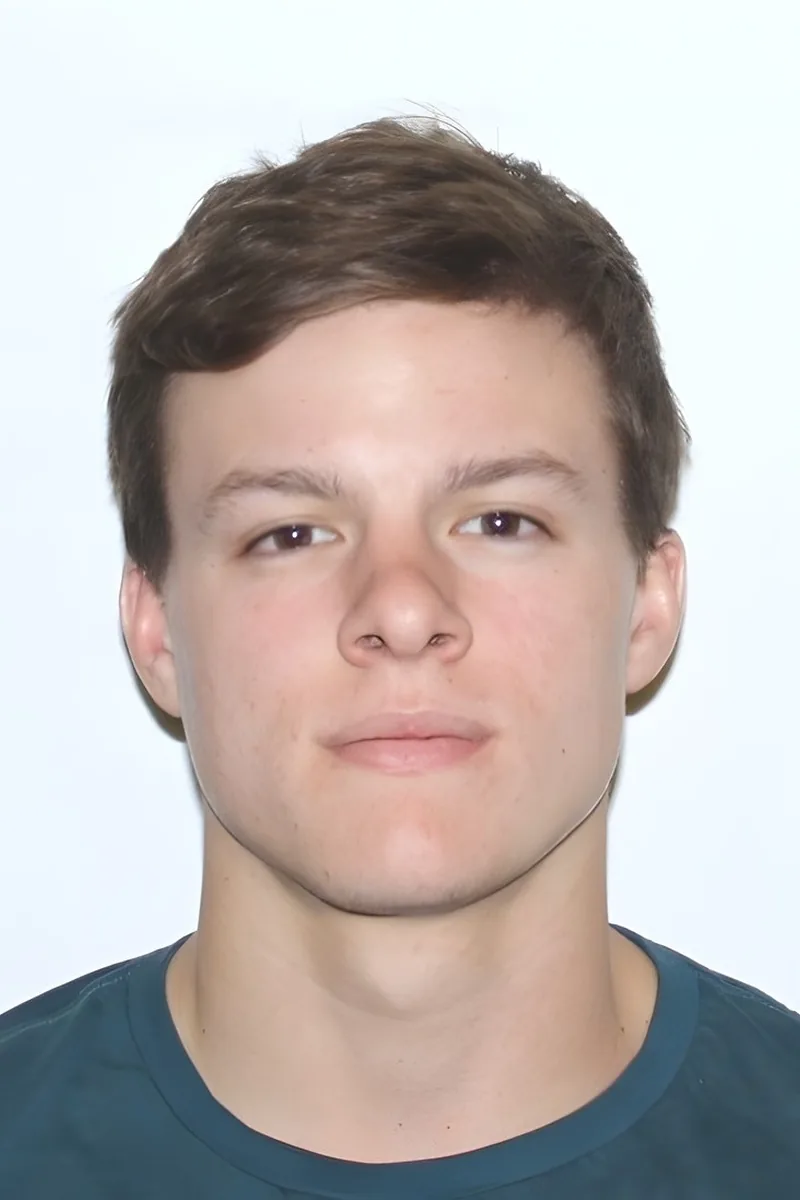
Economics at the University of Chicago is calculus-heavy — demand curves, marginal analysis, and optimization problems all run on derivatives and integrals, so Elliot has spent four years applying calculus to real models rather than just solving textbook exercises. That economics lens makes him especially effective at explaining the chain rule or integration techniques by connecting them to problems where the math actually drives a decision. Rated 4.9 by students.
Mary's teaching background centers on English, literature, and writing rather than mathematics, so she's straightforward that calculus is not her area of depth. Her experience tutoring math and her analytical instincts — honed through years of close reading and logical argumentation — mean she can support students wrestling with the conceptual side of early topics like limits and continuity, where careful reasoning matters as much as computation.
I am a current biological sciences major and bioengineering minor at the University of Notre Dame. As a biology major/bioengineering minor, math and science are my passions, and I love to share the joy I derive from those subjects with students. I have been a math tutor to elementary, middle, and high school students. While my favorite subject to tutor is any type of math, I also tutor biology. As a tutor, I believe that learning should be fun, and work to make it that way. Since I am still currently in school, I am constantly being exposed to new methods of teaching and am able to utilize those methods when tutoring. When I am not in the middle of a good book, I enjoy cooking and gardening.
As a biochemistry major at Rice, Michelle used calculus constantly — modeling reaction rates, analyzing enzyme kinetics, interpreting area-under-the-curve problems with real lab data. She teaches derivatives and integrals by connecting the mechanics of each rule to the reasoning behind it, so students understand when and why to apply techniques like chain rule or u-substitution.
The jump to Calculus demands comfort with abstraction — understanding what a derivative actually represents, not just how to apply the power rule. Jessica tackles limits, integration techniques, and rate-of-change problems by connecting them to concrete scenarios, drawing on the quantitative reasoning she sharpened through her science-heavy coursework at Penn and in medical school.
Three years as a Cell Biology teaching assistant at Notre Dame meant Connor regularly applied calculus concepts — modeling reaction rates, interpreting growth curves, and explaining how differential changes play out in living systems. His biomedical sciences master's deepened that quantitative fluency, and he teaches derivatives and integrals by connecting them to the biological processes where they naturally appear. Rated 5.0 by students.
Teaching middle school math and special education for years means Liz has seen exactly where students' algebraic foundations crack under the weight of new calculus concepts — and she knows how to shore those gaps up before they snowball. Her 34 ACT composite confirms she can handle the quantitative side, and her special education training gives her a toolkit of strategies for breaking down intimidating ideas like limits and derivatives into steps that actually land for different types of learners.
Doctoral-level research in clinical psychology demands constant fluency with statistical modeling, derivatives, and rates of change — concepts that sit at the heart of calculus. Shelley breaks down problems like related rates and integration by connecting each step to a concrete, real-world scenario so the logic behind the math clicks. Rated 5.0 by students.
An MIT math degree followed by PhD work in Operations Research at Georgia Tech means Isabella has used calculus as a daily tool — optimization problems, convergence proofs, and the kind of rigorous analysis where understanding integration techniques and multivariable derivatives isn't optional. She's TA'd college-level math courses and taught gifted middle and high school students, so she can adjust the depth from first encounters with limits all the way through series and differential equations. Rated 5.0 by students.
Economics relies heavily on derivatives and integrals — marginal cost, consumer surplus, optimization under constraints — so Simon didn't just study calculus, he applied it daily throughout his degree. He's especially sharp at explaining the logic behind limit definitions and the chain rule, the two places where most students first lose the thread. That application-heavy perspective turns calculus from symbol manipulation into something students can actually visualize.
Anthropology and human evolutionary studies might not scream calculus, but Victoria's coursework involved quantitative modeling of population dynamics and morphological change over time — territory where rates of change and accumulation aren't abstract concepts but tools for answering real questions. Her 1520 SAT confirms strong quantitative chops, and she brings that same analytical rigor to breaking down derivatives and integrals into steps that actually make sense.
Elena's academic path runs through government, Spanish, and law — not mathematics — so calculus isn't her deepest subject. That said, a perfect 1600 SAT demonstrates serious quantitative ability, and her tutoring philosophy of listening to students work through problems and pinpointing exactly where their reasoning breaks down applies especially well to early calculus, where a single misunderstanding about limits or continuity can derail everything downstream.
Biomedical engineering at Northwestern means Ingrid has used calculus as a daily tool — computing integrals for drug delivery models, differentiating rate equations in biomaterials research, and applying differential equations in her work at the John Rogers Lab. That hands-on engineering context lets her teach concepts like the chain rule or integration by parts through problems where the math actually builds something, not just satisfies a homework prompt.
Biology at UCLA doesn't let you skip calculus — Joseph worked through it in the context of modeling population dynamics, enzyme kinetics, and epidemiological curves, and his public health master's at Yale deepened that quantitative toolkit with biostatistics and rate-based modeling. His 1530 SAT confirms the math chops, and he teaches derivatives and integrals by connecting them to the biological systems where they actually matter.
Ben's math degree from Penn means he's gone well beyond the standard calculus sequence — through multivariable calculus, linear algebra, and the rigorous proofs that tie them together — so he teaches concepts like the chain rule or integration by parts with a clear sense of where they lead. That depth shows up in how he unpacks problems: connecting each technique back to the underlying logic instead of treating it as a standalone trick. Rated 5.0 by students.
Testimonials
Because the right Calculus tutor makes all the difference.
Average Session Rating – Based on 3.4M Learner Ratings
Nearby Calculus Tutors
Other Davenport Tutors
Related Math Tutors in Davenport
Frequently Asked Questions
Varsity Tutors matches Davenport students with expert Calculus tutors for 1-on-1 instruction. We pair each student with a tutor based on their specific needs, learning style, and goals.
Whether you need homework help, exam prep, or want to get ahead, our Calculus tutors are ready to help.
Common challenges include gaps from earlier material, difficulty with specific concepts, and trouble applying learning to new problems. These issues can snowball quickly in Calculus.
A tutor identifies where you're stuck, fills in gaps, and provides targeted practice. The 1-on-1 format means you get help exactly where you need it.
Tutors work with your student's actual coursework—homework assignments, class notes, and upcoming tests. This keeps tutoring directly relevant to what's happening in the classroom.
When you share information about your student's school and curriculum, we can match you with a tutor who has relevant experience.
All tutors complete background checks, credential verification, and teaching evaluation. Many of our Calculus tutors hold advanced degrees or have years of teaching experience.
You can review tutor profiles to find someone with the right background for your student's level and needs.
Many students see improved grades within a few weeks, along with better understanding of Calculus concepts and more confidence tackling challenging material.
Tutors track progress and adjust their approach to ensure continued improvement.
Most students benefit from 1-2 sessions per week. More frequent sessions help if your student is significantly behind or has an important exam coming up.
Your tutor can recommend a schedule based on your student's specific situation and goals.
Tutoring is purchased in packages of hours, with rates varying by tutor experience. Varsity Tutors offers several options to fit different budgets and needs.
You can discuss pricing during your consultation to find what works best.
Your tutor will assess where your student is, discuss goals, and start working on priority areas. Most students bring current homework or upcoming test material to focus on.
By the end, you'll have a clear sense of how the tutor can help and a plan for moving forward.
Let’s find your perfect tutor
Answer a few quick questions. We’ll recommend the right plan and match you with a top 5% tutor.