Award-Winning AP Environmental Science Tutors
serving Boise, ID
AP Environmental Science
Tutors in Boise
Private 1-on-1 tutoring, weekly live classes for academic support, test prep & enrichment, practice tests and diagnostics, and more to elevate grades and test scores.
Based on 3.4M Learner Ratings
UniversitiesSchools & Universities
DeliveredHours Delivered
ProficiencyGrowth in Proficiency
Who needs tutoring?
No obligation. Takes ~1 minute.

Neuroscience teaches you to think about interconnected systems — how a single disruption cascades through networks of dependent processes — and Ankit applies that same framework to APES topics like trophic cascades, biogeochemical disruptions, and feedback loops in climate systems. His dual background in neuroscience and computer science at Duke, combined with a perfect 36 ACT, means he's comfortable with both the conceptual modeling and the quantitative problem-solving the exam demands.
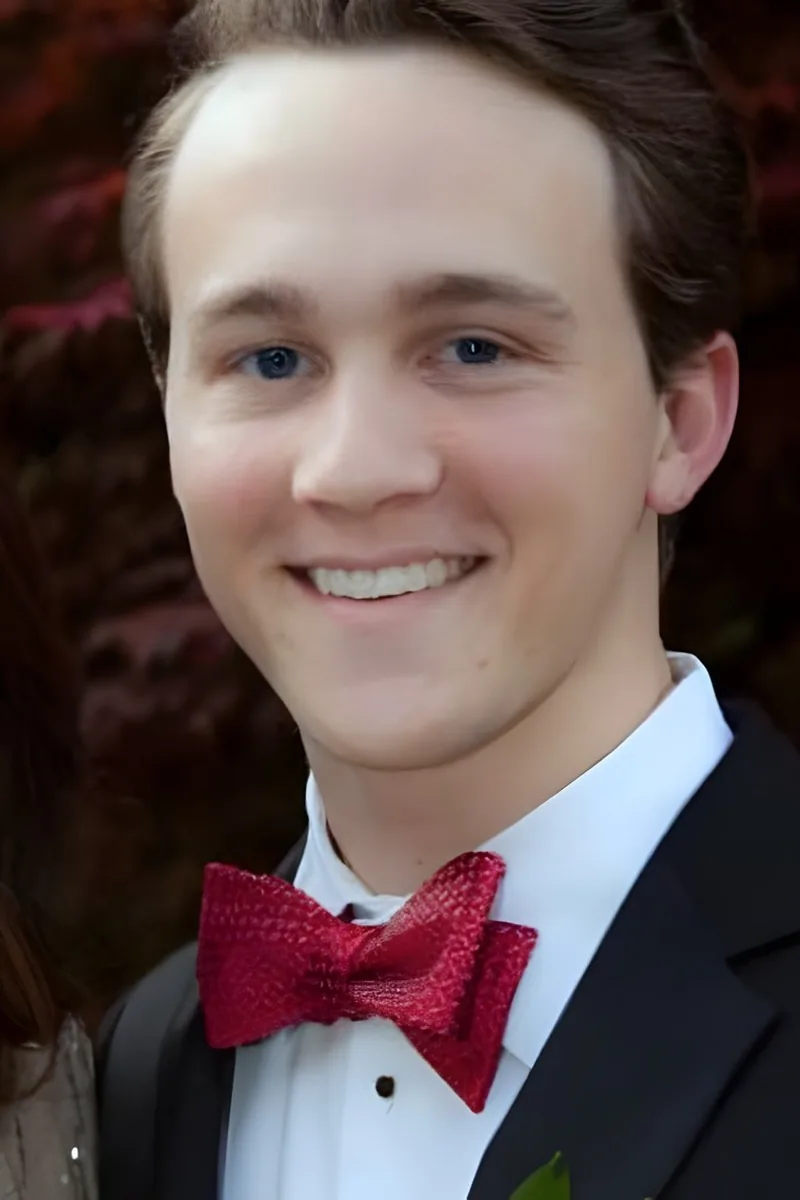
Studying neuroscience at Vanderbilt means Elliot spends his coursework tracing how organisms respond to environmental stressors at the biological level — a perspective that sharpens his teaching of APES topics like toxicology, bioaccumulation, and dose-response relationships. His chemistry minor adds depth when unpacking biogeochemical cycles and the math behind pollution concentration problems, areas where students who rely on vocabulary alone tend to lose free-response points.
Kelsey earned her Master of Science in Environmental Sciences and Policy from Johns Hopkins, which means she doesn't just know the APES curriculum — she's done the fieldwork and data analysis behind it. From biogeochemical cycles to environmental legislation and ecological footprint calculations, she teaches students to think like environmental scientists, not just memorize vocabulary for the exam. Rated 4.9 by students.
Computer science and environmental science don't often overlap — until the APES exam asks students to interpret large data sets on biodiversity indices, model population growth curves, or analyze trends in atmospheric CO₂ concentrations, which is where Firas's PhD-level data analysis and machine learning research at Princeton becomes genuinely useful. He teaches students to read graphs and tables with the systematic precision of a data scientist, breaking down the quantitative free-response questions that catch memorization-focused students off guard. Rated 5.0 by students.
Between his dual majors in Statistics/Economics and Business Analytics at Carnegie Mellon, Nitin spends most of his time building and interpreting data models — which is exactly the skill set APES leans on when students have to calculate ecological footprints, analyze pollution trends, or interpret population growth curves on the exam. He approaches the course's free-response questions as data-driven arguments, teaching students to pull evidence from graphs and tables and structure answers that actually earn full credit.
Creative writing isn't the obvious path to APES, but Sydney's strength is in the skill most students neglect: constructing clear, evidence-driven free-response answers that earn full credit instead of rambling through half-remembered vocabulary. Her 35 ACT and 1600 SAT reflect the kind of analytical reading ability that translates directly to interpreting experimental designs and data sets on the exam. Rated 4.9 by students.
Stanford's Science, Technology, and Society major sits at the exact intersection APES lives in — where ecological science meets human systems, policy decisions, and technological trade-offs. Rithika's IB and National AP Scholar background means she's already navigated the kind of interdisciplinary, essay-heavy exams that APES models itself on, and she uses that experience to teach students how to connect scientific evidence to real-world environmental consequences in their free-response answers.
Premed coursework in human biology builds an intuitive grasp of the biological systems that APES questions test — nutrient cycling, population growth models, and the health consequences of environmental degradation aren't abstract concepts for Sharan, they're threads running through his own studies at Cornell. He scored a 36 on the ACT, and that same precision with data shows up in how he teaches students to work through the math-based questions on ecological footprints and resource consumption that the exam buries between the conceptual material. Rated 5.0 by students.
Having earned her bachelor's in Environmental Science, Patricia didn't just survey APES topics — she studied biogeochemical cycles, soil science, and ecosystem dynamics at the college level they're drawn from. She zeroes in on the quantitative side students often underestimate, like calculating energy transfer efficiency or interpreting species diversity indices, while also sharpening the cause-and-effect reasoning the free-response section demands.
I am a 3rd year bio major at GT with minors in biochemistry and computer science. My tutoring subjects are math, bio, and chem. I have tutored for a few years, and I have also TAed! My favorite subjects are general chemistry and molecular biology (: My personal belief is that anyone can enjoy a subject once they truly understand it.
Scott earned his Master's in Ecology studying exactly the systems the AP Environmental Science exam tests — biogeochemical cycles, biodiversity loss, population dynamics, and resource management. He breaks down free-response questions by teaching students to connect data interpretation with the underlying ecological principles, which is where most points are won or lost on exam day.
Brown's public health curriculum digs into the human side of environmental problems — epidemiology, toxicology, resource policy — and Paul pairs that perspective with a biology major's understanding of the ecological systems APES actually tests. He teaches students to connect pollution sources to health outcomes and trace nutrient cycles through ecosystems, building the kind of layered cause-and-effect reasoning that earns full marks on free-response questions. Rated 5.0 by students.
Testimonials
Because the right AP Environmental Science tutor makes all the difference.
Average Session Rating – Based on 3.4M Learner Ratings
Practice AP Environmental Science
Free practice tests, flashcards, and AI tutoring for AP Environmental Science
Other Boise Tutors
Related Science Tutors in Boise
Frequently Asked Questions
Varsity Tutors matches Boise students with expert AP Environmental Science tutors for 1-on-1 instruction. We pair each student with a tutor based on their specific needs, learning style, and goals.
Whether you need homework help, exam prep, or want to get ahead, our AP Environmental Science tutors are ready to help.
Common challenges include gaps from earlier material, difficulty with specific concepts, and trouble applying learning to new problems. These issues can snowball quickly in AP Environmental Science.
A tutor identifies where you're stuck, fills in gaps, and provides targeted practice. The 1-on-1 format means you get help exactly where you need it.
Tutors work with your student's actual coursework—homework assignments, class notes, and upcoming tests. This keeps tutoring directly relevant to what's happening in the classroom.
When you share information about your student's school and curriculum, we can match you with a tutor who has relevant experience.
All tutors complete background checks, credential verification, and teaching evaluation. Many of our AP Environmental Science tutors hold advanced degrees or have years of teaching experience.
You can review tutor profiles to find someone with the right background for your student's level and needs.
Many students see improved grades within a few weeks, along with better understanding of AP Environmental Science concepts and more confidence tackling challenging material.
Tutors track progress and adjust their approach to ensure continued improvement.
Most students benefit from 1-2 sessions per week. More frequent sessions help if your student is significantly behind or has an important exam coming up.
Your tutor can recommend a schedule based on your student's specific situation and goals.
Tutoring is purchased in packages of hours, with rates varying by tutor experience. Varsity Tutors offers several options to fit different budgets and needs.
You can discuss pricing during your consultation to find what works best.
Your tutor will assess where your student is, discuss goals, and start working on priority areas. Most students bring current homework or upcoming test material to focus on.
By the end, you'll have a clear sense of how the tutor can help and a plan for moving forward.
Let’s find your perfect tutor
Answer a few quick questions. We’ll recommend the right plan and match you with a top 5% tutor.