Award-Winning Microbiology Tutors
serving Tallahassee, FL
Microbiology
Tutors in Tallahassee
Private 1-on-1 tutoring, weekly live classes for academic support, test prep & enrichment, practice tests and diagnostics, and more to elevate grades and test scores.
Based on 3.4M Learner Ratings
UniversitiesSchools & Universities
DeliveredHours Delivered
ProficiencyGrowth in Proficiency
Who needs tutoring?
No obligation. Takes ~1 minute.
An environmental biology degree means Andrew spent real time studying how microbial communities shape ecosystems — from soil bacteria driving decomposition to waterborne microorganisms cycling nutrients through aquatic systems. That ecological grounding lets him teach concepts like microbial metabolism and population dynamics by connecting them to the environmental processes students can actually visualize, rather than treating them as isolated textbook definitions.
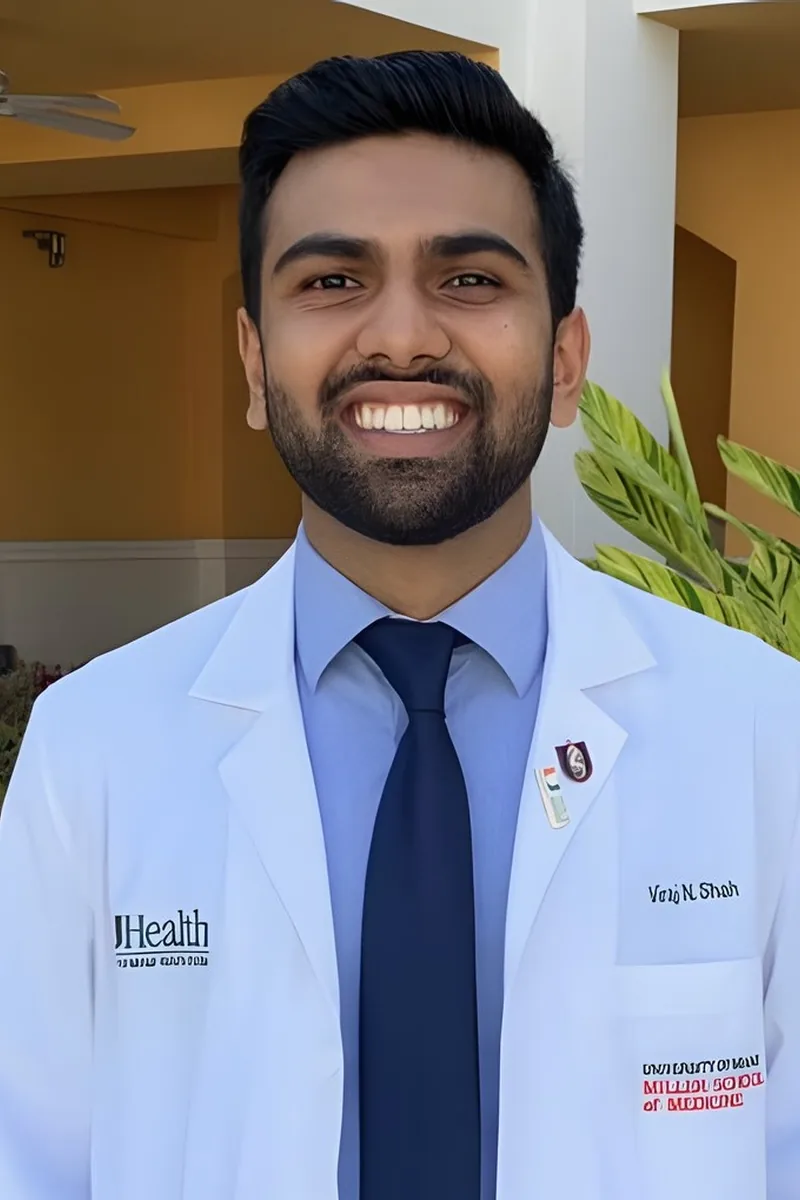
Studying microbiology in a medical program means Viraj doesn't just know bacterial classification charts — he understands how pathogen virulence factors, antibiotic resistance mechanisms, and host immune responses actually interact in clinical scenarios. He teaches microbiology by connecting organisms to the diseases they cause, which makes retention far more intuitive than rote memorization of genus and species names.
Gram staining, bacterial metabolism, viral replication cycles — microbiology demands both memorization and conceptual reasoning about organisms you can't see. Kaitlyn's biology background and medical school training give her a clinical lens that ties pathogens to real disease processes, which makes retention dramatically easier than rote memorization alone.
Understanding microbiology means thinking at the intersection of cell biology, genetics, and biochemistry — distinguishing Gram-positive from Gram-negative bacteria isn't just a staining trick but a story about cell wall architecture. Sidra connects microbial physiology to practical applications like antibiotic resistance mechanisms and metabolic diversity, drawing on her broad biology background to make the material coherent rather than encyclopedic.
The IB program's integrated science curriculum gave Rithika hands-on experience connecting biology and chemistry at the cellular level — exactly the crossover that makes topics like bacterial metabolism and microbial pathogenesis make sense. Now pursuing a pre-med track in Science, Technology, and Society at Stanford, she approaches microorganisms not just as isolated lab specimens but as players in larger human health and environmental systems.
Understanding microbial metabolism, pathogenesis, and classification requires a strong grasp of the cellular and molecular machinery underneath. Sofia's degree in Cell and Molecular Biology — plus her biochemistry minor — gives her the tools to explain how bacteria replicate, how antibiotics target specific structures, and why Gram staining works at the chemical level. She connects microbiology concepts back to the underlying biology so the material sticks.
I am passionate about learning and assisting others with the intention of becoming an excellent physician in the future. I am eager to apply the knowledge and skills that I have learned along the way to improve the lives of those looking to better themselves.
Preparing for medical school means Anup has been deep in the weeds with microbial pathogenesis, host-pathogen interactions, and the immune responses that tie microbiology directly to clinical medicine. His biology degree and parallel coursework in anatomy, physiology, and chemistry give him the cellular and molecular vocabulary to unpack topics like bacterial virulence mechanisms and infection cycles at the level they actually operate. Rated 5.0 by students.
Harrison's undergraduate thesis work in a nanotechnology lab involved hands-on microbiology techniques, from bacterial culture to understanding how microorganisms interact with engineered materials. He unpacks topics like microbial metabolism, gene regulation, and host-pathogen interactions by tying molecular-level details to the bigger biological picture.
Bacterial morphology, Gram staining protocols, viral replication cycles — microbiology is a subject where details matter and diagrams alone don't cut it. Michelle's biology degree and her breadth across molecular biology, biochemistry, and cell biology mean she can explain how microorganisms function at the molecular level, not just what they look like under a microscope. Rated 4.9 by students.
Bacterial morphology, viral replication cycles, immune evasion strategies — microbiology covers an enormous range of material that can feel disconnected without the right framework. Susie's Human Biology degree from UT Austin gave her deep exposure to host-pathogen interactions and microbial genetics, and she connects each topic back to the bigger picture of how microorganisms shape human health.
Medical school at Nova Southeastern means Alokika is knee-deep in the pathogens, host-defense mechanisms, and infectious disease processes that make up the core of any microbiology course. She draws on her biology degree and clinical training to unpack topics like bacterial classification, virulence factors, and antimicrobial resistance at the level medical and pre-med students actually need. Rated 5.0 by students.
Poonam earned her bachelor's degree in Microbiology and Immunology, so she teaches this subject from firsthand academic depth — bacterial genetics, viral replication cycles, host-pathogen interactions, and lab techniques like Gram staining and culture methods. She connects each concept to the bigger picture of how microorganisms shape human health, making dense material easier to retain.
Studying biotechnology at the college level meant Fulton spent serious time with bacterial genetics, metabolic pathways, and culture techniques long before stepping into a tutoring role. He unpacks microbiology topics like gram staining protocols, viral replication cycles, and host-pathogen interactions by linking structure to function at every level.
I am passionate about tutoring because I have been in your shoes before. I understand commonly confused topics and can help guide you through the right strategy to excel in your subjects. I have extensive experience working with individuals aged 6 through 40. I received my education from the University of Florida in Gainesville, FL. I double majored in nutritional sciences and microbiology and received my BS. I received my medical degree MD from the University of Florida as well. I am currently an attending pathologist and would be happy to guide you on the path of medicine if you have questions. I tutor practically every science and math topic, from chemistry, biology, and biochemistry, to algebra, geometry, and calculus. I also love teaching test prep such as SAT, GRE, and the MCAT. I believe the best way to tutor is to guide with effective questions and relevant explanations. You are going to be taking the test or exam on test day, and I will make sure you have all the tools needed!
This is Roy's home turf — he graduated from the University of Florida with a degree in Microbiology and Cell Science. He digs into bacterial physiology, microbial genetics, and host-pathogen interactions with the kind of specificity that turns vague textbook descriptions into clear mental models students can actually recall on exams.
Keeping bacterial classification, metabolic pathways, and virulence factors straight requires more than flashcards — it requires understanding how microorganisms actually behave. Emyli's biomedical sciences coursework, which spans immunology and pathophysiology alongside microbiology, lets her connect concepts like Gram staining results to the cell wall structures that cause them.
Delaney's biology degree covered the foundational cell biology and ecology that makes microbiology click — understanding how microorganisms interact with their environments, compete for resources, and drive nutrient cycles. She also teaches graduate-level biology and ecology, so she can connect microbial concepts like quorum sensing or biofilm ecology to the larger biological systems students encounter in upper-level coursework. Rated 5.0 by students.
This is Brian's home turf. As a PhD microbiologist and associate professor of the subject at Collin County Community College, he unpacks everything from bacterial gene expression and metabolic pathways to virology and immunological responses with the specificity that upper-level coursework demands. Students get someone who reads the primary literature daily and can translate it into clear, testable understanding.
Neuroscience at Brown doesn't let you skip the micro — Owen's coursework in biology and chemistry built a working understanding of how microorganisms operate at the cellular level, from membrane transport to metabolic regulation. He brings that mechanistic thinking to topics like bacterial growth curves and immune evasion, breaking down each process into the molecular steps that actually explain it.
As a biology major at Boston College, Andrew's coursework in cell biology and lab science gave him hands-on experience with the microbial world — bacterial structure, growth dynamics, and the metabolic differences that determine how organisms thrive in different environments. His parallel study of chemistry strengthens how he explains topics like cell membrane function and nutrient uptake at the molecular level, turning dense material into something students can actually reason through. Rated 5.0 by students.
Garrett's biology degree paired with his coursework in physiology and anatomy means he understands microorganisms in the context of the systems they infect — not as isolated names on a flashcard. He walks through topics like microbial cell structure, pathogen life cycles, and immune evasion strategies by anchoring each organism to the tissue-level damage it actually causes, which turns a massive taxonomy into something students can reason through.
Between her molecular biology degree and her current biomedical science graduate program, Sierra has spent years working with bacterial physiology, microbial genetics, and host-pathogen interactions. She explains dense topics like gram staining protocols, metabolic pathways, and antimicrobial resistance mechanisms by tying them back to real clinical and research scenarios that make the material stick.
Medical school gave Kruti an unusually practical understanding of microbiology — she learned bacteria, viruses, fungi, and parasites not as abstract taxonomy but as organisms that cause specific diseases through specific mechanisms. She digs into concepts like virulence factors, antibiotic resistance pathways, and immune evasion strategies with the kind of detail that sticks. Students preparing for college-level micro exams or USMLE-style questions get someone who's recently navigated both.
Bioengineering trains you to think about microorganisms as systems — how bacterial metabolism, gene regulation, and surface interactions can be modeled, measured, and manipulated. Casey applies that engineering mindset to microbiology topics like growth kinetics and sterilization techniques, breaking down each process into the quantitative and biological components that actually explain it. Her parallel background in physiology and organic chemistry lets her trace microbial behavior from the molecular scale up to host-level effects.
Studying microbiology in preparation for medical school gave Nishad a detailed command of bacterial physiology, viral replication cycles, and immune response pathways. He teaches students to connect structure to function — understanding why Gram-negative bacteria resist certain antibiotics, for instance, by tracing the architecture of their outer membrane.
I'm a current medical student at VCU School of Medicine, and a graduate of Johns Hopkins University. I received my Bachelor of Science in Molecular and Cellular Biology. I've had the pleasure of tutoring a diverse range of students for 5 years; while I tutor a broad set of subjects, I'm most passionate about biology, psychology, and chemistry. I'm a big proponent of ensuring understanding over memorization and teaching concepts that last for years to come (particularly for other students interested in medicine!) In my free time, I love to write poetry, edit essays, and gush about game writing with friends.
As a fourth-year medical student at Thomas Jefferson University, Anshel has spent years immersed in bacterial pathogenesis, antimicrobial mechanisms, and the clinical consequences of infections that microbiology courses describe in the abstract. He connects concepts like gram staining, virulence factors, and antibiotic resistance to the patient scenarios that make them memorable. That clinical lens turns dense microbiology material into something students can actually reason through on exams.
As a second-year medical student with an undergraduate degree in Molecular, Cell, & Developmental Biology from UCLA, Vinay brings clinical context to microbiology topics like bacterial pathogenesis, viral replication cycles, and antimicrobial resistance mechanisms. He connects each organism's structure to its behavior — explaining *why* gram-negative bacteria respond differently to antibiotics, not just *that* they do. His pharmacology knowledge adds an extra layer for students studying micro in a pre-health context.
Testimonials
Because the right Microbiology tutor makes all the difference.
Average Session Rating – Based on 3.4M Learner Ratings
Nearby Microbiology Tutors
Other Tallahassee Tutors
Related Science Tutors in Tallahassee
Frequently Asked Questions
Varsity Tutors matches Tallahassee students with expert Microbiology tutors for 1-on-1 instruction. We pair each student with a tutor based on their specific needs, learning style, and goals.
Whether you need homework help, exam prep, or want to get ahead, our Microbiology tutors are ready to help.
Common challenges include gaps from earlier material, difficulty with specific concepts, and trouble applying learning to new problems. These issues can snowball quickly in Microbiology.
A tutor identifies where you're stuck, fills in gaps, and provides targeted practice. The 1-on-1 format means you get help exactly where you need it.
Tutors work with your student's actual coursework—homework assignments, class notes, and upcoming tests. This keeps tutoring directly relevant to what's happening in the classroom.
When you share information about your student's school and curriculum, we can match you with a tutor who has relevant experience.
All tutors complete background checks, credential verification, and teaching evaluation. Many of our Microbiology tutors hold advanced degrees or have years of teaching experience.
You can review tutor profiles to find someone with the right background for your student's level and needs.
Many students see improved grades within a few weeks, along with better understanding of Microbiology concepts and more confidence tackling challenging material.
Tutors track progress and adjust their approach to ensure continued improvement.
Most students benefit from 1-2 sessions per week. More frequent sessions help if your student is significantly behind or has an important exam coming up.
Your tutor can recommend a schedule based on your student's specific situation and goals.
Tutoring is purchased in packages of hours, with rates varying by tutor experience. Varsity Tutors offers several options to fit different budgets and needs.
You can discuss pricing during your consultation to find what works best.
Your tutor will assess where your student is, discuss goals, and start working on priority areas. Most students bring current homework or upcoming test material to focus on.
By the end, you'll have a clear sense of how the tutor can help and a plan for moving forward.
Let’s find your perfect tutor
Answer a few quick questions. We’ll recommend the right plan and match you with a top 5% tutor.