Award-Winning Mandarin Chinese Tutors
serving Gainesville, FL
Mandarin Chinese
Tutors in Gainesville
Private 1-on-1 tutoring, weekly live classes for academic support, test prep & enrichment, practice tests and diagnostics, and more to elevate grades and test scores.
Based on 3.4M Learner Ratings
UniversitiesSchools & Universities
DeliveredHours Delivered
ProficiencyGrowth in Proficiency
Who needs tutoring?
No obligation. Takes ~1 minute.
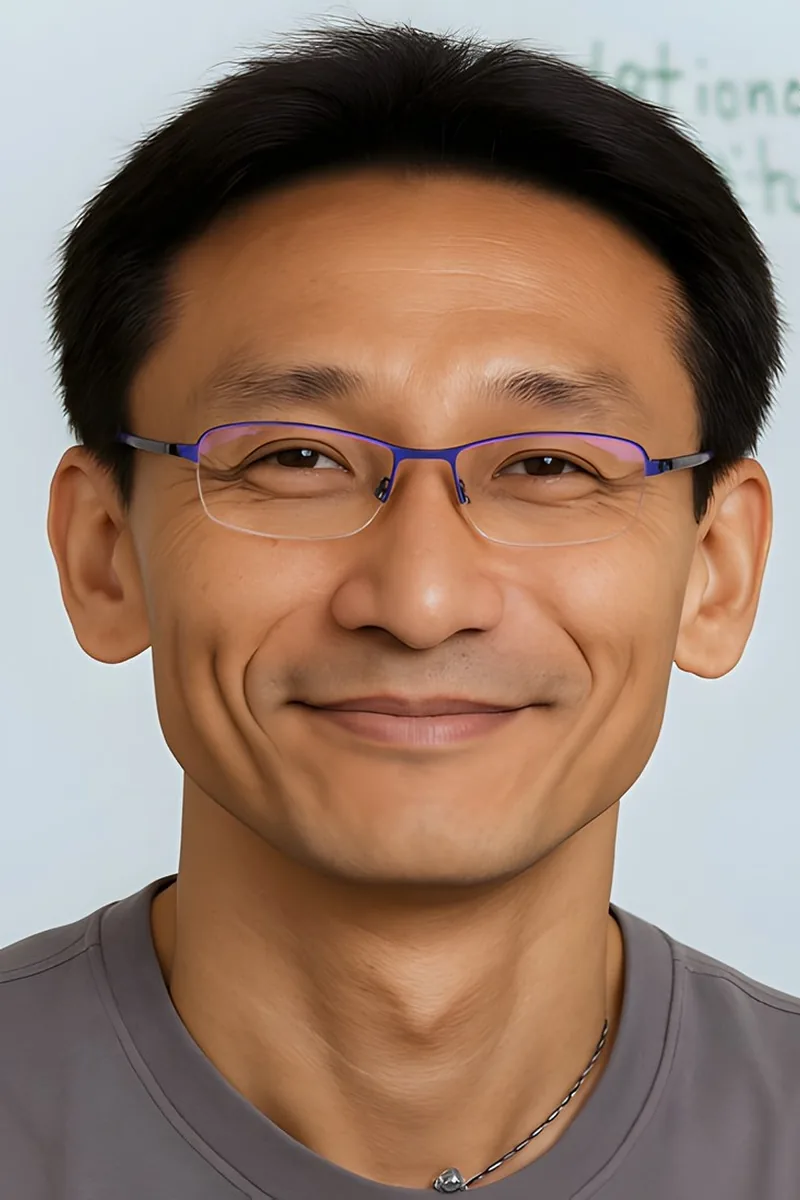
Learning Mandarin means juggling tones, character stroke order, and sentence structures that feel nothing like English — and Paulkey tackles each piece systematically. As a certified Mandarin teacher who has taught every level from beginner through AP, he sequences new vocabulary and grammar so each lesson builds naturally on the last. Rated 4.7 by students.

Tone pairs, radical recognition, stroke order — Mandarin has layers of complexity that intimidate most beginners, and Ashley breaks each one down systematically. Her international background and fluency across all four Mandarin course levels mean she can take a student from pinyin basics through reading simplified characters with real comprehension.
As a native-level Mandarin speaker, Qiwei understands the specific hurdles English speakers face with tones, character recognition, and measure words — challenges that a textbook alone can't solve. He builds conversational confidence alongside structured grammar practice, making the jump from pinyin to real Chinese communication feel far less intimidating.
Mandarin intimidates a lot of students because it layers tonal pronunciation, character writing, and a grammar system that works nothing like English. Michael has studied through Mandarin Chinese 4 and breaks the language into manageable pieces — drilling tone pairs for listening accuracy, teaching radical-based strategies for character memorization, and building sentence patterns from simple to complex.
Mandarin was at the center of Jacob's University of Chicago degree, where he studied the language alongside Chinese history, literature, and culture. That immersion means he can explain not just how characters and tones work but why certain grammatical structures exist — connecting vocabulary to the cultural logic behind it. He's developing his own acquisition methods designed to accelerate real conversational fluency.
Learning Mandarin means tackling tones, character recognition, and a grammar structure that works nothing like English — and Lisa addresses all three without overwhelming students. She breaks down sentence patterns like topic-comment structure and measure words so that students understand the logic of the language, not just isolated vocabulary lists. Her anthropological perspective also brings in cultural context that makes phrases and expressions feel meaningful rather than arbitrary.
Martin's anthropology fieldwork required deep engagement with Mandarin Chinese — not just vocabulary lists but tonal precision, character recognition, and the cultural logic behind the language. His PhD-level research background means he can explain how Mandarin grammar structures thought differently than English, making concepts like measure words and aspect markers click for learners at any level.
Katherine speaks Mandarin and brings the same structured, patient approach she uses in her math and writing tutoring to language instruction. She tackles tonal pronunciation, character recognition, and sentence structure in ways that make the learning curve feel manageable rather than overwhelming.
As a Mandarin speaker comfortable with both conversational and academic Chinese, Jennifer teaches tonal pronunciation, character recognition, and sentence structure in a way that builds practical fluency. She connects new vocabulary to real contexts — ordering food, describing daily routines, reading simple news articles — so the language sticks beyond flashcard drills.
Tackling Mandarin means mastering tones, radicals, and measure words all at once, and June breaks each of these down systematically rather than expecting students to absorb them through repetition alone. Her engineering mindset at Brown carries over: she treats character memorization as a pattern-recognition problem, grouping radicals and phonetic components so new vocabulary builds on what students already know.
Having taught at a Mandarin school, Nova approaches Chinese instruction with an ear for the tonal precision and character stroke order that textbooks often gloss over. She's particularly effective at bridging the gap between conversational ability and written literacy — teaching students to read and write characters while reinforcing proper pronunciation. Her 5.0 rating speaks to how well that balance works.
Learning Mandarin means juggling tones, character recognition, and a grammar system that works nothing like English — and Patricia tackles all three without overwhelming students. She sequences lessons so that new vocabulary and sentence patterns build on what a student already knows, making the jump from pinyin to characters feel manageable. Her experience teaching beginners through more advanced learners means she can calibrate to whatever stage a student is in.
Brittaney teaches Mandarin Chinese across four proficiency levels, from character recognition and tonal pronunciation basics through more advanced reading and composition. She connects language learning to cultural context, which makes vocabulary and grammar patterns stick instead of feeling like rote memorization. Her 5.0 rating speaks to how well that approach works for students at every stage.
Yan is a Chinese language tutor who brings both native fluency and formal teaching training to Mandarin instruction. She tackles tones, character writing, and conversational patterns by designing custom materials that match each student's level — whether they're learning pinyin basics or preparing for more advanced reading and composition. Her four years of classroom teaching in Boston sharpened her ability to explain tricky grammar structures in ways that actually stick.
Annie teaches Mandarin with attention to the details that trip up English speakers most — tonal pronunciation, measure words, and the logic behind character radicals. Whether a student is working through basic sentence patterns or tackling more complex grammar like 把 constructions, she breaks down the structure so it makes sense rather than just requiring rote repetition.
Learning Mandarin means training your ear for four tones, memorizing character stroke order, and internalizing grammar patterns that have no English equivalent. Tracy grew up speaking Mandarin natively and teaches everything from pinyin fundamentals for beginners to reading comprehension and essay composition for advanced learners.
Testimonials
Because the right Mandarin Chinese tutor makes all the difference.
Average Session Rating – Based on 3.4M Learner Ratings
Nearby Mandarin Chinese Tutors
Other Gainesville Tutors
Related Languages Tutors in Gainesville
Frequently Asked Questions
Varsity Tutors matches Gainesville students with expert Mandarin Chinese tutors for 1-on-1 instruction. We pair each student with a tutor based on their specific needs, learning style, and goals.
Whether you need homework help, exam prep, or want to get ahead, our Mandarin Chinese tutors are ready to help.
Common challenges include gaps from earlier material, difficulty with specific concepts, and trouble applying learning to new problems. These issues can snowball quickly in Mandarin Chinese.
A tutor identifies where you're stuck, fills in gaps, and provides targeted practice. The 1-on-1 format means you get help exactly where you need it.
Tutors work with your student's actual coursework—homework assignments, class notes, and upcoming tests. This keeps tutoring directly relevant to what's happening in the classroom.
When you share information about your student's school and curriculum, we can match you with a tutor who has relevant experience.
All tutors complete background checks, credential verification, and teaching evaluation. Many of our Mandarin Chinese tutors hold advanced degrees or have years of teaching experience.
You can review tutor profiles to find someone with the right background for your student's level and needs.
Many students see improved grades within a few weeks, along with better understanding of Mandarin Chinese concepts and more confidence tackling challenging material.
Tutors track progress and adjust their approach to ensure continued improvement.
Most students benefit from 1-2 sessions per week. More frequent sessions help if your student is significantly behind or has an important exam coming up.
Your tutor can recommend a schedule based on your student's specific situation and goals.
Tutoring is purchased in packages of hours, with rates varying by tutor experience. Varsity Tutors offers several options to fit different budgets and needs.
You can discuss pricing during your consultation to find what works best.
Your tutor will assess where your student is, discuss goals, and start working on priority areas. Most students bring current homework or upcoming test material to focus on.
By the end, you'll have a clear sense of how the tutor can help and a plan for moving forward.
Let’s find your perfect tutor
Answer a few quick questions. We’ll recommend the right plan and match you with a top 5% tutor.