Award-Winning Mandarin Chinese Tutors
serving Orlando, FL
Mandarin Chinese
Tutors in Orlando
Private 1-on-1 tutoring, weekly live classes for academic support, test prep & enrichment, practice tests and diagnostics, and more to elevate grades and test scores.
Based on 3.4M Learner Ratings
UniversitiesSchools & Universities
DeliveredHours Delivered
ProficiencyGrowth in Proficiency
Who needs tutoring?
No obligation. Takes ~1 minute.
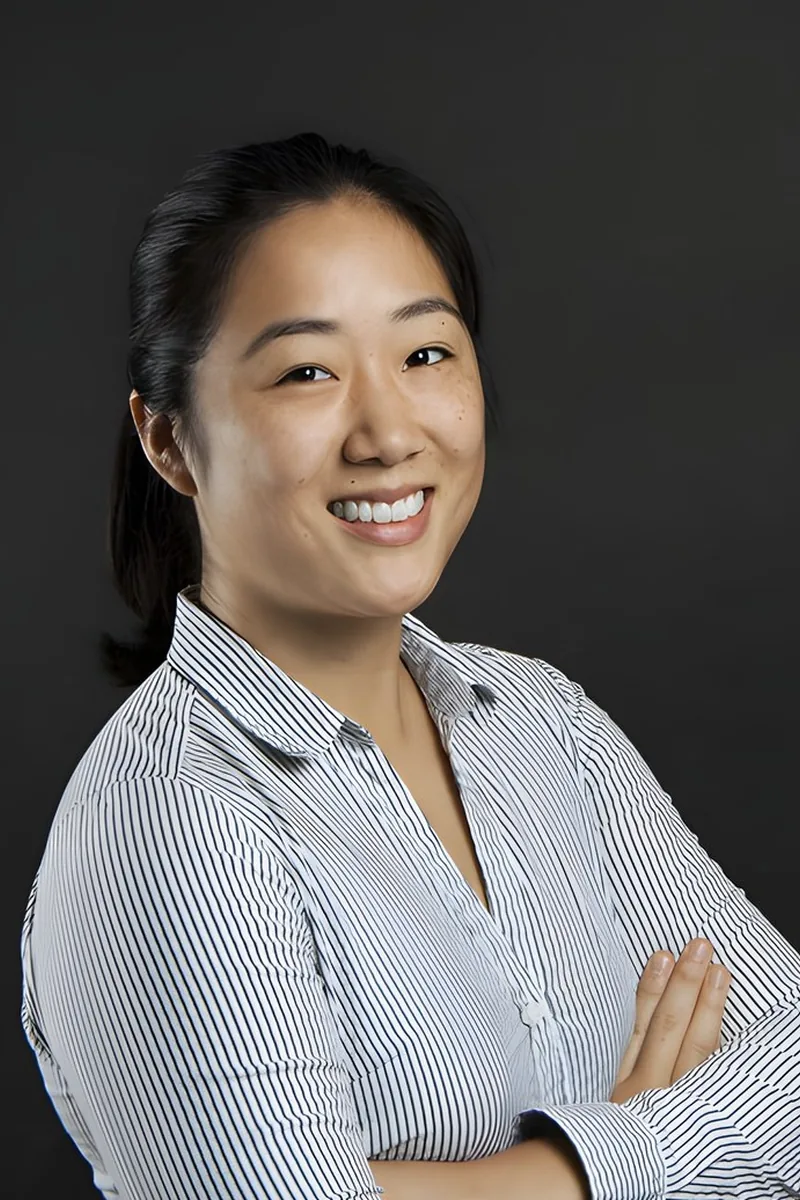
Asta's experience teaching the SAT Chinese Subject Test and living in Hong Kong gave her a practical grasp of Mandarin that bridges formal grammar with real-world usage. She tackles tonal accuracy, character recognition, and sentence structure by connecting each concept to contexts students will actually encounter — ordering food, reading signs, or discussing current events.

Henry is a fluent Mandarin Chinese speaker who teaches everything from tonal pronunciation and pinyin basics to more advanced character recognition and conversational fluency. His approach connects vocabulary to real-world usage — ordering food, navigating directions, discussing current events — so that new words stick in context rather than as isolated flashcard entries.
Ingrid is pursuing a double major in Asian Languages and Cultures at Northwestern, where she's studied Mandarin through advanced coursework up to the fourth level. She breaks down tonal pronunciation, character recognition, and sentence structure in ways that make the language accessible to learners at any stage — from pinyin basics to reading and writing full passages.
Learning Mandarin means tackling tonal pronunciation, character recognition, and a grammar system that works nothing like English — all at once. Sherry's linguistics background gives her concrete tools for explaining how Mandarin sentence structure, measure words, and aspect markers actually function, turning what often feels like rote memorization into something more systematic.
Learning Mandarin Chinese requires consistent practice with tonal accuracy, character recognition, and sentence structure — skills that benefit from a patient, methodical tutor. Julie's background in philosophy and statistics at Princeton means she approaches language learning with the same logical rigor she applies to formal proofs, breaking grammar patterns into learnable systems rather than isolated rules.
Beyond classroom fluency, Kathy teaches Mandarin Chinese with attention to the details that trip students up most: tone pairs, measure words, and the logic behind character radicals. She covers reading, writing, and spoken skills, adjusting the balance depending on whether a student is preparing for exams or building practical communication ability.
Learning Mandarin means tackling tones, character recognition, and sentence structures that have almost nothing in common with English. Eric breaks down these challenges systematically, connecting new grammar patterns to ones students already know and building reading fluency through consistent character practice.
Learning Mandarin means training your ear for four tones, memorizing character stroke order, and internalizing grammar patterns that have no English equivalent. Tracy grew up speaking Mandarin natively and teaches everything from pinyin fundamentals for beginners to reading comprehension and essay composition for advanced learners.
JF grew up speaking Mandarin at home and tested that fluency on the SAT Subject Test in Chinese with Listening. He brings a native speaker's intuition for natural phrasing and colloquial usage, which means he can explain why certain word orders sound right to Chinese ears — something textbooks rarely cover well. Rated 5.0 by students.
Helen teaches Mandarin across beginner and intermediate levels, covering tonal pronunciation, character writing, and sentence structure. She connects grammar patterns to real conversational use, which makes abstract rules like measure words and aspect particles feel intuitive rather than arbitrary.
Katherine speaks Mandarin and brings the same structured, patient approach she uses in her math and writing tutoring to language instruction. She tackles tonal pronunciation, character recognition, and sentence structure in ways that make the learning curve feel manageable rather than overwhelming.
Tony tutored Mandarin Chinese through a DC-based tutoring company, covering tonal pronunciation, character recognition, and sentence structure. His Yale biology background also means he can connect vocabulary building to systematic memorization techniques that make retention of radicals and compound characters far more manageable.
Annie teaches Mandarin with attention to the details that trip up English speakers most — tonal pronunciation, measure words, and the logic behind character radicals. Whether a student is working through basic sentence patterns or tackling more complex grammar like 把 constructions, she breaks down the structure so it makes sense rather than just requiring rote repetition.
Learning Mandarin means tackling tones, character recognition, and a grammar structure that works nothing like English — and Lisa addresses all three without overwhelming students. She breaks down sentence patterns like topic-comment structure and measure words so that students understand the logic of the language, not just isolated vocabulary lists. Her anthropological perspective also brings in cultural context that makes phrases and expressions feel meaningful rather than arbitrary.
Learning Mandarin means training your ear to distinguish four tones that can completely change a word's meaning. Li's academic background in speech and hearing science gives her a technical understanding of how people perceive and produce these tonal differences, which she uses to build targeted pronunciation drills alongside character recognition and conversational practice.
Having prepared for and taken the SAT Subject Test in Chinese with Listening, Eileen knows firsthand where English speakers stumble — tonal distinctions, measure words, and character recognition under pressure. She breaks Mandarin practice into targeted drills that build reading fluency and listening comprehension simultaneously.
Yan is a Chinese language tutor who brings both native fluency and formal teaching training to Mandarin instruction. She tackles tones, character writing, and conversational patterns by designing custom materials that match each student's level — whether they're learning pinyin basics or preparing for more advanced reading and composition. Her four years of classroom teaching in Boston sharpened her ability to explain tricky grammar structures in ways that actually stick.
As a Mandarin speaker, Jessy tackles the aspects of the language that trip up English-speaking learners most — tonal pronunciation, character stroke order, and the logic behind measure words and sentence structure. She uses a mix of conversation practice and written drills to build both spoken fluency and reading recognition simultaneously.
Tackling Mandarin means mastering tones, radicals, and measure words all at once, and June breaks each of these down systematically rather than expecting students to absorb them through repetition alone. Her engineering mindset at Brown carries over: she treats character memorization as a pattern-recognition problem, grouping radicals and phonetic components so new vocabulary builds on what students already know.
Native fluency makes a real difference when learning Mandarin's tonal system, character stroke order, and measure words — all areas where textbooks only get you so far. Christine grew up speaking and writing Mandarin in Shanghai and has taught across age groups, so she adjusts naturally between pinyin-based beginners and students ready to tackle paragraph-level composition. She holds a 4.7 rating from the families she's tutored.
Proficient in both Pinyin and Zhuyin (Bopomofo), and fluent in Simplified and Traditional Chinese, Yi brings a rare linguistic range to Mandarin instruction. Her training in phonology, semantics, and Chinese paleography allows her to explain tonal distinctions, character etymology, and grammatical structures at a level most tutors simply can't — whether a student is preparing for AP Chinese or building conversational fluency from scratch.
Having taught at a Mandarin school, Nova approaches Chinese instruction with an ear for the tonal precision and character stroke order that textbooks often gloss over. She's particularly effective at bridging the gap between conversational ability and written literacy — teaching students to read and write characters while reinforcing proper pronunciation. Her 5.0 rating speaks to how well that balance works.
Learning Mandarin means juggling tones, character recognition, and a grammar system that works nothing like English — and Patricia tackles all three without overwhelming students. She sequences lessons so that new vocabulary and sentence patterns build on what a student already knows, making the jump from pinyin to characters feel manageable. Her experience teaching beginners through more advanced learners means she can calibrate to whatever stage a student is in.
Florence's Chinese proficiency is strong enough that she sat for the SAT Subject Test in Chinese with Listening, giving her real experience with the listening comprehension, reading, and writing skills that Mandarin learners need to develop. She tackles tricky areas like measure words, sentence-final particles, and character recognition with a methodical approach shaped by her computer science training at Duke.
Learning Mandarin means juggling tones, character recognition, and a grammar structure that looks nothing like English — all at once. Andrew has studied Mandarin through multiple levels and tackles each of these layers separately before combining them, so students build real reading and speaking ability instead of just memorizing phrases.
Allison teaches Mandarin with attention to the details that trip up English speakers most: tonal pronunciation, character stroke order, and the grammatical structures that have no direct English equivalent. Her approach connects vocabulary to real-world contexts — ordering food, reading signs, navigating conversations — so new words actually stick beyond the quiz.
Cindy is a heritage Mandarin speaker who also passed the SAT Subject Test in Chinese with Listening, giving her both native fluency and an understanding of how the language looks from a learner's perspective. She tackles everything from tone drilling and character stroke order to reading comprehension of longer passages, adjusting her approach based on whether a student is building from scratch or refining existing skills.
Learning Mandarin means wrestling with tones, character radicals, and a grammar system that works nothing like English. Hannah's MA in Chinese Studies and full fluency in spoken, written, and read Mandarin let her explain these differences from the inside out — showing students how the language actually thinks, not just how to memorize pinyin charts.
Learning Mandarin means juggling tones, character recognition, and sentence structures that have almost nothing in common with English. Mandy approaches each of these as a separate skill with its own practice routine — tone drills for speaking, radical-based strategies for reading characters, and pattern exercises for grammar — so progress feels concrete rather than overwhelming.
Brittaney teaches Mandarin Chinese across four proficiency levels, from character recognition and tonal pronunciation basics through more advanced reading and composition. She connects language learning to cultural context, which makes vocabulary and grammar patterns stick instead of feeling like rote memorization. Her 5.0 rating speaks to how well that approach works for students at every stage.
Having traveled to China several times and actively practiced Mandarin in real-world settings, Jonathan teaches the language with an ear for how it's actually spoken — tones, measure words, and conversational flow. He connects character recognition to meaning in ways that stick, making early Mandarin study less intimidating. His 5.0 rating speaks to how well that approach lands.
Learning Mandarin from a linguist is a different experience than learning it from someone who simply speaks it. Wei's research in language acquisition means she understands exactly why tonal distinctions trip up English speakers, how to build character recognition systematically, and when to push conversational fluency versus grammatical accuracy. Her 5.0 rating speaks to how well that approach works.
As a native Shanghai speaker and ICA-certified Mandarin instructor with formal accreditation in teaching Chinese as a foreign language, Angela tackles everything from tonal pronunciation and stroke-order writing to classical grammar structures. She designs lessons around how English speakers actually struggle with Mandarin — distinguishing tones, parsing measure words, and building sentence patterns that don't map neatly onto English syntax.
Teaching Mandarin through all four levels — from tones and stroke order to advanced reading and composition — Tina draws on her Columbia training in applied linguistics to explain how the language actually works structurally. That means students learn not just vocabulary lists but the logic behind character formation, measure words, and sentence patterns that make Mandarin click.
Tammy teaches Mandarin across four proficiency levels, from foundational character recognition and tonal pronunciation through intermediate reading and composition. Whether a student is wrestling with measure words, aspect particles, or the logic behind radical-based characters, she breaks the language into patterns that make retention easier. Rated 5.0 by students.
Mia has studied Mandarin Chinese through advanced levels and brings a structured, patient approach to teaching tones, character recognition, and sentence construction. Whether a student is tackling measure words for the first time or working through reading comprehension passages, she breaks the language down into patterns that build on each other.
Kelly teaches Mandarin through all four levels, breaking down tonal pronunciation, character stroke order, and sentence structure in ways that build real fluency. Her approach connects vocabulary to practical contexts — ordering food, navigating directions, discussing current events — so grammar patterns stick through use rather than rote drills. Rated 5.0 by students.
As a Mandarin speaker comfortable with both conversational and academic Chinese, Jennifer teaches tonal pronunciation, character recognition, and sentence structure in a way that builds practical fluency. She connects new vocabulary to real contexts — ordering food, describing daily routines, reading simple news articles — so the language sticks beyond flashcard drills.
I am an experienced tutor specializing in english, essay writing, communications and business. After completing the IB program at an international high school, I recently graduated from Northwestern University with a Bachelor of Science in Communication Studies, Business, and Integrated Marketing Communications. I grew up in a Korean household in China, so I am fluent in Korean and Chinese as well. Feel free to reach out for general inquiries on any classes or essay/writing help you need!
Caroline majored in Chinese at Notre Dame, building fluency across reading, writing, and spoken Mandarin over four years of intensive study. She breaks down tonal pronunciation, character stroke order, and sentence structure (like the placement of time words before verbs) in ways that make the language's logic click for newer learners. Rated 5.0 by students.
Testimonials
Because the right Mandarin Chinese tutor makes all the difference.
Average Session Rating – Based on 3.4M Learner Ratings
Nearby Mandarin Chinese Tutors
Other Orlando Tutors
Related Languages Tutors in Orlando
Frequently Asked Questions
Mandarin Chinese involves mastering four distinct skills—reading, writing, speaking, and listening—each with unique challenges like tonal pronunciation and character recognition. Personalized 1-on-1 instruction allows tutors to focus on your specific weak areas, whether that's tonal accuracy, conversational fluency, or written characters, in ways that large classroom settings can't. With a dedicated tutor, you get consistent speaking practice, immediate feedback on pronunciation, and a customized pace that respects your learning style.
One of the biggest advantages of personalized tutoring is dedicated conversation time—something most classroom students don't get. Your tutor can spend entire sessions focused on speaking and listening, correcting your tones in real-time, helping you build confidence with natural dialogue, and gradually moving from structured exercises to more natural, spontaneous conversation. This consistent speaking practice is essential for developing fluency and accent improvement that self-study or large classes rarely provide.
Mandarin's four tones (plus neutral tone) mean the same syllable can have completely different meanings depending on pitch—a challenge that doesn't exist in English. Many learners struggle to hear and produce these tones accurately, which can lead to miscommunication. A tutor can train your ear through targeted listening exercises, model correct tones repeatedly, and give you immediate feedback on your pronunciation in ways that apps or self-study materials simply can't match.
That depends on your goals. If you want conversational fluency, you can prioritize speaking and listening while learning to recognize characters. If you need reading and writing skills—for academic work, professional use, or cultural immersion—your tutor can build a balanced curriculum covering all four skills. Many students find that learning to write characters reinforces their understanding of the language structure and helps with retention, but your tutor will tailor the approach to match your specific objectives.
Mandarin grammar is actually simpler than many languages—there's no verb conjugation, no gendered nouns, and word order is fairly straightforward. However, understanding grammar patterns helps you construct sentences correctly and recognize structures in native speech. The key is balancing explicit grammar instruction with natural usage: a good tutor will teach grammar rules when they're helpful, but emphasize learning through context and conversation rather than memorizing rules in isolation.
Yes—personalized tutoring can create an immersion environment tailored to your level and interests. Your tutor can conduct sessions entirely in Mandarin (or mostly Mandarin, depending on your proficiency), incorporate cultural context into lessons, use authentic materials like news articles or videos, and simulate real-world scenarios like ordering food or business meetings. This targeted immersion approach helps you develop practical language skills and cultural understanding without needing to travel abroad.
Vocabulary retention in Mandarin benefits from spaced repetition and active use—your tutor can help you practice new words through conversation, reading, and writing across multiple sessions rather than cramming. They can also teach you character components and word-building patterns that make learning more efficient. The key is moving vocabulary from recognition (reading/listening) to production (speaking/writing), which happens naturally through consistent tutoring sessions where you use new words in context.
Your first session is an assessment and planning conversation. Your tutor will evaluate your current level across speaking, listening, reading, and writing; understand your goals (conversational fluency, academic study, professional proficiency, etc.); and learn about your learning style and preferences. From there, they'll design a personalized plan that addresses your priorities, whether that's accent reduction, character writing, grammar foundations, or natural conversation skills.
Let’s find your perfect tutor
Answer a few quick questions. We’ll recommend the right plan and match you with a top 5% tutor.