Award-Winning AP Psychology Tutors
serving Gainesville, FL
AP Psychology
Tutors in Gainesville
Private 1-on-1 tutoring, weekly live classes for academic support, test prep & enrichment, practice tests and diagnostics, and more to elevate grades and test scores.
Based on 3.4M Learner Ratings
UniversitiesSchools & Universities
DeliveredHours Delivered
ProficiencyGrowth in Proficiency
Who needs tutoring?
No obligation. Takes ~1 minute.

A psychology major at the University of Chicago with a neuroscience specialization, Emerson lives and breathes the material that shows up on the AP Psychology exam — from Piaget's developmental stages to action potentials and neurotransmitter pathways. He connects textbook concepts to the actual research studies that College Board loves to test, making free-response questions far less intimidating. Rated 5.0 by students.
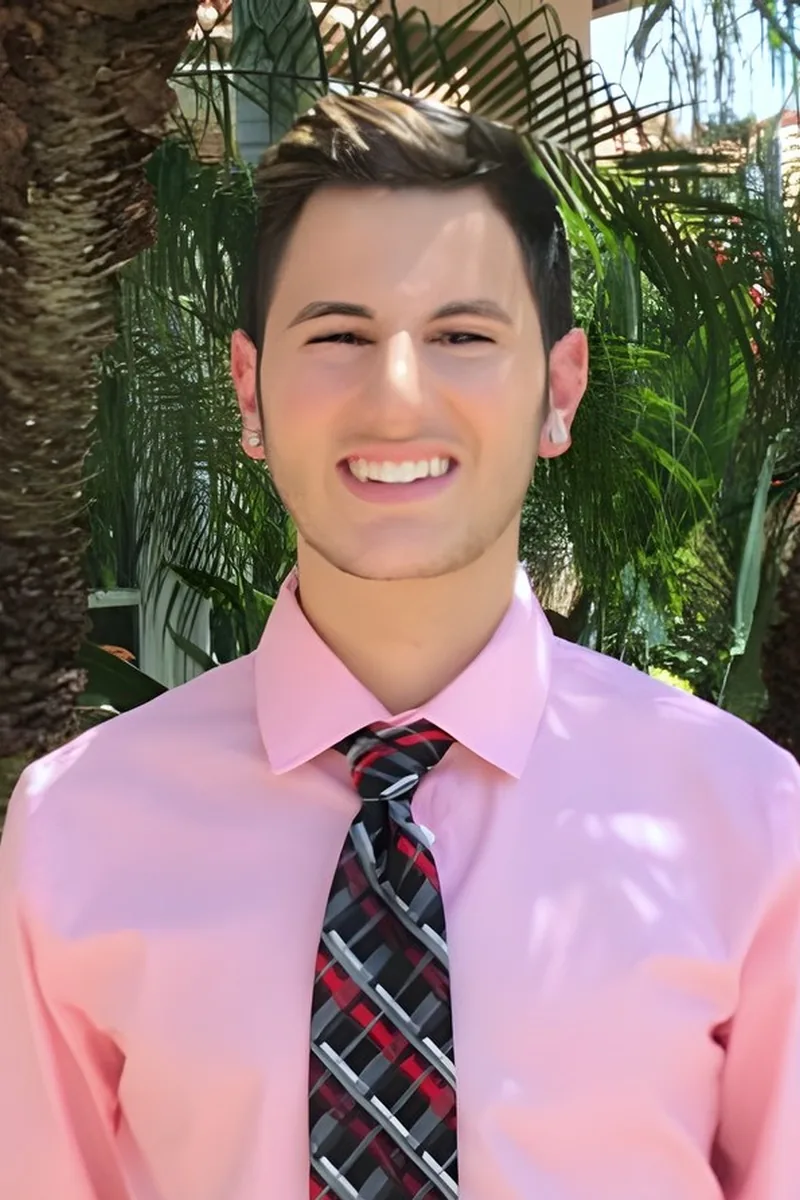
Studying for the AP Psychology exam alongside a business economics degree might sound unusual, but Noah's coursework in behavioral economics and decision-making theory maps directly onto units like cognition, motivation, and social psychology — areas where the exam loves to test application over recall. He breaks down key theorists and experimental findings in a way that sticks, especially for students who respond better to real-world examples than pure memorization.
Scoring and evaluating standardized tests across K-12 subjects — including English proficiency assessments for multilingual learners — gave Mary an unusually detailed understanding of how exam questions are constructed and what graders actually look for, which directly sharpens her approach to AP Psychology's terminology-dense free-response prompts. Her Slavic Languages degree also built the kind of close-reading discipline that pays off when students need to parse tricky multiple-choice stems in units like learning theory or social psychology. Rated 4.7 by students.
Hello! My name is Isabella, and I have a dual degree in biology and psychology. I would love to help you improve your performance in your psychology, biology, and/or neuroscience classes. In high school, I took AP Psychology, so I can draw on that experience to help you get good scores on your exams. I am also able to help you with your writing skills!
Between neuroscience, cell biology, and anatomy coursework, Michelle has spent years studying the actual systems behind AP Psychology's biological bases of behavior unit — action potentials, neurotransmitter release, brain lateralization — at a depth that turns what most students treat as flashcard material into something they genuinely understand. Her biology and biostatistics background also gives her a practical edge on the research methods unit, where she breaks down experimental design and data interpretation with a scientist's fluency. Rated 4.9 by students.
Jenna calls psychology her academic passion — and that genuine enthusiasm shows up in how she teaches the trickier conceptual units like cognition, sensation-perception, and learning theory, where she turns dense terminology into scenario-based explanations students can actually recall under exam pressure. Her 1560 SAT also signals the kind of precise reading and analytical skills that translate directly to coaching free-response answers, where defining terms accurately and applying them to novel prompts separates 4s from 5s. Rated 5.0 by students.
Genetics research at the PhD level means Nicholas has spent years studying heritability, gene-environment interactions, and statistical modeling — concepts that surface directly in AP Psychology's biological bases of behavior and research methods units, where most students are encountering them for the first time. His biostatistics background is especially useful for unpacking experimental design questions, where he can explain variance, correlation, and significance with the precision of someone who uses those tools in actual research rather than just defining them for an exam.
Industrial engineering is essentially applied psychology — optimizing how people interact with systems, which means Tyler's coursework covered human factors, cognitive load, and decision-making models that map directly onto AP Psych units like cognition, sensation-perception, and motivation. His math and economics minors also sharpen his approach to the research methods unit, where interpreting statistical data and experimental design trips up students who treat it as pure memorization. Rated 5.0 by students.
With degrees in both mathematics and psychology from UCLA, Professor Florence teaches AP Psychology the way the exam actually tests it — connecting research methodology and statistical reasoning to every major unit, from learning theory to abnormal psych. That dual background means topics like experimental design, correlation vs. causation, and interpreting data feel intuitive rather than bolted on, which is exactly where many students quietly lose points on both multiple-choice and free-response sections.
Matthew's pre-med track at Yale pairs biochemistry with philosophy — a combination that pays off in AP Psychology, where the biological bases of behavior unit demands real science fluency and the free-response section rewards precise, logically structured arguments. His hands-on work with tools like CRISPR-Cas9 in a research lab gives him a concrete way to explain neural signaling, genetics of behavior, and neurotransmitter pathways that most students only encounter as textbook diagrams. Rated 5.0 by students.
Linguistics at Yale trains you to analyze how language shapes thought, perception, and social interaction — concepts that map directly onto AP Psychology units like cognition, memory, and social psychology, where understanding how people process and communicate information is half the battle. William brings that analytical lens to the free-response section too, where his writing background and 5.0 rating reflect how well he coaches students to define terms with precision and build scenario-based answers that earn full credit.
Sonia's neuroscience degree and current medical school training mean the biological bases of behavior unit — neurotransmitters, brain regions, neural plasticity — is material she's internalized through years of clinical and academic work, not just a chapter to memorize. Where she particularly stands out is connecting that deep science background to the psychological theories built on top of it, so concepts like psychopharmacology, sensation-perception, and the stress-illness relationship make intuitive sense rather than feeling like disconnected vocabulary.
Trishani is currently pursuing her psychology degree at the University of Michigan, which means she's learning the same theories, studies, and frameworks covered in AP Psych — Erikson's stages, Milgram's obedience experiments, the biopsychosocial model — in real time rather than reviewing them from memory. That currency shows up especially in the developmental and social psychology units, where she can walk through concepts using the same examples and research her own professors emphasize. Rated 5.0 by students.
Three semesters on UIUC's Teachers Ranked as Excellent list suggest Angelina knows how to make dense material click — and AP Psychology is nothing if not dense, with fourteen units of terminology that students need to define, distinguish, and apply under exam pressure. Her cellular and molecular biology degree gives her a genuine edge in the biological bases of behavior unit, where she breaks down action potentials, neurotransmitter reuptake, and brain lateralization with the precision of someone who studied those systems at the molecular level. Rated 5.0 by students.
Nicole's chemistry background gives her a tangible way to teach the biological bases of behavior unit — she explains neurotransmitter pathways and synaptic signaling with the precision of someone who studied those molecules, not just their psychological effects. Her English literature training then kicks in for the free-response section, where she coaches students to construct tight, definition-rich answers that don't waste words. Rated 5.0 by students.
Pharmacy school forces you to learn the biological bases of behavior from the inside out — neurotransmitter pathways, drug mechanisms, receptor interactions — which gives Lillian unusual depth in the AP Psych unit most students find most abstract. She also draws on her chemistry and statistics background to demystify the research methods unit, where interpreting experimental design and data analysis trips up students who treat it as pure memorization. Rated 4.9 by students.
Studying cognitive science on a pre-med track at Rice, Natalie digs into the overlap between brain structure and behavior every day — exactly the territory AP Psych tests hardest. She's especially sharp on the cognitive and biological units, breaking down topics like memory models, perception, and states of consciousness in ways that go beyond vocabulary flashcards and into the kind of conceptual reasoning the exam's scoring rubrics actually reward.
A biology master's student researching evolution and bioanthropology, Alex brings a lens to AP Psychology that's rooted in how organisms actually develop and behave — making units like biological bases of behavior and developmental psychology feel like natural extensions of what he already studies. His dual English and Theater training at Bowdoin also sharpens the free-response side, where crafting precise, well-structured answers under time pressure is essentially a writing and performance exercise. Rated 4.8 by students.
Studying neuroscience at Johns Hopkins means Christopher encounters AP Psychology concepts — from neural signaling and brain anatomy to memory encoding and cognitive biases — in his own coursework on a daily basis. He breaks down dense units like biological bases of behavior and research methods by tying them to real experiments and clinical examples. Students preparing for the AP exam get someone who understands both the science and the test format.
Neuroscience is Alex's self-described favorite subject, and that shows up most clearly in how she tackles AP Psychology's biological bases of behavior unit — breaking down neurotransmitter systems, brain regions, and neural pathways with the depth of someone heading into a doctorate program at Washington University's OT school this fall. Her psychology major and neuroscience minor mean the rest of the curriculum, from developmental theory to abnormal psychology, draws on coursework she's already completed with honors. Rated 5.0 by students.
Testimonials
Because the right AP Psychology tutor makes all the difference.
Average Session Rating – Based on 3.4M Learner Ratings
Practice AP Psychology
Free practice tests, flashcards, and AI tutoring for AP Psychology
Nearby AP Psychology Tutors
Other Gainesville Tutors
Related Social Sciences Tutors in Gainesville
Frequently Asked Questions
Varsity Tutors matches Gainesville students with expert AP Psychology tutors for 1-on-1 instruction. We pair each student with a tutor based on their specific needs, learning style, and goals.
Whether you need homework help, exam prep, or want to get ahead, our AP Psychology tutors are ready to help.
Common challenges include gaps from earlier material, difficulty with specific concepts, and trouble applying learning to new problems. These issues can snowball quickly in AP Psychology.
A tutor identifies where you're stuck, fills in gaps, and provides targeted practice. The 1-on-1 format means you get help exactly where you need it.
Tutors work with your student's actual coursework—homework assignments, class notes, and upcoming tests. This keeps tutoring directly relevant to what's happening in the classroom.
When you share information about your student's school and curriculum, we can match you with a tutor who has relevant experience.
All tutors complete background checks, credential verification, and teaching evaluation. Many of our AP Psychology tutors hold advanced degrees or have years of teaching experience.
You can review tutor profiles to find someone with the right background for your student's level and needs.
Many students see improved grades within a few weeks, along with better understanding of AP Psychology concepts and more confidence tackling challenging material.
Tutors track progress and adjust their approach to ensure continued improvement.
Most students benefit from 1-2 sessions per week. More frequent sessions help if your student is significantly behind or has an important exam coming up.
Your tutor can recommend a schedule based on your student's specific situation and goals.
Tutoring is purchased in packages of hours, with rates varying by tutor experience. Varsity Tutors offers several options to fit different budgets and needs.
You can discuss pricing during your consultation to find what works best.
Your tutor will assess where your student is, discuss goals, and start working on priority areas. Most students bring current homework or upcoming test material to focus on.
By the end, you'll have a clear sense of how the tutor can help and a plan for moving forward.
Let’s find your perfect tutor
Answer a few quick questions. We’ll recommend the right plan and match you with a top 5% tutor.