Award-Winning AP Psychology Tutors
serving Miami, FL
AP Psychology
Tutors in Miami
Private 1-on-1 tutoring, weekly live classes for academic support, test prep & enrichment, practice tests and diagnostics, and more to elevate grades and test scores.
Based on 3.4M Learner Ratings
UniversitiesSchools & Universities
DeliveredHours Delivered
ProficiencyGrowth in Proficiency
Who needs tutoring?
No obligation. Takes ~1 minute.
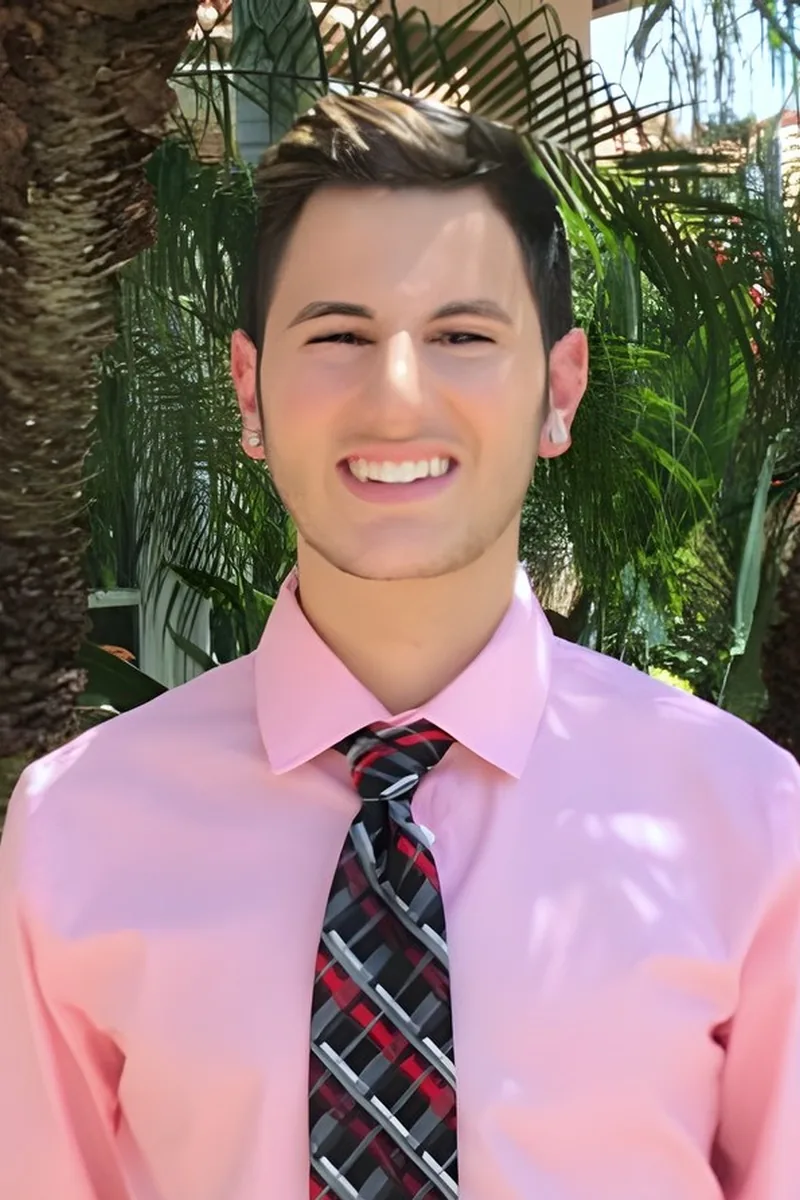
Studying for the AP Psychology exam alongside a business economics degree might sound unusual, but Noah's coursework in behavioral economics and decision-making theory maps directly onto units like cognition, motivation, and social psychology — areas where the exam loves to test application over recall. He breaks down key theorists and experimental findings in a way that sticks, especially for students who respond better to real-world examples than pure memorization.

Scoring and evaluating standardized tests across K-12 subjects — including English proficiency assessments for multilingual learners — gave Mary an unusually detailed understanding of how exam questions are constructed and what graders actually look for, which directly sharpens her approach to AP Psychology's terminology-dense free-response prompts. Her Slavic Languages degree also built the kind of close-reading discipline that pays off when students need to parse tricky multiple-choice stems in units like learning theory or social psychology. Rated 4.7 by students.
Hello! My name is Isabella, and I have a dual degree in biology and psychology. I would love to help you improve your performance in your psychology, biology, and/or neuroscience classes. In high school, I took AP Psychology, so I can draw on that experience to help you get good scores on your exams. I am also able to help you with your writing skills!
Between neuroscience, cell biology, and anatomy coursework, Michelle has spent years studying the actual systems behind AP Psychology's biological bases of behavior unit — action potentials, neurotransmitter release, brain lateralization — at a depth that turns what most students treat as flashcard material into something they genuinely understand. Her biology and biostatistics background also gives her a practical edge on the research methods unit, where she breaks down experimental design and data interpretation with a scientist's fluency. Rated 4.9 by students.
Jenna calls psychology her academic passion — and that genuine enthusiasm shows up in how she teaches the trickier conceptual units like cognition, sensation-perception, and learning theory, where she turns dense terminology into scenario-based explanations students can actually recall under exam pressure. Her 1560 SAT also signals the kind of precise reading and analytical skills that translate directly to coaching free-response answers, where defining terms accurately and applying them to novel prompts separates 4s from 5s. Rated 5.0 by students.
Industrial engineering is essentially applied psychology — optimizing how people interact with systems, which means Tyler's coursework covered human factors, cognitive load, and decision-making models that map directly onto AP Psych units like cognition, sensation-perception, and motivation. His math and economics minors also sharpen his approach to the research methods unit, where interpreting statistical data and experimental design trips up students who treat it as pure memorization. Rated 5.0 by students.
A psychology major at the University of Chicago with a neuroscience specialization, Emerson lives and breathes the material that shows up on the AP Psychology exam — from Piaget's developmental stages to action potentials and neurotransmitter pathways. He connects textbook concepts to the actual research studies that College Board loves to test, making free-response questions far less intimidating. Rated 5.0 by students.
Genetics research at the PhD level means Nicholas has spent years studying heritability, gene-environment interactions, and statistical modeling — concepts that surface directly in AP Psychology's biological bases of behavior and research methods units, where most students are encountering them for the first time. His biostatistics background is especially useful for unpacking experimental design questions, where he can explain variance, correlation, and significance with the precision of someone who uses those tools in actual research rather than just defining them for an exam.
Dental school requires mastering the same biological foundations that underpin AP Psychology's toughest unit — Nik knows neurotransmitter pathways, neural signaling, and brain anatomy from his predentistry and biology training, not from flashcards. His 32 ACT also means he's familiar with the kind of timed, high-stakes testing where precise terminology and quick recall matter, which he channels into coaching students through the vocabulary-dense units like learning theory and memory. Rated 4.9 by students.
Neuroscience and psychology overlap more than most AP students realize — concepts like neurotransmitter function, brain lateralization, and action potentials show up heavily on the AP Psychology exam. Rithi's neuroscience degree and current medical training mean she can explain the biological underpinnings behind every major psychological theory rather than asking students to memorize disconnected terms. Rated 4.9 by students.
Economics at Duke teaches you to model how people make decisions under uncertainty — which is essentially what AP Psychology's cognition, motivation, and social psychology units are about, just with different vocabulary. Devanshi leans on that behavioral economics overlap to make concepts like heuristics, cognitive biases, and group decision-making feel intuitive rather than like a wall of flashcards. Her 35 ACT also signals the kind of precise, fast reading that pays off on the exam's dense multiple-choice passages.
Elliot's PhD in Neuroscience means the biological bases of behavior unit — neurotransmitter systems, brain lateralization, neural plasticity — is his actual research territory, not a chapter he's reviewing from a prep book. That depth reshapes how he teaches the rest of the AP Psych curriculum too: units like sensation-perception, memory, and abnormal psychology all snap into focus when a student genuinely understands the neural machinery underneath. Rated 5.0 by students.
Architecture school at Columbia demands understanding how people perceive, navigate, and emotionally respond to spaces — which means Allison has spent years thinking about sensation-perception, cognition, and motivation in applied contexts that bring AP Psych concepts off the page. Her physics background also gives her a structural approach to the biological bases of behavior unit, where she breaks down neural signaling and brain anatomy with the precision of someone trained in systems thinking. Rated 5.0 by students.
Having earned both a psychology degree and a Doctor of Medicine, Sydny has studied the AP Psych curriculum from two distinct angles — the theoretical frameworks in units like developmental and abnormal psychology, and the biological underpinnings of behavior that her medical training made tangible. She breaks down the interplay between neurotransmitters, brain structures, and clinical diagnoses with the specificity of someone who carried those concepts from a psych lecture hall into anatomy labs and clinical rotations.
Matthew's pre-med track at Yale pairs biochemistry with philosophy — a combination that pays off in AP Psychology, where the biological bases of behavior unit demands real science fluency and the free-response section rewards precise, logically structured arguments. His hands-on work with tools like CRISPR-Cas9 in a research lab gives him a concrete way to explain neural signaling, genetics of behavior, and neurotransmitter pathways that most students only encounter as textbook diagrams. Rated 5.0 by students.
Alyssa's psychology coursework — she tutors multiple psychology subjects alongside her math degree at Vanderbilt — means she approaches AP Psych's statistics-heavy research methods unit with genuine fluency, breaking down concepts like standard deviation, correlation vs. causation, and statistical significance that trip up students who haven't taken a dedicated math course. Her 34 ACT and 5.0 rating speak to the precision she brings to the free-response section, where she coaches students to structure tight, term-specific answers rather than vague summaries.
Orlando's economics training built real fluency with statistical reasoning and data interpretation — skills that translate directly to AP Psychology's research methods unit, where students need to parse experimental designs, identify variables, and evaluate significance without getting lost in jargon. He also brings strong essay-writing chops from his arts background, which he applies to coaching free-response answers where precise term definitions and clean scenario application separate 4s and 5s from 3s.
Tashina earned her PhD in Psychological and Brain Sciences, so the AP Psych curriculum — from operant conditioning to the intricacies of the DSM — is territory she's navigated at the research level, not just the introductory one. Her statistics expertise is particularly useful for the research methods unit, where she breaks down experimental design, p-values, and confounding variables with the fluency of someone who runs studies rather than just reads about them. She also brings sharp writing instincts to the free-response section, coaching students to define terms with precision and apply them cleanly to scenario prompts.
Payal's biology and neuroscience training at Indiana University means the AP Psych biological bases unit — neurotransmitters, brain anatomy, neural signaling — is material she's studied in depth outside the psychology classroom, not just memorized from a review book. Her pre-med path and healthcare fieldwork in Guatemala also ground the abnormal psychology and motivation units in real human context, making it easier for students to connect clinical terminology to actual behavior rather than treating each vocab term as an isolated flashcard.
Film production trains you to understand how audiences perceive, remember, and emotionally respond to information — skills that map surprisingly well onto AP Psychology units like cognition, sensation-perception, and social influence. Justine pairs that visual-storytelling intuition with strong writing chops honed through her arts coursework, which she brings to the free-response section where scenario-based answers need crisp definitions and clear structure to earn full marks.
Testimonials
Because the right AP Psychology tutor makes all the difference.
Average Session Rating – Based on 3.4M Learner Ratings
Practice AP Psychology
Free practice tests, flashcards, and AI tutoring for AP Psychology
Nearby AP Psychology Tutors
Other Miami Tutors
Related Social Sciences Tutors in Miami
Frequently Asked Questions
AP Psychology covers eight major units: Scientific Foundations of Psychology, Research Methods and Statistics, Sensation and Perception, Learning, Cognition, Motivation/Emotion/Personality, Clinical Psychology, and Social Psychology. The exam emphasizes both conceptual understanding and the ability to apply psychological principles to real-world scenarios. For students in Miami preparing for the May exam, a structured study plan covering all units with regular practice tests helps ensure comprehensive readiness.
Score improvement depends on your starting point and study consistency, but students typically see meaningful gains—often 1-3 points on the 1-5 scale—when working with a tutor who helps identify weak units and teaches effective test-taking strategies. Personalized 1-on-1 instruction allows tutors to focus on your specific challenges, whether that's memorizing terminology, understanding research methodology, or applying concepts under timed conditions. The key is starting early enough to work through all eight units thoroughly before test day.
Many students struggle with the research methods and statistics unit—understanding study designs, identifying variables, and calculating statistics can feel abstract without clear examples. The sheer volume of terminology and theories across units also trips up test-takers who try to memorize without understanding connections. Additionally, the free-response questions require you to apply concepts to novel scenarios, which demands deeper comprehension than simple recall. A tutor can break down these challenging areas with targeted explanations and practice scenarios tailored to your learning style.
The AP Psychology exam has 100 multiple-choice questions (90 minutes) and two free-response questions (50 minutes). Effective strategies include: reading questions carefully to catch negatives or qualifiers, eliminating obviously wrong answers before guessing, and managing your time so you don't rush through the FRQs. For free-response, structure your answers with a clear thesis and specific evidence from the course. Practice tests are essential—they help you identify pacing issues and weak content areas before test day, so you can focus your final study sessions strategically.
Practice tests are crucial for AP Psychology because they let you experience the exam format, build stamina for 140 minutes of testing, and identify exactly which units or question types trip you up. Taking full-length practice tests under timed conditions reveals pacing problems and content gaps that you can then target in focused study sessions. Most successful test-takers complete at least 3-5 full practice tests before May, spacing them out to allow time for review and remediation between attempts.
Look for tutors with strong psychology backgrounds—ideally AP-level teaching experience or advanced coursework in psychology—plus a track record helping students improve their scores. They should understand the specific exam format, common student misconceptions, and how to teach both conceptual understanding and test-taking strategy. Varsity Tutors connects you with expert tutors who specialize in AP Psychology and can tailor their approach to your learning style, whether you need deep content review, exam strategy coaching, or both.
Ideally, start tutoring in the fall or early winter if the May exam is your goal—this gives you 4-6 months to work through all eight units systematically and complete multiple practice tests. If you're starting later, focus on your weakest units first, then do full practice tests to identify remaining gaps. Even 8-10 weeks of consistent tutoring can help significantly if you combine it with regular self-study and practice tests, though earlier preparation allows for a more thorough, less stressful approach.
Your first session typically involves assessing your current knowledge, understanding your goals (score target, timeline, specific weak areas), and discussing your learning style. The tutor might have you take a diagnostic quiz or practice test section to identify where to focus. From there, you'll develop a personalized study plan that covers all eight units while prioritizing your problem areas, and your tutor will explain their teaching approach and how you'll track progress toward your goals.
Let’s find your perfect tutor
Answer a few quick questions. We’ll recommend the right plan and match you with a top 5% tutor.