Award-Winning Japanese Tutors
serving Santa Clarita, CA
Japanese
Tutors in Santa Clarita
Private 1-on-1 tutoring, weekly live classes for academic support, test prep & enrichment, practice tests and diagnostics, and more to elevate grades and test scores.
Based on 3.4M Learner Ratings
UniversitiesSchools & Universities
DeliveredHours Delivered
ProficiencyGrowth in Proficiency
Who needs tutoring?
No obligation. Takes ~1 minute.
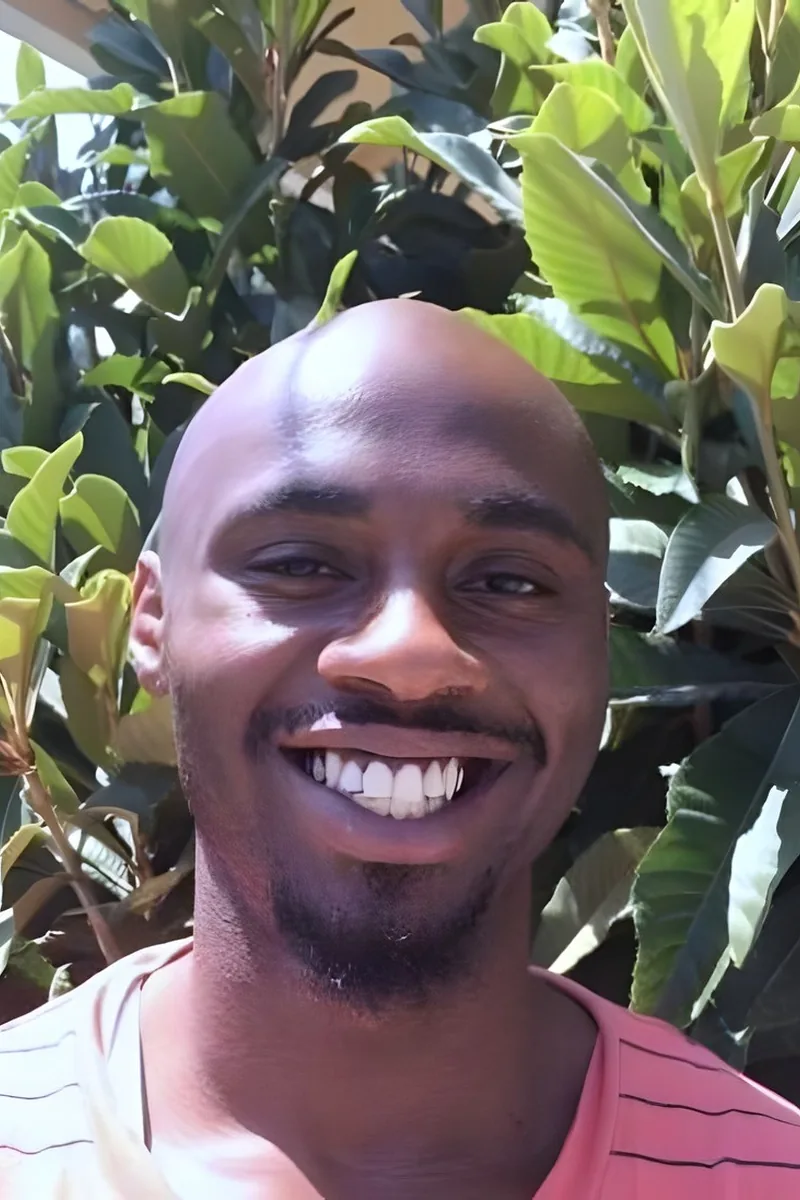
Brian prepared for and took the SAT Subject Test in Japanese with Listening, which means he's worked through the grammar structures, kanji recognition, and listening comprehension challenges that define intermediate Japanese study. He approaches language learning with the same systematic thinking he applied to economics and CS at Caltech — breaking down sentence patterns and verb conjugations into logical rules rather than pure memorization.

A drama degree might not scream Japanese fluency, but John's literary work — he's a section editor for the Los Angeles Review of Books and literary manager for two theater companies — means he's deeply attuned to how language shapes meaning, tone, and register. That sensitivity to nuance transfers directly to navigating Japanese's layered politeness levels and context-dependent sentence endings. Rated 5.0 by students.
As a dedicated language tutor with several years of experience, I bring both expertise and enthusiasm to every lesson. I specialize in Chinese, Japanese, and basic Arabic, and I have had the privilege of guiding students of diverse ages and backgrounds through their language-learning journeys.
Having completed an Asian Languages minor at UCLA, Abrahim brings formal training in Japanese grammar, kanji acquisition, and reading comprehension to his tutoring. He approaches the language methodically — building from particle usage and verb conjugation patterns up to reading authentic texts — which works especially well for students who want structure rather than immersion-only learning.
Triple-majoring in Japanese, linguistics, and computer science at UMass Amherst, Connor brings both fluency and analytical rigor to teaching the language. He unpacks grammar patterns like particle usage and verb conjugation groups by connecting them to the underlying logic of how Japanese sentences are built — making new structures easier to internalize and recall.
Learning Japanese means juggling three writing systems, a grammar structure that's the reverse of English, and cultural nuances that change how you speak depending on who you're talking to. Natasha taught Japanese at the high school level and lived in Japan teaching in elementary schools, giving her the kind of practical fluency that makes hiragana drills, particle usage, and conversational practice feel grounded in real life. She's 5.0-rated and works with beginners through advanced learners.
I am currently finishing my thesis. For the past two years I was an adjunct instructor at The City College of New York, teaching statistics and introductory neuroscience, where I learned the importance of communicating complicated concepts clearly at an individualized level. All of my classes performed above average, and I discovered how satisfying it is to help people understand difficult ideas. I've found that by creating a good rapport with my students I am able to more effectively impart difficult concepts to them while causing them less stress. My passion is people, which first led me to study psychology, leading to my work in statistics, and later into teaching.
Jacob's degree in East Asian Languages and Civilizations from the University of Chicago means his Japanese instruction is rooted in deep study of the culture, history, and linguistic traditions behind the language. He connects vocabulary and grammar to their cultural logic — explaining why certain verb endings carry social weight or how kanji compounds reflect Chinese origins — giving students a richer understanding than drills alone provide. Rated 5.0 by students.
Linguistics training gives Andrew a structural advantage when teaching Japanese — he understands how languages build meaning differently, which matters when explaining why particles replace prepositions or why verbs land at the end of every sentence. His background in Korean and German means he's personally navigated multiple grammar systems far removed from English, and he applies that comparative instinct to make Japanese word order and conjugation feel logical rather than arbitrary.
Mechanical engineering at the University of Dayton doesn't obviously connect to Japanese, but Nicholas's systematic problem-solving mindset lends itself well to breaking down kanji radicals, verb conjugation groups, and particle logic into repeatable patterns. He's also genuinely social and talkative — a trait that matters more than you'd think when practicing conversational Japanese, where comfort with speaking aloud is half the battle.
I am also fluent (reading/listening/writing) in Cantonese and mandarin Chinese because of my upbringing. Half of my childhood education was received in Hong Kong and the other half was in Australia.
Having taught himself Japanese alongside his formal studies in public policy and education, James knows firsthand where English speakers get tripped up — especially with particles, basic verb conjugation, and the leap from hiragana to katakana. His education background means he's trained to spot where understanding breaks down and adjust his explanations on the fly, which is exactly what beginners need when nothing about Japanese grammar maps onto what they already know.
Most students stall in Japanese once they move past hiragana and katakana into kanji recognition and grammatical particles like は versus が. Wahala minors in Japanese at Indiana University Bloomington and treats the language as a system to decode — connecting sentence structure, verb conjugation patterns, and cultural context so that reading and conversation reinforce each other.
Damien studied Asian studies at Cornell, where Japanese language and culture were central to his coursework. He approaches the language by grounding grammar patterns — particles like は versus が, verb conjugation groups, and sentence-ending forms — in real context so they stick. Rated 5.0 by students, he makes the jump from textbook exercises to actual comprehension feel manageable.
Testimonials
Because the right Japanese tutor makes all the difference.
Average Session Rating – Based on 3.4M Learner Ratings
Nearby Japanese Tutors
Other Santa Clarita Tutors
Related Languages Tutors in Santa Clarita
Frequently Asked Questions
Varsity Tutors matches Santa Clarita students with expert Japanese tutors for 1-on-1 instruction. We pair each student with a tutor based on their specific needs, learning style, and goals.
Whether you need homework help, exam prep, or want to get ahead, our Japanese tutors are ready to help.
Common challenges include gaps from earlier material, difficulty with specific concepts, and trouble applying learning to new problems. These issues can snowball quickly in Japanese.
A tutor identifies where you're stuck, fills in gaps, and provides targeted practice. The 1-on-1 format means you get help exactly where you need it.
Tutors work with your student's actual coursework—homework assignments, class notes, and upcoming tests. This keeps tutoring directly relevant to what's happening in the classroom.
When you share information about your student's school and curriculum, we can match you with a tutor who has relevant experience.
All tutors complete background checks, credential verification, and teaching evaluation. Many of our Japanese tutors hold advanced degrees or have years of teaching experience.
You can review tutor profiles to find someone with the right background for your student's level and needs.
Many students see improved grades within a few weeks, along with better understanding of Japanese concepts and more confidence tackling challenging material.
Tutors track progress and adjust their approach to ensure continued improvement.
Most students benefit from 1-2 sessions per week. More frequent sessions help if your student is significantly behind or has an important exam coming up.
Your tutor can recommend a schedule based on your student's specific situation and goals.
Tutoring is purchased in packages of hours, with rates varying by tutor experience. Varsity Tutors offers several options to fit different budgets and needs.
You can discuss pricing during your consultation to find what works best.
Your tutor will assess where your student is, discuss goals, and start working on priority areas. Most students bring current homework or upcoming test material to focus on.
By the end, you'll have a clear sense of how the tutor can help and a plan for moving forward.
Let’s find your perfect tutor
Answer a few quick questions. We’ll recommend the right plan and match you with a top 5% tutor.