Award-Winning AP Psychology Tutors
serving Santa Ana, CA
AP Psychology
Tutors in Santa Ana
Private 1-on-1 tutoring, weekly live classes for academic support, test prep & enrichment, practice tests and diagnostics, and more to elevate grades and test scores.
Based on 3.4M Learner Ratings
UniversitiesSchools & Universities
DeliveredHours Delivered
ProficiencyGrowth in Proficiency
Who needs tutoring?
No obligation. Takes ~1 minute.
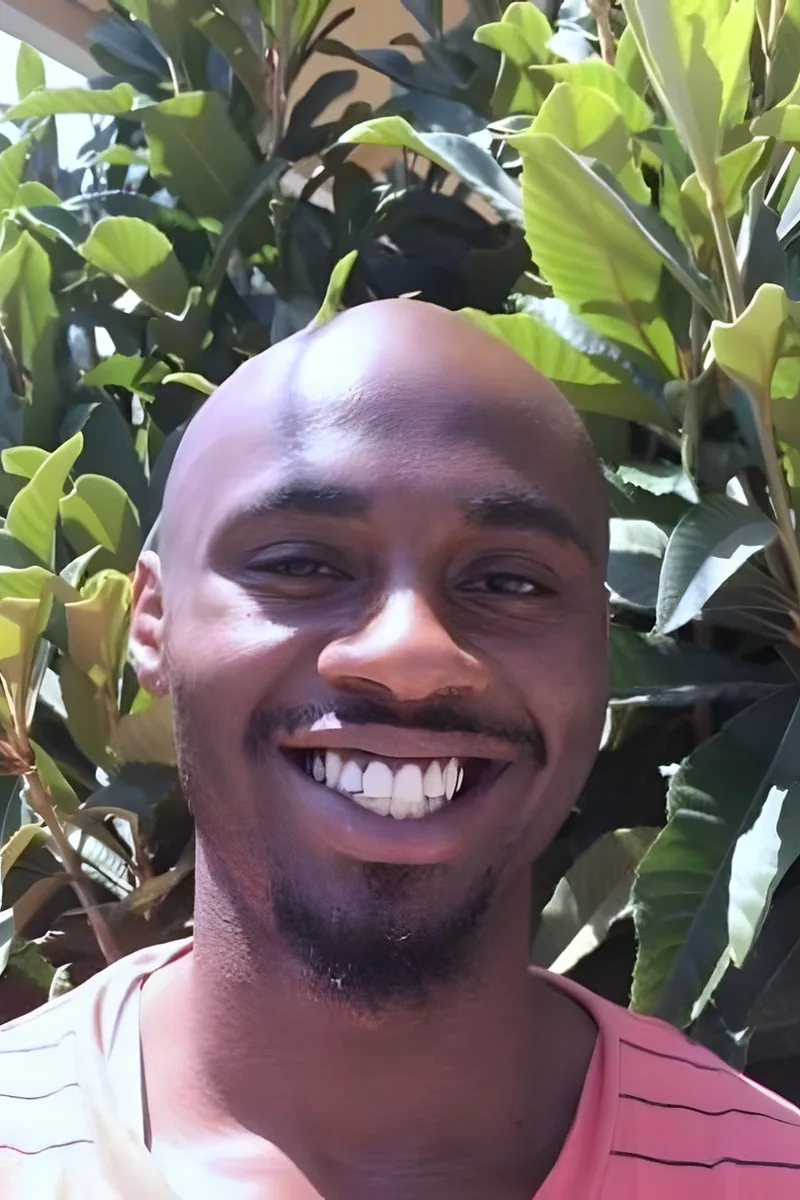
Brian's economics training at Caltech — heavy on behavioral models, decision theory, and statistical reasoning — gives him a quantitative angle on AP Psychology that's especially useful in the research methods unit and anywhere the exam tests concepts like heuristics, framing effects, or rational choice. His 1580 SAT also means he's sharp on the reading-and-argument skills that drive free-response scoring, where students need to define terms cleanly and apply them to unfamiliar scenarios under time pressure.
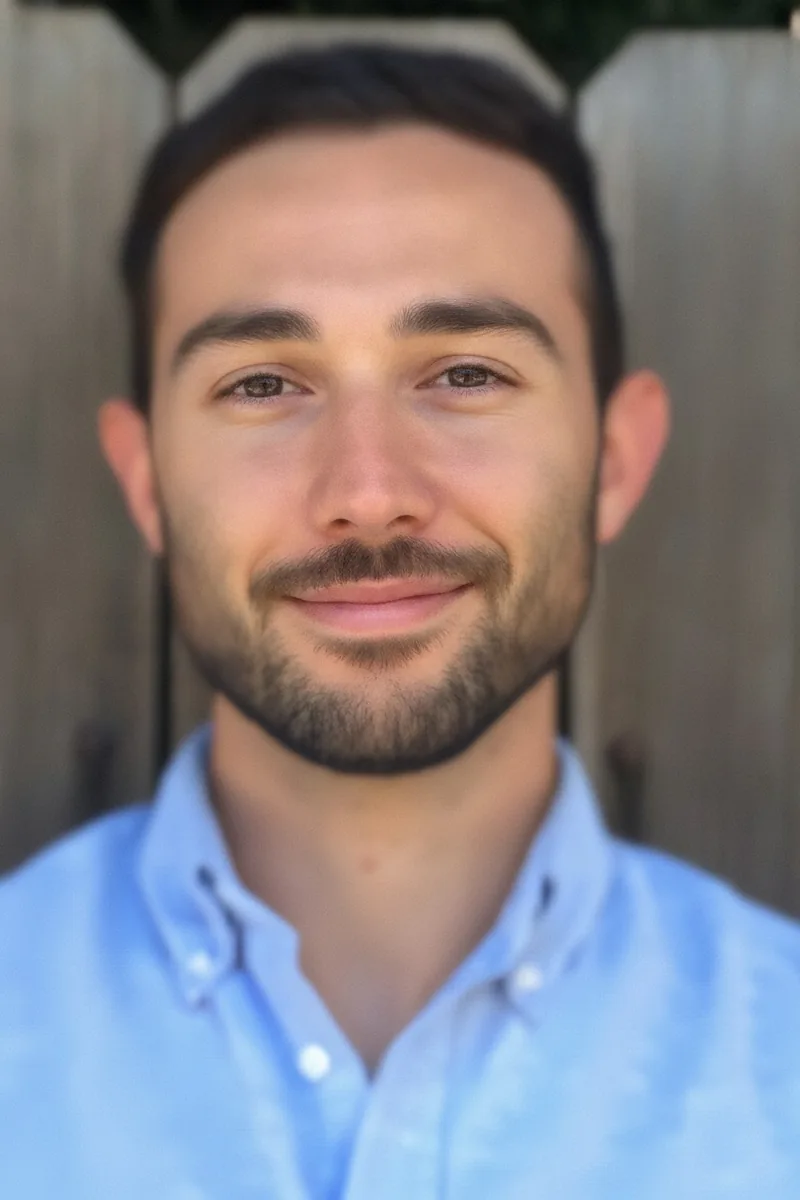
Shant's psychobiology degree from UCLA means AP Psychology isn't a subject he studied adjacent to — it's the core of his training, from neural signaling and brain anatomy to research methodology and statistical analysis. He breaks down dense units like cognition, abnormal psychology, and sensation/perception by tying them to real biological mechanisms. Rated 5.0 by students, he knows exactly which free-response pitfalls cost points on exam day.
Having earned both a psychology degree and a Doctor of Medicine, Sydny has studied the AP Psych curriculum from two distinct angles — the theoretical frameworks in units like developmental and abnormal psychology, and the biological underpinnings of behavior that her medical training made tangible. She breaks down the interplay between neurotransmitters, brain structures, and clinical diagnoses with the specificity of someone who carried those concepts from a psych lecture hall into anatomy labs and clinical rotations.
A biology major at Cornell, Drishti brings genuine science fluency to the biological bases of behavior unit — but her edge in AP Psych is actually how she bridges that biology knowledge into the more conceptual units like memory, learning theory, and sensation-perception, where students often lose points by treating terms as disconnected vocabulary. She tackles free-response prep by drilling students on precise term application within scenario prompts, a skill her own 1500 SAT writing practice sharpened. Rated 5.0 by students.
Hi there! I'm Emily, and I love helping students feel more confident and capable when tackling challenging material. Whether you're trying to strengthen your understanding of a course, improve your writing, or prepare for an exam, I'm here to make learning feel approachable, supportive, and a lot less overwhelming. As a Teaching Fellow at the University of Chicago with a PhD in experimental psychology, I bring both subject expertise and years of teaching and mentoring experience to every session. My students often tell me that concepts finally "click" after we work together, and I believe every student can succeed with the right support, encouragement, and strategies. If you are looking for support in psychology or social science courses, or want to feel more confident working through challenging material, I would love to work with you!
AP Psychology's free-response section punishes vague answers — students need to define terms like "cognitive dissonance" or "proactive interference" with textbook precision and then apply them to a scenario they've never seen before. Jenna's strong writing and reading background across AP English and college essays makes her especially effective at coaching that skill, teaching students to structure responses that hit every scoring rubric point. Her 4.9 rating speaks to how well that approach translates on exam day.
Having studied psychology alongside microbiology and the biological sciences, Felix brings a dual lens to AP Psych — particularly in units like biological bases of behavior and sensation-perception, where his science training makes neurotransmitter pathways and neural signaling click rather than feel like rote vocabulary. He also teaches the research methods unit with the rigor of someone trained in scientific methodology, breaking down experimental design and variable identification in concrete terms. Rated 5.0 by students.
Neuroscience and psychology overlap more than most AP students realize — concepts like neurotransmitter function, brain lateralization, and action potentials show up heavily on the AP Psychology exam. Rithi's neuroscience degree and current medical training mean she can explain the biological underpinnings behind every major psychological theory rather than asking students to memorize disconnected terms. Rated 4.9 by students.
Robert is currently completing his Master's in Psychology, which means the AP Psych curriculum — from Piaget's stages to the nuances of the DSM — covers ground he's actively working in at the graduate level, not material he's revisiting from an intro course. His research background is especially useful for the research methods unit, where he breaks down concepts like operational definitions, control groups, and statistical significance with the precision of someone who designs studies and is currently working toward publication in peer-reviewed journals.
Medical school immerses Evelyn in the very systems AP Psychology tests — neurotransmitter pathways, brain anatomy, stress physiology, abnormal behavior classifications — so she teaches the biological bases and abnormal psychology units with clinical specificity rather than flashcard-level definitions. Her experience learning English as a second language also gives her a practical understanding of the language-and-cognition topics in the curriculum, from Whorfian linguistic relativity to how memory encoding shifts across languages.
Matthew's pre-med track at Yale pairs biochemistry with philosophy — a combination that pays off in AP Psychology, where the biological bases of behavior unit demands real science fluency and the free-response section rewards precise, logically structured arguments. His hands-on work with tools like CRISPR-Cas9 in a research lab gives him a concrete way to explain neural signaling, genetics of behavior, and neurotransmitter pathways that most students only encounter as textbook diagrams. Rated 5.0 by students.
Cognitive science at Rice meant Adam studied the AP Psych curriculum from the inside out — perception, memory, language processing, and the neural underpinnings of behavior were core coursework, not elective reading. That training makes him especially sharp on the cognition and biological bases units, where he connects concepts like dual-process theory and neural plasticity to the real research behind them rather than treating them as isolated vocabulary terms.
Trishani is currently pursuing her psychology degree at the University of Michigan, which means she's learning the same theories, studies, and frameworks covered in AP Psych — Erikson's stages, Milgram's obedience experiments, the biopsychosocial model — in real time rather than reviewing them from memory. That currency shows up especially in the developmental and social psychology units, where she can walk through concepts using the same examples and research her own professors emphasize. Rated 5.0 by students.
Martha's PhD research at Michigan sits at the intersection of culture and self-concept — the exact territory AP Psychology's social psychology and personality units cover, except she's generating original data on it, not just reviewing textbook summaries. That active research background, built on a Duke psychology degree and global health training, gives her a way to teach concepts like attribution theory, conformity, and identity formation through real cross-cultural examples rather than Western-only defaults. Rated 5.0 by students.
Testimonials
Because the right AP Psychology tutor makes all the difference.
Average Session Rating – Based on 3.4M Learner Ratings
Practice AP Psychology
Free practice tests, flashcards, and AI tutoring for AP Psychology
Nearby AP Psychology Tutors
Other Santa Ana Tutors
Related Social Sciences Tutors in Santa Ana
Frequently Asked Questions
Varsity Tutors matches Santa Ana students with expert AP Psychology tutors for 1-on-1 instruction. We pair each student with a tutor based on their specific needs, learning style, and goals.
Whether you need homework help, exam prep, or want to get ahead, our AP Psychology tutors are ready to help.
Common challenges include gaps from earlier material, difficulty with specific concepts, and trouble applying learning to new problems. These issues can snowball quickly in AP Psychology.
A tutor identifies where you're stuck, fills in gaps, and provides targeted practice. The 1-on-1 format means you get help exactly where you need it.
Tutors work with your student's actual coursework—homework assignments, class notes, and upcoming tests. This keeps tutoring directly relevant to what's happening in the classroom.
When you share information about your student's school and curriculum, we can match you with a tutor who has relevant experience.
All tutors complete background checks, credential verification, and teaching evaluation. Many of our AP Psychology tutors hold advanced degrees or have years of teaching experience.
You can review tutor profiles to find someone with the right background for your student's level and needs.
Many students see improved grades within a few weeks, along with better understanding of AP Psychology concepts and more confidence tackling challenging material.
Tutors track progress and adjust their approach to ensure continued improvement.
Most students benefit from 1-2 sessions per week. More frequent sessions help if your student is significantly behind or has an important exam coming up.
Your tutor can recommend a schedule based on your student's specific situation and goals.
Tutoring is purchased in packages of hours, with rates varying by tutor experience. Varsity Tutors offers several options to fit different budgets and needs.
You can discuss pricing during your consultation to find what works best.
Your tutor will assess where your student is, discuss goals, and start working on priority areas. Most students bring current homework or upcoming test material to focus on.
By the end, you'll have a clear sense of how the tutor can help and a plan for moving forward.
Let’s find your perfect tutor
Answer a few quick questions. We’ll recommend the right plan and match you with a top 5% tutor.