Award-Winning AP Psychology Tutors
serving Riverside, CA
AP Psychology
Tutors in Riverside
Private 1-on-1 tutoring, weekly live classes for academic support, test prep & enrichment, practice tests and diagnostics, and more to elevate grades and test scores.
Based on 3.4M Learner Ratings
UniversitiesSchools & Universities
DeliveredHours Delivered
ProficiencyGrowth in Proficiency
Who needs tutoring?
No obligation. Takes ~1 minute.

Brian's economics training at Caltech — heavy on behavioral models, decision theory, and statistical reasoning — gives him a quantitative angle on AP Psychology that's especially useful in the research methods unit and anywhere the exam tests concepts like heuristics, framing effects, or rational choice. His 1580 SAT also means he's sharp on the reading-and-argument skills that drive free-response scoring, where students need to define terms cleanly and apply them to unfamiliar scenarios under time pressure.
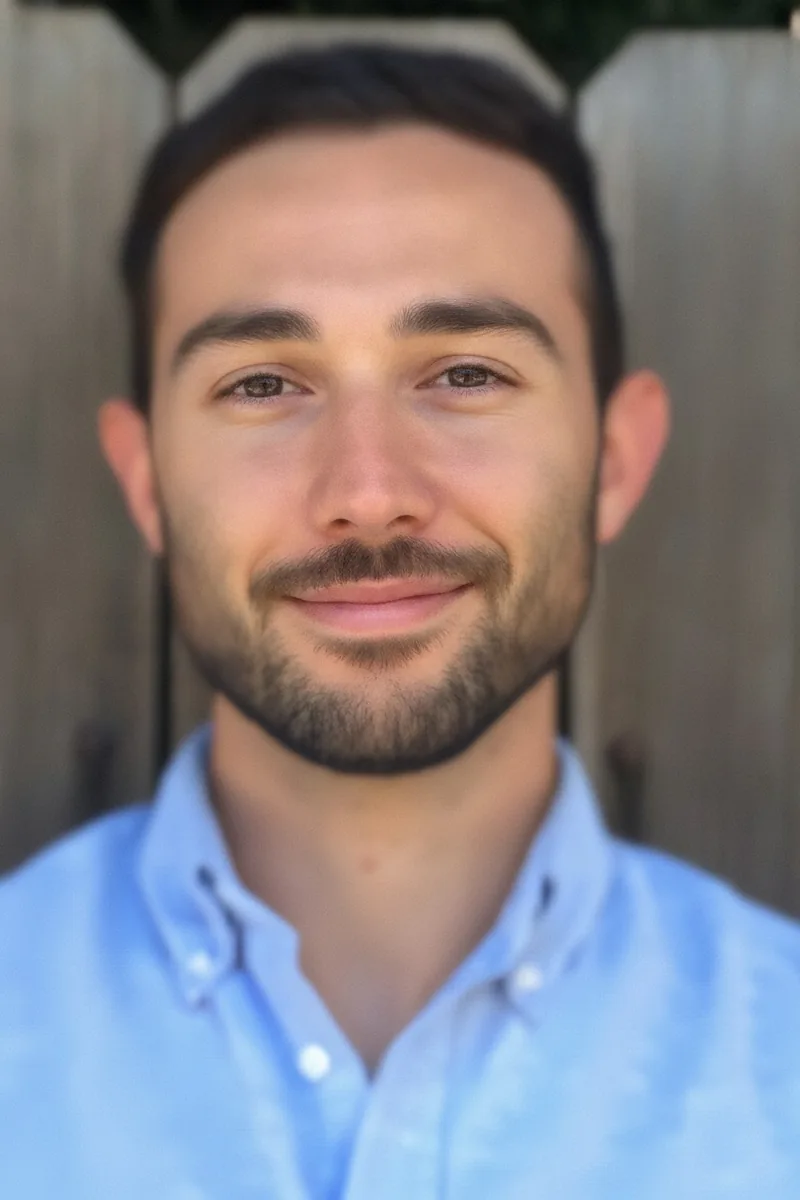
Shant's psychobiology degree from UCLA means AP Psychology isn't a subject he studied adjacent to — it's the core of his training, from neural signaling and brain anatomy to research methodology and statistical analysis. He breaks down dense units like cognition, abnormal psychology, and sensation/perception by tying them to real biological mechanisms. Rated 5.0 by students, he knows exactly which free-response pitfalls cost points on exam day.
A biology major at Cornell, Drishti brings genuine science fluency to the biological bases of behavior unit — but her edge in AP Psych is actually how she bridges that biology knowledge into the more conceptual units like memory, learning theory, and sensation-perception, where students often lose points by treating terms as disconnected vocabulary. She tackles free-response prep by drilling students on precise term application within scenario prompts, a skill her own 1500 SAT writing practice sharpened. Rated 5.0 by students.
Nicole's chemistry background gives her a tangible way to teach the biological bases of behavior unit — she explains neurotransmitter pathways and synaptic signaling with the precision of someone who studied those molecules, not just their psychological effects. Her English literature training then kicks in for the free-response section, where she coaches students to construct tight, definition-rich answers that don't waste words. Rated 5.0 by students.
Years of teaching English overseas in Thailand and Laos gave Gabriel firsthand experience with how culture shapes cognition, communication, and social behavior — exactly the kind of cross-cultural thinking that AP Psychology's social psychology and developmental units test on free-response questions. His TEFL background also means he's practiced at breaking down dense terminology for learners who need concepts explained clearly and concretely, a skill that transfers directly to vocabulary-heavy units like memory, learning theory, and abnormal psychology. Rated 4.9 by students.
Lisa's history training taught her to trace how ideas evolve across time periods — a skill that translates directly to AP Psychology, where understanding the progression from Freud to cognitive-behavioral frameworks makes dense theory units like personality and abnormal psychology far more intuitive than rote memorization allows. Her strong writing and editorial background also gives her a practical edge coaching students through free-response questions, where defining terms like "schema" or "self-serving bias" with precision and applying them to scenario prompts is what separates 3s from 5s. Rated 4.9 by students.
Studying medicine at Georgetown meant June lived the material in AP Psychology — neurotransmitter pathways, brain anatomy, classical and operant conditioning, and the biological underpinnings of behavior are concepts she uses daily. She breaks down each unit by linking psychological theory to real clinical examples, making abstract ideas like Piaget's stages or the DSM-5 criteria far more concrete.
AP Psychology covers everything from neurotransmitter functions to Piaget's developmental stages to experimental design — a huge range that rewards organized study more than raw memorization. Dennis's Human Biology coursework at Emory overlaps heavily with the biological bases of behavior unit, and his anthropology background adds depth to the social psychology and cultural context material. He breaks the exam into manageable concept clusters and teaches students how each one actually appears on test day.
Medical school at the Medical College of Georgia means Vraj has studied the brain and behavior far beyond the AP Psych syllabus — he brings real depth to the biological bases of behavior unit, but his pre-med biology training also sharpens how he teaches sensation-perception, states of consciousness, and the pharmacology behind psychoactive drugs. Where he especially adds value is bridging the science-heavy units with the clinical concepts in abnormal psychology, since diagnostic thinking is something he practices daily, not just something he reads about in a review book. Rated 4.9 by students.
The AP Psychology exam covers everything from neurotransmitter functions to Piaget's developmental stages, but the real challenge is distinguishing between concepts that sound nearly identical under time pressure. Lisa breaks down each unit's vocabulary with concrete examples and targeted practice on the kinds of stimulus-based questions the College Board actually asks. Her 5.0 rating speaks to how well that approach translates to exam day.
Neuroscience and psychology share enormous overlap — from brain anatomy and neurotransmitter function to research methodology and statistical analysis. Deana's B.S. in Neuroscience means she doesn't just teach AP Psychology vocabulary; she unpacks the biological mechanisms behind concepts like memory consolidation, classical conditioning, and neural signaling. That depth turns rote definitions into ideas students actually understand.
Madeleine's applied mathematics background makes her unusually comfortable with AP Psychology's research methods unit — experimental design, statistical significance, correlation vs. causation — where many students lose easy points because the quantitative reasoning feels foreign in a social science course. Her life sciences coursework and path toward nursing also ground her in the biological bases of behavior, so she explains neurotransmitter function and brain anatomy with the confidence of someone who's studied those systems outside a psych textbook. Rated 5.0 by students.
Having studied psychology alongside microbiology and the biological sciences, Felix brings a dual lens to AP Psych — particularly in units like biological bases of behavior and sensation-perception, where his science training makes neurotransmitter pathways and neural signaling click rather than feel like rote vocabulary. He also teaches the research methods unit with the rigor of someone trained in scientific methodology, breaking down experimental design and variable identification in concrete terms. Rated 5.0 by students.
Neuroscience and psychology overlap more than most AP students realize — concepts like neurotransmitter function, brain lateralization, and action potentials show up heavily on the AP Psychology exam. Rithi's neuroscience degree and current medical training mean she can explain the biological underpinnings behind every major psychological theory rather than asking students to memorize disconnected terms. Rated 4.9 by students.
Testimonials
Because the right AP Psychology tutor makes all the difference.
Average Session Rating – Based on 3.4M Learner Ratings
Practice AP Psychology
Free practice tests, flashcards, and AI tutoring for AP Psychology
Nearby AP Psychology Tutors
Other Riverside Tutors
Related Social Sciences Tutors in Riverside
Frequently Asked Questions
AP Psychology covers eight major units: Scientific Foundations of Psychology, Research Methods and Statistics, Sensation and Perception, Learning and Conditioning, Cognition, Motivation/Emotion/Personality, Clinical Psychology, and Social Psychology. The exam emphasizes both conceptual understanding and the ability to apply psychological principles to real-world scenarios. A tutor can help you master key theories, research studies, and vocabulary that make up the bulk of the multiple-choice and free-response questions.
Score improvement depends on your starting point and study consistency, but students typically see the most gains by focusing on their weakest units and practicing full-length exams under timed conditions. Many students struggle with distinguishing between similar theories (like classical vs. operant conditioning) or applying concepts they've memorized—personalized tutoring targets these specific gaps. Working with a tutor for 4-8 weeks before the May exam, combined with regular practice tests, helps students move from a 2-3 to a 4-5 score.
Students often struggle with three main areas: (1) memorizing the sheer volume of research studies and psychologists' names, (2) understanding the difference between similar concepts like different types of memory or therapy approaches, and (3) applying theories to unfamiliar scenarios on the free-response questions. The Clinical Psychology unit is particularly challenging because it combines terminology, disorders, and treatments. A tutor can help you build a systematic approach to organizing information and practicing application-based questions.
The AP Psychology exam is 2 hours and 10 minutes long, with 100 multiple-choice questions (70 minutes) and 2 free-response questions (50 minutes). The multiple-choice section tests factual recall and conceptual understanding, while the free-response questions require you to apply psychological principles to scenarios. Time management is critical—many students rush through the FRQs or don't finish the multiple-choice. Tutors can help you develop pacing strategies and practice writing concise, high-scoring responses.
Most students benefit from 2-3 months of consistent study leading up to the May exam, especially if they're balancing other AP courses. For Riverside students taking multiple APs, targeted tutoring sessions (1-2 per week) can help you prioritize high-value topics and avoid spending weeks on material you already know. Even 4-6 weeks of focused preparation with a tutor can significantly improve your score if you combine it with regular practice tests and active review of your weak areas.
Practice tests reveal which units and question types trip you up most—whether it's distinguishing between neurotransmitters, identifying research methods, or applying theories to case studies. Taking full-length, timed practice tests also builds stamina and helps you refine your pacing strategy. Tutors use your practice test results to pinpoint exactly where to focus, so you're not wasting time reviewing material you've already mastered. Ideally, you should take 3-5 full practice tests in the weeks leading up to the exam.
Varsity Tutors connects you with expert tutors who specialize in AP Psychology and understand the specific demands of the exam—including the balance between memorization and application. When you get matched with a tutor, you can discuss your current score, target score, and timeline so they can tailor sessions to your needs. Tutors can work with you on practice tests, help you organize complex information, and build confidence with the free-response format.
Your first session typically starts with a diagnostic conversation about your current understanding of AP Psychology, any practice test scores you have, and your target score. The tutor may have you work through a sample question or two to identify where you're strongest and where you need the most help. From there, they'll create a personalized study plan focused on your weak areas and timeline, whether that's mastering research methods, clinical disorders, or free-response strategies.
Let’s find your perfect tutor
Answer a few quick questions. We’ll recommend the right plan and match you with a top 5% tutor.