Award-Winning AP Microeconomics Tutors
serving Santa Ana, CA
AP Microeconomics
Tutors in Santa Ana
Private 1-on-1 tutoring, weekly live classes for academic support, test prep & enrichment, practice tests and diagnostics, and more to elevate grades and test scores.
Based on 3.4M Learner Ratings
UniversitiesSchools & Universities
DeliveredHours Delivered
ProficiencyGrowth in Proficiency
Who needs tutoring?
No obligation. Takes ~1 minute.
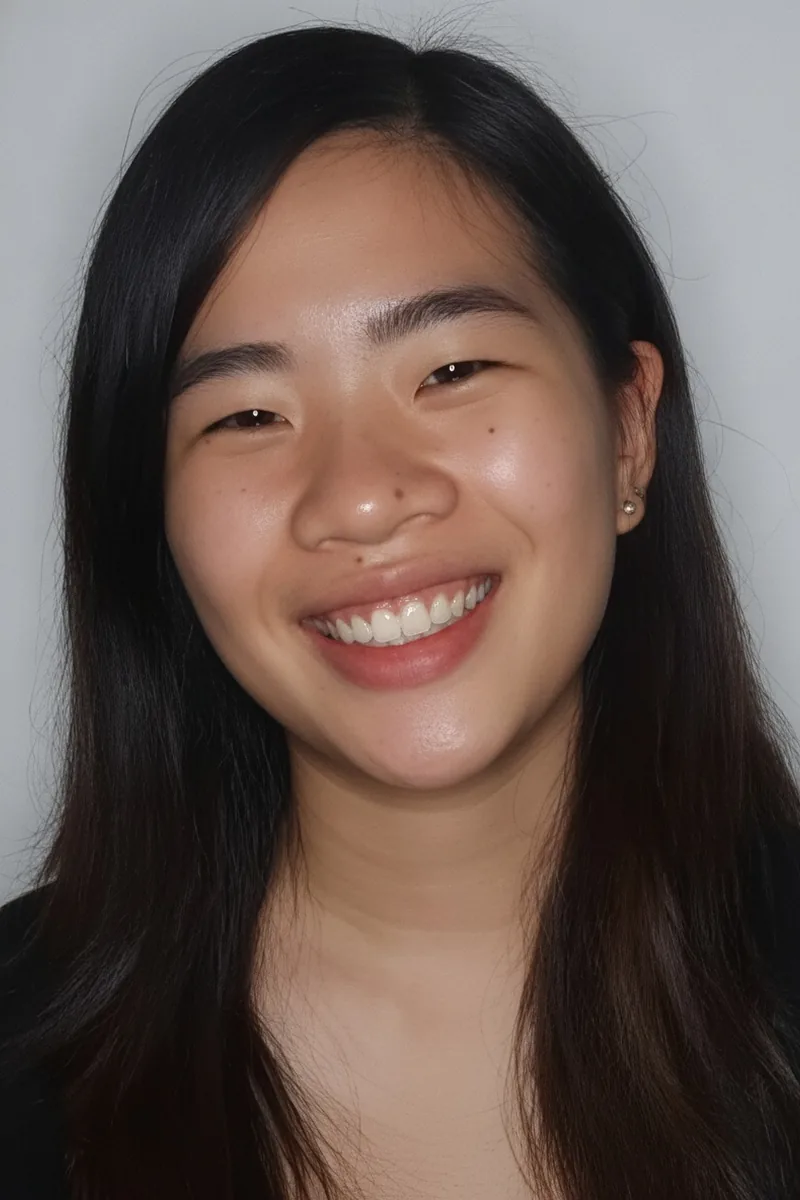
Kerry is working through Michigan Ross's BBA program right now, which means concepts like firm behavior, cost structures, and market efficiency aren't just AP exam topics — they're woven into the case studies and problem sets she tackles every week. She's especially sharp at connecting the intuition behind ideas like marginal analysis and elasticity to the kind of clear, structured reasoning the AP Micro free-response section rewards.

Supply and demand curves are intuitive until the AP exam asks you to analyze deadweight loss from a price ceiling or trace the effects of a per-unit tax through producer and consumer surplus. Jake's marketing degree gives him a practical lens on how firms actually make pricing and output decisions, which makes abstract graph-shifting exercises feel grounded in real market behavior.
Studying economics at Vanderbilt means Maddy encounters microeconomic theory daily — from elasticity and consumer choice to game theory and market structures. She breaks down AP Micro's trickiest graph-based questions by connecting each curve shift to a real-world scenario, making the logic behind cost curves and deadweight loss click. Rated 5.0 by students.
AP Micro lives and dies on graphs — getting supply-and-demand shifts, cost curves, and game theory matrices right under timed conditions. David connects each model to real business scenarios drawn from his entrepreneurship training, which makes abstract concepts like deadweight loss or price discrimination click faster. His 4.9 rating speaks to how well that real-world grounding translates to exam performance.
Supply and demand curves are just the starting point — AP Micro gets tricky when students hit market structures like oligopoly and monopolistic competition, where the graphs multiply and the intuition breaks down. Charlie earned National AP Scholar status and identifies economics as one of his strongest subjects, so he unpacks those models with the precision the exam requires.
Natalie is pursuing economics alongside civil engineering at Duke, which means she thinks about microeconomic concepts like marginal analysis and market efficiency in both theoretical and applied contexts. She unpacks tricky AP Micro topics — game theory, cost curves, deadweight loss — by connecting them to real decisions firms and consumers actually face.
Reed served as an economics prefect and TA for introductory microeconomics at Carleton College, running classroom sessions and one-on-one reviews on exactly the material AP Micro covers — supply and demand, market structures, elasticity, game theory, and market failures. That teaching experience means he already knows where students tend to get stuck, particularly on graph-heavy questions involving surplus analysis and cost curves.
AP Micro lives and dies on graphs — marginal cost curves, consumer and producer surplus, market structure diagrams. Patrick's combined economics and mathematics training at Boston College makes him especially effective at teaching students to read, draw, and interpret these models rather than just memorize their shapes. His 32 ACT reflects the kind of structured test-taking approach he brings to AP exam prep.
Biochemistry might seem far from economics, but Aditya's coursework in biostatistics and quantitative modeling builds the same analytical muscles AP Micro demands — reading graphs precisely, thinking at the margin, and tracing cause-and-effect through complex systems. He tackles topics like cost structures and market efficiency by emphasizing the logical framework behind each model, which pays off on free-response questions where showing your reasoning matters as much as the final answer.
I am highly proficient in other areas in economics, high school mathematics, calculus I and European history.
Marginal analysis, elasticity, market structures, game theory — Ella digs into AP Micro as someone who uses these models daily in her economics coursework. She breaks down the graphical reasoning behind concepts like deadweight loss and surplus so students can tackle free-response questions with real confidence rather than memorized shapes.
The AP Micro exam tests whether students can move fluidly between graphs, equations, and written explanations of concepts like elasticity, market structures, and deadweight loss. Stephen's PhD training at Rice and his years teaching economics at Fordham mean he can unpack why a monopolist's marginal revenue curve sits below the demand curve — and drill students on the free-response format until the reasoning becomes automatic.
Testimonials
Because the right AP Microeconomics tutor makes all the difference.
Average Session Rating – Based on 3.4M Learner Ratings
Practice AP Microeconomics
Free practice tests, flashcards, and AI tutoring for AP Microeconomics
Nearby AP Microeconomics Tutors
Other Santa Ana Tutors
Related Business Tutors in Santa Ana
Frequently Asked Questions
Varsity Tutors matches Santa Ana students with expert AP Microeconomics tutors for 1-on-1 instruction. We pair each student with a tutor based on their specific needs, learning style, and goals.
Whether you need homework help, exam prep, or want to get ahead, our AP Microeconomics tutors are ready to help.
Common challenges include gaps from earlier material, difficulty with specific concepts, and trouble applying learning to new problems. These issues can snowball quickly in AP Microeconomics.
A tutor identifies where you're stuck, fills in gaps, and provides targeted practice. The 1-on-1 format means you get help exactly where you need it.
Tutors work with your student's actual coursework—homework assignments, class notes, and upcoming tests. This keeps tutoring directly relevant to what's happening in the classroom.
When you share information about your student's school and curriculum, we can match you with a tutor who has relevant experience.
All tutors complete background checks, credential verification, and teaching evaluation. Many of our AP Microeconomics tutors hold advanced degrees or have years of teaching experience.
You can review tutor profiles to find someone with the right background for your student's level and needs.
Many students see improved grades within a few weeks, along with better understanding of AP Microeconomics concepts and more confidence tackling challenging material.
Tutors track progress and adjust their approach to ensure continued improvement.
Most students benefit from 1-2 sessions per week. More frequent sessions help if your student is significantly behind or has an important exam coming up.
Your tutor can recommend a schedule based on your student's specific situation and goals.
Tutoring is purchased in packages of hours, with rates varying by tutor experience. Varsity Tutors offers several options to fit different budgets and needs.
You can discuss pricing during your consultation to find what works best.
Your tutor will assess where your student is, discuss goals, and start working on priority areas. Most students bring current homework or upcoming test material to focus on.
By the end, you'll have a clear sense of how the tutor can help and a plan for moving forward.
Let’s find your perfect tutor
Answer a few quick questions. We’ll recommend the right plan and match you with a top 5% tutor.