Award-Winning AP Microeconomics Tutors
serving San Francisco, CA
AP Microeconomics
Tutors in San Francisco
Private 1-on-1 tutoring, weekly live classes for academic support, test prep & enrichment, practice tests and diagnostics, and more to elevate grades and test scores.
Based on 3.4M Learner Ratings
UniversitiesSchools & Universities
DeliveredHours Delivered
ProficiencyGrowth in Proficiency
Who needs tutoring?
No obligation. Takes ~1 minute.
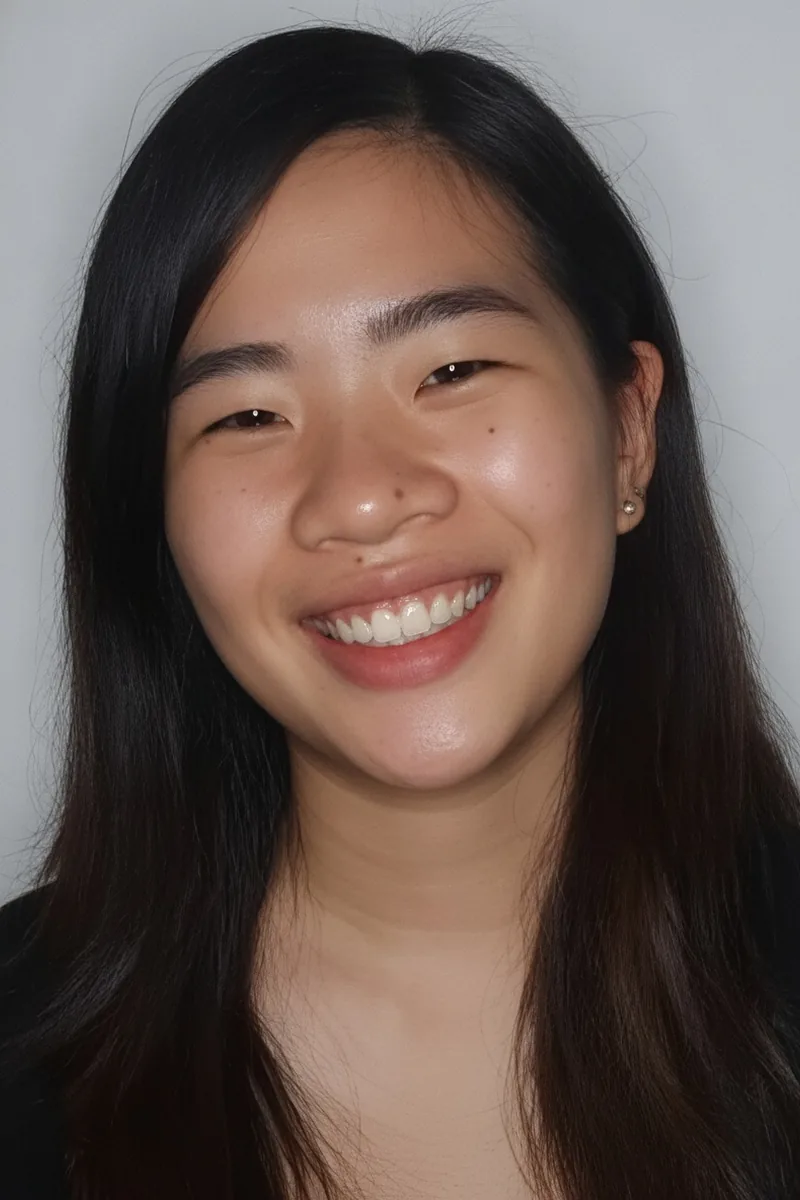
Kerry is working through Michigan Ross's BBA program right now, which means concepts like firm behavior, cost structures, and market efficiency aren't just AP exam topics — they're woven into the case studies and problem sets she tackles every week. She's especially sharp at connecting the intuition behind ideas like marginal analysis and elasticity to the kind of clear, structured reasoning the AP Micro free-response section rewards.

AP Micro's free-response questions reward students who can draw accurate graphs and explain them in precise economic language, not just identify the right multiple-choice answer. Dana's public policy training sharpened her ability to analyze market structures, externalities, and efficiency — exactly the kind of reasoning the College Board tests. She walks through each graph type until students can reproduce and explain them cold.
Pratik's premed coursework at Cornell doesn't include an econ major, but the analytical thinking he applies to biology and chemistry — tracing cause and effect through complex systems — maps surprisingly well onto microeconomic reasoning like how firms respond to changing costs or why price ceilings create shortages. He teaches students to treat each AP Micro model as a logical chain rather than an isolated diagram, which pays off on free-response questions that demand clear, connected explanations.
Five years as an investment analyst meant Neil was constantly applying microeconomic thinking — evaluating how firms respond to competitive pressures, how pricing power shifts with market structure, and how incentive changes ripple through an industry. His Princeton economics degree built the theoretical foundation, but it's that real-world pattern recognition that makes topics like oligopoly behavior and efficiency conditions click for AP Micro students. Rated 5.0 by students.
AP Micro lives and dies on graphs — marginal cost curves, consumer and producer surplus, market structure diagrams. Patrick's combined economics and mathematics training at Boston College makes him especially effective at teaching students to read, draw, and interpret these models rather than just memorize their shapes. His 32 ACT reflects the kind of structured test-taking approach he brings to AP exam prep.
Supply and demand curves are straightforward until students hit market structures, game theory, and the subtleties of elasticity — that's where AP Micro gets interesting. Lila's political science background at Rice includes extensive coursework in policy analysis, which requires the same economic reasoning tested on the AP exam, from understanding deadweight loss to evaluating firm behavior in competitive and monopolistic markets.
Supply and demand curves are the easy part of AP Micro — the real challenge is applying concepts like marginal cost pricing, deadweight loss, and game theory to free-response questions under time pressure. Vignesh's finance degree at the University of Georgia gave him deep fluency with microeconomic models, and he drills students on the graph-drawing and explanation skills the AP exam specifically rewards.
The trickiest part of AP Micro isn't supply and demand — it's the market structure unit, where students have to compare perfect competition, monopoly, and oligopoly using nearly identical-looking cost curves. Mustafa breaks down how to read MC, ATC, and MR graphs across each structure so students can spot the differences quickly on exam day. His four years of tutoring experience mean he knows exactly where the common FRQ pitfalls are.
Rukhsar's graduate work in political science and government included deep engagement with policy analysis, public choice theory, and the economic frameworks that underpin government decision-making — concepts that map directly onto AP Microeconomics topics like market failure, externalities, and efficiency. She breaks down supply-and-demand models and game theory scenarios so students can reason through free-response questions with confidence.
I am a student at the Honors College of Rutgers - New Brunswick. I am currently working towards attaining a B.S. in Biochemistry, as well as a minor in Business and Administration. Over the last five years, I have reconciled my passion for teaching and my desire to interact with fellow students through tutoring. While I have tutored in a broad range of subjects, I am most passionate about science, math, and English. Having taught many students, each of whom were different in terms of personality and learning style, I understand the importance of tailoring the lesson to the student's strengths. As a result, I work to create unique, individualized learning plans that engage the student and make learning feel like an opportunity, rather than a chore.
Natalie is pursuing economics alongside civil engineering at Duke, which means she thinks about microeconomic concepts like marginal analysis and market efficiency in both theoretical and applied contexts. She unpacks tricky AP Micro topics — game theory, cost curves, deadweight loss — by connecting them to real decisions firms and consumers actually face.
AP Micro lives and dies on graphs — supply and demand shifts, cost curves, market structure diagrams — and students who can't read them quickly lose points on free-response questions. Ian's math background and economics coursework at UGA make him especially effective at teaching students to sketch, interpret, and apply those graphs under timed conditions.
Testimonials
Because the right AP Microeconomics tutor makes all the difference.
Average Session Rating – Based on 3.4M Learner Ratings
Practice AP Microeconomics
Free practice tests, flashcards, and AI tutoring for AP Microeconomics
Nearby AP Microeconomics Tutors
Other San Francisco Tutors
Related Business Tutors in San Francisco
Frequently Asked Questions
AP Microeconomics covers six major units: basic economic concepts (scarcity, opportunity cost, production possibilities), supply and demand, production choices and behavior, factor markets, market imperfections (monopoly, oligopoly, monopolistic competition), and measurement of economic performance. The exam tests both conceptual understanding and your ability to apply economic principles to real-world scenarios, so tutoring focuses on building strong foundations in each unit while practicing application problems.
Score improvement depends on your starting point and commitment level, but personalized 1-on-1 instruction typically helps students identify knowledge gaps and weak areas they wouldn't catch alone. Many students improve by 1-2 score points (on the 1-5 scale) when they work consistently with a tutor to master challenging concepts like elasticity, consumer surplus, and market structures—areas where San Francisco students often struggle.
Students typically find elasticity calculations, distinguishing between different market structures, and understanding the relationship between marginal cost and revenue to be the most challenging concepts. Additionally, the exam requires you to interpret graphs and shift curves correctly under time pressure, which is where many students lose points. A tutor can break down these visual concepts step-by-step and build your confidence with repeated practice.
The AP Microeconomics exam is 70 minutes with 60 multiple-choice questions, so pacing is critical—aim to spend about 1 minute per question. For graph-based questions, always identify the axes, label key points, and trace how changes shift curves before answering. Tutors help you develop a systematic approach to each question type, practice time management with full-length exams, and learn when to skip difficult questions and return later rather than getting stuck.
Most students benefit from starting tutoring 3-4 months before the exam (typically January or February for the May test) to thoroughly cover all six units and complete multiple practice tests. However, if you're starting later or struggling with specific topics, even 6-8 weeks of focused 1-on-1 tutoring can significantly strengthen weak areas. The key is consistent practice with feedback—working through problems, reviewing mistakes, and refining your approach.
Practice tests are essential because they reveal which concepts you truly understand versus which ones you've memorized without mastery. Taking full-length timed practice tests under exam conditions helps you identify pacing issues, question formats that trip you up, and specific topics needing more work. Tutors use practice test results to create targeted study plans, so you're not wasting time reviewing material you've already mastered.
Look for tutors with strong economics backgrounds—ideally those who've taught AP Microeconomics, scored well on the exam themselves, or have economics degrees. They should understand the specific exam format, know which concepts students typically struggle with, and be able to explain abstract economic theory through clear examples and graphs. Varsity Tutors connects you with expert tutors for students in San Francisco who have proven experience helping students master AP Microeconomics.
Your first session typically involves an assessment to identify your current understanding, specific weak areas, and learning style—whether you're stronger with graphs, calculations, or conceptual explanations. The tutor will review your goals (score target, timeline, specific units you're struggling with) and create a personalized study plan. This foundation ensures every subsequent session is focused on what you actually need to improve rather than generic review.
Let’s find your perfect tutor
Answer a few quick questions. We’ll recommend the right plan and match you with a top 5% tutor.