Award-Winning AP European History Tutors
serving Long Beach, CA
AP European History
Tutors in Long Beach
Private 1-on-1 tutoring, weekly live classes for academic support, test prep & enrichment, practice tests and diagnostics, and more to elevate grades and test scores.
Based on 3.4M Learner Ratings
UniversitiesSchools & Universities
DeliveredHours Delivered
ProficiencyGrowth in Proficiency
Who needs tutoring?
No obligation. Takes ~1 minute.

The AP European History exam asks students to do more than recall dates — it tests whether they can dissect a document set and construct an argument about, say, how Enlightenment thought reshaped political legitimacy. Brian approaches these document-based questions the way he approaches any analytical problem: identify the claim, weigh the evidence, and build a tight logical structure. His interdisciplinary background spanning economics and the humanities makes him especially effective at connecting Europe's intellectual, economic, and political threads.
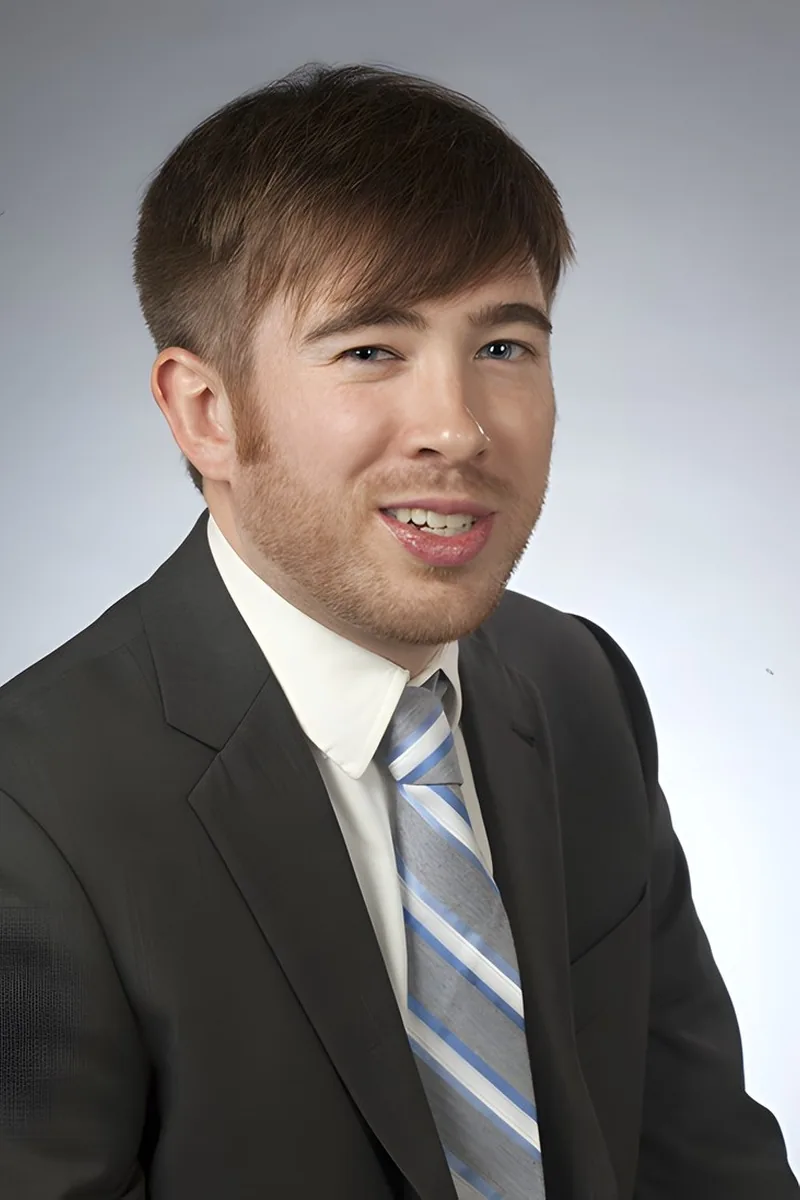
Christian's political science degree gives him a structural lens for the power struggles that run through AP Euro — whether it's the consolidation of absolutist monarchies, the ideological clashes of the French Revolution, or the Cold War division of the continent. He teaches students to read those events as political arguments rather than isolated facts, which is exactly the kind of thinking that translates into strong exam essays.
From the fragmentation of Christendom during the Reformation to the Congress of Vienna's attempt to reassemble it, AP European History rewards students who can trace causation across centuries. Hannah studied History as an undergraduate and brings a writer's discipline to the LEQ and DBQ formats — she teaches students to build arguments that are historically precise and structurally tight.
Film production trains you to think about narrative — why events unfold the way they do, what forces are in tension, and how to structure a compelling story from raw material. Justine applies that same storytelling instinct to AP European History, teaching students to build essay arguments that read as coherent narratives of cause and effect rather than disconnected lists of dates and treaties. Her strong writing background (1500 SAT) makes her especially useful for students who understand the content but struggle to translate it into the structured, thesis-driven responses the exam demands.
From the Renaissance through the Cold War, AP European History demands that students trace political, intellectual, and economic developments across centuries while writing tightly argued essays under pressure. Rayhan's Duke history training gave him deep familiarity with European historiography, and his classroom teaching experience means he knows how to make the Reformation or the Congress of Vienna click for students preparing for the AP exam.
Richard's government degree from Harvard built the kind of analytical muscle AP Euro rewards — tracing how political institutions, ideological movements, and power struggles shaped each other across centuries, from absolutist monarchies to modern democracies. His coursework in philosophy and politics gives him a natural feel for the intellectual history that dominates the exam, whether it's unpacking Montesquieu's influence on constitutional thought or the ideological fault lines behind 1848's revolutions. He scored a 1600 SAT and 36 ACT, signaling the reading comprehension and argumentative precision the DBQ demands.
From the Protestant Reformation to the Congress of Vienna to post-WWII integration, AP European History demands that students trace ideological shifts across centuries. Solange's IB program at Coral Reef immersed her in exactly this kind of analytical history, and she brings a knack for turning dense political and intellectual movements into clear cause-and-effect chains that stick on exam day.
From the Protestant Reformation to the Cold War, AP European History covers centuries of political upheaval, intellectual movements, and economic transformation — and the exam expects students to synthesize all of it into tight, evidence-driven essays. Katherine studied history at Denison University with a focus that sharpened her ability to trace cause-and-effect chains across eras. She breaks down DBQ and LEQ strategies so students know how to build an argument, not just recall dates.
From the Protestant Reformation to the Congress of Vienna to postwar European integration, AP European History covers an enormous arc — and the exam expects students to argue about it, not just recall it. Stephanie earned her history degree at Cornell and is currently a graduate student at Penn, so she approaches each period through the kind of historiographical lens that makes essay responses more sophisticated. She unpacks primary sources with students so they learn to read for perspective and bias, not just content.
AP European History's essay prompts demand that students weave together political, intellectual, and social developments across centuries — the kind of synthesis that requires genuine understanding, not just a timeline. Varun's CLEP preparation in both Western Civilization I and II gave him a structured framework spanning the Renaissance through the Cold War. He teaches students to identify turning points like the Treaty of Westphalia or the Congress of Vienna and explain why they reshaped the European order.
Alexander is finishing a European history degree at Vanderbilt, which means he's currently immersed in the same material AP Euro students are tackling — from the political fragmentation of the Reformation era to the ideological battles of the twentieth century. His 1510 SAT reflects strong analytical reading and writing skills, the same toolkit students need to dissect a DBQ prompt and construct a thesis under exam conditions. He's especially effective at teaching students how to move from knowing what happened to explaining why it mattered.
From the Renaissance through the Cold War, AP European History covers an enormous sweep of political, intellectual, and social change — and the exam expects students to synthesize across all of it. Patrick's university-level teaching background in European history means he can connect the Reformation to the Enlightenment to nationalism in ways that make essay arguments sharper and more historically grounded.
I am currently a senior at Northwestern University and I will be receiving a Bachelor of Arts in Political Science and Legal Studies this spring. In the fall, I will begin attending law school at Northwestern Law. For many years, I tutored a wide range of students in Spanish, English literature, and writing. I have also continued to help many high school seniors with college application essays. While I tutor a variety of subjects, I am very passionate about helping students improve their reading and writing skills, and I really enjoy helping students with Critical Reading and Writing portions of Standardized Tests. I love working with students and helping them realize their full academic potential. In my spare time, I enjoy traveling, exploring Chicago, reading, and cooking.
Testimonials
Because the right AP European History tutor makes all the difference.
Average Session Rating – Based on 3.4M Learner Ratings
Practice AP European History
Free practice tests, flashcards, and AI tutoring for AP European History
Nearby AP European History Tutors
Other Long Beach Tutors
Related Social Studies Tutors in Long Beach
Frequently Asked Questions
AP European History spans from 1450 to the present, organized around six major themes: intellectual and cultural developments, states and dynasties, individual and society, national and European identity, interactions between Europe and the wider world, and technological and economic changes. The course emphasizes historical thinking skills like analyzing primary sources, understanding causation, and evaluating multiple perspectives—skills that go beyond memorization and are essential for earning a strong AP score.
Score improvement depends on your starting point and commitment level, but students who work with tutors typically see meaningful gains by focusing on their specific weak areas—whether that's analyzing documents, understanding periodization, or mastering essay structure. Many students improve by 1-2 score points (on the 1-5 scale) when they combine consistent tutoring with regular practice tests and targeted review of challenging topics.
Students often struggle with three main areas: managing the sheer volume of content across five centuries, developing strong document analysis skills for the DBQ (Document-Based Question), and understanding how to construct thematic arguments rather than just chronological narratives. Additionally, many students find the multiple-choice section challenging because it requires not just knowing facts, but understanding nuance and context—recognizing why one answer is better than another even when several seem plausible.
The exam has two sections: a 55-minute multiple-choice and short-answer section (40 questions), and a 100-minute free-response section with one DBQ and one long essay question. You'll choose which essay prompt to answer, so understanding your strengths across different time periods and themes helps you make strategic choices on test day. Pacing is critical—many students benefit from tutoring that includes timed practice to build confidence and efficiency.
The DBQ rewards students who can synthesize documents, identify bias and context, and develop a clear argument rather than just summarizing sources. Tutors help you practice analyzing documents quickly, organizing your evidence logically, and writing thesis statements that go beyond obvious interpretations. Working through past AP DBQs with expert feedback—understanding what scored well and why—is one of the most effective ways to boost this section.
Ideally, consistent tutoring throughout the school year helps you master content as you learn it rather than cramming before May. However, many students benefit from intensified tutoring in the 6-8 weeks leading up to the exam, focusing on practice tests, identifying weak topics, and refining essay-writing strategies. For students in Long Beach's schools, connecting with a tutor early in the year allows time to build foundational skills and address gaps before the final push.
Look for tutors with strong AP European History knowledge, ideally including experience with the current exam format and scoring rubrics. Tutors who have successfully guided students through the DBQ and essay sections, understand common misconceptions, and can teach historical thinking skills (not just facts) make the biggest difference. Varsity Tutors connects you with expert tutors who understand the specific demands of AP European History and can tailor instruction to your learning style and goals.
Your first session typically focuses on assessment: your tutor will understand your current knowledge level, identify which time periods or themes feel strongest and weakest, and discuss your target score. Together, you'll create a personalized study plan that prioritizes your biggest challenges—whether that's mastering document analysis, building essay skills, or filling content gaps. This foundation helps ensure every subsequent session is focused and productive.
Let’s find your perfect tutor
Answer a few quick questions. We’ll recommend the right plan and match you with a top 5% tutor.