Award-Winning AP European History Tutors
serving Fresno, CA
AP European History
Tutors in Fresno
Private 1-on-1 tutoring, weekly live classes for academic support, test prep & enrichment, practice tests and diagnostics, and more to elevate grades and test scores.
Based on 3.4M Learner Ratings
UniversitiesSchools & Universities
DeliveredHours Delivered
ProficiencyGrowth in Proficiency
Who needs tutoring?
No obligation. Takes ~1 minute.

The AP European History exam asks students to do more than recall dates — it tests whether they can dissect a document set and construct an argument about, say, how Enlightenment thought reshaped political legitimacy. Brian approaches these document-based questions the way he approaches any analytical problem: identify the claim, weigh the evidence, and build a tight logical structure. His interdisciplinary background spanning economics and the humanities makes him especially effective at connecting Europe's intellectual, economic, and political threads.
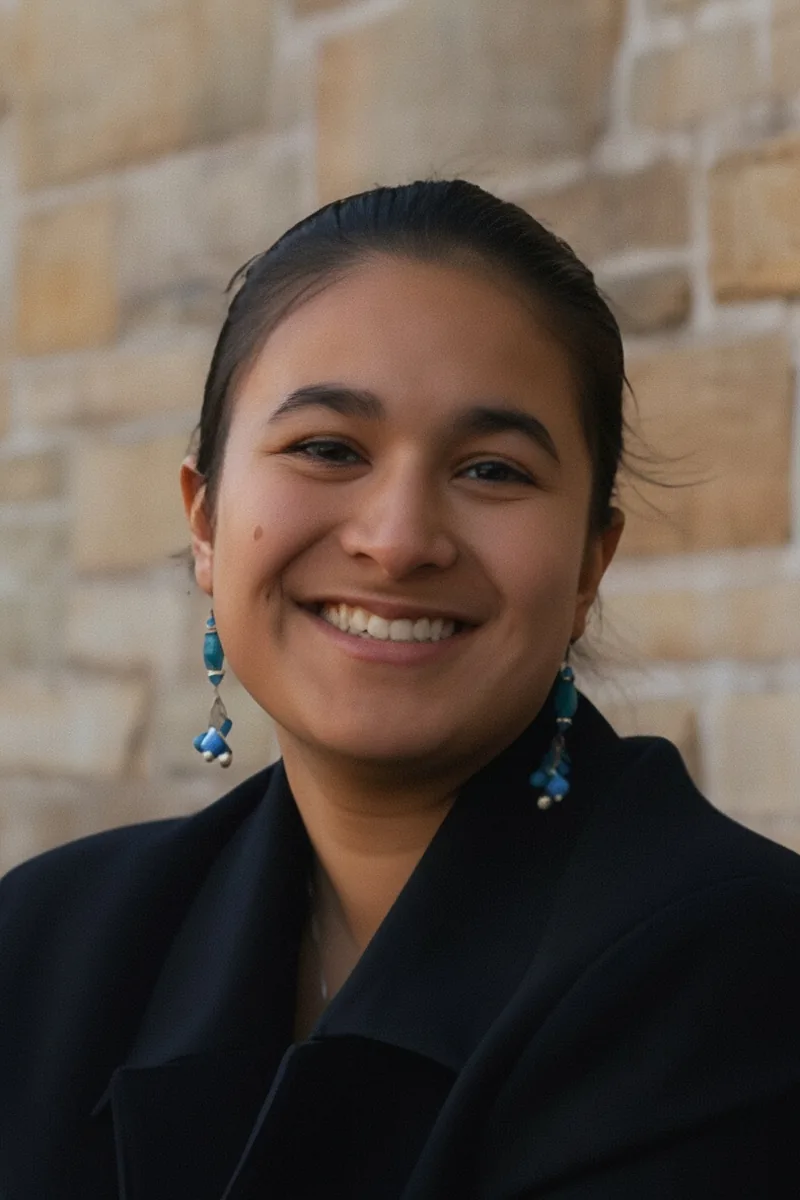
Tessa is double-majoring in both Mathematics and History, which means she's unusually comfortable toggling between quantitative reasoning and the kind of interpretive argumentation AP Euro demands — analyzing how demographic data, trade patterns, or inflation rates shaped events like the Thirty Years' War or the fall of the ancien régime. That analytical rigor shows up in how she teaches essay construction, pushing students to build claims grounded in specific evidence rather than broad narrative summaries. Rated 4.9 by students.
Paul earned his master's in history from Brandeis and his bachelor's from Wisconsin-Madison, where he studied both history and political science — a combination that built the kind of multi-causal reasoning AP Euro essays reward, whether the prompt asks about the political fallout of the Thirty Years' War or the intellectual roots of nineteenth-century liberalism. He's particularly strong at teaching students how to organize overwhelming amounts of content into the periodization frameworks and continuity-and-change arguments the College Board actually scores for.
From the Renaissance through the Cold War, AP European History demands that students trace intellectual and political threads across centuries. Alyssa unpacks how movements like the Enlightenment or nationalism didn't just happen in a vacuum — she connects philosophical ideas to the social conditions that produced them, which is exactly the kind of thinking the exam's stimulus-based questions test. Her psychology training sharpens that focus on how ideas shape human behavior at scale.
Christian's political science degree gives him a structural lens for the power struggles that run through AP Euro — whether it's the consolidation of absolutist monarchies, the ideological clashes of the French Revolution, or the Cold War division of the continent. He teaches students to read those events as political arguments rather than isolated facts, which is exactly the kind of thinking that translates into strong exam essays.
From the Renaissance through the Cold War, AP European History demands that students trace political, intellectual, and economic threads across centuries. Nathan digs into the causation and continuity-and-change skills the exam prioritizes, teaching students to build arguments that link events like the Reformation to Enlightenment thought rather than treating each unit as isolated content. His Rice history training means he reads primary sources alongside students, not just summaries.
From the Renaissance papacy to the Congress of Vienna to EU integration, AP European History demands that students trace cause and effect across centuries of political, intellectual, and economic change. Nathan brings supplementary primary sources and historical texts into sessions, giving students the kind of document analysis practice that directly translates to stronger DBQ and LEQ scores.
I'm a current PhD student in the history department at Georgetown University who is also an experienced instructor with Varsity Tutors. As a recipient of several degrees, the most recent being a BA in history from Hillsdale College and a MA in Russian, East European, and Eurasian Studies from Stanford University, I have long sought to make teaching my profession. Meanwhile, as a volunteer grade school teacher and a tutor with this company, I have many years' experience helping students reach their full potential. I am capable of teaching students in many subjects, including reading, mathematics, test prep, Latin, and especially writing, history, and literature. In practice, I am comfortable adapting to different learning styles and specific student preferences. Outside of my academic and career endeavors, I enjoy cooking, reading, and listening to and making music.
William's linguistics and classics training at Boston University means he's spent years with the languages, texts, and cultural systems that underpin European history — the kind of background that makes topics like the spread of Latin Christendom, Renaissance humanism, or Enlightenment-era debates about reason feel concrete rather than abstract. He teaches students to read AP Euro documents with an eye for how language itself reveals political and ideological context, which is exactly what strong DBQ responses require. Rated 4.9 by students.
**"BYE TO AI" DISCLAIMER: In an environment where tutors use AI to research, plan lessons, and even give students feedback, I have a zero tolerance policy for AI tools and materials, and I commit to NOT using them in our work together whatsoever.** ABOUT ME: Award-winning writer and classical soprano. Bachelor's degree from Vanderbilt University in history; second major in voice; minor in Italian; concentration in musicology. Master's degree from the University of Rochester. Professional editor (both journalistic and creative prose) experienced in the Chicago Manual of Style and AP Style Guide. Areas of specialty include classical music (bel canto vocal instruction, musicology, and music theory), 18th and 19th century American and European history and literature, research skills, creative writing, test prep, and college admissions. My instruction in college essay writing has enabled over 30 students to gain admissions to top schools.
From the Protestant Reformation's political ripple effects to the causes behind industrialization, AP European History demands that students trace causation across centuries. Austin's genuine interest in European history means he digs into the "why" behind events, teaching students to build the kind of analytical arguments the LEQ and DBQ require.
Studying both economics and international relations at Tufts means Mark spent four years analyzing how trade policy, diplomatic alliances, and ideological conflict shaped the modern world — essentially the AP Euro curriculum viewed through a policy lens. He's especially useful for students who struggle to connect economic shifts like mercantilism or industrialization to the political upheavals they triggered, which is the kind of causal reasoning the LEQ and DBQ reward. Rated 4.9 by students.
Amir's International Relations degree, with its concentration in Business and Economics, trained him to trace how trade policies, diplomatic alliances, and ideological rivalries reshaped the European continent — exactly the kind of connective thinking AP Euro rewards on the LEQ and DBQ. He's particularly strong on the economic and diplomatic dimensions of topics like mercantilism, the Congress of Vienna, and post-WWII European integration, where students often struggle to move beyond surface-level narrative. His 33 ACT reflects the reading comprehension and analytical writing skills the exam's document-based questions demand.
Testimonials
Because the right AP European History tutor makes all the difference.
Average Session Rating – Based on 3.4M Learner Ratings
Practice AP European History
Free practice tests, flashcards, and AI tutoring for AP European History
Nearby AP European History Tutors
Other Fresno Tutors
Related Social Studies Tutors in Fresno
Frequently Asked Questions
AP European History spans from 1450 to the present, organized around major themes like intellectual and cultural developments, state-building and nationalism, individual and society, and conflict and cooperation. The course emphasizes understanding historical causation, analyzing primary and secondary sources, and recognizing patterns across centuries. Students typically study the Renaissance, Reformation, Age of Exploration, Enlightenment, French Revolution, Industrial Revolution, World Wars, Cold War, and modern Europe—with significant focus on how these periods shaped contemporary society.
The exam has two sections: the multiple-choice and short-answer section (90 minutes) and the free-response section (100 minutes). You'll encounter 55 multiple-choice questions, 3 short-answer questions, and then write a document-based question (DBQ), long essay question (LEQ), and one additional LEQ from a choice of two prompts. Success requires balancing factual knowledge with analytical skills—you need to know key events and figures, but also explain cause-and-effect relationships and evaluate historical interpretations.
Students often struggle with time management during the exam, especially when writing three essays in 100 minutes while organizing complex historical arguments. Many also find it difficult to balance memorizing dates and facts with developing analytical skills—AP European History rewards deep understanding over rote memorization. Additionally, students frequently underestimate how much primary source analysis is required, which demands careful reading and interpretation skills that differ from standard test-taking.
Most students aim for a score of 3 or higher (passing), though many target 4s and 5s for college credit and placement. Personalized tutoring can help you improve by targeting your specific weak areas—whether that's understanding feudalism and absolutism, analyzing the French Revolution, or mastering essay structure. Consistent practice with past exam questions, combined with expert feedback on your writing, typically leads to meaningful score gains, especially if you start tutoring several months before the exam.
Most students benefit from beginning serious preparation 3-4 months before the exam, though starting earlier gives you more time to absorb the breadth of material. A typical schedule includes reviewing one historical period per week, completing practice multiple-choice questions, analyzing primary sources, and writing timed essays every 2-3 weeks. In the final month, focus shifts to full-length practice exams, reviewing weak topics, and refining your essay-writing strategy under timed conditions.
Success on both essays requires a clear thesis statement, organized body paragraphs that address the prompt directly, and specific historical evidence to support each claim. For the DBQ, you must skillfully incorporate and analyze the provided documents while adding outside knowledge—avoid simply summarizing documents. For the LEQ, develop a strong argument and support it with specific examples from the time period. Tutors can help you practice outlining essays quickly, crafting compelling arguments, and managing time so you write substantive responses rather than rushing through incomplete essays.
Varsity Tutors connects you with expert tutors who specialize in AP European History and understand the specific challenges students face on this exam. Tutors work with you to identify weak topics, practice test-taking strategies, analyze your essay writing, and build confidence before exam day. Whether you need help understanding the Enlightenment or perfecting your DBQ structure, personalized 1-on-1 instruction is tailored to your learning pace and goals.
Your first session typically focuses on understanding your current knowledge level, identifying which historical periods or skills need the most work, and discussing your target score. A tutor might review a practice essay you've written, assess your familiarity with key concepts, or discuss your test anxiety if that's a concern. From there, you'll develop a personalized study plan that prioritizes your weak areas and builds toward consistent, high-quality exam performance.
Let’s find your perfect tutor
Answer a few quick questions. We’ll recommend the right plan and match you with a top 5% tutor.