Award-Winning AP English Language and Composition Tutors
serving Glendale, CA
AP English Language and Composition
Tutors in Glendale
Private 1-on-1 tutoring, weekly live classes for academic support, test prep & enrichment, practice tests and diagnostics, and more to elevate grades and test scores.
Based on 3.4M Learner Ratings
UniversitiesSchools & Universities
DeliveredHours Delivered
ProficiencyGrowth in Proficiency
Who needs tutoring?
No obligation. Takes ~1 minute.
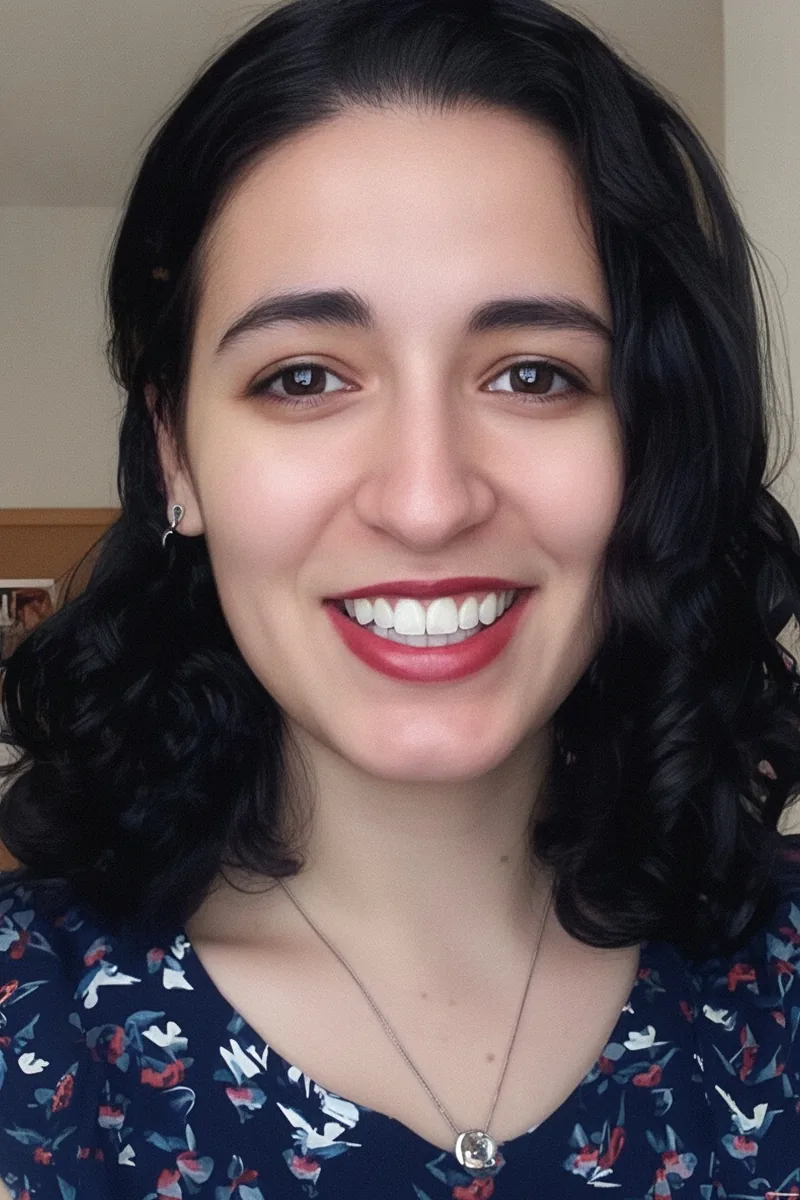
AP Lang is fundamentally about argument — how writers build it, how readers detect it, and how students can do both on exam day. Carla teaches rhetorical analysis by dissecting real speeches and essays, showing students how to identify strategies like appeals to ethos or strategic concession and then write about them with precision. Her 5.0 rating speaks to how well this approach clicks.

AP English Language is ultimately about argument — how writers build it, how rhetoric shapes it, and how students can construct their own under timed pressure. As a section editor for the Los Angeles Review of Books, John lives in the world of analytical prose and brings that editorial eye to rhetorical analysis essays, synthesis prompts, and the close reading of nonfiction. He breaks down how to identify an author's strategic choices and translate that analysis into a high-scoring essay.
Rhetorical analysis is the backbone of AP Lang, and it trips students up when they describe what an author says instead of how and why the author says it. Dorothy breaks down the synthesis, argument, and rhetorical analysis essays by teaching students to identify moves like strategic concessions, shifts in register, and appeals to shared values — the kind of close reading that turns a generic response into a persuasive one.
Rhetorical analysis clicks faster when a student can identify not just what an author is arguing but how the argument is constructed — tone shifts, strategic concessions, appeals layered into syntax. Michael's drama training at NYU Tisch sharpened his ability to break down how language persuades an audience, and he applies that skill directly to AP Lang's synthesis and argument essays. Rated 4.8 by students.
Rhetorical analysis is the backbone of AP Lang, and it trips students up because it asks them to explain how writing works rather than what it says. Patrick approaches this by teaching students to name specific techniques — antithesis, concession, strategic repetition — and then connect those moves to an author's purpose in timed essay conditions. His MFA and BA in English give him deep fluency with argument and style across genres, from political speeches to personal essays.
Scoring well on AP Lang means understanding rhetoric as a toolbox — recognizing when an author deploys an anecdote for pathos versus a concession for credibility, then articulating that analysis in clear, evidence-driven prose. Jonathan approaches each practice essay as a revision exercise, walking through thesis construction and paragraph-level logic rather than just assigning a score. Students working with him learn to write arguments that actually persuade, which is what the exam's synthesis and argument essays demand.
Denay's public policy training at the University of Chicago — where every seminar meant tearing apart policy arguments and rebuilding them with sharper evidence — maps directly onto what AP Lang essays require: identifying how authors construct claims, deploy data, and anticipate opposition. She teaches the synthesis essay as a policy brief in miniature, showing students how to integrate multiple sources into a single coherent argument rather than summarizing each one in sequence. Rated 5.0 by students.
Rhetorical analysis is the backbone of AP Lang, and it trips students up because they confuse identifying a device with explaining how it functions in context. Stephanie approaches each passage as an argument to dissect — examining how authors deploy ethos, strategic concessions, and syntactic choices to persuade specific audiences. Her experience writing and editing at the college level at Princeton keeps her feedback concrete and actionable.
AP Lang is fundamentally about rhetoric — how writers persuade, and how to do it yourself. Chang's philosophy training sharpened his ability to dissect argumentative strategies like appeals to ethos, logical concessions, and strategic counterarguments, and he brings that same analytical precision to teaching students how to write and analyze persuasive prose.
Rhetoric is the backbone of AP English Language, and Amy teaches students to dissect how authors use appeals, structure, and diction to build persuasive arguments. Her college-level English training means she can model the kind of sophisticated synthesis and argumentation the exam's free-response questions demand. She also tackles the multiple-choice section by showing students how to read like a writer — noticing choices an author made and why.
Rhetorical analysis is where AP Lang lives or dies, and Elijah treats it like a performance — teaching students to hear the moves a writer makes with syntax, diction, and structure before they ever start writing about them. His English degree and MFA in Acting trained him to dissect how language persuades an audience, which translates directly to nailing the synthesis and argument essays under timed conditions.
Rhetoric is really applied philosophy: every AP Lang prompt asks students to dissect how an author persuades, and then do it themselves. Julie studies philosophy at Princeton, where she spends her days analyzing argument structure, identifying logical appeals, and writing precisely — the same toolkit that earns high scores on synthesis and rhetorical analysis essays.
AP Lang is ultimately about argument — how writers build it, how readers evaluate it, and how students construct their own on exam day. Ariel unpacks rhetorical strategies like ethos, logos, and kairos in published essays, then applies those same principles when coaching students through synthesis, argument, and rhetorical analysis prompts. Her background in psychology at Brown gives her a sharp eye for how language persuades.
Rhetoric is the backbone of AP Lang, and most students underestimate how precisely they need to name what an author is doing — distinguishing a concession from a counterargument, or explaining why an anecdote functions as evidence. Hasan's literary training at Brown and his 5.0 tutoring rating reflect an ability to make these analytical moves concrete, especially in the synthesis and argument essays where students tend to lose points.
AP English Language is where Patrick's two degrees converge perfectly — English Literature gives him deep fluency with rhetorical analysis, while Linguistics gives him the technical vocabulary to explain how syntax, diction, and structure create persuasive effects. He has taught academic writing to students ranging from middle schoolers to university freshmen, so he knows how to build the kind of evidence-driven argumentation the AP exam's free-response questions demand.
Rhetoric is everywhere, and AP Lang is the class that finally makes students see it — in speeches, editorials, even advertisements. Jack's dual background in theatre and economics means he can unpack both the emotional persuasion of a Kennedy address and the logical structure of an economic policy argument. He zeroes in on building the synthesis and argument essays, where students often struggle to integrate sources without losing their own voice.
AP Lang is fundamentally about argument — identifying how writers use rhetorical strategies and then deploying those same tools in timed essays. As a Princeton English major, Jane dissects rhetoric daily, from Aristotelian appeals to the subtleties of tone and diction in nonfiction prose. She teaches students to write synthesis and argument essays with clear, defensible claims supported by precise textual evidence.
Rhetorical analysis is the backbone of AP Lang, and most students struggle not with identifying ethos or logos but with explaining *how* those strategies function in a specific argument. Michelle digs into the synthesis and argument essays as well, showing students how to weave source material into a thesis without letting it take over. Her writing background makes her especially sharp on voice and structure.
Testimonials
Because the right AP English Language and Composition tutor makes all the difference.
Average Session Rating – Based on 3.4M Learner Ratings
Practice AP English Language and Composition
Free practice tests, flashcards, and AI tutoring for AP English Language and Composition
Nearby AP English Language and Composition Tutors
Other Glendale Tutors
Related English Tutors in Glendale
Frequently Asked Questions
Varsity Tutors matches Glendale students with expert AP English Language and Composition tutors for 1-on-1 instruction. We pair each student with a tutor based on their specific needs, learning style, and goals.
Whether you need homework help, exam prep, or want to get ahead, our AP English Language and Composition tutors are ready to help.
Common challenges include gaps from earlier material, difficulty with specific concepts, and trouble applying learning to new problems. These issues can snowball quickly in AP English Language and Composition.
A tutor identifies where you're stuck, fills in gaps, and provides targeted practice. The 1-on-1 format means you get help exactly where you need it.
Tutors work with your student's actual coursework—homework assignments, class notes, and upcoming tests. This keeps tutoring directly relevant to what's happening in the classroom.
When you share information about your student's school and curriculum, we can match you with a tutor who has relevant experience.
All tutors complete background checks, credential verification, and teaching evaluation. Many of our AP English Language and Composition tutors hold advanced degrees or have years of teaching experience.
You can review tutor profiles to find someone with the right background for your student's level and needs.
Many students see improved grades within a few weeks, along with better understanding of AP English Language and Composition concepts and more confidence tackling challenging material.
Tutors track progress and adjust their approach to ensure continued improvement.
Most students benefit from 1-2 sessions per week. More frequent sessions help if your student is significantly behind or has an important exam coming up.
Your tutor can recommend a schedule based on your student's specific situation and goals.
Tutoring is purchased in packages of hours, with rates varying by tutor experience. Varsity Tutors offers several options to fit different budgets and needs.
You can discuss pricing during your consultation to find what works best.
Your tutor will assess where your student is, discuss goals, and start working on priority areas. Most students bring current homework or upcoming test material to focus on.
By the end, you'll have a clear sense of how the tutor can help and a plan for moving forward.
Let’s find your perfect tutor
Answer a few quick questions. We’ll recommend the right plan and match you with a top 5% tutor.