Award-Winning Data Science Tutors
serving Bakersfield, CA
Data Science
Tutors in Bakersfield
Private 1-on-1 tutoring, weekly live classes for academic support, test prep & enrichment, practice tests and diagnostics, and more to elevate grades and test scores.
Based on 3.4M Learner Ratings
UniversitiesSchools & Universities
DeliveredHours Delivered
ProficiencyGrowth in Proficiency
Who needs tutoring?
No obligation. Takes ~1 minute.
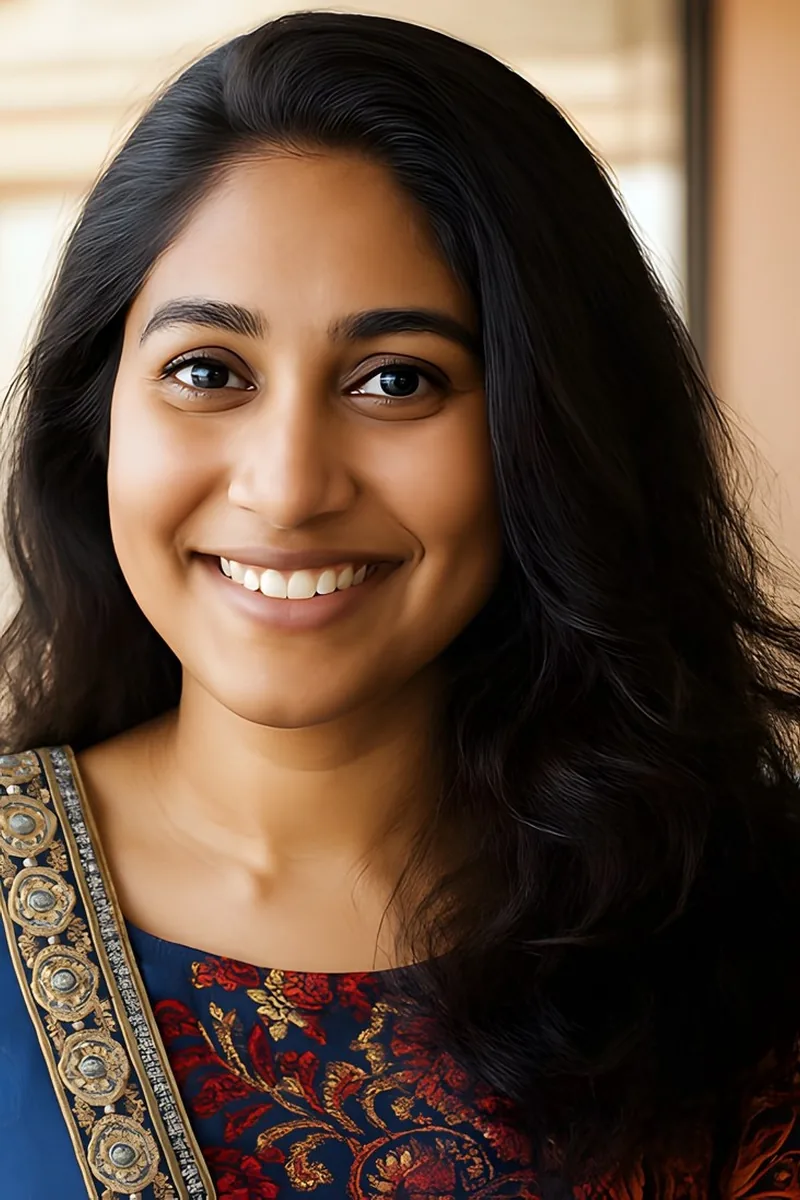
Mehek's computer and information sciences training gives her a programmer's instinct for data science — she teaches students to clean messy datasets, write Python scripts for exploratory analysis, and interpret statistical outputs rather than just running them. Her approach connects the coding side (pandas, NumPy) to the reasoning side, so students understand what their models are actually telling them.

Cleaning messy datasets, choosing the right model, and interpreting results without overfitting — data science lives at the intersection of statistics, programming, and domain knowledge. Anders tackles all three, drawing on his machine learning expertise and daily Python work to teach everything from exploratory analysis and feature engineering to deploying a model that actually generalizes. He holds a 5.0 rating from students.
Ecological research is data science in practice: cleaning messy field data, running statistical models, and visualizing population trends over time. Darcey's graduate work at Auburn involves exactly these tasks, and she walks students through core concepts like data wrangling, exploratory analysis, and interpreting model outputs with real datasets as examples.
Sitting at the intersection of CS, statistics, and domain knowledge, data science requires someone who can explain both the math behind a model and the code that implements it. Deeptha's bioinformatics training at UAB was essentially applied data science — cleaning biological datasets, running statistical analyses, and building computational pipelines in Python and R. She tackles everything from exploratory data analysis and visualization to the mechanics of regression and classification algorithms.
Currently pursuing a PhD in Data Science at NYU after completing an M.S. in the field at UIUC, Abhi lives inside the full data science pipeline — cleaning, exploratory analysis, statistical modeling, and machine learning deployment. He teaches students to move from raw data to actionable insight using tools like Python, SQL, and real-world datasets rather than toy examples.
Courage's unusual combination of computer science and environmental science degrees means he's built data pipelines for both software systems and scientific research — two domains where the data looks very different but the analytical thinking overlaps. He teaches students to connect SQL querying, Python scripting, and statistical reasoning into a coherent workflow, emphasizing how to ask the right question before choosing a model. His additional experience with datamining and biostatistics gives him a practical edge when explaining concepts like feature selection and exploratory analysis.
A PhD in statistics and hands-on experience with R programming and SPSS give Bahaeddine a strong grip on the full data science pipeline — from exploratory analysis and probability modeling to regression and visualization. He breaks down concepts like feature selection, hypothesis testing, and predictive modeling in ways that connect statistical theory to practical coding workflows.
A strong math foundation changes everything in data science, where statistical reasoning and algorithmic thinking matter more than just knowing a library's syntax. Joseph pairs his University of Chicago math degree with fluency in Python to teach concepts like data wrangling, exploratory analysis, and basic modeling from the ground up.
A PhD in artificial intelligence from Northwestern means Thomas has spent years knee-deep in the statistical modeling, feature engineering, and machine learning pipelines that form the backbone of modern data science. He teaches students to move from raw datasets to actionable insights using Python, SQL, and the kind of mathematical reasoning — probability distributions, linear algebra, optimization — that makes the difference between running a library and actually understanding what it does.
Studying data science at UW-Madison, Logan lives in the intersection of Python, statistics, and real-world problem-solving every day. He unpacks core concepts like data wrangling with pandas, exploratory visualization, and building predictive models — connecting each tool to the analytical question it's designed to answer. That combination of daily practice and tutoring experience means he can translate complex workflows into clear, step-by-step explanations.
As a dedicated tutor with over 2 years of experience, I am passionate about fostering a supportive learning environment where students can thrive in subjects like Algebra, Business Analytics, and Data Science. Currently pursuing my Bachelor's in Informatics at the University of Washington, I incorporate real-world applications into my teaching to engage students and enhance their understanding of complex concepts. My approach emphasizes personalized learning, encouraging students to ask questions and develop critical thinking skills. I find great joy in witnessing my students' growth and success, and I strive to instill a love for learning that extends beyond the classroom.
Between his economics degree, math minor, and electrical engineering minor at UT Austin, Sameeullah built fluency across the three pillars data science actually rests on: statistical reasoning, programming (Python, SQL, R), and quantitative modeling. He teaches students how econometrics techniques like regression and hypothesis testing translate directly into the data science toolkit — making the leap from academic datasets to real analytical workflows feel natural rather than overwhelming.
Testimonials
Because the right Data Science tutor makes all the difference.
Average Session Rating – Based on 3.4M Learner Ratings
Nearby Data Science Tutors
Other Bakersfield Tutors
Related Technology and Coding Tutors in Bakersfield
Frequently Asked Questions
Your first session is an assessment and planning meeting. A tutor will evaluate your current understanding of data science fundamentals—whether that's Python basics, statistics, or data visualization—and discuss your specific goals, whether you're preparing for a career transition, academic coursework, or a certification. This helps create a personalized learning plan tailored to your pace and objectives.
Many students struggle with the intersection of programming, statistics, and domain knowledge required in data science. Common pain points include understanding statistical concepts deeply enough to apply them correctly, debugging code efficiently, and knowing which tools and techniques to use for specific problems. Personalized instruction addresses these gaps by breaking down complex concepts into digestible pieces and providing immediate feedback on your work.
Not necessarily. While familiarity with Python is helpful, many students begin with little to no programming experience and build those skills alongside data science concepts. A tutor can help you learn Python fundamentals in the context of data analysis and visualization, making the learning more practical and immediately applicable. The key is being willing to practice regularly and ask questions when concepts don't click.
In a classroom or self-paced course, you move at the group's pace and may not get help with concepts that don't stick the first time. Personalized tutoring lets you slow down on challenging topics—like statistical hypothesis testing or machine learning model evaluation—and accelerate through areas you grasp quickly. A tutor also adapts explanations to your learning style, answers questions in real time, and helps you debug code or troubleshoot projects, which is difficult to get in a group setting.
Absolutely. Whether you're taking a data science elective at a Bakersfield high school, a community college course, or a university program, a tutor can align instruction with your specific curriculum and assignments. They can help you understand course material, work through projects, prepare for exams, and ensure you're meeting your program's learning objectives while building genuine understanding rather than just memorizing answers.
Python is the industry standard for data science and is the best starting point for most learners. You'll typically pair it with libraries like Pandas for data manipulation, NumPy for numerical computing, and Matplotlib or Seaborn for visualization. As you progress, you may explore SQL for databases, R for statistical analysis, or tools like Tableau for business intelligence. A tutor can help you prioritize based on your goals and guide you through whichever tools are most relevant to your path.
With consistent practice and personalized guidance, you can see meaningful progress in foundational skills—like writing clean Python code or understanding basic statistical concepts—within 4-6 weeks of regular sessions. More advanced competencies, like building and evaluating machine learning models, typically take 3-4 months of focused study. The timeline depends on your starting point, how frequently you meet with a tutor, and how much you practice between sessions.
Look for tutors with hands-on experience in data science—whether through a degree in computer science, statistics, or data science, or through professional work in analytics, machine learning, or data engineering. They should be able to explain both the 'why' behind concepts and the 'how' of implementation. Varsity Tutors connects you with experienced tutors who can demonstrate expertise in the specific areas you need help with, from foundational Python to advanced modeling techniques.
Let’s find your perfect tutor
Answer a few quick questions. We’ll recommend the right plan and match you with a top 5% tutor.