Award-Winning History Tutors
serving Scottsdale, AZ
History
Tutors in Scottsdale
Private 1-on-1 tutoring, weekly live classes for academic support, test prep & enrichment, practice tests and diagnostics, and more to elevate grades and test scores.
Based on 3.4M Learner Ratings
UniversitiesSchools & Universities
DeliveredHours Delivered
ProficiencyGrowth in Proficiency
Who needs tutoring?
No obligation. Takes ~1 minute.
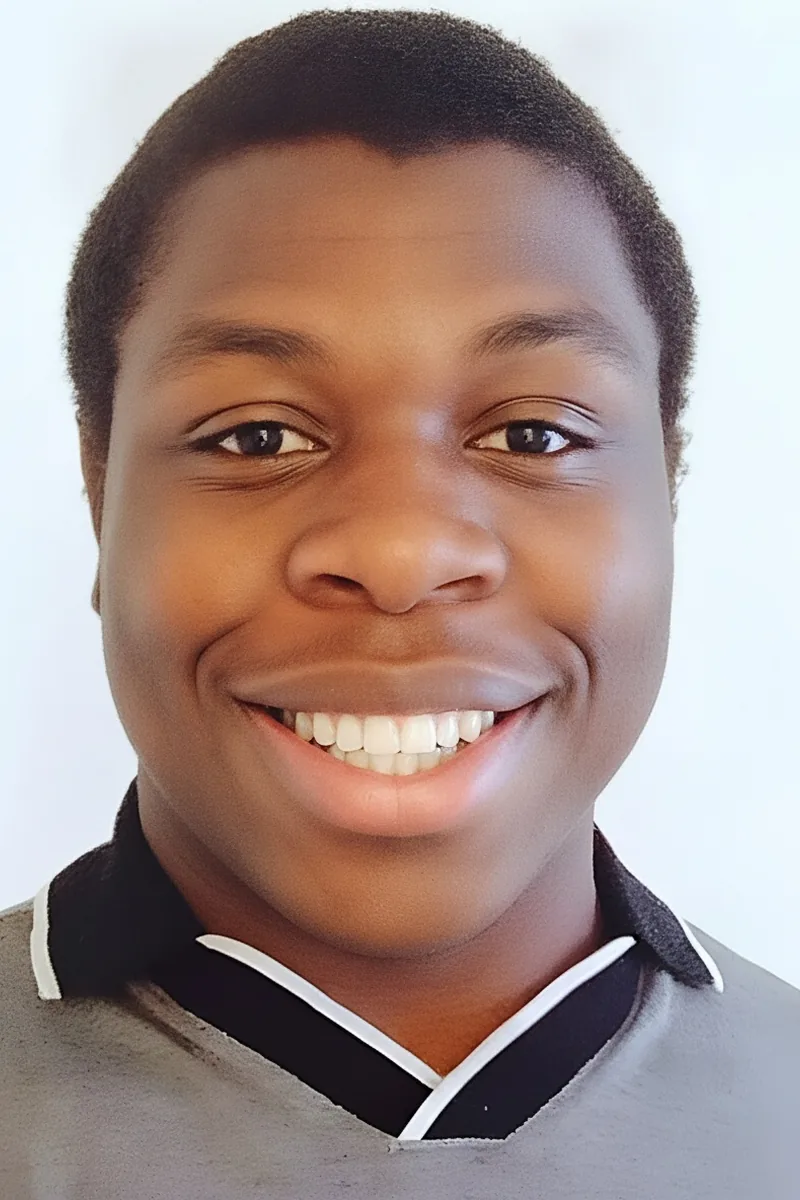
A psychology background changes the questions you ask about history — instead of memorizing what happened, Niabari digs into the social pressures, group identities, and decision-making patterns that drove events like reform movements or shifts in public policy. Her graduate work in healthcare delivery adds a concrete lens for topics where politics, science, and human behavior collide, like the history of public health or civil rights-era medical ethics. Rated 5.0 by students.
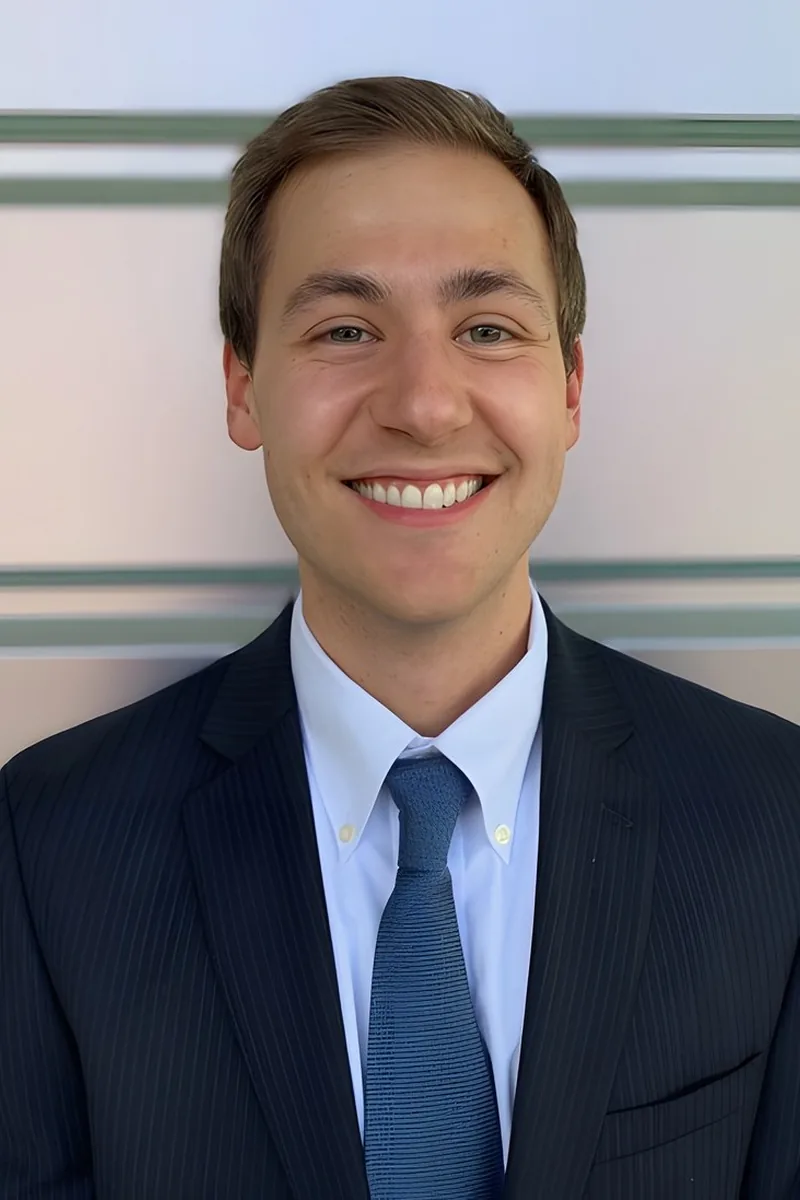
Rather than treating history as a list of dates and names, Jake digs into causation and context — why the Treaty of Versailles created the conditions for WWII, or how economic pressures shaped colonial independence movements. His background across AP US History, AP World History, and AP Comparative Government gives him a wide lens that makes cross-era connections click for students.
While history isn't Daniel's core discipline, his broad reading interests and analytical training bring a useful perspective to the subject. He approaches historical questions the same way he approaches scientific ones — examining evidence, questioning narratives, and constructing arguments that hold up under scrutiny.
I am Arizona born and raised, my education includes an NYC law school degree with an undergraduate BS degree from University of Miami. In college I majored in Health Sciences with minors in Psychology and Public Health while in law school I leaned into corporate law and finance. Between law school and college I've pretty much covered every topic under the sun! In my spare time, I enjoy reading (especially mystery novels), pretending I'm a chef, and meditating.
Engineering training builds a specific habit of mind — breaking complex systems into inputs, outputs, and feedback loops — that turns out to be surprisingly useful for understanding historical change. Alex applies that systems-thinking approach to topics like revolutions, economic shifts, and political transformations, teaching students to trace how one development triggers the next. Rated 5.0 by students.
Luke treats history less as a catalog of dates and more as a set of competing narratives that need to be evaluated. His background in organizational psychology gives him a unique lens on topics like political movements, labor history, and institutional change — areas where understanding group behavior matters as much as memorizing facts.
Strong historical thinking means doing more than recalling facts — it means evaluating sources, recognizing bias, and constructing arguments from evidence. Andrew earned his history degree at Northwestern before going to law school at Tulane, so building and critiquing evidence-based arguments is second nature to him. He teaches students to approach history the way a historian does: by asking what the sources actually prove.
Physics trains you to ask 'what caused what' — every problem is a chain of forces, constraints, and outcomes, and Sam reads historical events the same way, pulling apart the political and economic pressures behind turning points rather than treating them as standalone facts. His dual background in physics and mathematics means he's comfortable with both quantitative evidence (demographic data, trade figures) and the argumentative essay structure that history courses actually grade on. Rated 5.0 by students.
Engineering coursework at ASU's Barrett Honors College drilled one thing into Brodie that most history students never get: the habit of asking how systems work, not just what they produced. He brings that diagnostic mindset to historical essays and document analysis, pushing students to map out the political and economic mechanisms behind events rather than narrating them chronologically. Rated 5.0 by students.
Treating history as an argument rather than a list of dates changes everything about how students read primary sources and write essays. Lindsey teaches students to evaluate perspective, identify bias in documents, and build evidence-based claims — skills that transfer directly to exam prompts and research papers. Her analytical training in neuroscience sharpens the way she approaches cause-and-effect reasoning in historical contexts.
Math majors learn to build arguments step by step, where every claim depends on what came before — Leah brings that same logical scaffolding to historical writing, especially when students struggle to move from a pile of evidence to a coherent thesis. Her strength is in the organizational side: outlining cause-and-effect chains and teaching students to treat a DBQ like a proof, where each paragraph advances the argument rather than just adding more facts.
Strong history students don't just recall dates; they read a primary source and identify whose perspective is missing, what argument the author is making, and why it mattered at the time. Aaron brings that analytical lens to every session, whether the topic is the French Revolution or the Cold War. His math background at Rice also means he's comfortable walking through economic data and demographic trends that many history tutors gloss over.
Studying International Studies across two degree programs gave Hana an unusually broad command of global history — colonialism, Cold War geopolitics, revolutionary movements, and the economic forces behind them. She teaches students to read primary documents critically and construct cause-and-effect arguments that hold up under the kind of scrutiny AP and college-level exams demand.
Testimonials
Because the right History tutor makes all the difference.
Average Session Rating – Based on 3.4M Learner Ratings
Other Scottsdale Tutors
Related Social Studies Tutors in Scottsdale
Frequently Asked Questions
Varsity Tutors matches Scottsdale students with expert History tutors for 1-on-1 instruction. We pair each student with a tutor based on their specific needs, learning style, and goals.
Whether you need homework help, exam prep, or want to get ahead, our History tutors are ready to help.
Common challenges include gaps from earlier material, difficulty with specific concepts, and trouble applying learning to new problems. These issues can snowball quickly in History.
A tutor identifies where you're stuck, fills in gaps, and provides targeted practice. The 1-on-1 format means you get help exactly where you need it.
Tutors work with your student's actual coursework—homework assignments, class notes, and upcoming tests. This keeps tutoring directly relevant to what's happening in the classroom.
When you share information about your student's school and curriculum, we can match you with a tutor who has relevant experience.
All tutors complete background checks, credential verification, and teaching evaluation. Many of our History tutors hold advanced degrees or have years of teaching experience.
You can review tutor profiles to find someone with the right background for your student's level and needs.
Many students see improved grades within a few weeks, along with better understanding of History concepts and more confidence tackling challenging material.
Tutors track progress and adjust their approach to ensure continued improvement.
Most students benefit from 1-2 sessions per week. More frequent sessions help if your student is significantly behind or has an important exam coming up.
Your tutor can recommend a schedule based on your student's specific situation and goals.
Tutoring is purchased in packages of hours, with rates varying by tutor experience. Varsity Tutors offers several options to fit different budgets and needs.
You can discuss pricing during your consultation to find what works best.
Your tutor will assess where your student is, discuss goals, and start working on priority areas. Most students bring current homework or upcoming test material to focus on.
By the end, you'll have a clear sense of how the tutor can help and a plan for moving forward.
Let’s find your perfect tutor
Answer a few quick questions. We’ll recommend the right plan and match you with a top 5% tutor.