Award-Winning Special Education Tutors
serving Denton, TX
Special Education
Tutors in Denton
Private 1-on-1 tutoring, weekly live classes for academic support, test prep & enrichment, practice tests and diagnostics, and more to elevate grades and test scores.
Based on 3.4M Learner Ratings
UniversitiesSchools & Universities
DeliveredHours Delivered
ProficiencyGrowth in Proficiency
Who needs tutoring?
No obligation. Takes ~1 minute.
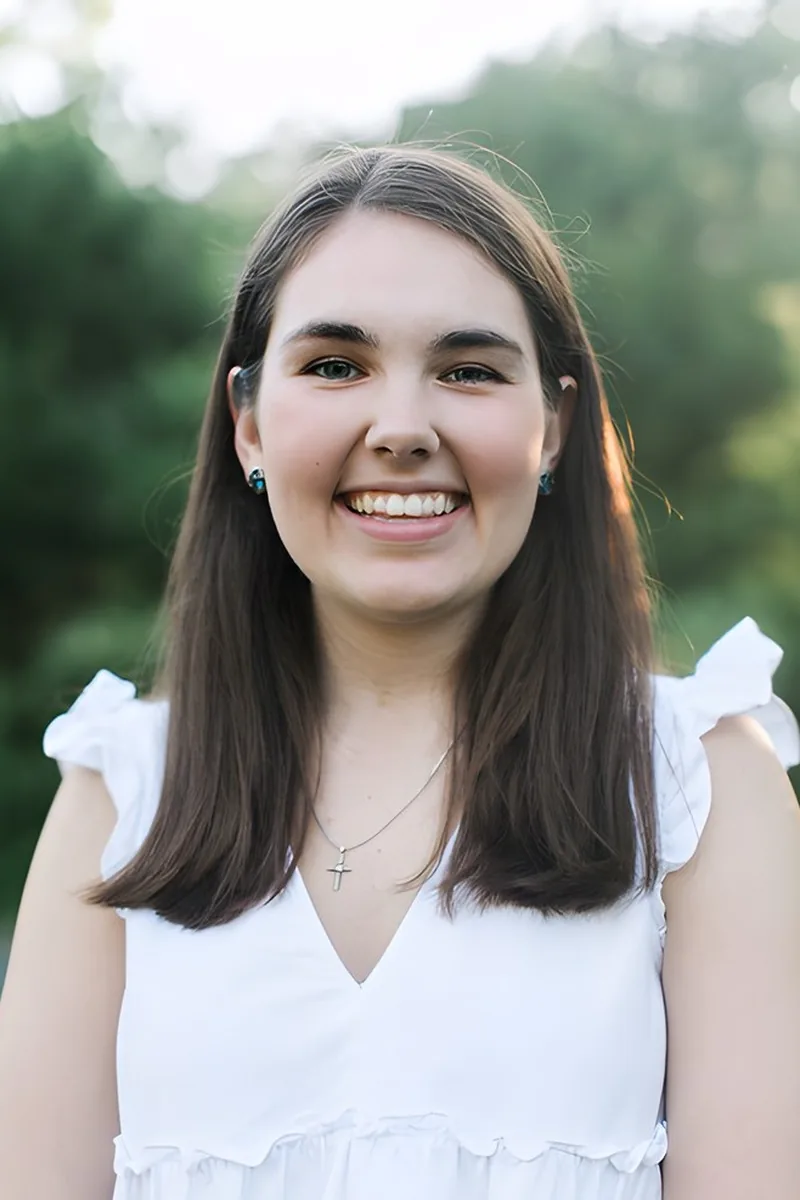
Teaching on an ESL elementary campus meant Madison regularly adapted lessons for students with vastly different learning needs, processing speeds, and communication styles. She builds individualized approaches — breaking instructions into smaller steps, using visual and auditory reinforcement, and adjusting in real time — so that each student can access the material at their own pace without feeling left behind.
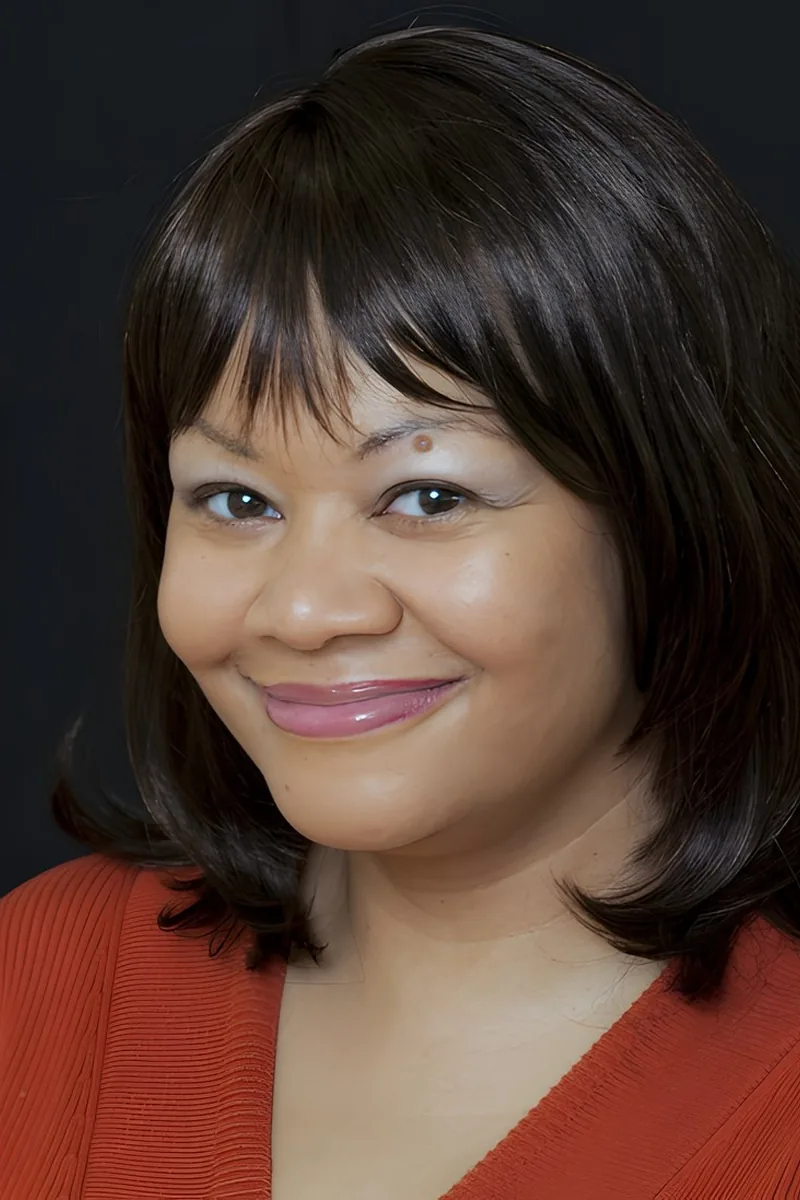
Kim's approach starts with identifying the specific barrier a student faces — whether it's processing speed, attention, or difficulty transferring skills across contexts — and then adapting instruction around it. Her background spanning anthropology and business gives her an unusually flexible toolkit for reframing concepts in ways that click for different learners. She holds a 5.0 rating across her students.
I am a graduate of UC San Diego with a Bachelors in Neuroscience through the Psychology department. After graduating, I went to Michigan Technological University and did some graduate work, before moving to Texas to be closer to my parents. I did my alternative certification program through Texas Teachers and am highly qualified to teach Science for grades 7-12. I have been a teacher in public and charter schools for the last four years, and have tutoring experience extending over ten years behind me as well.
I am a teacher who is certified in all core subjects for grades 4 through 8, Special Education, and English as a Second Language. I am eager for the opportunity to tutor you or your student, because I feel that small group instruction is the single best tool in increasing understanding. I love lesson design and as your tutor, I will be sure to work with you to create lessons that you find both engaging and effective.
Twelve years of combined elementary and special education classroom experience give Elizabeth a deep understanding of how learning differences like dyslexia, ADHD, and processing disorders actually show up in day-to-day schoolwork. Now working as an Educational Diagnostician, she identifies where a student's learning profile creates specific barriers and adapts instruction accordingly — adjusting pacing, breaking multi-step tasks into manageable pieces, and choosing strategies matched to how each learner processes information.
Holding a Texas Special Education teaching certification, Steve designs lessons around each learner's specific processing style rather than defaulting to one-size-fits-all worksheets. His approach leans heavily on multi-sensory techniques and scaffolded instructions, adjusting reading level, pacing, and task complexity so a student builds genuine confidence with the material.
Katherine is earning her Bachelor of Education in All-Level Special Education at Baylor, where she's training in differentiated instruction, IEP goal alignment, and multi-sensory teaching methods for learners with diverse needs. She adapts lessons for students with learning differences like dyslexia, ADHD, and autism spectrum disorders, building on each student's strengths to make academic content accessible. Her 4.9 client rating speaks to the trust families place in her approach.
Not every student processes information the same way, and Jennifer has spent years working with learners across the full spectrum — from profoundly gifted students to those navigating learning disabilities like dyslexia or ADHD. Her Education & Child Studies coursework at Smith grounds her in developmental frameworks, so she can identify where a student is getting stuck and reroute the explanation rather than just repeating it louder. She adapts pacing, materials, and strategies to match how each individual learner actually thinks.
Rakhi's experience spanning elementary math through college-level calculus and chemistry means she can meet a wide range of learners at their current level and adapt explanations on the fly. She breaks concepts into smaller, concrete steps — using visual models, repeated practice structures, and real-world examples — so students with different learning needs can build genuine understanding at their own pace.
Every learner processes information differently, and Vaughn's graduate training in education included designing instruction that adapts to varied cognitive and behavioral needs. He builds individualized approaches — whether that means restructuring a reading passage into smaller chunks, using visual organizers for abstract concepts, or adjusting pacing so a student can demonstrate understanding without being overwhelmed by format.
As a certified special education teacher currently running a high school behavior intervention classroom, Shaughnessy brings daily, hands-on experience with IEP-driven instruction, behavioral supports, and differentiated lesson design. She adapts academic content across subjects — particularly math, science, and reading — to match each learner's processing style and pace. That real-classroom perspective makes her tutoring practical rather than theoretical.
Navian has firsthand experience supporting a family member with autism, which shaped how he adapts explanations, pacing, and encouragement to each learner's needs. He breaks concepts into smaller, concrete steps and checks understanding frequently — building confidence alongside comprehension rather than rushing through material.
Every learner processes information differently, and Ominira's master's degree in Multicultural Education gave her deep training in adapting instruction to fit diverse cognitive and linguistic needs. She breaks down assignments into structured, manageable steps — whether that means scaffolding a reading passage or using visual models for math concepts — so students with IEPs or 504 plans can access grade-level content with confidence.
Lena's daily experience as a middle school teacher means she's practiced at adapting lessons on the fly when a student needs a different entry point into material. She breaks tasks into smaller, clearly sequenced steps and uses patient repetition and multi-sensory techniques to reinforce skills in reading, writing, and math. Her approach prioritizes building confidence alongside academic progress.
Laura's low-pressure tutoring style is deliberate, not accidental — she paces sessions around each student's comfort level and adjusts explanations on the fly when something isn't landing. Her range across math, science, reading, and writing means she can support students with diverse learning needs without constantly switching tutors. That flexibility, combined with her 5.0 rating, speaks to her ability to adapt material rather than force a one-size-fits-all approach.
Sabrina holds certification in special education and brings a classroom teacher's instinct for identifying where a lesson loses a student. She redesigns explanations on the fly — using manipulatives, visual models, or simplified language — so learners with IEPs or 504 plans can access grade-level math, reading, and writing content at their own pace.
Every learner processes information differently, and Kate's years in the classroom have sharpened her ability to adapt explanations on the fly — whether that means using visual organizers for a student with ADHD or scaffolding a reading passage into smaller chunks for someone with a processing difference. She builds lessons around each student's strengths rather than forcing a one-size-fits-all approach.
As a Vanderbilt-trained and Tennessee-licensed special educator, Megan understands the full landscape — IEP goal writing, behavior intervention plans, differentiated instruction, and the legal framework of IDEA and Section 504. She tailors her approach to each learner's profile, whether that means building phonemic awareness for a student with dyslexia or creating visual math supports for a student who processes information differently. Her 5.0 rating speaks to how well that individualized approach works.
Every learner processes information differently — some through auditory explanation, some through visual mapping, others through hands-on activity — and Harry builds each session around identifying what actually works for that student. His background in theater and education at Northwestern trained him to read an audience and adapt in real time, a skill that translates directly to adjusting pacing, modality, and complexity for students with diverse learning needs.
During high school, Kara worked consistently with a group of special needs students, learning to adapt pacing, instructions, and materials based on each learner's processing style. She carries that experience into sessions where she breaks tasks into smaller, clearly defined steps and uses repetition without making it feel repetitive. Her biology background is especially useful for explaining concepts visually and kinesthetically when traditional text-based approaches aren't working.
Annie's graduate training in counseling psychology gave her direct experience with IEPs, learning accommodations, and the cognitive frameworks behind conditions like dyslexia, ADHD, and processing disorders. She adapts lesson pacing, breaks tasks into smaller chunks, and uses multi-sensory techniques tailored to each learner's profile — not a one-size-fits-all script.
Rebecca's graduate training in social work at the University of Chicago, combined with her undergraduate psychology research, gives her a sharp understanding of how different learners process information and what accommodations actually look like in practice. She adapts pacing, breaks down multi-step instructions, and uses individualized reinforcement techniques to keep students engaged and progressing. Rated 4.9 by families she's worked with.
Ivan holds a master's degree in both General and Special Education for grades 5–9 and has taught in self-contained classrooms, Collaborative Team Teaching settings, and Resource Rooms across New York City. That range means he can adapt pacing, modify assignments, and scaffold reading or writing tasks based on each student's IEP goals and learning profile. Rated 4.8 by families he's worked with.
Testimonials
Because the right Special Education tutor makes all the difference.
Average Session Rating – Based on 3.4M Learner Ratings
Nearby Special Education Tutors
Other Denton Tutors
Frequently Asked Questions
Special education tutoring is personalized instruction designed for students with IEPs (Individualized Education Programs), learning disabilities, autism spectrum disorder, ADHD, or other educational differences. Unlike general tutoring, special education tutors are trained to work with modified curricula, use evidence-based interventions like structured literacy or applied behavior analysis, and coordinate with your child's IEP goals. Personalized 1-on-1 instruction allows tutors to adapt teaching methods, pacing, and materials to match your student's specific learning profile and needs.
During the initial session, a tutor will assess your student's current skills, learning style, strengths, and challenges—and review any existing IEP documentation or evaluation reports. This helps the tutor understand your child's specific needs and create a personalized plan aligned with their IEP goals and the Texas Essential Knowledge and Skills (TEKS) standards used in Denton schools. The tutor will also establish rapport with your student to build confidence and create a supportive learning environment.
Varsity Tutors connects you with tutors who understand IEP goals and can reinforce the skills and strategies outlined in your child's plan. Tutors can work on specific objectives—whether that's reading fluency, math computation, social-emotional skills, or executive functioning—and use the same evidence-based methods recommended by your child's school team. Communication between the tutor and your child's teachers helps ensure consistent support across home and school settings.
For students in Denton, tutors work with a wide range of challenges including dyslexia and reading difficulties, dyscalculia and math anxiety, attention and executive functioning issues, autism spectrum support, speech and language development, and social-emotional learning. Personalized instruction allows tutors to break skills into smaller steps, use multisensory approaches, provide frequent feedback, and build confidence—all strategies that research shows are particularly effective for students with learning differences.
Look for tutors with special education certification, training in evidence-based interventions (like Orton-Gillingham for reading or structured math approaches), and experience working with your student's specific disability or diagnosis. Knowledge of IEP development, familiarity with Texas education standards, and experience collaborating with school teams are also valuable. When you connect with Varsity Tutors, you can discuss your child's specific needs and get matched with a tutor whose expertise aligns with your goals.
Progress is tracked through specific, measurable goals aligned with your child's IEP—such as improved reading fluency, increased math accuracy, better task completion, or stronger social skills. Tutors use assessment tools, work samples, and regular check-ins to monitor growth and adjust instruction as needed. Many families also notice improvements in confidence, engagement, and willingness to tackle challenging tasks, which are meaningful indicators of success beyond test scores.
Yes. Denton is served by two school districts, and Varsity Tutors connects students from both with tutors who understand local curriculum standards and can support IEP goals regardless of which district your child attends. With 36 schools across the area, tutors are familiar with the different approaches and resources available and can provide consistent, personalized support aligned with your child's specific school and program.
Start by reaching out to Varsity Tutors and sharing details about your child's learning profile, IEP goals, and what you hope to accomplish. You'll be matched with a tutor who has relevant expertise and availability that works for your family. Most families schedule an initial consultation to discuss your child's needs and ensure the tutoring plan supports both school success and your family's priorities.
Let’s find your perfect tutor
Answer a few quick questions. We’ll recommend the right plan and match you with a top 5% tutor.