Award-Winning Physiology Tutors
serving Rockford, IL
Physiology
Tutors in Rockford
Private 1-on-1 tutoring, weekly live classes for academic support, test prep & enrichment, practice tests and diagnostics, and more to elevate grades and test scores.
Based on 3.4M Learner Ratings
UniversitiesSchools & Universities
DeliveredHours Delivered
ProficiencyGrowth in Proficiency
Who needs tutoring?
No obligation. Takes ~1 minute.
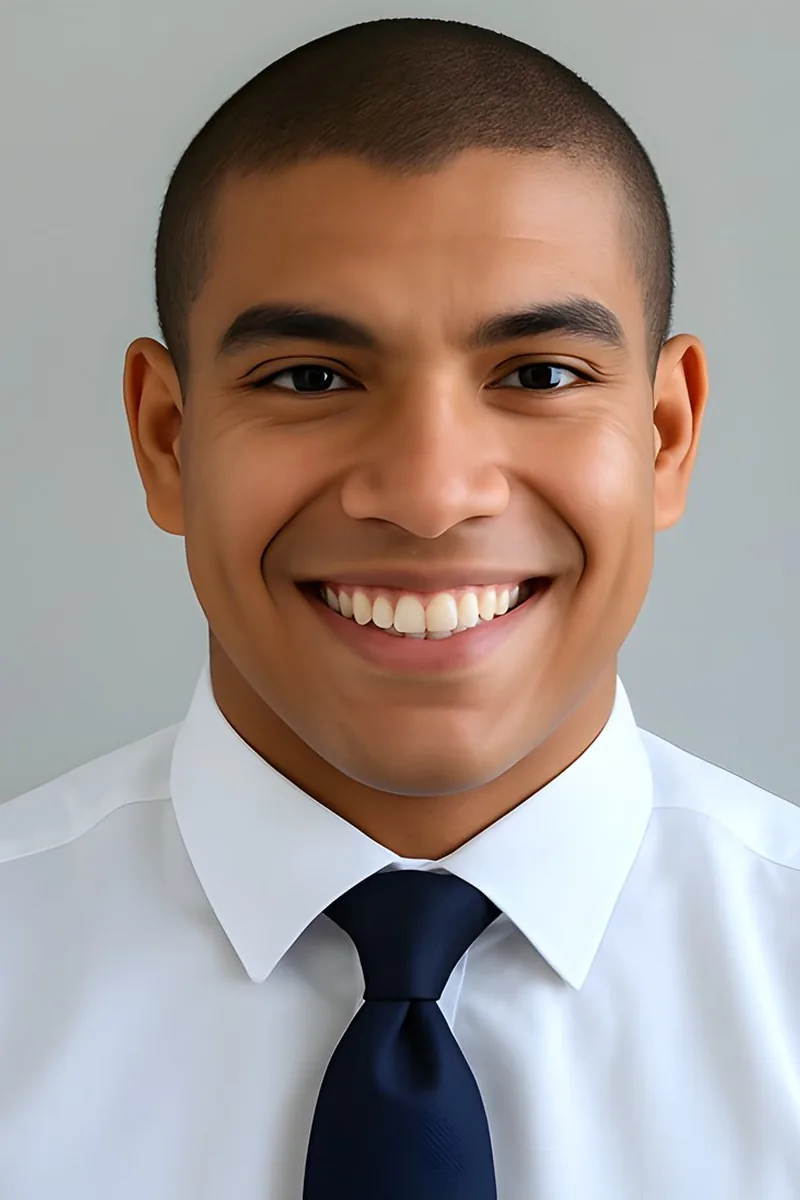
Understanding physiology means tracing cause and effect across organ systems — why a drop in blood pressure triggers the renin-angiotensin pathway, or how an action potential propagates along a myelinated axon. Jhonatan's neuroscience specialization gives him deep fluency in these mechanisms, particularly neurophysiology and cardiovascular regulation. Rated 5.0 by students, he breaks down feedback loops and membrane dynamics until they genuinely click.
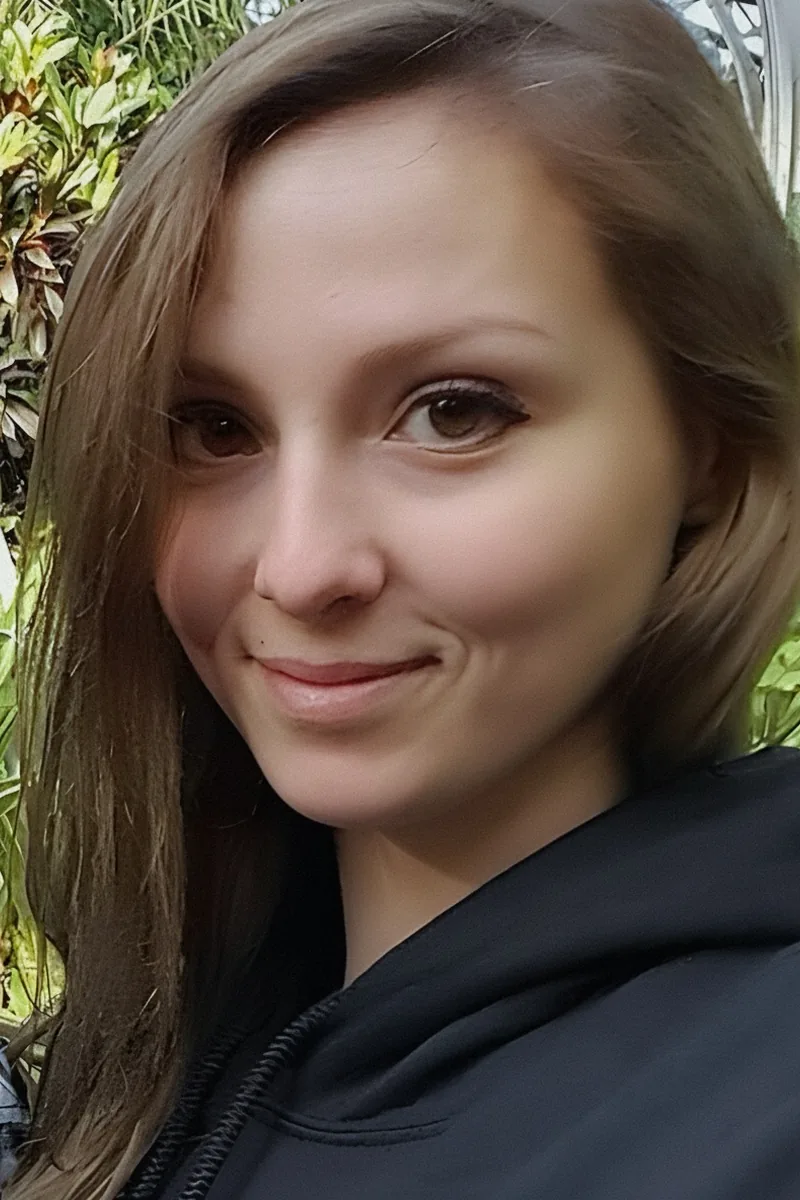
Understanding physiology means tracing cause and effect across organ systems — how a drop in blood pressure triggers the renin-angiotensin-aldosterone pathway, or how action potentials propagate along a neuron. Darya's biology degree gave her deep grounding in these mechanisms, and she uses analogies and step-by-step diagrams to make processes like cardiac output regulation and gas exchange genuinely click. She holds a 5.0 student rating.
Cardiac output equations, renal filtration, and action potentials are the kinds of topics Kurt dealt with daily in his PA program, where understanding how organ systems actually function was non-negotiable. He unpacks physiology by linking each mechanism — whether it's the Frank-Starling law or the oxygen-hemoglobin dissociation curve — back to what's happening in a real patient's body. That clinical lens makes dense material far more intuitive.
I am taking time to explore my lifelong interest in teaching. I began tutoring at the University of Notre Dame, where I worked for three years as a teaching assistant in a Cell Biology laboratory course. There, I enjoyed helping my peers understand the larger picture developing through our weekly experiments. At Loyola University Chicago, I continued to tutor a variety of subjects while earning a Master of Arts in Medical Sciences.
I am very dedicated to helping students excel in school and in helping them develop study methods and styles that work best for them and that will serve them throughout school. I previously tutored with Boys Hope Girls Hope in Evanston, IL. I tutored middle and high school students in Spanish and English, and I was able to help them develop study strategies such as using flashcards or translating a sentence they had spoken aloud that day in their heads for extra language practice. I am very excited to be able to tutor again and to work with students. There is nothing more rewarding than seeing a previously struggling student excel and to have helped them improve along the way.
I am currently a fourth year medical student in Chicago. I attended the University of Notre Dame for undergrad, where I was a double major in Chinese and pre-medicine. When I am not studying, I enjoy spending time with family, volunteering, traveling, baking, and being active. I love sharing with others the knowledge and advice I have received in my education.
I am most excited about helping other students achieve their dreams of going to medical school by helping them study for the MCAT. Besides MCAT tutoring, my favorite subjects are chemistry, biology, and math which are all subjects I have tutored in before. I believe that every student can learn the material they hope to with the right guidance and effort. I hope that I can help students realize their full potential and grow in confidence as a learner. Outside of teaching, I like to perform in musicals, most recently I have been in local productions of Mamma Mia and Footloose, as well spend time with friends.
I'm an aspiring Physician Assistant Student. I earned my Master of Biomedical Science from Midwestern University and I am a graduate of the University of Notre Dame - Go Irish! I am excited to work with you in a variety of topics from science to Spanish and GRE writing.
I am a graduate of Case Western Reserve University with a bachelor's degree in Biology and a minor in Psychology. In addition, I have graduated Northwestern University with a Master's of Science in Reproductive Science and Medicine. I have experience working as a teaching assistant in college, as well as a private tutor for for several years now. The biological sciences and human development and physiology are some of the subjects I am most passionate about learning, studying, and teaching. I also greatly enjoy Psychology, English, and other science classes as well. I am bilingual, speaking English and Russian, which has aided me in helping many students learn Spanish, as I can understand the process of learning a second language. I have experience working with students of all ages, from kindergarten though college. I used to teach figure skating to kids (both in group and one-on-one lessons) which has really helped me learn to work with kids of different ages, and how to approach different learning styles l. I think the most important part of being a tutor is being able to adapt to the different learning needs of each individual student. Everyone learns in different ways, at their own pace, and has their unique strengths and struggles, and I believe I have the ability to understand and cater to the specific needs of each student.
I'm down for trying almost anything. I also love dogs and have recently adopted my own puppy - a tri-colored, rough coat collie - and I'm having a great time raising him.
I'm a recent college student who graduated with a Bachelors in Biological Sciences from the University of Illinois in Chicago. Since graduating, I have been interested in tutoring students in subjects I feel confident in.
I'm a junior studying nursing at the University of Illinois at Chicago. I'm currently working towards a BSN degree, and hope to get a DNP (Doctorate of Nursing Practice) in the future. Nursing in itself is a very collaborative major, so my peers and I have spent a lot of time tutoring each other through our tougher courses.
I'm from the Chicago-land area! I graduated from Grand Valley State University with honors in 2017, majoring in medical laboratory science. There I received many scholarships due to my academic success and developed an appreciation for some classes I had previously disliked in high school. I changed my major two weeks into the start of freshman year, trying to avoid taking many chemistry and physics classes; But after my first week in those courses, I had a newly piqued interest. I believe it was my professors that sold me on how chemistry and physics could be fun. They were always encouraging students to ask questions, and instead of rushing through the material to meet deadlines, they made sure students understood instead of simply regurgitating. Their passion for teaching topics most shy away from, and selling me on enjoying the material myself, instilled the want to share this knowledge and teaching style with others.
I am a 2019 graduate of Marquette University in Milwaukee, Wisconsin. There, I received my Bachelor's of Science in Biomedical Sciences and Psychology. Currently, I am an optometry student at SUNY College of Optometry in Manhattan, NY. In my previous roles of statistics tutor and anatomy teaching assistant at Marquette, I enjoyed being both a mentor and friend to my students. Each day was a learning experience for me as much as it was for them, and I felt as though my impact extended far beyond the classroom. This is paralleled in how I intend to utilize my training to play the role of not only a healthcare provider to my future patients, but an educator. I find it immensely important to inform patients of the medicine and technology that can be adapted towards their visual impairments.
I am a medical student student at Stritch School of Medicine. I graduated from Saint Louis University with a major in Neuroscience and a minor in Public Health. I am from Bolingbrook, IL and graduated from Neuqua Valley High School. I have lived in 7 different cities in 18 years and love to go on road trips! I love dark chocolate and Thai food anytime, any day. My favorite subject to teach is Math, because I like to work with numbers! I strongly believe in incentives. I believe that setting small treats for each goal you reach will motivate you to do better, as long as you set your mind to it. I have a passion to teach and see others grow better as a student! I hope that as your tutor, I can help you be a more confident, successful student!
Understanding physiology means tracing cause and effect across organ systems — why a drop in blood pH triggers faster respiration, or how the nephron maintains electrolyte balance through filtration and reabsorption. Casey's bioengineering degree required deep fluency in these mechanisms, and she explains them by building each pathway step by step rather than presenting finished diagrams to memorize. She's especially strong at connecting cellular-level processes to whole-body function.
Pre-med students need to understand physiology at the systems level — how cardiac output responds to exercise, how nephrons regulate fluid balance, how neurons propagate action potentials. Jaya's coursework in genetics and cell biology gives her the molecular foundation to explain *why* these systems behave the way they do, not just describe what happens. She connects organ-level function back to the cellular mechanisms driving it, which makes the material stick.
Preparing for PA school means Jennifer lives and breathes physiology — cardiac output equations, nephron function, the mechanics of gas exchange across alveolar membranes. She teaches organ system physiology by connecting structure to function at every level, so students can reason through unfamiliar scenarios instead of relying on rote recall.
Studying kinesiology at Rice meant Tori lived in physiology — muscle contraction cascades, cardiac output regulation, renal filtration, respiratory gas exchange — for four years. She teaches these systems by tracing cause and effect through feedback loops, so students can predict what happens when one variable changes instead of memorizing isolated facts. That systems-level thinking is exactly what physiology exams reward.
Understanding physiology means tracing cause and effect through interconnected organ systems — why a drop in blood pressure triggers a specific renal response, or how ion channels drive an action potential. Jeff's molecular biology background gives him a ground-up perspective on these mechanisms, connecting molecular events to whole-body function. Rated 5.0 by students.
Teaching physiology well means connecting the molecular details — ion channels, hormone cascades, oxygen-hemoglobin dissociation — to how whole organ systems actually behave. Emad has taught physiology as an adjunct professor and brings a clinician's perspective from two medical degrees, making concepts like cardiac output regulation or renal filtration tangible rather than theoretical.
Studying physiology in dental school meant mastering everything from cardiac output equations to nerve signal propagation in the trigeminal system. Daniel unpacks organ system functions by tying each mechanism back to a clinical scenario — how the kidneys regulate blood pressure, why the sympathetic nervous system triggers specific responses — so the logic behind each process becomes memorable.
Completing premed coursework at NYU while earning a finance degree gave Hanna an unusual double fluency — she thinks about the body's regulatory systems with the same rigor she'd apply to financial models, tracing inputs, outputs, and feedback the way she'd track capital flows. That analytical habit pays off in physiology topics like hormonal feedback loops, cardiac cycle timing, and renal clearance, where students who can follow the logic outperform those who just memorize the steps. Her subsequent classroom teaching experience also means she's practiced at breaking a dense process into smaller, sequenced pieces that actually stick.
Studying physiology means understanding how organ systems actually function — why the nephron filters blood the way it does, how action potentials propagate along neurons, what drives gas exchange in the alveoli. Pooja's biology degree from UC Irvine included extensive coursework in human physiology, and she connects each mechanism to the bigger picture of homeostasis. She walks through complex pathways step by step, making dense material manageable.
A Northwestern history and economics graduate turned attorney, Andrew brings an unusual skill to physiology: the ability to build logical arguments out of complex evidence. That translates well when students need to reason through chains like how aldosterone affects sodium reabsorption in the distal tubule, or why sympathetic activation increases heart rate — he treats each mechanism as a case to construct, not a paragraph to memorize. Rated 4.9 by students.
I am also a first year medical student at the Tufts University School of Medicine in Boston. I have extensive experience with premedical classes and have taken and tutored the MCAT exam. I placed in the 97th percentile of the MCAT exam and I understand what the test takers want students to know and how to bridge the gap between knowing the material and doing well on the test. I am always excited when a student finally has that "ah-ha" moment and declares that they now can see how all of these seemingly separate scientific topics are actually all related. The MCAT no longer seems scary, but turns into a means of truly learning this material and providing a strong foundation for the future.
Understanding physiology means seeing the body as an integrated system — how cardiac output affects renal filtration, or why a drop in blood pH triggers a respiratory response. Thomas earned his MD and MPH, which means he teaches organ-system physiology with the clinical context that makes abstract mechanisms click. His 5.0 rating speaks to how well that approach lands with students.
Testimonials
Because the right Physiology tutor makes all the difference.
Average Session Rating – Based on 3.4M Learner Ratings
Nearby Physiology Tutors
Other Rockford Tutors
Related Science Tutors in Rockford
Frequently Asked Questions
Varsity Tutors matches Rockford students with expert Physiology tutors for 1-on-1 instruction. We pair each student with a tutor based on their specific needs, learning style, and goals.
Whether you need homework help, exam prep, or want to get ahead, our Physiology tutors are ready to help.
Common challenges include gaps from earlier material, difficulty with specific concepts, and trouble applying learning to new problems. These issues can snowball quickly in Physiology.
A tutor identifies where you're stuck, fills in gaps, and provides targeted practice. The 1-on-1 format means you get help exactly where you need it.
Tutors work with your student's actual coursework—homework assignments, class notes, and upcoming tests. This keeps tutoring directly relevant to what's happening in the classroom.
When you share information about your student's school and curriculum, we can match you with a tutor who has relevant experience.
All tutors complete background checks, credential verification, and teaching evaluation. Many of our Physiology tutors hold advanced degrees or have years of teaching experience.
You can review tutor profiles to find someone with the right background for your student's level and needs.
Many students see improved grades within a few weeks, along with better understanding of Physiology concepts and more confidence tackling challenging material.
Tutors track progress and adjust their approach to ensure continued improvement.
Most students benefit from 1-2 sessions per week. More frequent sessions help if your student is significantly behind or has an important exam coming up.
Your tutor can recommend a schedule based on your student's specific situation and goals.
Tutoring is purchased in packages of hours, with rates varying by tutor experience. Varsity Tutors offers several options to fit different budgets and needs.
You can discuss pricing during your consultation to find what works best.
Your tutor will assess where your student is, discuss goals, and start working on priority areas. Most students bring current homework or upcoming test material to focus on.
By the end, you'll have a clear sense of how the tutor can help and a plan for moving forward.
Let’s find your perfect tutor
Answer a few quick questions. We’ll recommend the right plan and match you with a top 5% tutor.