Award-Winning Phonics Tutors
serving Houston, TX
Phonics
Tutors in Houston
Private 1-on-1 tutoring, weekly live classes for academic support, test prep & enrichment, practice tests and diagnostics, and more to elevate grades and test scores.
Based on 3.4M Learner Ratings
UniversitiesSchools & Universities
DeliveredHours Delivered
ProficiencyGrowth in Proficiency
Who needs tutoring?
No obligation. Takes ~1 minute.

Understanding how the brain processes language isn't just theory for Giovanna — her Penn degree in Cognitive Neuroscience covered the science behind how children learn to decode words. She applies that knowledge to phonics instruction, teaching letter-sound relationships, blending, and digraphs in a systematic way that builds real reading fluency.
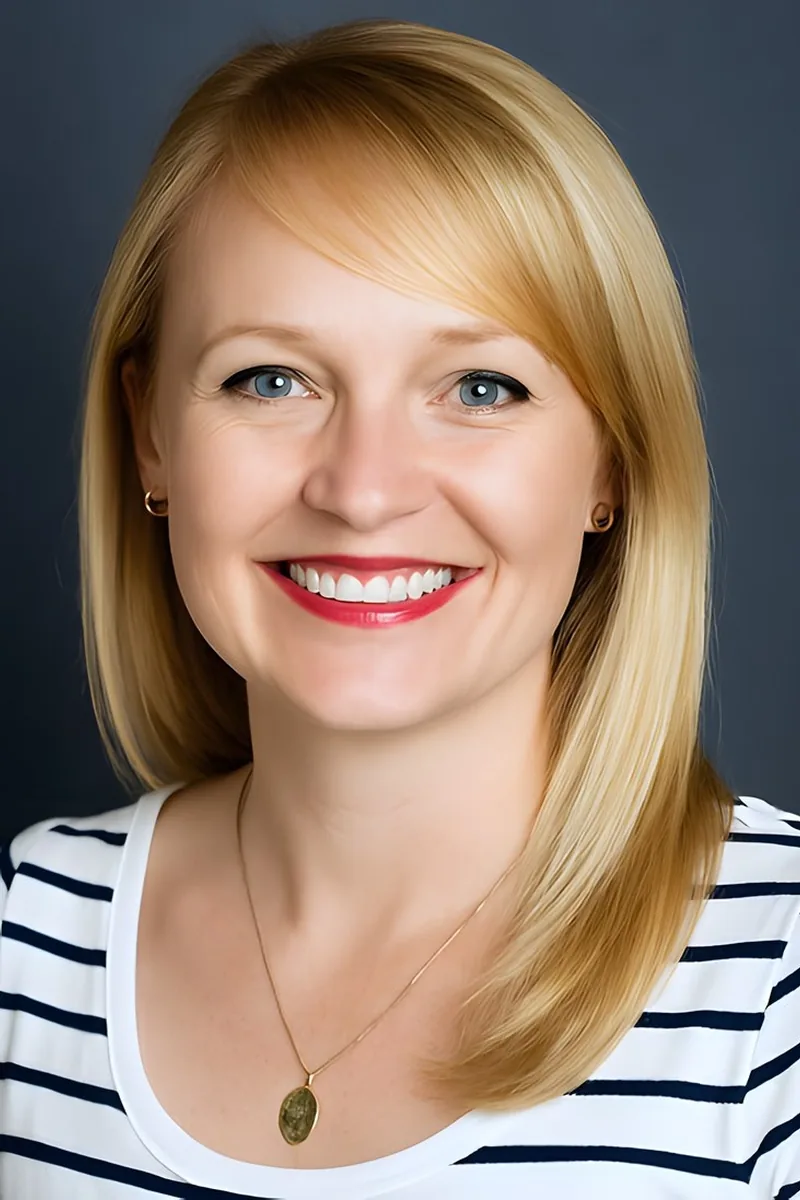
Early reading starts with sounds — blending consonants, recognizing vowel patterns, decoding unfamiliar words one syllable at a time. Sarah's Child Development degree from Vanderbilt gave her a strong understanding of how young children acquire language, which shapes how she sequences phonics instruction. She keeps sessions playful and repetitive in the right ways, so letter-sound connections become automatic rather than forced.
Teaching Pre-K through 5th grade for years means JeKaya has watched hundreds of early readers move from recognizing individual letter sounds to blending them into words — and she knows exactly where that process tends to stall, whether it's vowel teams or tricky consonant clusters. Her master's in education and ESL/ELL experience also sharpen her ability to teach sound-letter mapping to children whose home language may not share English's vowel system.
Joyce holds certifications in both ESL and EC-6 instruction, which means she's trained in systematic phonics methods — blending, segmenting, and decoding — for native English speakers and multilingual learners alike. She breaks letter-sound relationships into manageable patterns so early readers build real decoding fluency, not just sight-word memorization.
Early readers need someone patient enough to sit with the mechanics of how letters map to sounds — blending consonant clusters, recognizing vowel teams, decoding unfamiliar words syllable by syllable. Logan brings a methodical, encouraging approach to phonics instruction, building each skill in sequence so young learners gain genuine confidence with new words.
I am a teacher who is certified in all core subjects for grades 4 through 8, Special Education, and English as a Second Language. I am eager for the opportunity to tutor you or your student, because I feel that small group instruction is the single best tool in increasing understanding. I love lesson design and as your tutor, I will be sure to work with you to create lessons that you find both engaging and effective.
Mostafa's engineering background trained him to break systems into logical components — a habit that carries over when he teaches young readers how individual sounds map to letters and combine into decodable words. His broad reading practice (he works through roughly a book a week) keeps him fluent in the quirks of English spelling, from silent-e patterns to unexpected vowel teams, so he can explain the logic behind rules that often feel arbitrary to early readers.
Brody's linguistics coursework and triple science degree gave him a detailed understanding of how the brain processes language — from how sounds are perceived and categorized to how children learn to map those sounds onto written symbols. He applies that neuroscience lens to phonics by breaking letter-sound relationships into concrete, sequential steps that make decoding feel systematic rather than overwhelming. His experience teaching Spanish and French also sharpens his ear for the specific vowel and consonant patterns that trip up English learners.
Early readers need to hear the logic inside English spelling — why 'ph' makes an /f/ sound, how silent-e changes a vowel, what happens when consonant blends appear at the start of a word. Shivani uses systematic decoding practice that builds letter-sound connections young learners can apply independently to unfamiliar words.
Learning to read starts with connecting sounds to letters, and that connection needs to feel natural rather than mechanical. Kate uses multisensory techniques — pairing letter sounds with movement, songs, and stories — to teach blending, segmenting, and sight-word recognition in ways that stick with young learners.
Early readers need someone who can make the connection between letters and sounds feel intuitive, not mechanical. Angela pairs her deep knowledge of the English language — she holds two English degrees from Rice University — with patient, repetitive practice on blending, segmenting, and sight-word recognition. Her 4.8 rating speaks to how comfortable young learners feel in her sessions.
Early readers need to hear the logic inside English spelling — why 'ph' sounds like 'f,' or how a silent 'e' changes a vowel from short to long. Polliann makes these patterns tangible through games, repetition, and real words kids actually encounter. Her patient, creative style keeps young learners engaged through the trickiest blends and digraphs.
Early readers need someone who can make the connection between letters and sounds feel intuitive rather than mechanical. Frances brings patience and structure to phonics instruction, breaking down blends, digraphs, and vowel patterns into small, repeatable steps that build real decoding confidence. Her background as a voracious reader and English major means she understands where these foundational skills are headed.
Teaching phonics at Kumon and through AmeriCorps gave Emily hands-on experience with early readers at every stage, from letter-sound correspondence to blending multisyllabic words. She uses repetition and wordplay to make decoding feel like a game rather than a chore, building the kind of automatic recognition that turns sounding-out into fluent reading.
Early readers need to hear and manipulate individual sounds before printed words start making sense. Sonya teaches phonemic awareness skills like blending and segmenting alongside letter-sound correspondences, building the decoding ability that turns sounding out words into fluent reading. Her biology background gives her patience with incremental progress — she understands that learning is a process with real, measurable stages.
I am an Atlanta native. I hold an undergraduate degree in Business from Tennessee State University and graduated degree in Education from Cambridge College. I am a Georgia and Texas certified teacher. I have always enjoyed working with kids. I have taught kindergarten, first, second and fourth grade. I am a hard-worker, team player and passionate about my students succeeding in whatever they set their minds too. I currently hold endorsements in K-5 Mathematics, Teacher Support Specialist, and ESOL (English for Speakers of Other Languages). I am able to provide instruction that meets the needs of all students. I have the ability to differentiate instruction so that I cater to all learning styles and levels.
Early readers need to hear the logic inside words — why 'ph' sounds like 'f,' how a silent 'e' changes a vowel from short to long. Kim teaches phonemic awareness through systematic decoding practice, building the kind of letter-sound fluency that turns sounding out words into confident, automatic reading.
Years of ESL teaching at the elementary level gave Madison firsthand experience with how phonics instruction actually works in practice — blending, segmenting, and decoding unfamiliar words one sound at a time. She knows which letter patterns trip kids up most (silent e rules, vowel teams, r-controlled vowels) and uses repetition and word-building games to make those patterns stick. Her patience with early readers shows in her 4.9 rating.
John's graduate training in linguistics gives him a detailed understanding of how English sounds actually map to letters — the inconsistencies, the patterns, and the rules that make decoding click. He breaks down blends, digraphs, and vowel teams in a way that builds real reading independence rather than rote memorization.
As the oldest of five siblings, Nathan started teaching letter-sound relationships long before he became a formal tutor. He takes a systematic approach to phonics, building from individual consonant and vowel sounds through blends, digraphs, and multisyllabic decoding so young readers gain real independence with unfamiliar words.
Before pursuing her master's in education, Kathleen spent a year as a K-2 literacy tutor, teaching early readers to decode words through systematic phonics instruction — blending, segmenting, and recognizing vowel patterns. She knows that phonemic awareness isn't just sounding out letters; it's building the auditory wiring that makes fluent reading possible. Her 5.0 rating speaks to how well young learners respond to her encouraging, structured approach.
Kristina's ESL/ELL teaching background gives her firsthand experience with learners who need to build sound-letter connections from the ground up — the same skill set at the heart of phonics. She approaches decoding by linking each new letter pattern to spoken language the student already knows, making unfamiliar spelling rules feel logical. Rated 5.0 by students.
Early reading clicks when a child can hear the difference between a short vowel and a long one, or blend consonant clusters without hesitation. Natalie's English training at Rice gives her a deep understanding of how language works at the structural level, and she applies that knowledge to make phonics instruction logical and consistent rather than rote.
Blending, segmenting, and decoding unfamiliar words are skills Elizabeth has taught to hundreds of early readers across her twelve-year career in elementary and special education. Her diagnostic expertise means she can quickly identify whether a child struggles with vowel teams, consonant blends, or syllable patterns — and target instruction right at that breakdown point. She's rated 5.0 by families.
Early readers need to crack the code between letters and sounds before anything else clicks — blending consonant clusters, recognizing long and short vowel patterns, decoding multisyllabic words. MiMi breaks phonics into small, repeatable steps and uses plenty of read-aloud practice so kids build confidence alongside accuracy. Her patience and structured approach keep young learners engaged without overwhelming them.
Sounding out words is the gateway to independent reading, and Ehigbor approaches phonics by connecting letter patterns to the sounds students already know from speech. She walks through blends, digraphs, and vowel teams in a structured sequence that builds decoding confidence one skill at a time.
Neuroscience coursework gave Arlin a detailed understanding of how the brain processes language — specifically how auditory processing and visual symbol recognition work together when a child learns to map sounds onto letters. He applies that knowledge to phonics by breaking down why certain letter-sound pairings feel intuitive to young readers and why others need more repetition and multisensory reinforcement. Rated 4.8 by clients.
Learning to decode words means mastering the relationship between letters and sounds — blending consonant clusters, recognizing long and short vowel patterns, and building the confidence to tackle unfamiliar words. Richard uses his background in reading and writing to break phonics rules into small, repeatable steps that young readers can practice until they click.
Early reading depends on a child connecting sounds to letters in a predictable, confidence-building sequence. Hanna's background in counseling psychology gives her insight into how young learners process frustration and build self-efficacy, so she pairs systematic phonics instruction — blending, segmenting, decoding CVC words — with encouragement strategies that keep kids willing to try the next word.
Certified in both Language Arts and Special Education in Texas, Steve approaches phonics instruction with an understanding that decoding skills develop differently for every learner. He breaks down letter-sound relationships, blending, and syllable patterns using structured, multi-sensory techniques that build real fluency rather than rote repetition.
Learning to decode words is one of the most important skills a young reader can develop, and Nina brings a structured, patient approach to phonics instruction — from letter-sound correspondence to blending and segmenting multisyllabic words. Her experience tutoring younger students means she knows how to keep lessons engaging while systematically building reading fluency.
Learning to read starts with cracking the code — blending consonant clusters, recognizing long and short vowel patterns, and decoding unfamiliar words syllable by syllable. Katherine's special education training at Baylor gives her a toolkit of multisensory techniques for teaching letter-sound relationships, so each learner can build reading skills at their own pace.
Nathania breaks phonics instruction into clear, repeatable steps — blending consonant clusters, recognizing vowel teams, and decoding multisyllabic words — so that emerging readers build real confidence with each lesson. Her psychology training informs how she sequences skills and keeps young learners engaged without frustration.
Early readers need to hear and feel the connection between letters and sounds before fluency can take off. Hannah's years directing child care programs gave her hands-on experience teaching letter blends, digraphs, and vowel patterns to young learners at every stage of phonemic awareness. She keeps lessons playful and multisensory so decoding becomes instinctive.
Strong reading starts with the ability to decode words confidently, and phonics gives young learners that toolkit. Brianna has tutored students from elementary school through college and knows how to make letter-sound relationships stick through repetition, games, and structured practice with blends, digraphs, and vowel patterns.
Early readers need to hear how letters map to sounds before they can decode words on their own — and that connection doesn't always come naturally. Karen teaches phonemic awareness through blending, segmenting, and hands-on word-building exercises that turn letter patterns into recognizable, speakable words.
A linguistics degree means Gabriele studied phonology — the systematic rules governing how sounds function in language — which gives her a technical framework for explaining why English letter-sound correspondences behave the way they do, even when they seem irregular. She breaks decoding down through the lens of sound patterns and morphological structure, connecting digraphs and vowel teams to broader principles that make spelling rules feel less arbitrary for young readers. Rated 5.0 by clients.
Frances's primary strength is in literature and writing — she holds a master's in Humanities and a bachelor's in English — but her ESL/ELL and adult literacy experience means she's spent real time teaching people how English sounds map to letters and spelling patterns. That work with learners building reading skills from scratch translates naturally to phonics instruction, where she breaks down vowel combinations and consonant rules with the same precision she brings to sentence-level grammar. Rated 5.0 by clients.
Working daily in a behavior intervention classroom, Shaughnessy knows how to teach letter-sound relationships to students who need more structure, more patience, and a different approach than typical instruction provides. Her special education certification means she can break blending and segmenting into smaller, more concrete steps — adjusting pacing and reinforcement strategies for learners who struggle with attention, frustration, or processing speed.
I am extremely proficient in math subjects including geometry, algebra, pre-calculus - I've been in AP classes/ Honors classes my entire life and have excelled most in math.
Testimonials
Because the right Phonics tutor makes all the difference.
Average Session Rating – Based on 3.4M Learner Ratings
Nearby Phonics Tutors
Other Houston Tutors
Related English Tutors in Houston
Frequently Asked Questions
Phonics is the method of teaching students to read by connecting letters and letter combinations with their sounds, then blending those sounds to form words. It's a foundational skill that helps children decode unfamiliar words independently and builds confidence in reading. Strong phonics skills in early grades set the stage for fluency, comprehension, and a lifelong love of reading.
Many students struggle with letter-sound correspondence, blending sounds together, or understanding irregular words that don't follow typical phonics patterns. Some children also have difficulty with phonemic awareness—the ability to hear and manipulate individual sounds in words—which is essential before phonics instruction becomes effective. Others may progress at a different pace than their classroom peers, making it hard to keep up with grade-level expectations.
In a classroom with a 16.3:1 student-teacher ratio like Houston's average, teachers must pace instruction for the whole group, which means some students fall behind while others get bored. Personalized 1-on-1 instruction allows tutors to assess exactly where a student is struggling—whether it's initial consonant sounds, vowel patterns, or blending—and tailor lessons to their learning style and pace. This targeted approach helps students catch up quickly or move ahead without waiting for the rest of the class.
Phonics instruction is most critical in kindergarten through second grade, when students are building foundational decoding skills. However, older students who missed these foundations or struggle with reading fluency can also benefit significantly from phonics tutoring. Even students in upper elementary or middle school who have gaps in phonics knowledge often see dramatic improvements in reading speed and comprehension with targeted instruction.
Varsity Tutors connects you with tutors who understand the phonics approaches used across Houston's 45 school districts, including structured literacy programs and balanced literacy frameworks. Tutors can work alongside your child's classroom instruction, reinforcing what they're learning in school or filling gaps from earlier grades. They'll also communicate with you about progress so you can support learning at home.
With consistent, personalized instruction, many students show noticeable improvement in sound recognition and blending within 4-6 weeks. Reading fluency and confidence typically improve over 2-3 months as students apply phonics skills to real reading. The timeline depends on the student's starting point and frequency of tutoring, but most families notice their child becoming more independent and enthusiastic about reading relatively quickly.
The first session is an assessment and relationship-building meeting. A tutor will observe your child reading, listen for specific phonics challenges, and ask about their reading history and interests. This helps the tutor create a customized plan that targets your child's exact needs while keeping lessons engaging and fun. You'll also discuss goals and get a sense of how the tutor works with your child.
Varsity Tutors connects you with expert tutors in the Houston area who specialize in phonics and early reading instruction. After you tell us about your child's age, grade, and specific challenges, we match them with a tutor whose expertise and teaching style fit their needs. You can start with a single session to see if it's a good fit, then build a tutoring plan from there.
Let’s find your perfect tutor
Answer a few quick questions. We’ll recommend the right plan and match you with a top 5% tutor.