Award-Winning Economics Tutors
serving Anaheim, CA
Economics
Tutors in Anaheim
Private 1-on-1 tutoring, weekly live classes for academic support, test prep & enrichment, practice tests and diagnostics, and more to elevate grades and test scores.
Based on 3.4M Learner Ratings
UniversitiesSchools & Universities
DeliveredHours Delivered
ProficiencyGrowth in Proficiency
Who needs tutoring?
No obligation. Takes ~1 minute.
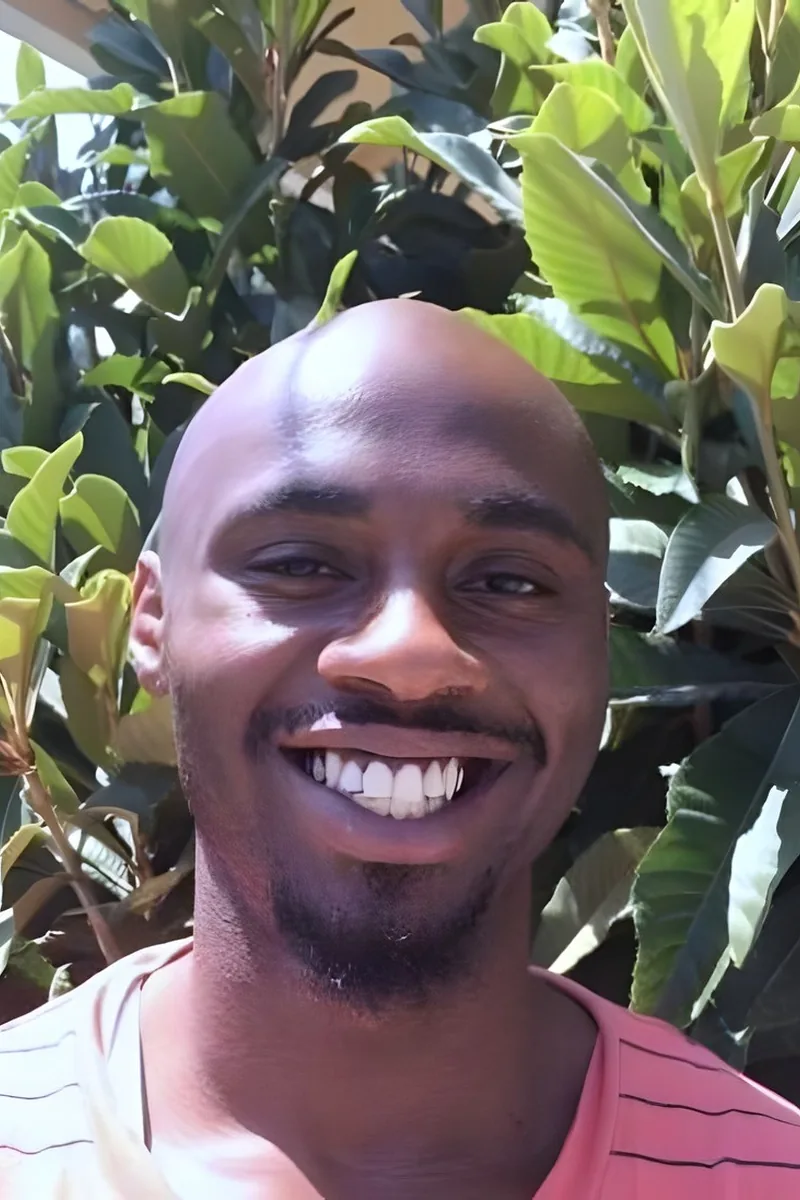
Caltech's economics program is heavily quantitative — Brian's coursework there meant building economic models with real calculus and statistical tools, not just sketching supply-and-demand curves. His computer science double major adds a computational edge that's particularly useful for students tackling game theory, optimization problems, or any econ course where the math suddenly gets serious. His 1580 SAT reflects the kind of analytical precision he brings to breaking down dense material.

Supply and demand curves are deceptively simple until students have to apply them to price ceilings, tax incidence, or market failures. Milan approaches economics the way he approaches code: by tracing the logic step by step and identifying exactly where an argument breaks down or a graph shifts.
Jacob's accounting coursework at both the undergraduate and graduate level means he doesn't just understand supply-and-demand diagrams — he can connect microeconomic theory to actual financial statements and business decisions. He digs into concepts like elasticity, market structures, and GDP accounting with the quantitative rigor that makes economics click.
I'm an affable chemistry-loving person whose joy come from delivering knowledge :D
Jack earned his economics degree at Northwestern, where he studied everything from game theory to monetary policy in both micro and macro contexts. He connects abstract models — supply and demand curves, GDP calculations, elasticity — to real-world scenarios that make the reasoning behind each graph intuitive rather than mechanical.
Studying economics at Penn while simultaneously completing a music degree meant Katherine had to internalize models quickly — there wasn't time to passively reread chapters on elasticity or game theory when rehearsals and problem sets competed for the same hours. That efficiency now shows up in her tutoring, where she zeroes in on the specific graph, equation, or intuition a student is missing and builds understanding from there. Her 1550 SAT speaks to the analytical sharpness she brings to quantitative econ topics.
Carter earned his economics degree at Brown and then taught game theory to advanced middle school students at a Johns Hopkins CTY program in Hong Kong — so he knows how to make concepts like Nash equilibria, marginal analysis, and market structures click for learners at very different levels. He connects economic models to real decisions rather than leaving them as abstract graphs. His approach digs into the intuition behind supply-and-demand shifts, elasticity, and welfare analysis so the math and the logic reinforce each other.
Supply and demand curves are simple enough on the surface, but the real challenge is applying them — shifting curves correctly, interpreting elasticity, or reasoning through market failures. Benjamin's Economics degree from Notre Dame gave him deep fluency with both micro and macro frameworks, and he teaches students to think through cause-and-effect chains rather than memorize graph shapes.
Noah's political science background at Penn gave him serious exposure to economic policy — trade theory, fiscal policy debates, and how markets interact with government institutions. He teaches economics as a way of thinking about tradeoffs and incentives, connecting supply-and-demand models to real policy questions students actually care about.
Few economics tutors can explain supply-and-demand curves AND describe how those models play out inside a trading floor at Goldman Sachs or a policy meeting at the World Bank. Denise earned her B.S. in Economics from Wharton and her master's in International Finance and Economic Policy from Columbia, giving her the depth to teach everything from microeconomic theory and market structures to macroeconomic policy and international trade with real-world fluency.
Joshua earned his bachelor's in Economics and International Studies, which means he learned economic concepts — trade theory, exchange rates, development policy — through the lens of how they actually shape relationships between countries. That global perspective is especially useful for students who need to connect microeconomic and macroeconomic models to the messy reality of international markets and policy decisions.
Shreya's AP Micro and AP Macro teaching experience means she knows exactly where students get tripped up — confusing movement along a curve with a shift, or mixing up fiscal and monetary policy tools. Her molecular biology coursework at Yale loaded her schedule with statistics and quantitative reasoning, so she's comfortable walking through the graphs and mathematical models that make economics click. Rated 5.0 by her students.
A chemistry degree might seem unrelated to economics, but David's background in thermodynamics and systems thinking translates directly to how he teaches concepts like equilibrium pricing and efficiency — both fields are built on modeling how complex systems respond to changing conditions. His master's in entrepreneurial studies adds a practical dimension, connecting micro topics like cost structures and market entry to the startup decisions where those models actually get tested. Rated 4.9 by his students.
Studying economics at Yale means Conor is working through the same problem sets, models, and exam formats that many of his students are currently facing — from micro concepts like elasticity and market structures to macro topics like GDP accounting and monetary policy. That proximity to the material, paired with a 1590 SAT that signals serious quantitative chops, makes him especially sharp at walking through the graphs and algebra that tend to separate students who memorize definitions from those who actually understand how economic models work.
Applying to PhD programs in applied mathematics means Romeo lives in the quantitative world that most economics students find intimidating — the calculus behind marginal analysis, the optimization problems in consumer and producer theory, the statistical models that underpin econometric reasoning. His math degree and 1510 SAT give him the analytical toolkit to break down the equations hiding inside economic concepts, making the transition from intuitive supply-and-demand reasoning to formal modeling feel far less daunting.
With an economics degree and a 5.0 client rating, Ryan brings both academic grounding and clear communication to topics like elasticity, market failures, and the mechanics of supply-and-demand shifts. He also teaches finance and accounting, which means he can show students how microeconomic reasoning actually translates into business decisions — making abstract models feel like practical tools rather than exam fodder.
Testimonials
Because the right Economics tutor makes all the difference.
Average Session Rating – Based on 3.4M Learner Ratings
Nearby Economics Tutors
Other Anaheim Tutors
Related Business Tutors in Anaheim
Frequently Asked Questions
Varsity Tutors matches Anaheim students with expert Economics tutors for 1-on-1 instruction. We pair each student with a tutor based on their specific needs, learning style, and goals.
Whether you need homework help, exam prep, or want to get ahead, our Economics tutors are ready to help.
Common challenges include gaps from earlier material, difficulty with specific concepts, and trouble applying learning to new problems. These issues can snowball quickly in Economics.
A tutor identifies where you're stuck, fills in gaps, and provides targeted practice. The 1-on-1 format means you get help exactly where you need it.
Tutors work with your student's actual coursework—homework assignments, class notes, and upcoming tests. This keeps tutoring directly relevant to what's happening in the classroom.
When you share information about your student's school and curriculum, we can match you with a tutor who has relevant experience.
All tutors complete background checks, credential verification, and teaching evaluation. Many of our Economics tutors hold advanced degrees or have years of teaching experience.
You can review tutor profiles to find someone with the right background for your student's level and needs.
Many students see improved grades within a few weeks, along with better understanding of Economics concepts and more confidence tackling challenging material.
Tutors track progress and adjust their approach to ensure continued improvement.
Most students benefit from 1-2 sessions per week. More frequent sessions help if your student is significantly behind or has an important exam coming up.
Your tutor can recommend a schedule based on your student's specific situation and goals.
Tutoring is purchased in packages of hours, with rates varying by tutor experience. Varsity Tutors offers several options to fit different budgets and needs.
You can discuss pricing during your consultation to find what works best.
Your tutor will assess where your student is, discuss goals, and start working on priority areas. Most students bring current homework or upcoming test material to focus on.
By the end, you'll have a clear sense of how the tutor can help and a plan for moving forward.
Let’s find your perfect tutor
Answer a few quick questions. We’ll recommend the right plan and match you with a top 5% tutor.