Award-Winning AP Art History Tutors
serving Bremerton, WA
AP Art History
Tutors in Bremerton
Private 1-on-1 tutoring, weekly live classes for academic support, test prep & enrichment, practice tests and diagnostics, and more to elevate grades and test scores.
Based on 3.4M Learner Ratings
UniversitiesSchools & Universities
DeliveredHours Delivered
ProficiencyGrowth in Proficiency
Who needs tutoring?
No obligation. Takes ~1 minute.

A Yale-trained art historian with a degree in Art History, Criticism, and Conservation, Moses brings the exact academic background this exam was designed to test — he can unpack how conservation practices and critical theory shape the way we interpret works across the 250-image set. He's particularly strong on teaching students to move from identifying formal elements to building the kind of contextual arguments the free-response questions reward. Rated 5.0 by students.
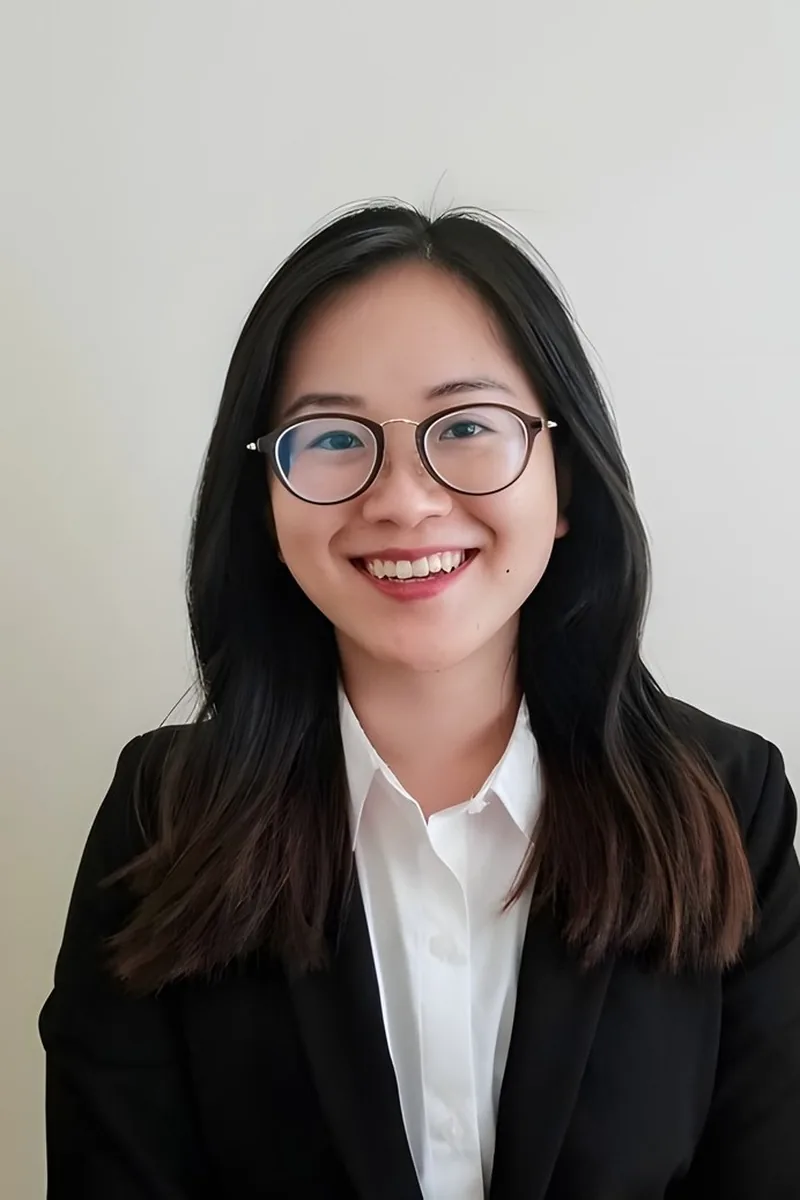
An accounting background might seem far from art history, but Amy's economics training at Purdue taught her to analyze how trade, wealth, and patronage systems shaped artistic production — exactly the kind of contextual thinking the AP Art History exam rewards. She pairs that with a genuine love of art and reading to teach students how to connect works from the 250-image set to the economic and cultural forces behind them.
Studying art history at Vanderbilt means Elena doesn't just recognize a Bernini sculpture or a Mughal miniature — she can explain the cultural, religious, and political contexts that produced them. AP Art History covers 250 required works spanning global traditions, and Elena teaches students to analyze visual evidence using formal vocabulary like contrapposto, chiaroscuro, and iconography. She turns what feels like overwhelming memorization into a set of analytical patterns.
Currently pursuing degrees in Art Education, Art History, and Community Arts at Temple, Madeleine is studying the very material this exam covers — she's immersed daily in the visual analysis, cultural contextualization, and critical frameworks that drive the 250-image set. That community arts focus also gives her a practical understanding of how art functions within social and institutional spaces, which sharpens her teaching on the exam's questions about patronage, audience, and purpose.
Iris's University of Chicago training in both Anthropology and History and Philosophy of Science means she naturally reads artworks as cultural artifacts — asking what a Jowo Rinpoche statue or a Ndop figure reveals about the society that produced it, which is exactly the kind of cross-cultural contextual thinking the AP Art History exam tests. She's especially well-suited to the Global Prehistory and Indigenous Americas content areas where anthropological knowledge turns unfamiliar works into readable arguments about ritual, power, and identity.
Kelly's French degree might seem like an odd fit for AP Art History, but language training builds exactly the close-reading and cultural-context skills the exam's free-response essays demand — she knows how to teach students to analyze a work's function within a specific society rather than just describe what they see. Her international travel across multiple countries also gives her firsthand familiarity with art and architecture that many students only encounter as slides.
Having earned a degree in both Studio Art and English, Julia sits at the exact intersection AP Art History tests — she knows what it means to make art and can articulate in writing why formal choices matter within cultural and historical contexts. She's especially strong on teaching students how to translate close visual observation into the kind of evidence-based prose the free-response questions reward.
Most students walk into AP Art History expecting a slide-memorization marathon and quickly discover the exam actually tests contextual analysis — explaining how a Benin bronze reflects trade networks or why Baroque architecture served Counter-Reformation goals. Sarah's interdisciplinary background in political science and her love of art give her a natural framework for connecting visual works to the power structures and cultural movements behind them. She teaches students to build the kind of comparative arguments the free-response questions demand.
Varun's Government and Film and Media Studies degrees give him two angles that converge neatly in AP Art History — he understands how political power and visual storytelling shape the production and reception of art across cultures. He teaches students to analyze works from the 250-image set through the lens of propaganda, patronage, and media, turning the contextual essay prompts into something that feels more like building an argument than recalling facts. Rated 4.8 by students.
Trudy's master's dissertation at the University of Edinburgh focused on early modern South Asian and Islamic art — two content areas that consistently challenge AP Art History students who've had mostly Western-focused coursework. She brings firsthand research depth to those non-Western sections of the 250-image set while teaching students how to write the kind of cross-cultural contextual arguments the exam's free-response prompts demand.
A practicing photographer with an MFA from SCAD, Emily brings real fluency in visual analysis to AP Art History — she teaches students to move past surface description and articulate how form, context, and function intersect in works from the Global Prehistory image set through contemporary installations. Her background in both studio art and academic writing makes the comparison essay feel far less intimidating.
This is Shelby's home turf. As Assistant Curator of Visual Resources in Vanderbilt's History of Art department, she works daily with the kinds of images, architectural plans, and cultural objects that appear on the AP Art History exam. She breaks down the 250-image set by teaching students to compare works across time periods using formal analysis vocabulary — line, composition, patronage, function — rather than brute-force memorization.
The AP Art History exam asks students to do something surprisingly difficult: look at an image they may have never seen and write a convincing argument about its cultural context in minutes. Monitha's philosophy background at Michigan sharpened exactly that skill — constructing tight, evidence-based claims under pressure. She teaches students to move between visual analysis and historical argumentation without losing the thread.
Testimonials
Because the right AP Art History tutor makes all the difference.
Average Session Rating – Based on 3.4M Learner Ratings
Practice AP Art History
Free practice tests, flashcards, and AI tutoring for AP Art History
Other Bremerton Tutors
Related Social Studies Tutors in Bremerton
Frequently Asked Questions
Varsity Tutors matches Bremerton students with expert AP Art History tutors for 1-on-1 instruction. We pair each student with a tutor based on their specific needs, learning style, and goals.
Whether you need homework help, exam prep, or want to get ahead, our AP Art History tutors are ready to help.
Common challenges include gaps from earlier material, difficulty with specific concepts, and trouble applying learning to new problems. These issues can snowball quickly in AP Art History.
A tutor identifies where you're stuck, fills in gaps, and provides targeted practice. The 1-on-1 format means you get help exactly where you need it.
Tutors work with your student's actual coursework—homework assignments, class notes, and upcoming tests. This keeps tutoring directly relevant to what's happening in the classroom.
When you share information about your student's school and curriculum, we can match you with a tutor who has relevant experience.
All tutors complete background checks, credential verification, and teaching evaluation. Many of our AP Art History tutors hold advanced degrees or have years of teaching experience.
You can review tutor profiles to find someone with the right background for your student's level and needs.
Many students see improved grades within a few weeks, along with better understanding of AP Art History concepts and more confidence tackling challenging material.
Tutors track progress and adjust their approach to ensure continued improvement.
Most students benefit from 1-2 sessions per week. More frequent sessions help if your student is significantly behind or has an important exam coming up.
Your tutor can recommend a schedule based on your student's specific situation and goals.
Tutoring is purchased in packages of hours, with rates varying by tutor experience. Varsity Tutors offers several options to fit different budgets and needs.
You can discuss pricing during your consultation to find what works best.
Your tutor will assess where your student is, discuss goals, and start working on priority areas. Most students bring current homework or upcoming test material to focus on.
By the end, you'll have a clear sense of how the tutor can help and a plan for moving forward.
Let’s find your perfect tutor
Answer a few quick questions. We’ll recommend the right plan and match you with a top 5% tutor.