Award-Winning Biochemistry Tutors
serving McKinney, TX
Biochemistry
Tutors in McKinney
Private 1-on-1 tutoring, weekly live classes for academic support, test prep & enrichment, practice tests and diagnostics, and more to elevate grades and test scores.
Based on 3.4M Learner Ratings
UniversitiesSchools & Universities
DeliveredHours Delivered
ProficiencyGrowth in Proficiency
Who needs tutoring?
No obligation. Takes ~1 minute.
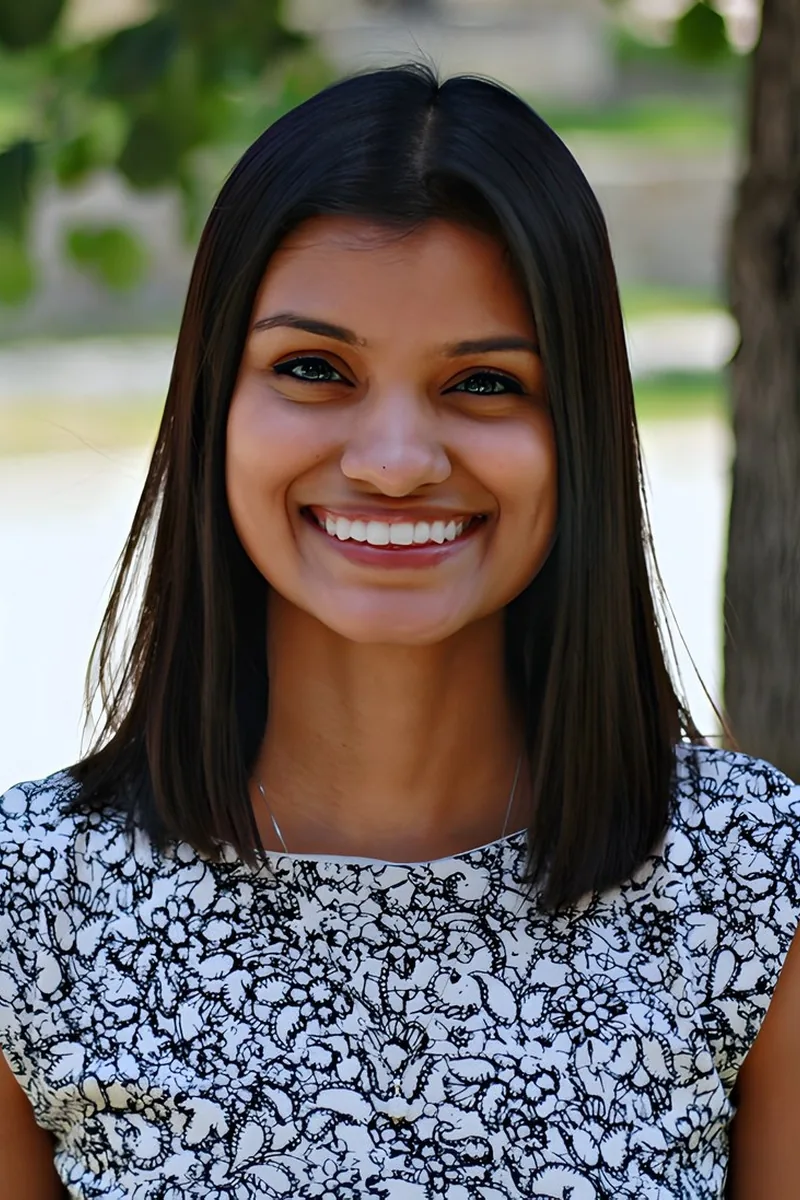
Enzyme kinetics, metabolic pathways, protein structure, nucleic acid chemistry — biochemistry demands that students hold molecular detail and big-picture logic in their heads simultaneously. Sugi graduated summa cum laude with a biochemistry degree from Rice and now applies that knowledge daily in medical school at Baylor. She teaches each pathway as a narrative with clear inputs, outputs, and regulatory checkpoints rather than a list to memorize.
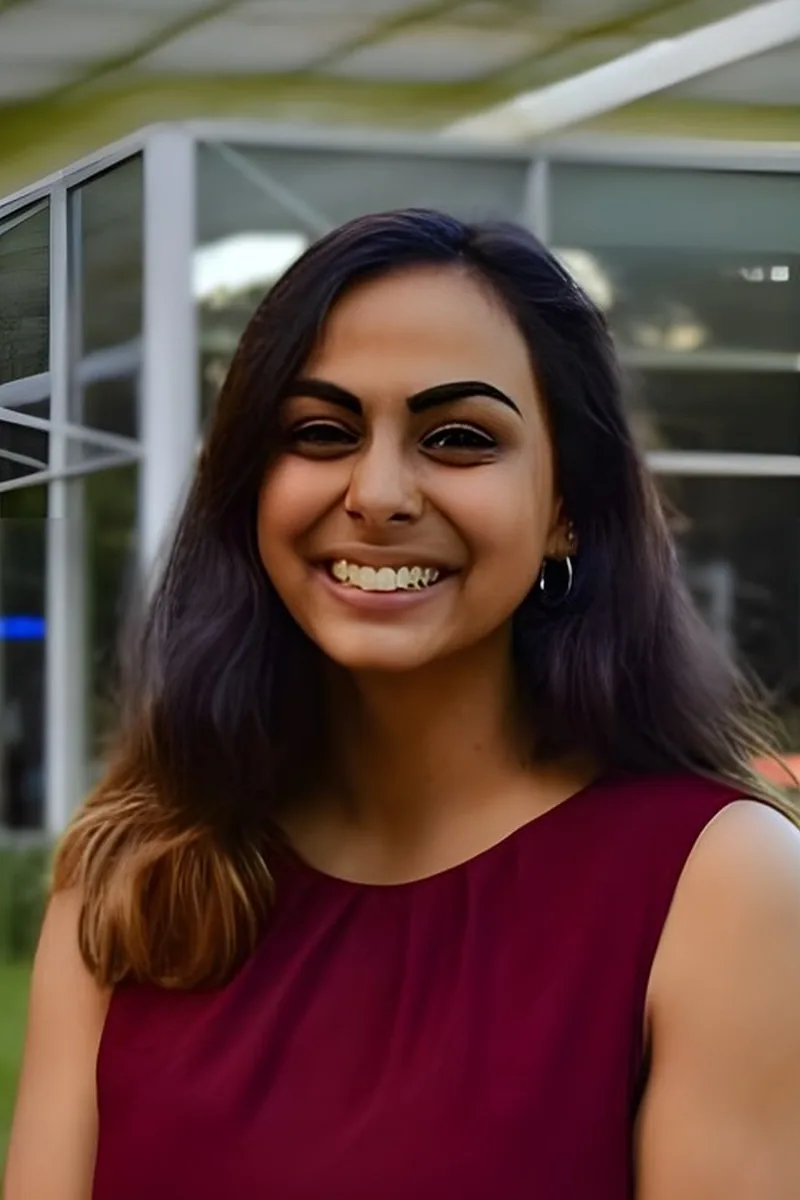
I am most passionate about biology and chemistry. I am a firm proponent of education, believing it to be absolutely necessary for an improved quality of life, and I try to impart this appreciation to all of my students.
Genome editing at Rice and computational neuroscience at Hopkins meant Emmanuel had to internalize biochemistry at the molecular level — from CRISPR-associated enzyme mechanisms to the metabolic pathways fueling neural tissue. That hands-on lab fluency lets him teach topics like protein structure and nucleotide chemistry by grounding each concept in the experimental context where it actually matters. Holds a 5.0 rating.
Studying cognitive science on a pre-med track at Rice means Natalie lives in the overlap between biology and chemistry every semester — enzyme kinetics, metabolic pathways, and protein structure are part of her daily coursework. She unpacks biochemistry by anchoring molecular details to the bigger biological question they answer, which makes dense material like the citric acid cycle far more digestible.
Medical school required Thomas to internalize biochemistry at a level most undergrads never reach — enzyme kinetics, metabolic regulation, amino acid chemistry, and the signaling cascades that tie them together. He breaks down dense pathways like glycolysis and the citric acid cycle into logical sequences so students can reason through problems instead of relying on rote memorization. Rated 5.0 by students.
Enzyme kinetics, metabolic pathways, protein structure — biochemistry demands that students think simultaneously about chemistry and biology, which is exactly how Nathaniel trained. His degree in biochemistry and his MCAT preparation mean he can walk through everything from Michaelis-Menten plots to amino acid properties with the depth a college-level course requires.
Preparing for medical school at UT Houston while finishing a chemistry degree at Rice means Asad has been living in biochemistry from both sides — the rigorous organic and physical chemistry foundations and the biological systems they plug into. He's especially sharp on the MCAT-relevant intersections, like how enzyme mechanisms tie back to organic reaction logic or how metabolic pathway regulation connects to thermodynamic principles. Rated 4.7 by students.
Enzyme kinetics, metabolic pathways, protein structure — biochemistry sits at the intersection of biology and chemistry, and students often struggle because they try to learn each topic in isolation. Phoebe's Master's in Biomedical Sciences gave her deep fluency in exactly these systems, from amino acid chemistry to the regulation of glycolysis and the citric acid cycle. She unpacks each pathway by connecting molecular structure to biological function, which makes the logic stick.
Over a year of tutoring organic chemistry through UT Austin's Engineering Student Services gave Felipe a deep fluency with the reaction mechanisms that underpin biochemistry — the nucleophilic attacks in metabolic intermediates, the carbonyl chemistry driving the citric acid cycle, and the functional group transformations that distinguish one pathway step from the next. As a biomedical engineering major on the pre-med track, he's currently synthesizing this material across his own coursework, which means he knows exactly which mechanistic details professors test and which shortcuts actually hold up under pressure.
This is Gabriel's home turf. His Bachelor of Science in Biochemistry from Texas A&M means he spent years immersed in enzyme kinetics, metabolic pathways, protein structure, and molecular interactions — and he can explain the difference between competitive and noncompetitive inhibition as clearly as he can walk through the citric acid cycle. Students get someone who genuinely enjoys the subject and knows where the exam traps hide.
Having worked at the National Institutes of Health, Snipta understands biochemistry not just as a textbook subject but as the language that connects bench research to real medical questions. She digs into enzyme kinetics, metabolic regulation, and protein structure with an emphasis on understanding the logic behind each pathway. Her cognitive science training also means she's deliberate about how she sequences complex material so it actually sticks.
Being in UT-Austin's Honors Biomedical Engineering program means Shyon works with biochemistry as an applied tool — thermodynamics of protein folding, enzyme kinetics in biosensor design, and the metabolic engineering principles that bridge chemistry and living systems. That engineering lens lets him teach topics like reaction energetics and pathway regulation by showing students the quantitative logic underneath the biology. Rated 5.0 by students.
Enzyme kinetics, metabolic pathways, protein structure — biochemistry asks students to think across chemistry and biology simultaneously, which is exactly what Chioma's Rice education trained her to do. She tutored biochemistry as an undergraduate and now applies those same pathways in her medical school coursework daily. She unpacks topics like the citric acid cycle and amino acid chemistry by tying each reaction to a physiological purpose students can remember.
Medical school is essentially applied biochemistry — enzyme kinetics, metabolic pathways, protein structure, and signal transduction show up in nearly every course. Brianna is currently living this material daily as a second-year MD student at Nova Southeastern, which means she can explain concepts like the citric acid cycle or amino acid chemistry with the kind of clarity that comes from recent, repeated use.
Enzyme kinetics, metabolic pathways, protein structure — biochemistry sits at the intersection of everything Salman studied across his cell biology and pathology degrees. He unpacks topics like Michaelis-Menten kinetics or the citric acid cycle by tying each reaction to its biological purpose, so students see the logic instead of facing a wall of memorization.
After completing a biology-focused prehealth degree and diving deep into the molecular side of life sciences, Jeremy tackles biochemistry at the level where chemistry and biology truly merge — enzyme kinetics, metabolic pathways, and protein structure-function relationships. He breaks down dense topics like the citric acid cycle or amino acid chemistry into digestible steps, connecting each reaction to its physiological purpose. Rated 5.0 by students.
Most biochemistry students can redraw glycolysis from memory but freeze when asked why the regulation points are where they are — that's the kind of gap Sazid targets, using his biology training and experience across organic chemistry and genetics to connect metabolic logic to the bigger cellular picture. He unpacks dense topics like enzyme inhibition and pathway integration by building from the underlying chemistry, so each regulatory step makes sense rather than just appearing on a diagram. Rated 4.9 by students.
Chase earned his biochemistry degree at Baylor, which means he didn't just pass through metabolic pathways and protein chemistry — he built his entire undergraduate curriculum around them. He teaches topics like lipid metabolism and enzyme mechanisms by emphasizing the "why" behind each step, so students can reason through an unfamiliar pathway on an exam instead of blanking when the memorized version doesn't match. Rated 4.9 by students.
I hold a Bachelor's degree in Chemistry and both a Master's and PhD in Biochemistry, and I currently serve as an Instructor in the Department of Neuroscience at UT Southwestern Medical Center in Dallas, Texas. With over fifteen years of combined research and teaching experience across cell and developmental biology, biochemistry, neuroscience, genetics, and molecular biology, I bring both depth and breadth to science education. I have held multiple adjunct teaching positions, most recently at Southern Methodist University, where I taught Biology of the Brain and Metabolism, and at the University of Dallas, where I taught Anatomy and Physiology. I also have extensive experience tutoring Biochemistry, Cell and Molecular Biology, Neuroscience, AP Biology, and MCAT preparation, consistently earning strong student evaluations. These roles have sharpened my ability to adapt instruction to diverse learners and learning environments.
Enzyme kinetics, metabolic pathways, amino acid structures — biochemistry piles up detail fast. Shripal's public health and science coursework at UT Austin means he regularly works with these concepts and knows which ones trip students up most, especially the connections between molecular structure and biological function.
I am passionate about students learning the wonderful Spanish language! I teach all levels of Spanish, including Conversational Spanish and SAT Subject Tests. While I am not Hispanic, I took Spanish classes every year from the second grade through high school. I then went to Rice University for college, where I took a Spanish class every semester, including a medical Spanish interpreting internship. After that I went to medical school, where I worked as a Spanish medical interpreter for doctors and launched a Medical Spanish curriculum. I also love movies, music, and books in Spanish. I know what it's like approaching this language from the outside, and I have a lot of helpful tricks to break down and simplify the language. I will not only help you ace your tests but also develop a fluency and love for the language! I love what I do so I am a fun, patient, and effective learning partner.
Having served as an undergraduate teaching assistant for introductory biochemistry at Cornell, Josef knows exactly which concepts — cofactor roles, enzyme regulation, the interplay between metabolic pathways — trip students up for the first time. He teaches by showing how biochemistry synthesizes organic chemistry, cell biology, and thermodynamics into a single coherent story, so each pathway feels like a logical extension rather than a separate thing to memorize. Rated 5.0 by students.
Earning a BS in Biochemistry from Boston College and then completing a PhD in molecular biology means Monika has spent years immersed in enzyme kinetics, metabolic pathways, and protein structure-function relationships. She tackles tough topics like the citric acid cycle and Michaelis-Menten kinetics by connecting each reaction to its biological purpose, turning rote memorization into logical storytelling.
Studying biochemistry at Penn as part of a pre-health track, Shayan lives in the world of enzyme kinetics, metabolic pathways, and protein structure daily. He breaks down dense topics like the citric acid cycle or amino acid chemistry using visual analogies and step-by-step logic that make the connections between reactions stick long after the session ends.
Enzyme kinetics, metabolic pathways, and amino acid chemistry all converge in biochemistry, and keeping them straight requires more than flashcards. Kaitlyn tackles these topics daily in medical school, so she teaches Michaelis-Menten plots, glycolysis intermediates, and protein structure with the kind of fluency that comes from constant use rather than distant memory.
Enzyme kinetics, metabolic pathways, protein folding — biochemistry lives at the intersection of biology and chemistry, and Varshini's neuroscience major with a chemistry minor put her squarely in that overlap. She unpacks complex pathways like glycolysis and the citric acid cycle by connecting each reaction to its biological purpose, which makes the logic behind regulation and inhibition far easier to retain.
Enzyme kinetics, metabolic pathways, protein structure — biochemistry asks students to think across chemistry and biology simultaneously, which is exactly what Saniya's neuroscience and chemistry training prepared her for. She unpacks complex topics like Michaelis-Menten kinetics or amino acid properties by linking molecular behavior to biological function, making dense material more intuitive. Her continued coursework in physiology and histology keeps these connections sharp.
Managing an immunology lab means Matthew doesn't just teach enzyme kinetics, protein structure, or metabolic pathways from a textbook — he uses them daily in his breast cancer research at Columbia. He walks through topics like signal transduction, amino acid chemistry, and lipid metabolism with the kind of specificity that turns confusing diagrams into logical sequences students can actually reason through.
Enzyme kinetics, metabolic pathways, protein structure — biochemistry sits at the intersection of biology and chemistry, and it punishes students who try to memorize without understanding the underlying logic. Oliver earned his B.A. in Biochemistry at CU Boulder with a chemistry minor, giving him the dual lens needed to explain why Michaelis-Menten curves behave the way they do or how amino acid properties dictate protein folding.
Mitchell's neuroscience degree means he learned biochemistry through the brain's lens — tracing how neurotransmitter precursors feed into synthesis pathways, how ATP production keeps neurons firing, and how lipid biochemistry shapes every membrane in the nervous system. That background lets him teach topics like oxidative phosphorylation and amino acid metabolism by connecting each reaction to the cellular machinery that depends on it.
Claire's chemistry degree and incoming medical school training at the University of Illinois College of Medicine mean she's worked through biochemistry from both the bench and the clinical side — enzyme mechanisms, metabolic regulation, and the molecular logic connecting organic chemistry to living systems. She breaks down dense pathways like the citric acid cycle or amino acid catabolism by mapping each step back to the underlying reaction chemistry, so students can reconstruct a pathway from principles instead of flashcards. Rated 5.0 by students.
Enzyme kinetics, metabolic pathways, protein folding — Connor digs into biochemistry with the depth his biomedical sciences master's from Loyola Chicago demanded. He connects molecular-level details to physiological outcomes, so a student learning about Michaelis-Menten kinetics also understands what it means when a drug is a competitive inhibitor in a clinical context.
Enzyme kinetics, metabolic pathways, protein structure — biochemistry sits at the intersection of biology and chemistry, and most students struggle because they try to memorize it as one or the other. Michael's biomedical engineering background means he approaches biochemistry as an integrated system, linking molecular structure to biological function. He unpacks topics like Michaelis-Menten kinetics and amino acid chemistry by tying them to the physical principles that drive them.
Testimonials
Because the right Biochemistry tutor makes all the difference.
Average Session Rating – Based on 3.4M Learner Ratings
Practice Biochemistry
Free practice tests, flashcards, and AI tutoring for Biochemistry
Nearby Biochemistry Tutors
Other McKinney Tutors
Related Science Tutors in McKinney
Frequently Asked Questions
Varsity Tutors matches McKinney students with expert Biochemistry tutors for 1-on-1 instruction. We pair each student with a tutor based on their specific needs, learning style, and goals.
Whether you need homework help, exam prep, or want to get ahead, our Biochemistry tutors are ready to help.
Common challenges include gaps from earlier material, difficulty with specific concepts, and trouble applying learning to new problems. These issues can snowball quickly in Biochemistry.
A tutor identifies where you're stuck, fills in gaps, and provides targeted practice. The 1-on-1 format means you get help exactly where you need it.
Tutors work with your student's actual coursework—homework assignments, class notes, and upcoming tests. This keeps tutoring directly relevant to what's happening in the classroom.
When you share information about your student's school and curriculum, we can match you with a tutor who has relevant experience.
All tutors complete background checks, credential verification, and teaching evaluation. Many of our Biochemistry tutors hold advanced degrees or have years of teaching experience.
You can review tutor profiles to find someone with the right background for your student's level and needs.
Many students see improved grades within a few weeks, along with better understanding of Biochemistry concepts and more confidence tackling challenging material.
Tutors track progress and adjust their approach to ensure continued improvement.
Most students benefit from 1-2 sessions per week. More frequent sessions help if your student is significantly behind or has an important exam coming up.
Your tutor can recommend a schedule based on your student's specific situation and goals.
Tutoring is purchased in packages of hours, with rates varying by tutor experience. Varsity Tutors offers several options to fit different budgets and needs.
You can discuss pricing during your consultation to find what works best.
Your tutor will assess where your student is, discuss goals, and start working on priority areas. Most students bring current homework or upcoming test material to focus on.
By the end, you'll have a clear sense of how the tutor can help and a plan for moving forward.
Let’s find your perfect tutor
Answer a few quick questions. We’ll recommend the right plan and match you with a top 5% tutor.