Award-Winning Science Tutors
serving Nashua, NH
Science
Tutors in Nashua
Private 1-on-1 tutoring, weekly live classes for academic support, test prep & enrichment, practice tests and diagnostics, and more to elevate grades and test scores.
Based on 3.4M Learner Ratings
UniversitiesSchools & Universities
DeliveredHours Delivered
ProficiencyGrowth in Proficiency
Who needs tutoring?
No obligation. Takes ~1 minute.

An applied mathematics degree means Andrew spent years doing exactly what science courses ask students to do — building models, testing predictions with real data, and using quantitative tools to explain how systems behave. He's particularly strong on the math-heavy side of science: dimensional analysis, interpreting graphs, and translating word problems into equations that actually describe physical relationships. Rated 4.6 by students.
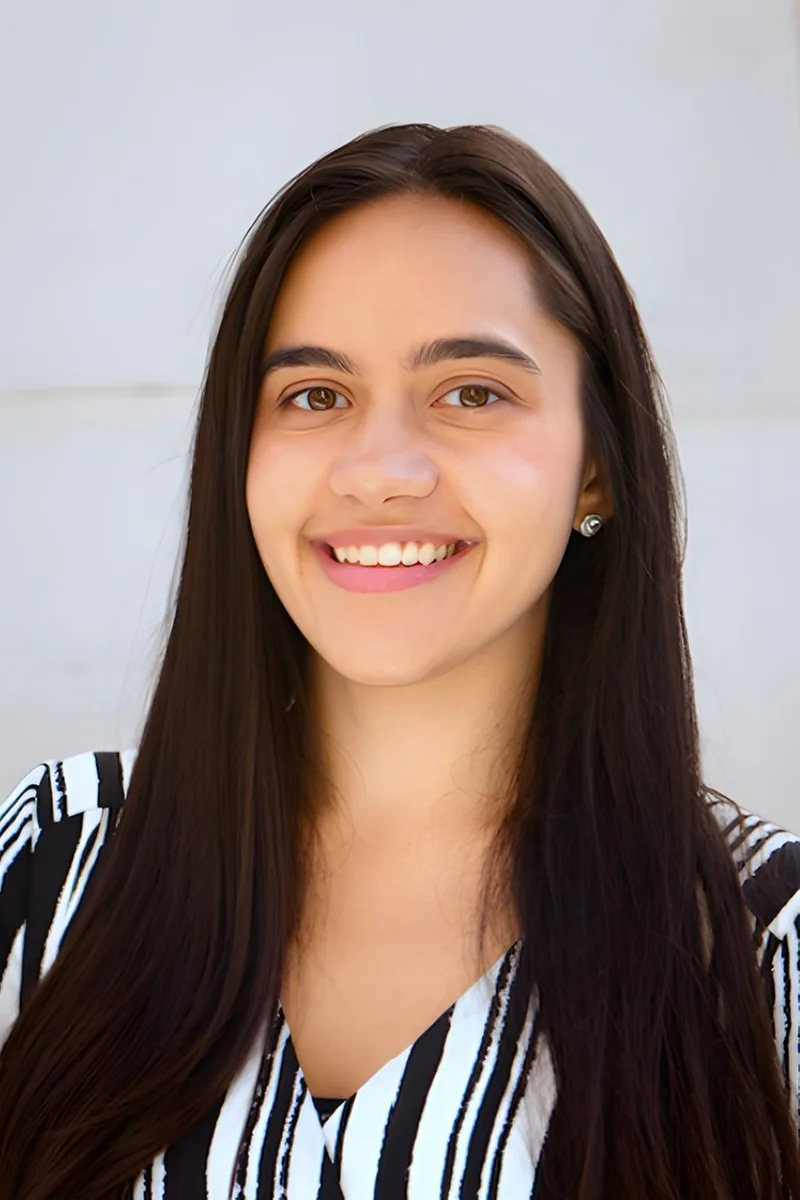
A Yale education heavy on critical reading and analytical writing gave Maya the tools to tackle science from the comprehension side — parsing dense passages, extracting key claims from lab descriptions, and explaining results in clear, organized language. She's particularly useful for students who understand the concepts but freeze when asked to write up an experiment or interpret what a data table is actually saying. Holds a 5.0 rating.
Three separate science degrees mean Zosia doesn't just know chemistry or biology in isolation — she understands how energy transfer in physics explains chemical bonding, which in turn drives cellular processes. That cross-disciplinary perspective is exactly what makes her effective at teaching foundational science concepts like the scientific method, experimental design, and data interpretation. She builds each session around the specific science course and topics a student is wrestling with.
An economics degree means Simon spent years building and testing models — controlling for variables, interpreting data sets, and figuring out whether the numbers actually support a conclusion or just look like they do. That same process underpins every science class, from setting up a controlled experiment to reading a graph and explaining what it reveals. His 1540 SAT confirms the quantitative and analytical chops to back it up.
Daniel's sociology degree means he spent years learning to design surveys, analyze demographic data, and apply the scientific method to real human behavior — skills that translate naturally when teaching students how to form hypotheses, control variables, and interpret results in a general science context. He's especially comfortable helping students who freeze up at graphs and data tables, since reading quantitative evidence was a daily requirement in his coursework. Holds a 5.0 rating.
A biochemistry degree from Rice and a current M.D. program at Baylor mean Michelle lives at the intersection of biology and chemistry every day. She unpacks concepts like cellular respiration, acid-base equilibria, and molecular genetics by tying them to how the body actually works — turning dense textbook material into something students can visualize and retain.
Biochemistry, cell biology, neuroscience, physical chemistry — Sugi didn't just take these courses, she built a medical career on top of them. When a student struggles with something like cellular respiration or chemical equilibrium, she connects the textbook version to the larger story of why that process matters, which turns rote memorization into genuine understanding.
Earning dual bachelor's degrees in biological and physical sciences and a master's in biomedical sciences means Connor has spent years moving between disciplines — chemistry, physics, biology, and the math that ties them together. He unpacks scientific concepts by connecting them to real phenomena, whether that's explaining Newton's laws through everyday motion or tracing energy flow through an ecosystem. Rated 5.0 by students.
Henry's Harvard thesis on John Dewey's philosophy of education was fundamentally about how people learn through inquiry and experimentation — the same cycle of questioning, testing, and revising that sits at the heart of the scientific method. He teaches science by grounding abstract concepts in that inquiry process, pushing students to ask why an experiment is designed a certain way before worrying about memorizing the outcome. His 1530 SAT confirms he can handle the quantitative and analytical reasoning science coursework demands.
A PhD program in Spanish and Iberian Studies might not scream 'science,' but Renee's doctoral training drilled the same core skills science coursework requires — forming a thesis from evidence, analyzing patterns in complex material, and defending conclusions under scrutiny. She's particularly useful for students who struggle with the literacy-heavy side of science: parsing dense textbook passages, interpreting diagrams, and writing clear lab reports that actually explain what happened and why.
Having earned a 1560 SAT — which requires sharp data interpretation and evidence-based reasoning across both sections — Sash can walk students through the analytical side of science that often trips them up: reading graphs, evaluating experimental setups, and explaining results in precise language. Her comparative literature training at Princeton also means she's unusually good at helping students decode dense scientific texts and write clear, well-structured lab reports.
Ben's science tutoring draws on his IB Chemistry background and the quantitative rigor of his Penn math training, which means he's especially effective when science gets mathematical — balancing equations, interpreting rate laws, or working through stoichiometry. He teaches students to translate word-heavy science problems into clean mathematical setups they can actually solve.
A master's in environmental engineering means Kate didn't just study biology, chemistry, and physics — she used all three together to solve real problems like modeling water contamination or analyzing energy systems. That cross-disciplinary perspective makes her especially effective at showing students how scientific concepts connect rather than treating each unit as isolated material. Rated 4.9 by students.
Testimonials
Because the right Science tutor makes all the difference.
Average Session Rating – Based on 3.4M Learner Ratings
Practice Science
Free practice tests, flashcards, and AI tutoring for Science
Other Nashua Tutors
Related Science Tutors in Nashua
Frequently Asked Questions
Varsity Tutors matches Nashua students with expert Science tutors for 1-on-1 instruction. We pair each student with a tutor based on their specific needs, learning style, and goals.
Whether you need homework help, exam prep, or want to get ahead, our Science tutors are ready to help.
Common challenges include gaps from earlier material, difficulty with specific concepts, and trouble applying learning to new problems. These issues can snowball quickly in Science.
A tutor identifies where you're stuck, fills in gaps, and provides targeted practice. The 1-on-1 format means you get help exactly where you need it.
Tutors work with your student's actual coursework—homework assignments, class notes, and upcoming tests. This keeps tutoring directly relevant to what's happening in the classroom.
When you share information about your student's school and curriculum, we can match you with a tutor who has relevant experience.
All tutors complete background checks, credential verification, and teaching evaluation. Many of our Science tutors hold advanced degrees or have years of teaching experience.
You can review tutor profiles to find someone with the right background for your student's level and needs.
Many students see improved grades within a few weeks, along with better understanding of Science concepts and more confidence tackling challenging material.
Tutors track progress and adjust their approach to ensure continued improvement.
Most students benefit from 1-2 sessions per week. More frequent sessions help if your student is significantly behind or has an important exam coming up.
Your tutor can recommend a schedule based on your student's specific situation and goals.
Tutoring is purchased in packages of hours, with rates varying by tutor experience. Varsity Tutors offers several options to fit different budgets and needs.
You can discuss pricing during your consultation to find what works best.
Your tutor will assess where your student is, discuss goals, and start working on priority areas. Most students bring current homework or upcoming test material to focus on.
By the end, you'll have a clear sense of how the tutor can help and a plan for moving forward.
Let’s find your perfect tutor
Answer a few quick questions. We’ll recommend the right plan and match you with a top 5% tutor.