Award-Winning High School Chemistry Tutors
serving Gulfport, MS
High School Chemistry
Tutors in Gulfport
Private 1-on-1 tutoring, weekly live classes for academic support, test prep & enrichment, practice tests and diagnostics, and more to elevate grades and test scores.
Based on 3.4M Learner Ratings
UniversitiesSchools & Universities
DeliveredHours Delivered
ProficiencyGrowth in Proficiency
Who needs tutoring?
No obligation. Takes ~1 minute.

Pre-med coursework gave Yeseul a reason to actually care about topics like equilibrium, gas laws, and reaction energetics — they're the building blocks for everything she's studying on the path to medical school. She zeroes in on stoichiometry and dimensional analysis by teaching students to track units as a roadmap through multi-step problems, turning what feels like guesswork into a repeatable process.
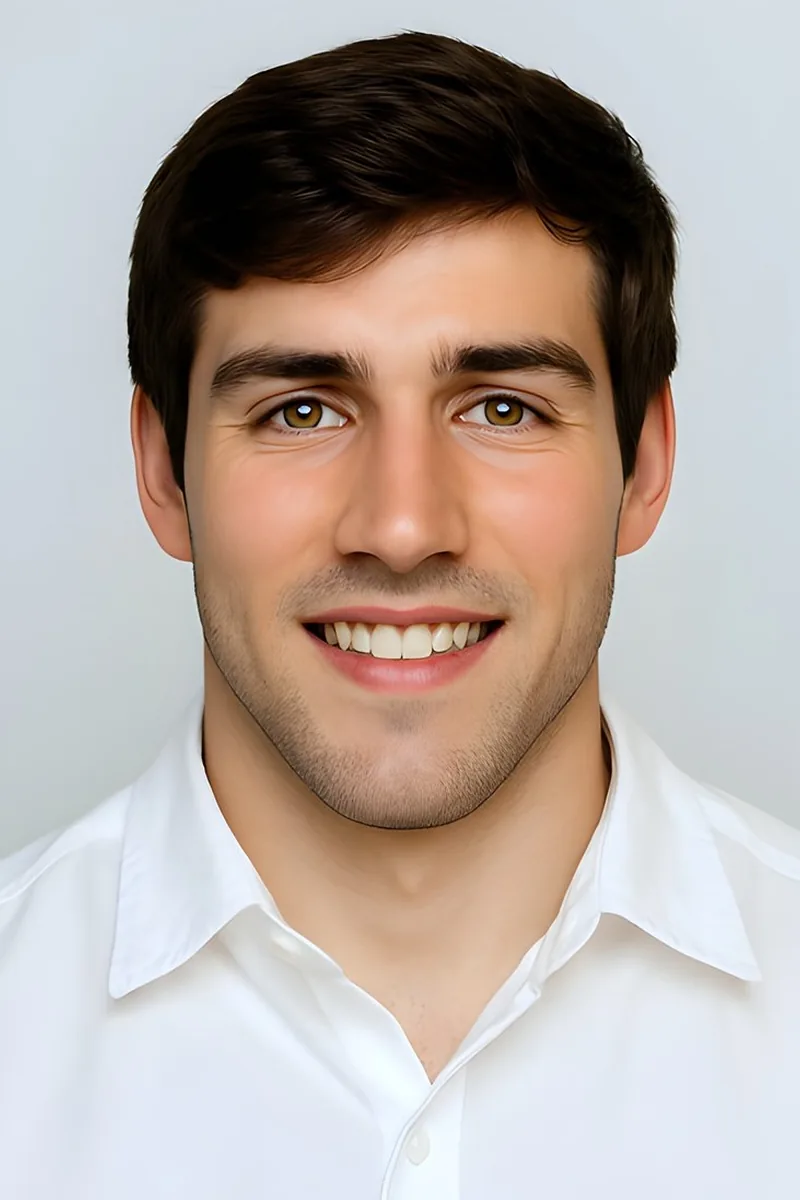
A chemistry major at Harvard who's heading to Columbia Medical School, James teaches high school chemistry with the kind of depth that makes concepts like stoichiometry and electron configurations click on a conceptual level — not just as formulas to memorize. He connects classroom topics to real-world applications in medicine and materials science, which tends to turn chemistry skeptics into students who actually enjoy the subject.
A physics major might seem like an unusual pick for chemistry, but Nima's deep comfort with atomic structure, thermodynamics, and quantitative problem-solving maps directly onto the trickiest parts of high school chem — stoichiometry, equilibrium calculations, and electron configurations. He approaches chemical concepts through the lens of why atoms and molecules behave the way they do, not just how to balance the equation.
Czarina is a biophysics and premed student at Johns Hopkins who scored 770 on the SAT Chemistry subject test — meaning she's recently navigated the exact material high school chemistry students are working through, from periodic trends and bonding to thermodynamics and reaction kinetics. She zeroes in on the conceptual logic behind gas law calculations and equilibrium expressions so that problem-solving feels intuitive rather than formulaic. Rated 5.0 by her students.
Balancing chemical equations, predicting products, and navigating the mole concept are the exact places where high school chemistry students tend to stall out. Ethan's science-heavy courseload at WashU keeps him sharp on these fundamentals, and he walks through each problem type with enough patience to make sure the reasoning — not just the answer — actually lands.
When high school chemistry students hit a wall with mole conversions or balancing redox reactions, the issue is almost always conceptual, not computational. Rahul digs into the 'why' behind each step — why coefficients matter, how electron transfer actually works — drawing on his Cornell chemical engineering background to make the logic visible. He holds a 4.9 rating from students.
Stoichiometry, equilibrium, and thermodynamics tend to click faster when a student can see how the math actually maps onto what's happening at the molecular level. Ellie's pre-med and engineering background means she teaches these concepts with an eye toward why the numbers behave the way they do, not just how to balance the equation.
Stoichiometry, equilibrium, and acid-base reactions make more sense when a student can see where they lead. Bidyut ties high school chemistry concepts to biomedical applications he's encountered at Johns Hopkins, turning mole calculations and reaction balancing into something more tangible than textbook exercises.
Neuroscience at Yale meant David didn't just take chemistry — he needed it to work, especially when tracing how ion channels, neurotransmitters, and cellular signaling depend on concepts like electronegativity, polarity, and equilibrium. That gives him a concrete answer when students ask why any of this matters, and it shapes how he teaches topics like chemical bonding and reaction energetics: rooted in what molecules actually do, not just what shows up on a worksheet.
Three science bachelor's degrees plus a medical doctorate means Sydny has taken chemistry at every level — from introductory courses through the biochemistry and pharmacology that med school demands daily. She unpacks topics like stoichiometry and gas laws by connecting them to the biological and medical contexts where those calculations actually do something, which tends to make the abstract feel worth learning.
Running a middle school science department in Philadelphia meant John taught chemistry fundamentals daily — building up from atomic structure and the periodic table to chemical reactions and basic stoichiometry — and his role as curriculum chair forced him to think carefully about the sequence in which those ideas need to land. That classroom experience shows when he explains topics like balancing equations or classifying reaction types, because he's already mapped out where students typically get lost. Rated 5.0 by students.
Balancing equations, mole conversions, and electron configurations all follow patterns that become obvious once someone lays them out clearly. Tim's experience teaching chemistry at a STEM camp means he's practiced at breaking these topics down for students encountering them for the first time. His quantitative training at MIT keeps him sharp on the math-heavy units — gas laws, enthalpy, and solution chemistry — where many high schoolers hit a wall.
Pre-dental coursework at Vanderbilt took Sarah through the full general chemistry sequence, so topics like stoichiometry, equilibrium, and gas laws are tools she still uses regularly in her science track — not material she's recalling from years ago. She zeroes in on dimensional analysis and mole relationships as the backbone of most high school chemistry problems, teaching students to map out the logic of a calculation before touching a calculator. Rated 5.0 by students.
Testimonials
Because the right High School Chemistry tutor makes all the difference.
Average Session Rating – Based on 3.4M Learner Ratings
Nearby High School Chemistry Tutors
Other Gulfport Tutors
Related Science Tutors in Gulfport
Frequently Asked Questions
Varsity Tutors matches Gulfport students with expert High School Chemistry tutors for 1-on-1 instruction. We pair each student with a tutor based on their specific needs, learning style, and goals.
Whether you need homework help, exam prep, or want to get ahead, our High School Chemistry tutors are ready to help.
Common challenges include gaps from earlier material, difficulty with specific concepts, and trouble applying learning to new problems. These issues can snowball quickly in High School Chemistry.
A tutor identifies where you're stuck, fills in gaps, and provides targeted practice. The 1-on-1 format means you get help exactly where you need it.
Tutors work with your student's actual coursework—homework assignments, class notes, and upcoming tests. This keeps tutoring directly relevant to what's happening in the classroom.
When you share information about your student's school and curriculum, we can match you with a tutor who has relevant experience.
All tutors complete background checks, credential verification, and teaching evaluation. Many of our High School Chemistry tutors hold advanced degrees or have years of teaching experience.
You can review tutor profiles to find someone with the right background for your student's level and needs.
Many students see improved grades within a few weeks, along with better understanding of High School Chemistry concepts and more confidence tackling challenging material.
Tutors track progress and adjust their approach to ensure continued improvement.
Most students benefit from 1-2 sessions per week. More frequent sessions help if your student is significantly behind or has an important exam coming up.
Your tutor can recommend a schedule based on your student's specific situation and goals.
Tutoring is purchased in packages of hours, with rates varying by tutor experience. Varsity Tutors offers several options to fit different budgets and needs.
You can discuss pricing during your consultation to find what works best.
Your tutor will assess where your student is, discuss goals, and start working on priority areas. Most students bring current homework or upcoming test material to focus on.
By the end, you'll have a clear sense of how the tutor can help and a plan for moving forward.
Let’s find your perfect tutor
Answer a few quick questions. We’ll recommend the right plan and match you with a top 5% tutor.