Award-Winning College Chemistry Tutors
serving Portland, ME
College Chemistry
Tutors in Portland
Private 1-on-1 tutoring, weekly live classes for academic support, test prep & enrichment, practice tests and diagnostics, and more to elevate grades and test scores.
Based on 3.4M Learner Ratings
UniversitiesSchools & Universities
DeliveredHours Delivered
ProficiencyGrowth in Proficiency
Who needs tutoring?
No obligation. Takes ~1 minute.
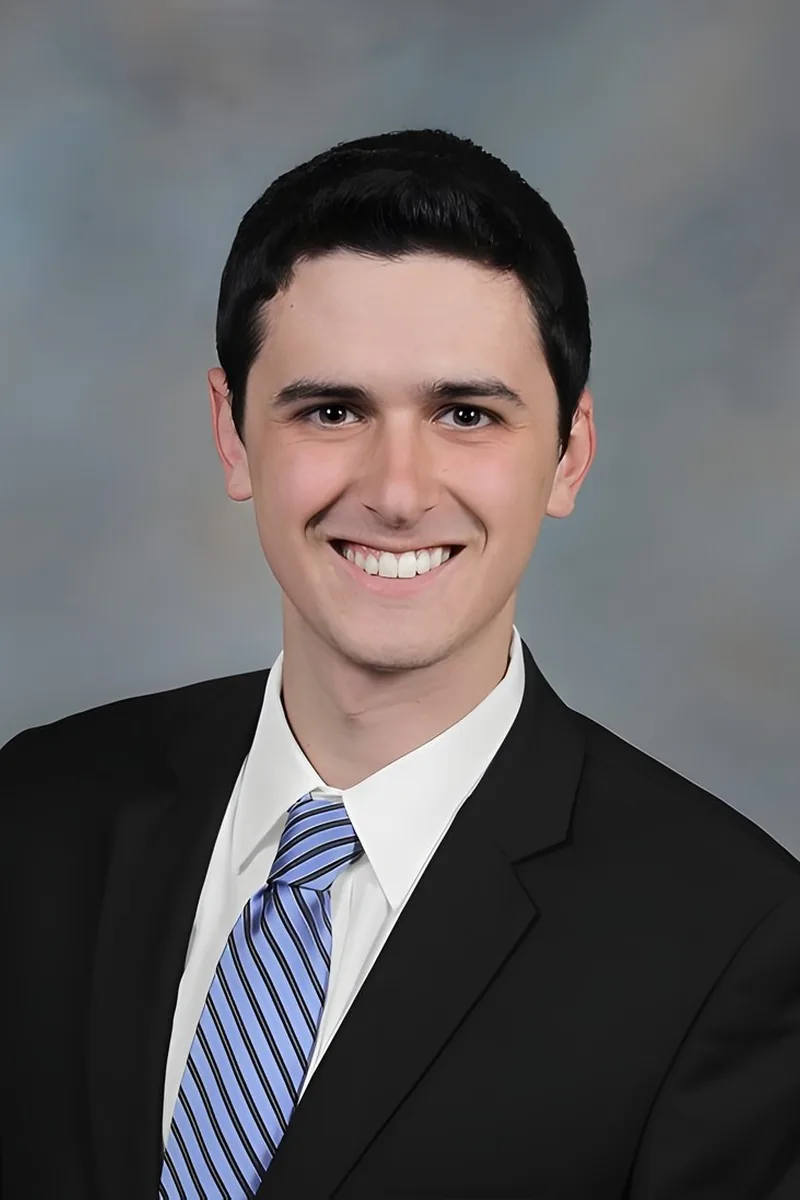
Neuroscience at Yale meant David couldn't just skim gen chem — he needed concepts like electrochemistry, molecular bonding, and reaction thermodynamics to stick, because they showed up again in every neurobiology and biochemistry course that followed. Now pursuing graduate work in bioethics, he teaches college chemistry by linking each topic to the bigger scientific picture, so students see why mastering something like intermolecular forces or acid-base equilibria pays off well beyond the final exam. Rated 5.0 by students.
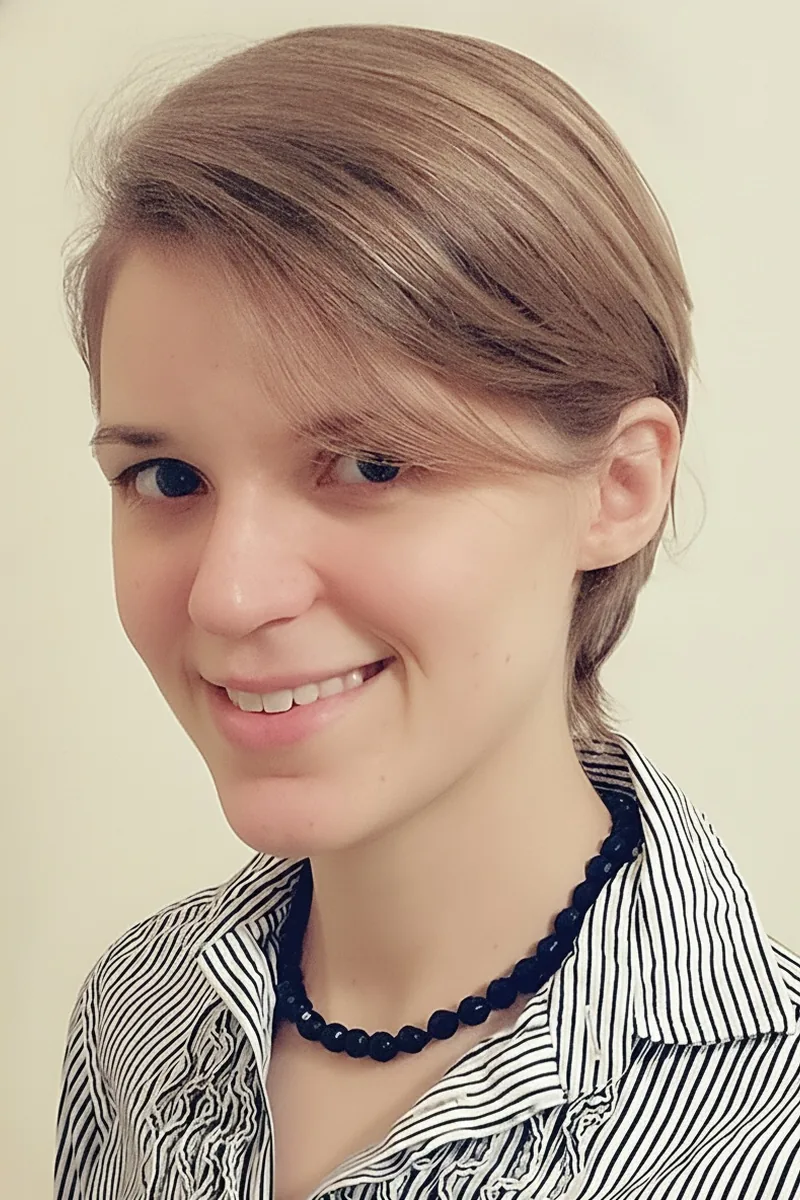
Between AP Chemistry, organic chemistry, and inorganic chemistry, Rebecca has covered college-level chemical concepts from multiple angles — but it's her biology background that shapes how she teaches gen chem topics like electron configurations, bonding, and solution chemistry, always tying them back to the biological systems where students will encounter them again. She's especially sharp at bridging the gap between memorizing periodic trends and actually using them to predict reactivity or molecular behavior. Rated 5.0 by students.
Decades of work as a PhD chemical engineer mean Steven has used gen chem concepts like reaction thermodynamics, equilibrium, and stoichiometry as professional tools — not exam topics he learned once and moved on from. He tackles tough problems by explaining the idea one way, then reframing it from a different angle, and grounding it with a practical example so the concept sticks from multiple directions. Rated 4.9 by students.
Between equilibrium expressions, thermodynamic calculations, and orbital theory, college chemistry demands a level of abstraction that introductory courses don't always prepare students for. Amber digs into the quantitative backbone of these topics, connecting the math to the molecular-level reasoning so that concepts like Gibbs free energy or rate law derivations make sense rather than just get memorized. Her breadth across chemistry and advanced math gives her a rare versatility in tackling problem sets.
Being a Genetics Head Teaching Assistant at Brown while on the immunobiology track means Jessica has applied gen chem concepts like molecular interactions, reaction energetics, and acid-base chemistry in biological contexts where getting the fundamentals wrong isn't an option. She tackles college chemistry problems by pinpointing whether a student is stuck on the concept or the calculation — a distinction her years in math tutoring centers and science labs taught her to spot quickly. Rated 5.0 by students.
Neuroscience at Vanderbilt means Blake has been neck-deep in college chemistry — gen chem concepts like molecular bonding, reaction energetics, and acid-base systems are the scaffolding for everything from neuropharmacology to membrane biophysics. His approach leans on building intuition for why a reaction behaves the way it does, drawing on his interest in how people actually learn and retain complex material. Rated 5.0 by students.
Having scored 1580 on the SAT and completed AP Chemistry coursework, Kendall brings sharp quantitative instincts to the trickiest parts of gen chem — the unit conversions buried inside equilibrium problems, the logarithmic reasoning behind pH calculations, the algebra hiding inside rate law expressions. She also knows that college chemistry often overwhelms students not because the concepts are impossibly hard, but because the pace is relentless, so she zeroes in on the specific spots where understanding broke down rather than re-teaching entire chapters. Rated 4.9 by students.
Fourth-year med student at Albert Einstein College of Medicine, Michael has been applying gen chem principles — acid-base chemistry, reaction thermodynamics, solution behavior — in clinical and biochemical contexts for years, which means he can explain not just how to solve a problem but where that concept resurfaces later. His biology degree from Yeshiva College (summa cum laude) and time teaching MCAT prep for Kaplan gave him practice breaking down the exact topics that trip up college chemistry students: stoichiometry setups, equilibrium expressions, and the leap from qualitative reasoning to quantitative problem-solving.
Organic reaction mechanisms, thermodynamic versus kinetic control, and multi-step synthesis problems demand more than memorization — they require a framework for thinking through electron movement and molecular behavior. Maggie studied Molecular, Cellular, and Developmental Biology as an undergraduate and now applies that foundation daily in her Stanford medical program. She unpacks each mechanism by tracing exactly why electrons move where they do, making complex transformations feel logical.
Thermodynamics, equilibrium constants, and electrochemistry all click faster when the tutor has spent years applying them in engineering contexts. Abismael earned his B.S. in Chemical Engineering, so he teaches college-level concepts through real reaction systems rather than abstract formulas. He's known for pushing students with spontaneous, exam-level questions until the material becomes second nature.
Four years of chemical engineering coursework at Pitt meant Olivia didn't just take gen chem — she leaned on it daily through material balances, reaction engineering, and process thermodynamics, so concepts like enthalpy, equilibrium constants, and stoichiometry are second nature rather than distant memories from freshman year. She's especially sharp at bridging the gap when students can set up a problem conceptually but lose the thread during multi-step calculations involving unit conversions or gas law algebra. Rated 4.9 by students.
Going from a Penn undergrad to medical school means Jessica sat through college chemistry twice — once as a prerequisite and again when biochemistry and pharmacology demanded she actually internalize concepts like reaction energetics, acid-base equilibria, and molecular interactions at a deeper level. That second pass gave her a clear sense of which gen chem topics students need to truly own versus merely survive, and she teaches accordingly. Rated 4.8 by students.
Testimonials
Because the right College Chemistry tutor makes all the difference.
Average Session Rating – Based on 3.4M Learner Ratings
Other Portland Tutors
Related Science Tutors in Portland
Frequently Asked Questions
Varsity Tutors matches Portland students with expert College Chemistry tutors for 1-on-1 instruction. We pair each student with a tutor based on their specific needs, learning style, and goals.
Whether you need homework help, exam prep, or want to get ahead, our College Chemistry tutors are ready to help.
Common challenges include gaps from earlier material, difficulty with specific concepts, and trouble applying learning to new problems. These issues can snowball quickly in College Chemistry.
A tutor identifies where you're stuck, fills in gaps, and provides targeted practice. The 1-on-1 format means you get help exactly where you need it.
Tutors work with your student's actual coursework—homework assignments, class notes, and upcoming tests. This keeps tutoring directly relevant to what's happening in the classroom.
When you share information about your student's school and curriculum, we can match you with a tutor who has relevant experience.
All tutors complete background checks, credential verification, and teaching evaluation. Many of our College Chemistry tutors hold advanced degrees or have years of teaching experience.
You can review tutor profiles to find someone with the right background for your student's level and needs.
Many students see improved grades within a few weeks, along with better understanding of College Chemistry concepts and more confidence tackling challenging material.
Tutors track progress and adjust their approach to ensure continued improvement.
Most students benefit from 1-2 sessions per week. More frequent sessions help if your student is significantly behind or has an important exam coming up.
Your tutor can recommend a schedule based on your student's specific situation and goals.
Tutoring is purchased in packages of hours, with rates varying by tutor experience. Varsity Tutors offers several options to fit different budgets and needs.
You can discuss pricing during your consultation to find what works best.
Your tutor will assess where your student is, discuss goals, and start working on priority areas. Most students bring current homework or upcoming test material to focus on.
By the end, you'll have a clear sense of how the tutor can help and a plan for moving forward.
Let’s find your perfect tutor
Answer a few quick questions. We’ll recommend the right plan and match you with a top 5% tutor.