Award-Winning German Tutors
serving New Orleans, LA
German
Tutors in New Orleans
Private 1-on-1 tutoring, weekly live classes for academic support, test prep & enrichment, practice tests and diagnostics, and more to elevate grades and test scores.
Based on 3.4M Learner Ratings
UniversitiesSchools & Universities
DeliveredHours Delivered
ProficiencyGrowth in Proficiency
Who needs tutoring?
No obligation. Takes ~1 minute.
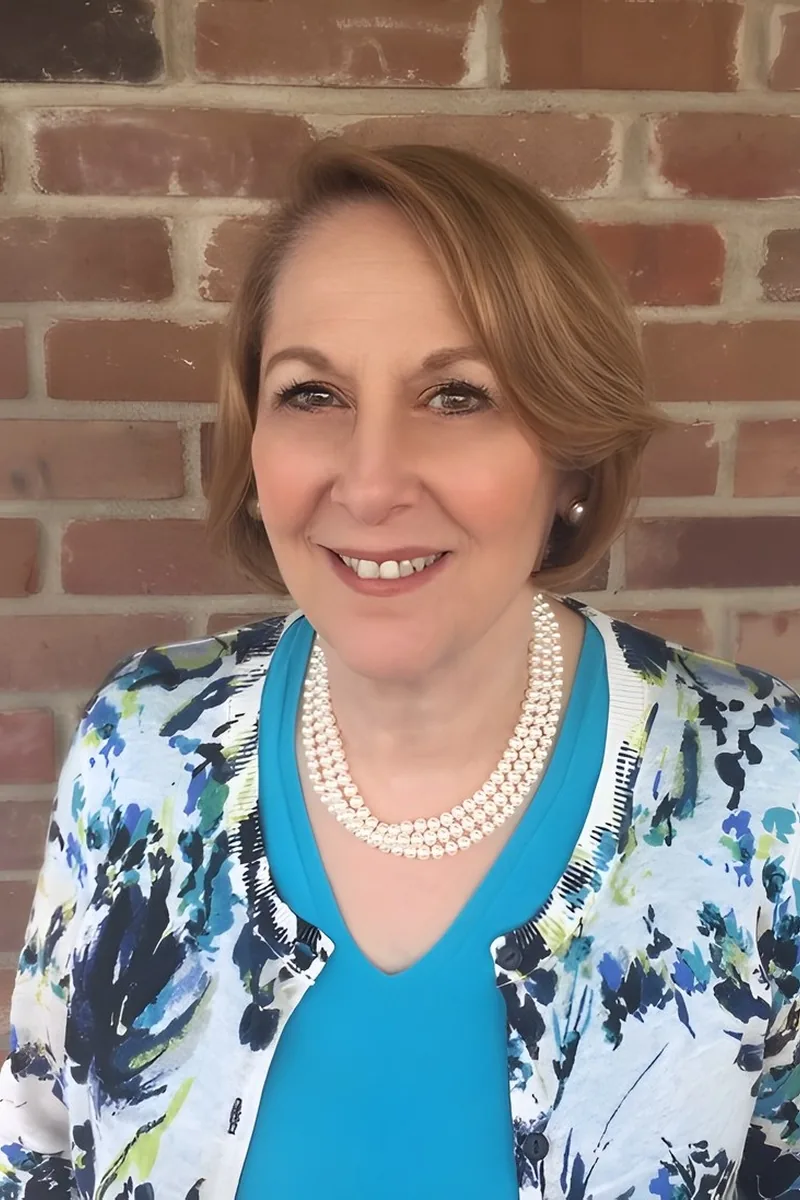
A Master's degree in Germanic Languages from Columbia, combined with years living and teaching in Austria, means Jacquelyn doesn't just know textbook German — she knows how dative prepositions sound in a Salzburg café and why Konjunktiv II matters in real conversation. She scored highly enough on the SAT Subject Test in German with Listening to tutor it, and she tackles everything from case endings to advanced reading comprehension.

Six months of full-immersion study in Berlin gave Daniel a feel for German that textbooks alone can't replicate — the way case endings sound natural in conversation, or how separable verbs behave in real speech versus grammar drills. He earned his B.A. in German from Duke with a focus that included twentieth-century German history and politics, which means his lessons often connect language to the culture that shapes it.
Learning German means wrestling with case endings, separable verbs, and a sentence structure that puts the verb in places English speakers don't expect. Dan teaches German at multiple levels and brings a literary scholar's sensitivity to how the language actually works — not just memorizing der/die/das tables, but understanding the patterns behind them. He's rated 5.0 and is comfortable with everything from basic conversation to reading German-language texts.
German's case system and word-order rules can overwhelm students who try to absorb them all at once. Elizabeth breaks the four cases down methodically — nominative, accusative, dative, genitive — linking each to specific prepositions and verb patterns so students build reliable instincts rather than guessing at endings.
Learning German means wrestling with case endings, separable verbs, and a sentence structure that puts the verb in places English speakers don't expect. Susie has studied German extensively and teaches grammar as a logical system — once students see the patterns behind accusative versus dative, for instance, the rules stop feeling arbitrary. She pairs structural drills with reading and listening practice to build real fluency.
Stephen teaches German at multiple levels — from mastering case endings and der/die/das patterns to navigating subordinate clause word order that trips up so many English speakers. His coursework through German 4 means he can bridge the gap between textbook grammar drills and actually understanding how the language fits together.
As a native German speaker from Austria, Silvia teaches the language the way it's actually spoken — with attention to cases, gendered articles, and verb placement that trips up English speakers most. She tutored her own son in German for four years to maintain his fluency, so she understands exactly where American students stumble with dative versus accusative or separable prefix verbs. Her 5.0 rating speaks to how naturally she makes those tricky grammar patterns stick.
A pre-med student at UNC with minors in chemistry and biology, Dimitry also carries German through the advanced level — an uncommon combination that means he's used to toggling between technical and linguistic precision. He approaches German grammar with the same diagnostic thinking he brings to the sciences, making case systems and verb conjugation feel less like arbitrary rules and more like solvable puzzles. Rated 4.9 by students.
Studying German at the University of Pennsylvania gave Eliza a deep command of the language's trickiest features — case endings, separable verbs, and the word order shifts that trip up English speakers. She unpacks German grammar systematically so students understand the logic behind der/die/das rather than relying on brute memorization. Rated 5.0 by her students.
Teaching German at every level from beginner to advanced, Nadja is a native-level speaker who understands the grammar hurdles — case endings, separable verbs, subordinate clause word order — that trip up English speakers most. She integrates conversation practice with structured grammar drills so students build fluency and accuracy at the same time.
Between her Northwestern coursework and studies in German-language opera repertoire — from Mozart to Strauss — Ilana developed a working fluency that goes beyond classroom German. She tackles tricky grammar concepts like case endings and separable verbs by connecting them to patterns students already recognize, making the logic of German sentence structure feel less foreign. Rated 5.0 by students.
Cornelia teaches German across all four levels, from nominative case basics to navigating subordinate clauses and the subjunctive mood. She integrates games, images, and cultural context into grammar-heavy lessons — an approach that keeps vocabulary and case endings from feeling like pure memorization. Her 5.0 rating speaks to how well that method lands with students.
Testimonials
Because the right German tutor makes all the difference.
Average Session Rating – Based on 3.4M Learner Ratings
Nearby German Tutors
Other New Orleans Tutors
Related Languages Tutors in New Orleans
Frequently Asked Questions
Fluency depends on your starting level and study intensity, but the U.S. Foreign Service Institute estimates around 750-900 hours of study to reach professional proficiency in German. With personalized 1-on-1 instruction, you can accelerate progress by focusing on your specific weak areas—whether that's conversational confidence, grammar structures, or listening comprehension—rather than moving at a classroom pace.
Speaking is often the most neglected skill in traditional German classes, where students may spend more time on grammar drills than actual conversation. Personalized 1-on-1 instruction gives you consistent, judgment-free speaking practice with someone who can correct your pronunciation, help you think through complex sentences, and build the confidence you need for real-world communication. This direct feedback loop is difficult to replicate in a classroom setting with a 24.8:1 student-teacher ratio.
The most effective approach combines both: understanding grammar rules gives you structure, but natural usage—learning how native speakers actually speak—makes you sound authentic. Expert tutors can teach you when to apply formal grammar and when native speakers bend the rules in conversation, helping you develop intuition alongside accuracy in reading, writing, speaking, and listening.
Rather than memorizing conjugation tables in isolation, personalized tutoring uses spaced repetition and context-based practice—you'll see verbs in real sentences and conversations, which helps your brain retain patterns naturally. Tutors can also help you identify which verbs you use most frequently and prioritize those, making your study time more efficient and meaningful.
Vocabulary sticks when you encounter it repeatedly in different contexts—reading, writing, speaking, and listening—rather than memorizing word lists. Personalized instruction lets tutors introduce vocabulary through topics relevant to your interests and goals, use retrieval practice techniques, and incorporate new words into conversations, which significantly boosts retention compared to isolated study.
Yes—one of the biggest advantages of 1-on-1 instruction is real-time pronunciation feedback and modeling. A tutor can identify which sounds are challenging for you (like the guttural 'r' or umlauts), demonstrate proper mouth positioning, and have you practice in context. This personalized attention is nearly impossible in a classroom, and regular practice with an expert significantly improves your accent and listening comprehension.
Language and culture are inseparable—understanding German customs, media, history, and communication styles helps you use the language authentically and avoid awkward mistakes. Expert tutors can weave cultural immersion into lessons through authentic materials, discussions about German-speaking regions, and explanations of why certain phrases or expressions matter, making your learning richer and more engaging.
Your first session is about assessment and connection. A tutor will evaluate your current level across all four skills (reading, writing, speaking, listening), understand your goals—whether that's passing an AP German exam, preparing for travel, or conversational fluency—and create a personalized learning plan. This initial conversation ensures your tutoring is targeted to your needs, not generic lessons.
Let’s find your perfect tutor
Answer a few quick questions. We’ll recommend the right plan and match you with a top 5% tutor.