Award-Winning AP Spanish Language & Culture Tutors
serving New Orleans, LA
AP Spanish Language & Culture
Tutors in New Orleans
Private 1-on-1 tutoring, weekly live classes for academic support, test prep & enrichment, practice tests and diagnostics, and more to elevate grades and test scores.
Based on 3.4M Learner Ratings
UniversitiesSchools & Universities
DeliveredHours Delivered
ProficiencyGrowth in Proficiency
Who needs tutoring?
No obligation. Takes ~1 minute.
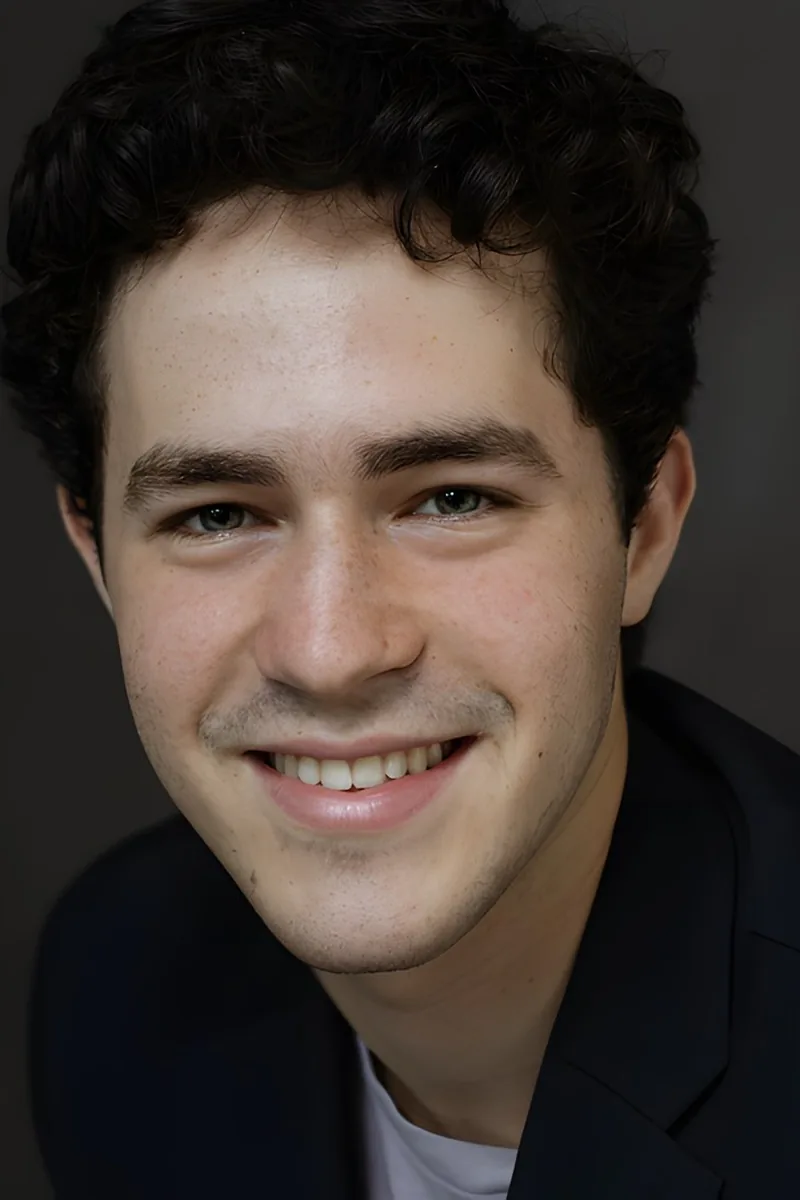
Hillel's geology research on Antarctic ice sheet dynamics — conducted partly through Spanish-language scientific literature — gives him a practical connection to the formal register and academic vocabulary the AP exam's persuasive essay demands. He also teaches conversational Spanish and Hebrew, so he's comfortable switching between languages and coaching students through the interpersonal speaking tasks where real-time fluency matters most. Rated 5.0 by students.

Joshua teaches Spanish from level 1 through AP and pairs that with four levels of Latin, so he's used to thinking about how Romance languages borrow structures from their classical roots — a perspective that sharpens his explanations of tricky Spanish grammar like subjunctive triggers and conditional sequences. His 1600 SAT reflects the kind of precise reading and analytical writing skills that translate directly to the AP exam's source-synthesis and persuasive essay tasks.
Iselee earned her bachelor's degree in Spanish from Loyola Marymount University, which means the AP exam's demand for formal written register and nuanced cultural knowledge sits squarely in her academic wheelhouse. Her current graduate work in digital communication adds a layer of rhetorical awareness — understanding how audiences process arguments — that she applies to coaching the timed persuasive essay, where students must synthesize Spanish-language sources into a coherent, register-appropriate response. Rated 4.8 by students.
Ryan's American Studies background means he already thinks in terms of cross-cultural comparison — a skill that maps directly onto the AP Spanish exam's cultural comparison task, where students need to connect practices across communities with nuance and specificity. He teaches Spanish from level 2 through AP and conversational Spanish, so he bridges the gap between structured grammar work and the kind of spontaneous communication the interpersonal speaking section rewards.
Earning a strong score on AP Spanish Language & Culture means toggling between interpersonal conversation, presentational writing, and audio-source synthesis — often in the same exam sitting. Sarah's Spanish major and her background in international education give her native-level command of the language and a clear method for tackling the cultural comparison essay, which is where most students lose points.
Living in Spain for six months gave Rebecca the kind of immersive fluency that AP Spanish Language & Culture demands — not just grammar accuracy, but the ability to navigate cultural comparisons and presentational speaking with confidence. She tackles the interpersonal and presentational writing tasks by teaching students how to integrate source material and build arguments entirely in Spanish. Her Notre Dame training in close reading also translates directly to the audio and print source analysis on the exam.
Molly holds degrees in Spanish from Columbia University, which gives her the academic grounding in grammar, composition, and literary analysis that AP Spanish Language & Culture's written and spoken tasks demand. Her classroom teaching experience across multiple grade levels means she quickly spots the structural weaknesses — verb tense confusion, weak transitions, underdeveloped cultural comparisons — that keep students from reaching a 4 or 5. Rated 5.0 by students.
Having studied Spanish as part of his undergraduate degree and continuing to teach it from introductory levels through AP alongside conversational practice, Adam knows exactly where students plateau — and it's usually the jump from classroom grammar to the timed, register-aware writing the AP exam actually scores. His history background also sharpens the cultural comparison task, where connecting Spanish-speaking communities' practices to broader historical context turns a generic response into a compelling one.
Scoring well on AP Spanish Language & Culture means toggling fluently between interpersonal conversation, presentational writing, and audio-source synthesis — three very different skill sets tested in one exam. Reta has taken the exam, completed years of university-level Spanish, and spent time living abroad in Spanish-speaking countries, so her command of register, idiomatic expression, and cultural context is practical, not just academic. She drills the comparison essay and simulated conversation formats until students feel genuinely comfortable producing Spanish under pressure.
Jennifer's journalism training at Northwestern — where she learned to write persuasively under tight deadlines in formal register — maps directly onto the AP Spanish exam's timed persuasive essay, which demands the same skill set in a second language. She teaches Spanish from level 1 through AP and conversational Spanish, and her Georgetown international politics background means she can coach students through the cultural comparison task with the kind of geopolitical nuance that turns a generic response into a compelling one.
Amy's PhD in Spanish Linguistics means she doesn't just know the language — she's studied how it works at the structural level, from phonological patterns to syntactic variation across dialects. That depth shows up most in the exam's interpretive listening section, where recognizing regional pronunciation shifts and parsing rapid connected speech separates students who truly comprehend from those guessing at context. She also teaches every Spanish level from 1 through AP, so she can quickly identify which grammatical gaps need closing before a student tackles timed writing in formal register.
Growing up bilingual with dual US-Chilean citizenship, Camilla didn't just learn Spanish at home — she pursued it academically through advanced language and literature coursework. For AP Spanish Language & Culture, she tackles the presentational writing and interpersonal speaking tasks by grounding students in the cultural contexts that make their responses authentic and nuanced.
Testimonials
Because the right AP Spanish Language & Culture tutor makes all the difference.
Average Session Rating – Based on 3.4M Learner Ratings
Nearby AP Spanish Language & Culture Tutors
Other New Orleans Tutors
Related Languages Tutors in New Orleans
Frequently Asked Questions
The AP Spanish Language & Culture exam tests your ability to communicate in Spanish across three modes: interpersonal (conversations), interpretive (reading and listening), and presentational (speaking and writing). The exam includes multiple-choice sections on reading and listening comprehension, as well as free-response sections where you'll write emails, give speeches, and conduct conversations—all designed to assess real-world language proficiency rather than just grammar rules.
Score improvement depends on your starting point and consistency, but students who work with tutors on targeted weak areas—whether that's conversational fluency, essay writing, or listening comprehension—typically see meaningful gains. Many students benefit most from focusing on the specific sections where they struggle most, since the exam rewards both breadth of language skills and depth in particular areas. A tutor can help you identify which sections need the most work and create a study plan that maximizes your improvement timeline.
Students often struggle most with the speaking and writing sections, where they need to produce language rather than just recognize it. The listening comprehension section can be challenging because of the variety of accents and natural speech patterns, and many students find time management difficult—balancing careful reading with the need to answer questions quickly. Working with a tutor on pacing strategies, accent exposure, and building confidence in spontaneous speaking can address these common pain points.
Varsity Tutors connects you with expert tutors who specialize in AP Spanish and can tailor instruction to your specific needs—whether you need help with grammar foundations, conversational confidence, essay structure, or test-taking strategies. Tutors typically start by assessing your current level, identifying your weakest sections, and then building a customized study plan that includes practice with actual AP exam formats, timed practice tests, and targeted feedback on your speaking and writing.
Practice tests are essential because they help you understand the exact format and timing of the real exam, identify which sections need the most work, and build test-day stamina. Taking full-length practice tests under timed conditions also reveals pacing issues—for example, whether you're spending too much time on reading comprehension and rushing through the speaking sections. A tutor can review your practice test results with you, pinpoint patterns in your mistakes, and adjust your study plan accordingly.
The speaking sections reward fluency and natural communication, which improve through regular practice with a real person who can give you immediate feedback. Tutors can conduct mock conversations, help you organize your thoughts quickly for the presentational speaking task, and provide strategies for recovering gracefully if you make mistakes—all skills that reduce anxiety and boost confidence. Repeated exposure to different conversation topics and speaking prompts also helps you feel more prepared and less nervous on test day.
New Orleans has 62 schools across 76 school districts, many of which offer AP Spanish programs with dedicated teachers. However, individual tutoring provides personalized attention that classroom instruction alone may not offer—especially if you're working on specific weak areas or need extra support with speaking fluency. Varsity Tutors connects New Orleans students with expert tutors who can supplement your school's AP preparation with targeted, one-on-one instruction.
Most students benefit from starting serious exam preparation 3-4 months before the test, though this depends on your current Spanish level and target score. If you're starting from a weaker foundation, beginning earlier gives you time to build language skills before focusing on test-specific strategies. A tutor can assess your current level and help you create a realistic timeline that includes regular practice, review, and timed practice tests leading up to exam day.
Let’s find your perfect tutor
Answer a few quick questions. We’ll recommend the right plan and match you with a top 5% tutor.