Award-Winning AP Chinese Language and Culture Tutors
serving New Orleans, LA
AP Chinese Language and Culture
Tutors in New Orleans
Private 1-on-1 tutoring, weekly live classes for academic support, test prep & enrichment, practice tests and diagnostics, and more to elevate grades and test scores.
Based on 3.4M Learner Ratings
UniversitiesSchools & Universities
DeliveredHours Delivered
ProficiencyGrowth in Proficiency
Who needs tutoring?
No obligation. Takes ~1 minute.
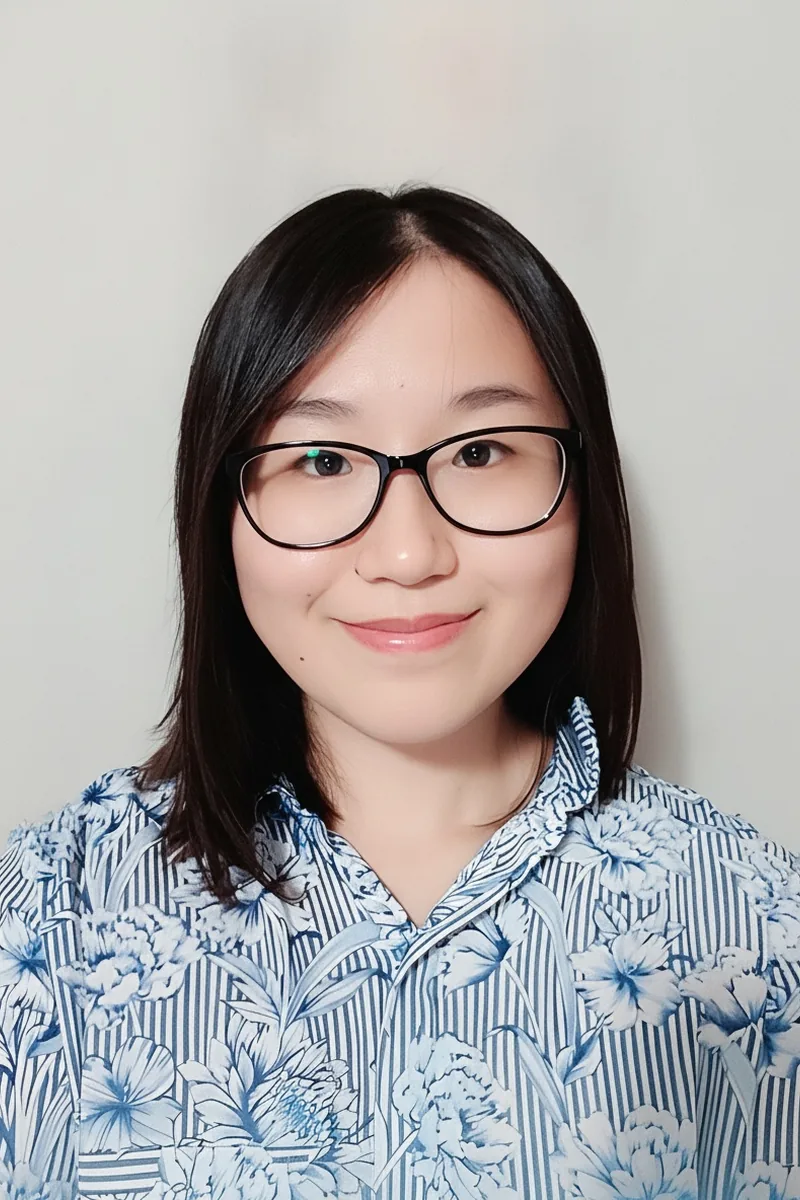
Patricia's favorite subjects to tutor include beginner's and intermediate Chinese, and she brings that same enthusiasm to AP-level prep — particularly the listening comprehension and reading sections where students need to parse formal written Mandarin beyond everyday conversation. She also teaches across multiple Mandarin levels, so she can quickly identify which foundational gaps in grammar or vocabulary are holding a student back on timed exam tasks.
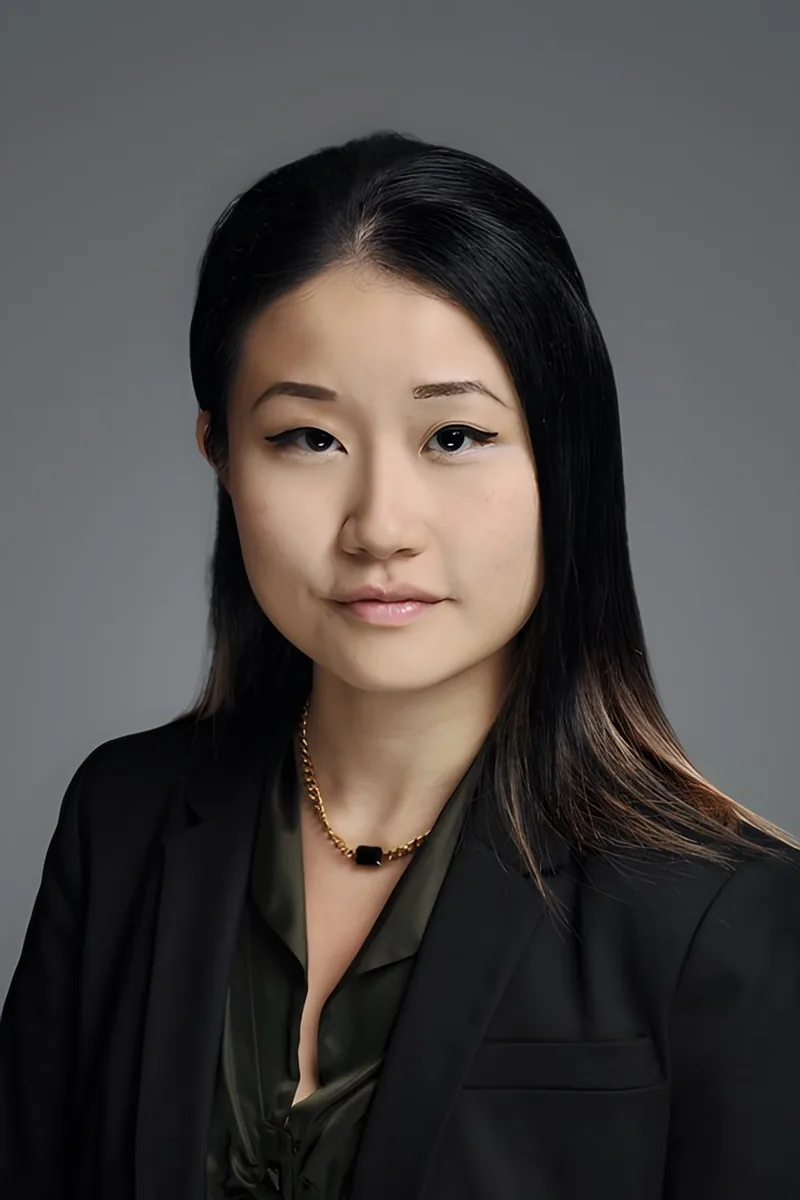
Most AP Chinese prep zeroes in on language mechanics, but the exam's interpersonal speaking prompts also reward the kind of natural conversational flow that comes from genuine cultural immersion — something Yuyi brings as a native Mandarin speaker who also studied English and psychology at the university level. That dual-language academic background makes her especially effective at coaching students through the interpretive reading section, where parsing formal written Mandarin requires more than character recognition.
The AP Chinese exam tests far more than vocabulary recall — it demands cultural knowledge, formal register in writing, and the ability to compare Chinese and American perspectives in presentational speaking. Daniel, who has studied Mandarin through advanced levels, breaks down each exam section so students know exactly what the graders are looking for in their responses.
Having tutored the SAT Subject Test in Chinese with Listening and spent time working in Hong Kong, Asta understands both the linguistic and cultural dimensions the AP Chinese exam tests. She digs into the presentational writing and interpersonal speaking tasks that trip up even heritage speakers, breaking down how to structure responses that earn top marks on the rubric.
Having grown up in China and studied at both UW-Madison and Bonn University in Germany, Mingxi brings native Mandarin fluency and a multilingual learner's awareness of how language structures differ — an edge that's especially useful for the AP Chinese exam's interpersonal response tasks, where students must produce natural, register-appropriate Mandarin on the spot. She also teaches across three levels of Mandarin Chinese, so she can quickly diagnose whether a student's weak spots are tonal, grammatical, or rooted in limited exposure to formal written conventions. Rated 4.7 by students.
Throughout the ages, the religious and philosophical leaders of the Far East considered teaching the noblest occupation-- one of true wisdom and selflessness. Having had the great fortune to experience the transformative power of wonderful teachers, I've come to agree with this viewpointI've found my calling in education. I haven't always known that teaching was the vocation for me. Even though I've always taught, on some level, as a T.A., a private tutor, a classroom teacher, or a friend, I tried different jobs in the private sector for several years. However, upon much introspectionmy own enlightenmentI realized that teaching is my true calling. I have a passion for teaching, which is unmatched by any other field. Why do I teach? I teach because I know that I will learn something new from each teaching experience, with every student, with every day, without exception, and because this path is one that I know is beneficial to others and to society as a whole. I teach, because I believe I can do it well. I approach the job with a balance of both diligence and patience, and confidence and humility, with extreme focus and an open mind. I am very patient, which is incredibly important, because learning takes time and involves challenges. When I teach I project a sense of confidence, because as a lifelong perfectionist, I really do my homework! Before each lesson, I make sure I am thoroughly prepared so that I can teach lucidly and coherently and know how to anticipate questions and readily answer them. My confidence helps establish my authority in the classroom. I also strive to make what I teach relevant to my students' lives by drawing on my experiences as a student and teacher. I strive to be an educator like my own favorite teachersa teacher who is passionate about and has profound knowledge of his specialty, who believes in the unparalleled importance of education, and who inspires his students with his devotion.
Ten years teaching Mandarin in public schools — from absolute beginners through AP — means Paulkey has watched hundreds of students hit the same walls on the AP Chinese exam, especially the interpersonal response tasks where students freeze up trying to produce spontaneous, culturally appropriate Mandarin in real time. He pairs that classroom experience with a computer science background that makes his prep unusually structured: timed drills, systematic vocabulary review, and targeted practice on the listening comprehension passages that reward quick processing over perfect translation.
Jason is a Mandarin speaker who understands both the linguistic and cultural dimensions the AP Chinese exam tests — from formal vs. informal register in presentational writing to the cultural comparisons required in the free-response section. He walks students through listening comprehension strategies and character recognition alongside the cultural knowledge that earns top scores.
The AP Chinese Language and Culture exam tests far more than vocabulary — it demands cultural fluency, the ability to compare perspectives, and comfort producing spoken and written Mandarin under timed pressure. Hannah holds a master's degree in Chinese Studies and is fully fluent in reading, writing, and spoken Mandarin, so she can prepare students for every section of the exam with real cultural context behind each response.
I'm Jay! I'm currently going to college at the University of Texas at Austin. I am majoring in fine arts and I am also in the pre-medical program. Even though I'm not done with college, I have already published papers in the field of epigenetics since my freshmen year of college. Even though I consider myself to have an expertise in languages, I decided to teach areas in the field of natural sciences because those are the subjects that I am most passionate about.
Scoring well on AP Chinese Language and Culture means navigating presentational writing, interpersonal speaking prompts, and cultural comparison essays — all in Mandarin. Alex is fluent in Mandarin Chinese and understands the tonal pitfalls and character-recognition challenges that trip up American students. He connects language drills to real cultural contexts so the exam's thematic units feel less like abstract categories and more like actual conversations.
Paul is one of those rare tutors who operates at an advanced level in both Mandarin Chinese and a second foreign language, giving him unusual insight into how tonal languages, character-based writing systems, and cultural frameworks interact on the AP exam. He zeroes in on the interpersonal and presentational communication tasks, coaching students through the real-time speaking and writing prompts that carry the most weight.
Testimonials
Because the right AP Chinese Language and Culture tutor makes all the difference.
Average Session Rating – Based on 3.4M Learner Ratings
Nearby AP Chinese Language and Culture Tutors
Other New Orleans Tutors
Related Languages Tutors in New Orleans
Frequently Asked Questions
The AP Chinese Language and Culture exam tests proficiency across listening, reading, writing, and speaking skills at the intermediate-high level. The exam includes multiple-choice sections for listening and reading comprehension, a free-response writing section, and a speaking portion with interpersonal and presentational components. Success requires not just language skills but also cultural knowledge and the ability to communicate across different contexts and time frames.
Most students benefit from 6-12 months of focused preparation, though this varies based on your starting proficiency level and study intensity. If you're starting from a lower proficiency level, beginning preparation earlier in the school year gives you time to build foundational skills before tackling exam-specific strategies. Consistent practice—ideally several hours per week—is more effective than cramming, especially for developing speaking and writing fluency.
Students often struggle most with the speaking section, where they must respond quickly and accurately to prompts they hear only once. The reading section can be challenging due to the volume of characters and the need to understand nuanced meaning in context. Many students also find it difficult to transition from classroom learning to the real-world communication scenarios the exam presents, particularly when cultural context is required to fully understand a passage or prompt.
Score improvement depends on your starting level and the areas you focus on, but students typically see meaningful gains—often 1-3 points on the 5-point scale—when working with an expert tutor who targets their specific weak areas. For example, if your speaking skills are holding you back, focused practice on timed responses and pronunciation can yield quick improvements. The key is identifying which sections (listening, reading, writing, or speaking) need the most work and dedicating time to those areas with strategic practice.
Effective tutoring focuses on your weakest sections first—whether that's speaking fluency, reading comprehension speed, or writing accuracy—while maintaining your stronger skills. Your tutor can help you understand the specific question formats, teach you time-management strategies for each section, and provide feedback on your responses in real time. Additionally, tutors can expose you to authentic cultural materials and help you develop strategies for understanding context clues when you encounter unfamiliar vocabulary.
Practice tests are essential for understanding the exam format, building test-taking stamina, and identifying which skills need more work. Taking full-length practice tests under timed conditions helps you develop pacing strategies and get comfortable with the pressure of the real exam. After each practice test, review your mistakes carefully—especially in the reading and listening sections—to spot patterns in what you're missing and adjust your study plan accordingly.
Speaking anxiety is common, and the best remedy is repeated, low-pressure practice with feedback. Working with a tutor who can simulate the exam's speaking prompts and provide constructive feedback helps you build confidence and develop a routine for responding calmly under pressure. Practice recording yourself, listening back, and refining your responses—this builds familiarity with your own voice and helps you identify areas to improve without the stress of live evaluation.
Varsity Tutors connects you with expert tutors for students in New Orleans who specialize in AP Chinese Language and Culture and understand the exam's specific requirements. When you get matched with a tutor, you can discuss your current proficiency level, target score, and timeline so they can create a personalized study plan tailored to your needs. Many students find it helpful to start with an initial consultation to assess strengths and weaknesses before diving into focused preparation.
Let’s find your perfect tutor
Answer a few quick questions. We’ll recommend the right plan and match you with a top 5% tutor.