Award-Winning AP Spanish Literature and Culture Tutors
serving New Orleans, LA
AP Spanish Literature and Culture
Tutors in New Orleans
Private 1-on-1 tutoring, weekly live classes for academic support, test prep & enrichment, practice tests and diagnostics, and more to elevate grades and test scores.
Based on 3.4M Learner Ratings
UniversitiesSchools & Universities
DeliveredHours Delivered
ProficiencyGrowth in Proficiency
Who needs tutoring?
No obligation. Takes ~1 minute.
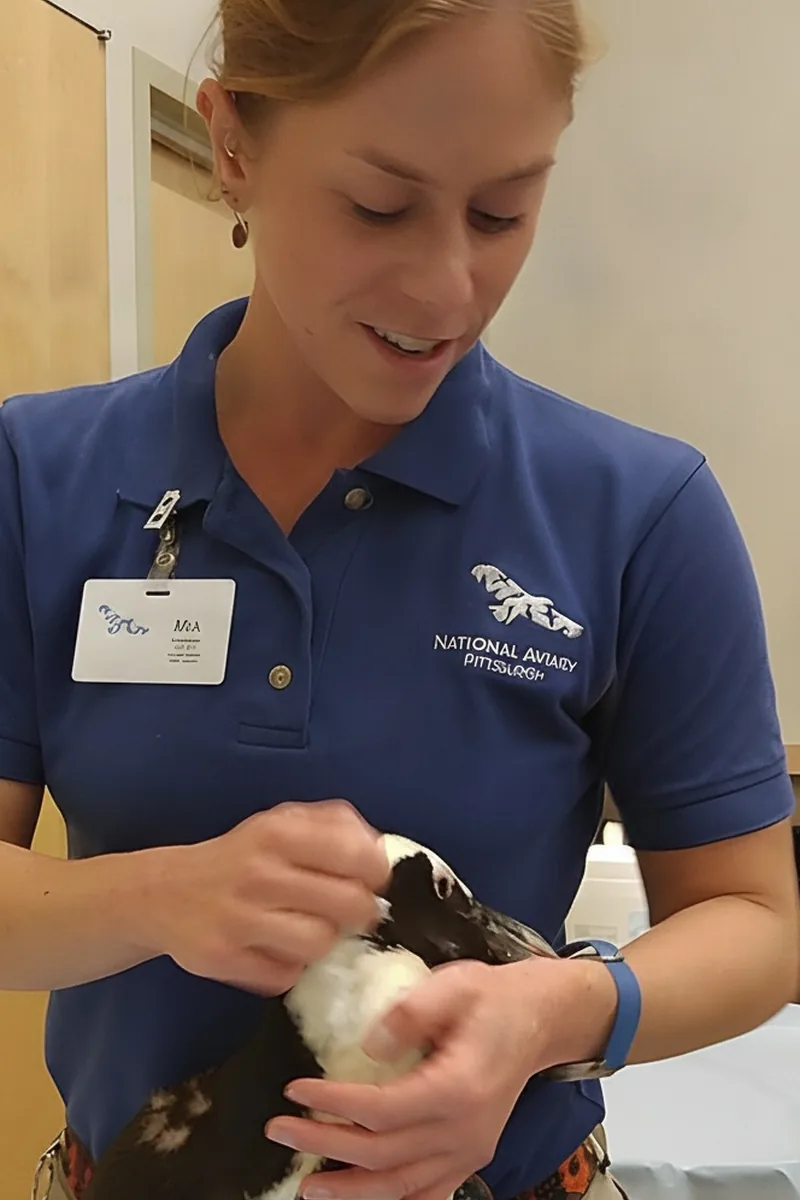
Currently pursuing a graduate degree in Spanish & Portuguese Languages & Cultures while holding a BA in Spanish and French, Mia lives inside the literary and cultural traditions this exam covers — she's not just reviewing the reading list, she's actively studying the broader canon it draws from. That depth means she can teach students how a work's grammar and syntax choices carry meaning, turning close-reading instincts into the kind of thesis-driven essays the free-response section rewards. Rated 5.0 by students.
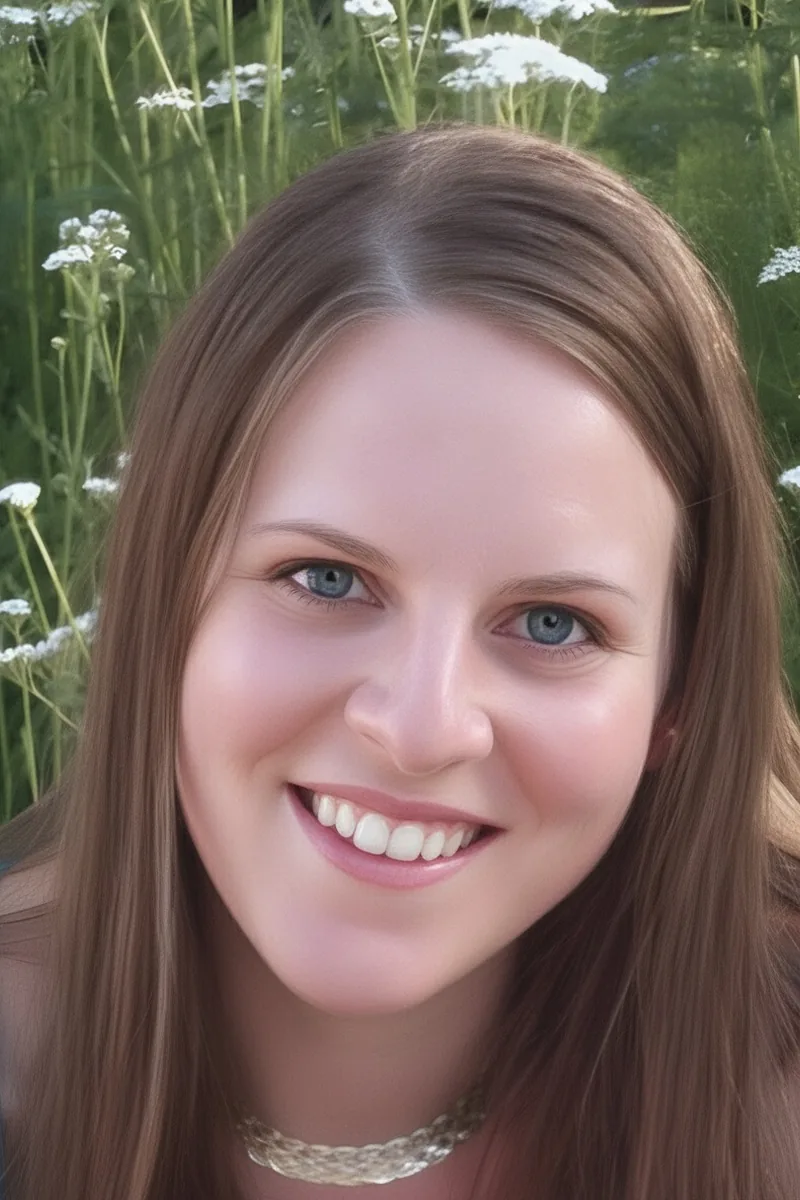
A certified former middle-school teacher with a Spanish degree and a 1590 SAT, Meagan brings strong analytical reading and writing chops to a subject that demands both — constructing literary arguments in Spanish under timed conditions. Her education policy Master's and years teaching ESL sharpen her ability to break down how language proficiency and essay structure intersect, coaching students on building thesis-driven responses to reading list texts. Rated 4.9 by students.
Studying psychology alongside Spanish through AP-level coursework gives Marissa a particular angle on the reading list's most character-driven texts — she's sharp at teaching students how to articulate a character's internal conflict or a poet's emotional logic in timed analytical essays written entirely in Spanish. Her 35 ACT reflects the kind of disciplined, evidence-based reasoning she brings to constructing thesis statements and weaving in textual support under exam pressure.
Growing up schooled in Mexico means Alfonso didn't just learn Spanish — he absorbed the literary and cultural traditions that underpin the AP reading list, from colonial-era texts to modern Latin American prose. His years of formal Spanish-language education give him native-level reading and writing fluency that sharpens how he teaches students to construct analytical essays entirely in Spanish, grounding arguments in the cultural contexts he experienced firsthand.
Medical school and AP Spanish Literature don't obviously connect — but Arianna's behavioral neuroscience degree with a Spanish minor means she spent years reading and writing analytically in Spanish while also studying how people process language and narrative. That combination sharpens how she teaches students to construct timed literary essays, particularly when unpacking character psychology and identity themes in works across the AP reading list. Rated 5.0 by students.
Iris's University of Chicago training in History and Philosophy of Science taught her to trace how ideas move across cultures and time periods — a skill that translates directly to the AP exam's thematic units, where students must connect a Borges story or a Sor Juana poem to broader cultural movements like "las sociedades en contacto" or "el tiempo y el espacio." Her anthropology background adds a layer most Spanish lit tutors lack: she reads texts for the cultural systems embedded in them, which strengthens the kind of contextualized argumentation the free-response essays demand.
Political science and law school prep might seem far from the AP reading list, but Diana's training in constructing tight, evidence-based arguments translates directly to the exam's free-response essays — where a well-structured thesis about a Borges story or a Sor Juana poem matters as much as Spanish fluency. Her background in Latin and AP Spanish coursework gives her the linguistic foundation to coach students through close reading and essay drafting in Spanish, especially on the argumentative structure that separates mid-range scores from top ones.
Having double-majored in Spanish at Washington University, Megan brings deep literary fluency to AP Spanish Literature and Culture — from close reading of García Márquez's magical realism to analyzing the cultural context behind Sor Juana's poetry. She walks students through the essay and presentational speaking rubrics so they know exactly what earns top scores on exam day.
Studying at a university in Chile didn't just make Elana fluent — it immersed her in the Latin American literary and cultural landscape that dominates much of the AP reading list. Her training in the Organic World Languages method at Oberlin, where the emphasis is on producing meaningful Spanish in context, shapes how she coaches essay writing: students learn to construct analytical arguments in Spanish that sound like real literary commentary, not translated English. Rated 5.0 by students.
Renee's PhD in Spanish and Iberian Studies means she's spent years inside the literary traditions the AP exam tests — not just reading Garcilaso or Unamuno, but producing original scholarship on how these texts function within broader Iberian cultural movements. That academic depth shapes how she teaches students to construct thesis-driven essays in Spanish, moving from close reading of a passage's formal choices to the kind of cultural argumentation that earns top scores on the free-response section.
Phyllis earned her BA in Spanish and teaches across every level of the language, from Spanish 1 through AP — so she knows exactly where the gap widens between conversational fluency and the literary analysis this exam requires. Her creative background as a musician and visual artist sharpens how she teaches students to read poetry and prose for rhythm, imagery, and formal structure, then translate those observations into thesis-driven essays in Spanish. Rated 5.0 by students.
Medical school sharpens one skill that translates surprisingly well to AP Spanish Literature: reading dense, complex material under pressure and extracting exactly what matters. Brianna's biology degree and Spanish tutoring experience give her the language foundation, while her test-taking discipline (1490 SAT, 32 ACT) carries over to coaching students on structuring timed analytical essays where clear argumentation counts more than literary flourish. This isn't her deepest subject, but for students who need help with the mechanics of building an evidence-based essay under exam conditions, her systematic approach fills a real gap.
Testimonials
Because the right AP Spanish Literature and Culture tutor makes all the difference.
Average Session Rating – Based on 3.4M Learner Ratings
Nearby AP Spanish Literature and Culture Tutors
Other New Orleans Tutors
Related Languages Tutors in New Orleans
Frequently Asked Questions
AP Spanish Literature and Culture focuses on reading and analyzing literary texts from Spanish-speaking countries across different time periods and genres. The course emphasizes close reading, cultural context, thematic analysis, and written responses in Spanish. Students study poetry, drama, narrative prose, and essays while developing skills in literary interpretation and cultural understanding—all essential for the exam's multiple-choice section and free-response essays.
The AP exam consists of two sections: a 60-minute multiple-choice section with 50 questions about literary passages, and a 90-minute free-response section with three essay prompts (thematic analysis, passage analysis, and cultural comparison). Success requires both strong reading comprehension in Spanish and the ability to construct well-organized arguments with textual evidence. Time management is critical—many students struggle with pacing through dense literary passages under pressure.
Students often struggle with the cultural and historical context needed to understand texts deeply, distinguishing between surface-level and thematic analysis, and managing test anxiety when reading unfamiliar literary passages in Spanish. Additionally, constructing coherent essays in Spanish while analyzing complex themes requires both language proficiency and critical thinking skills. For New Orleans students, connecting to Spanish-speaking cultures and literature can feel distant without guided exploration of these works' significance.
Score improvement depends on your starting point and consistency with preparation. Students who work with tutors on targeted strategies—like identifying literary devices, understanding cultural nuances, and practicing timed essay writing—typically see meaningful gains. Most students benefit from focusing on their weakest section first (whether that's multiple-choice comprehension or essay construction) and building from there through regular practice and feedback.
A strong study plan typically includes regular close reading practice (2-3 times per week), timed practice tests to build pacing skills, and targeted essay writing with feedback. Start by identifying which literary periods or genres challenge you most, then focus deeper study there. Most students benefit from beginning serious preparation 3-4 months before the exam, with intensity increasing as test day approaches. Varsity Tutors connects you with tutors who can customize a study schedule based on your timeline and specific weak areas.
Effective essay writing starts with careful planning: spend 2-3 minutes outlining your thesis and key evidence before writing. Practice organizing essays with clear topic sentences that directly address the prompt, support them with specific textual examples, and maintain formal academic Spanish throughout. Many students improve dramatically by writing practice essays under timed conditions and receiving detailed feedback on both content analysis and language use. Understanding what each prompt type asks for—thematic analysis versus passage comparison—is crucial for staying focused.
Look for tutors with strong Spanish language proficiency and demonstrated expertise in literary analysis across multiple genres and time periods. They should be familiar with the AP exam format, common student challenges, and strategies for improving both multiple-choice and essay performance. For students in New Orleans, a tutor who can help you connect Spanish literature to broader cultural contexts and build confidence in your analytical writing will be most valuable.
Your first session typically involves assessing your current level—taking a practice passage or writing a timed essay to identify specific strengths and areas for improvement. From there, you and your tutor will develop a personalized plan focusing on your biggest challenges, whether that's comprehension speed, essay organization, cultural context, or test anxiety. This foundation helps ensure every session builds directly toward your AP exam goals.
Let’s find your perfect tutor
Answer a few quick questions. We’ll recommend the right plan and match you with a top 5% tutor.