Award-Winning AP Environmental Science Tutors
serving Baton Rouge, LA
AP Environmental Science
Tutors in Baton Rouge
Private 1-on-1 tutoring, weekly live classes for academic support, test prep & enrichment, practice tests and diagnostics, and more to elevate grades and test scores.
Based on 3.4M Learner Ratings
UniversitiesSchools & Universities
DeliveredHours Delivered
ProficiencyGrowth in Proficiency
Who needs tutoring?
No obligation. Takes ~1 minute.
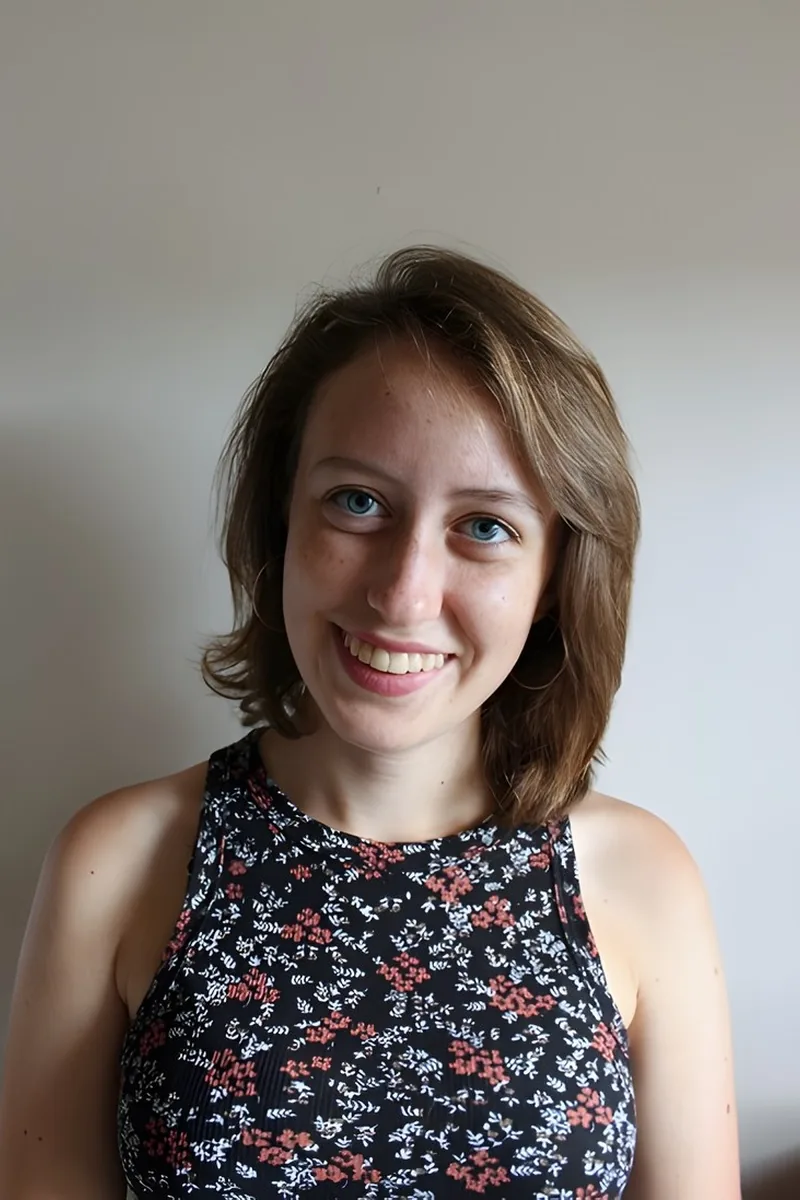
Sofia's ecology concentration at the University of Chicago means AP Environmental Science isn't a subject she just studied — it's her field. She unpacks FRQ-heavy topics like biogeochemical cycles, biodiversity loss, and energy resource tradeoffs with the depth of someone who does research in a neurobiology lab and thinks about ecosystems professionally. That firsthand scientific context makes the difference between memorizing vocabulary and actually understanding environmental systems.
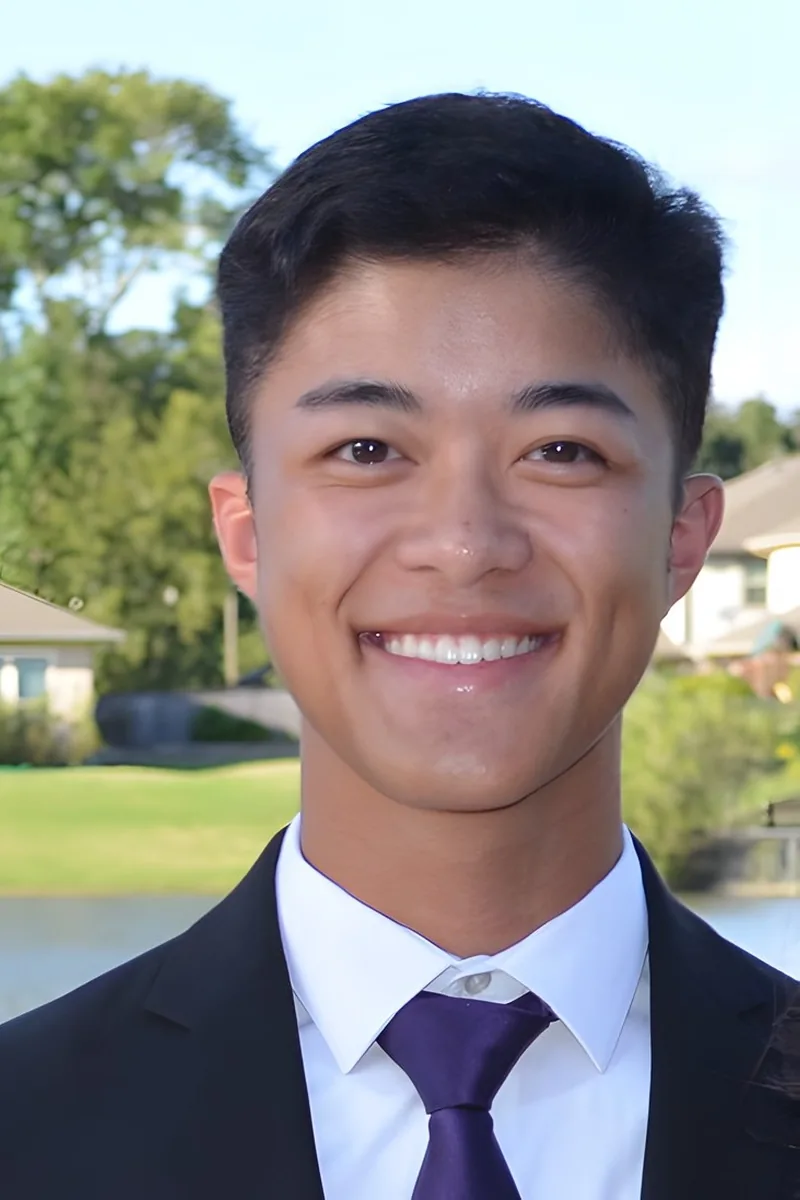
Biochemistry gives Don a molecular-level understanding of the processes APES only scratches the surface of — he can explain why dissolved oxygen drops downstream of a nutrient spill by walking through the actual chemistry of eutrophication and aerobic decomposition, not just labeling a diagram. That depth, plus a 35 ACT and 5.0 rating from students, makes him especially sharp on the exam's quantitative pieces like calculating biomass transfer between trophic levels or interpreting water quality data sets.
Geology is the backbone of half the APES curriculum — soil composition, rock cycles, groundwater contamination, plate tectonics shaping biomes — and David studied it as his actual major at Occidental College, with economics coursework that adds context for the resource-management and cost-benefit policy questions. He breaks down earth systems into their component processes so students can trace how a single change, like aquifer depletion or volcanic emissions, ripples through connected environmental outcomes on the free-response section. Rated 5.0 by students.
Having spent a year as a climate change researcher at the University of Helsinki — where she completed PhD-level atmospheric science coursework — Marika brings firsthand lab and field experience to AP Environmental Science. She digs into biogeochemical cycles, energy flow, and climate modeling with the depth the AP exam demands, connecting FRQ strategies to the actual science behind each topic.
Biomedical engineering trains you to think about how biological systems interact with their surroundings — and Huan brings that lens to APES topics like bioaccumulation, toxicology, and how pollutants move through food webs and water systems. His chemistry-focused coursework strengthens the quantitative side students often stumble on, from pH calculations in acid deposition problems to interpreting LD50 data on the free-response section. Rated 5.0 by students.
Eric's degree in Ecology & Evolutionary Biology means he studied the actual science behind APES — population ecology, species interactions, and ecosystem-level processes — not just the survey-course version. He teaches students to think about environmental problems the way an ecologist would, tracing how a disturbance like deforestation or nutrient loading ripples through trophic levels and feedback loops until the full picture clicks.
Todd's biology degree from UIUC gives him the ecological and cellular foundations that underpin APES topics like nutrient cycling, energy flow through trophic levels, and ecosystem disruption — and his social work training adds a surprisingly useful lens for the policy and human-impact questions that dominate the free-response section. He teaches students to trace cause-and-effect across units, which is the skill the exam actually scores on. Rated 5.0 by students.
Shawn's master's in chemistry gives him a molecular-level understanding of the processes that drive APES content — ocean acidification equilibria, nitrogen fixation pathways, ozone depletion mechanisms — so he can explain the why behind environmental phenomena instead of just naming them. He also teaches the course's surprisingly tricky math, from parts-per-million conversions to energy budget calculations, with the comfort of someone who's done far harder stoichiometry. Rated 4.9 by students.
Having earned her degree in Environmental Studies from Temple, Annie knows AP Environmental Science inside and out — from biogeochemical cycles and ecosystem energy flow to the policy and human-impact questions that dominate the free-response section. She also spent a gap year working on organic farms in New Zealand, which means topics like soil science, sustainable agriculture, and biodiversity loss come with firsthand context that sticks.
Cognitive science trains you to think in systems — how inputs, feedback loops, and cascading effects connect across complex networks — which maps surprisingly well onto APES topics like biogeochemical cycles, ecosystem disruption, and human-environment feedback. Zachary applies that systems-thinking lens to help students trace cause-and-effect chains across units, which is the skill that separates 3s from 5s on the free-response section. He scored a 32 on the ACT and carries a 4.8 tutoring rating.
Pharmacy students spend semesters on toxicology, chemical fate in biological systems, and dose-response relationships — concepts Amy applies directly to APES units on pollution, bioaccumulation, and human health impacts. Her biology minor at Northeastern reinforces the ecological side, from nutrient cycling to population dynamics, and a 1550 SAT signals the quantitative precision needed for the exam's calculation-heavy free-response questions. Rated 4.9 by students.
An anthropology degree might seem like an unusual background for APES, but it's surprisingly relevant — Libby understands human-environment interactions, resource use patterns, and cultural dimensions of environmental policy, which are exactly the themes the exam's free-response questions probe. She teaches students to think about ecological problems through the lens of human systems, connecting topics like land use, pollution, and sustainability to the societal forces driving them. Rated 5.0 by students.
Testimonials
Because the right AP Environmental Science tutor makes all the difference.
Average Session Rating – Based on 3.4M Learner Ratings
Practice AP Environmental Science
Free practice tests, flashcards, and AI tutoring for AP Environmental Science
Nearby AP Environmental Science Tutors
Other Baton Rouge Tutors
Related Science Tutors in Baton Rouge
Frequently Asked Questions
AP Environmental Science covers eight major units: energy flow, the biosphere, populations, communities and ecosystems, land and water use, energy resources, atmospheric systems, and human impacts on the environment. The exam emphasizes real-world environmental problems and scientific data analysis. Tutors can help you master the interconnected concepts across these units and develop the analytical skills needed to interpret environmental data and graphs on test day.
The AP Environmental Science exam is 3 hours long and consists of two sections: a 90-minute multiple-choice section (80 questions) and a 90-minute free-response section (3 essays). The exam tests your ability to analyze environmental data, understand ecological concepts, and apply scientific reasoning to real-world scenarios. Familiarity with the exam format and timed practice tests is essential for building confidence and managing your pacing on test day.
Students often struggle with quantitative reasoning—particularly calculations involving population growth, energy flow through ecosystems, and interpreting environmental data sets. The free-response section also challenges many students because it requires connecting multiple concepts and explaining your reasoning clearly. Tutors can break down these quantitative skills into manageable steps and help you practice synthesizing information across different environmental topics.
Score improvement depends on your starting point and how consistently you engage with tutoring. Students who work with tutors typically see gains by filling specific knowledge gaps, practicing free-response essays, and developing stronger data interpretation skills. Most students benefit from starting tutoring 2-3 months before the exam, though even shorter-term focused sessions can help you target weak areas and boost confidence on specific units.
Practice tests should be used strategically: take a full diagnostic test early to identify weak units, then use section-specific practice to build skills, and save complete timed exams for the final 3-4 weeks before test day. Pay attention to which question types trip you up—whether it's data interpretation, conceptual understanding, or essay structure—so you can target those areas in tutoring. Tutors can review your practice test results with you and help you develop targeted study plans based on your performance patterns.
Strong AP Environmental Science essays require you to explain concepts clearly, support claims with evidence, and show quantitative reasoning when applicable. The three essays each have different formats—some ask you to design experiments, others require data analysis, and some test your ability to connect concepts. Working with tutors on essay structure, practice writing under timed conditions, and getting feedback on your explanations can significantly improve your ability to communicate environmental science concepts effectively.
Test anxiety often stems from feeling unprepared or uncertain about specific concepts. Building genuine mastery through focused tutoring—particularly on your weakest topics—naturally builds confidence. Practicing full-length timed exams helps you get comfortable with the pacing and format, and tutors can teach you test-taking strategies like identifying which questions to prioritize and how to manage your time across the multiple-choice and free-response sections.
Look for tutors with strong backgrounds in environmental science, biology, or earth sciences, and ideally experience teaching or tutoring AP-level material. They should understand the specific exam format and be able to explain both conceptual understanding and quantitative skills. Varsity Tutors connects you with expert tutors who can assess your current level, identify your specific challenges, and create a personalized study plan tailored to your goals.
Let’s find your perfect tutor
Answer a few quick questions. We’ll recommend the right plan and match you with a top 5% tutor.